
Educational quiz app · Ages 5-10
This is what learning looks like


Educational quiz app · Ages 5-10
This is what learning looks like
No nagging required. Keep the learning going after the worksheet, with every question read aloud and Owee guiding each step.
Scan with your phone camera
- Family-friendly
- No ads
- Private
Free science worksheets for KS1 and KS2
Science in the national curriculum is set year by year from Year 1 to Year 6, with working scientifically running through every year. KS1 children study plants, animals including humans, everyday materials, seasonal changes, and living things and their habitats. KS2 adds rocks, light, forces and magnets, states of matter, sound, electricity, Earth and space, and evolution and inheritance.
These sheets are for children aged 5 to 11. They run from labelling the parts of a plant and the five senses to the human heart, microbes and the phases of the Moon, with life cycles, teeth and digestion, food chains, rocks and fossils and simple circuits in between.
Animals
All animals worksheets →Children name common animals and sort them into groups such as fish, amphibians, reptiles, birds and mammals, and find out what animals eat and need to survive.
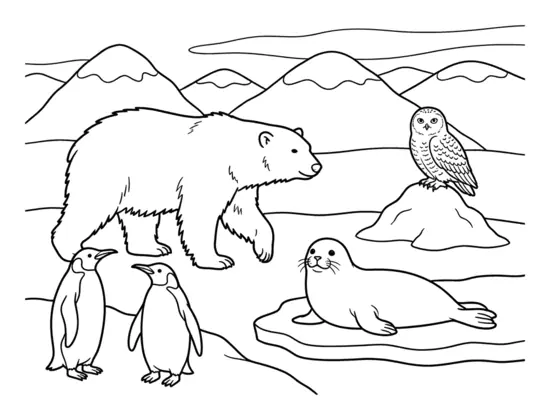
Years 1–2Sheet 27
Animals of the Frozen Poles
Print free →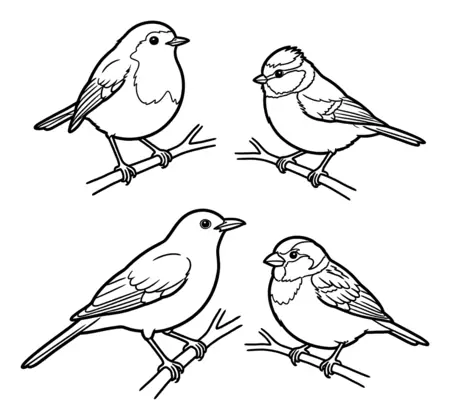
Years 1–2Sheet 28
British Garden Birds Spotting Sheet
Print free →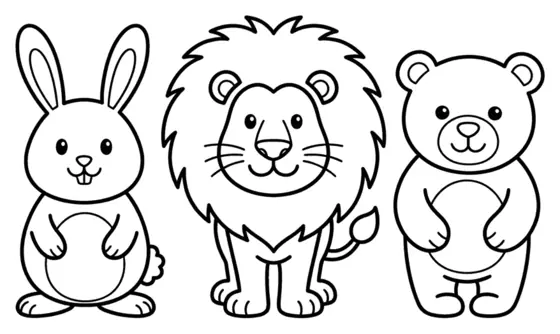
Years 1–2Sheet 29
Carnivore, Herbivore or Omnivore?
Print free →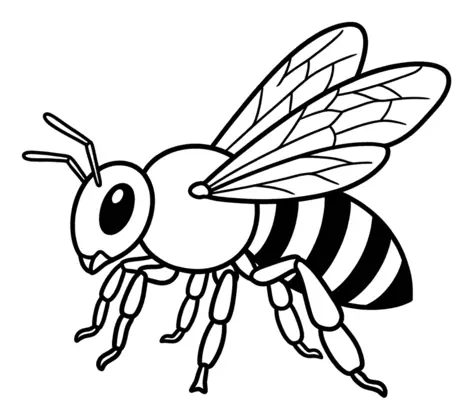
Years 1–2Sheet 30
Label the Parts of a Bee
Print free →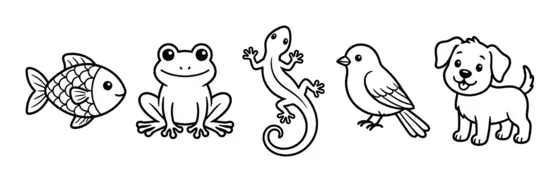
Years 1–2Sheet 31
Sorting Animal Groups
Print free →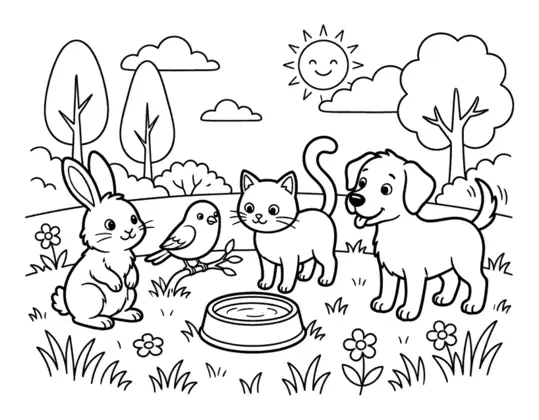
Years 1–2Sheet 79
Animals and Their Survival Needs
Print free →Earth and space
All earth and space worksheets →Children learn about the Sun, Earth and Moon, the planets of the solar system, and why we have day and night. Younger children often enjoy space as a class topic.
Years 1–2Sheet 32
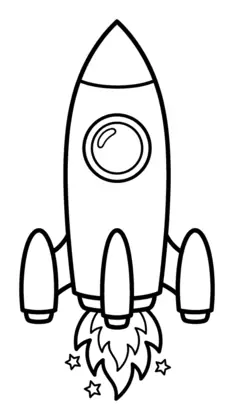
Label a Space Rocket
Print free →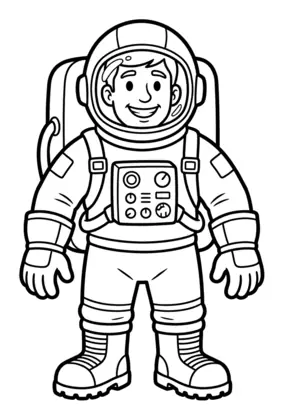
Years 1–2Sheet 33
Meet an Astronaut
Print free →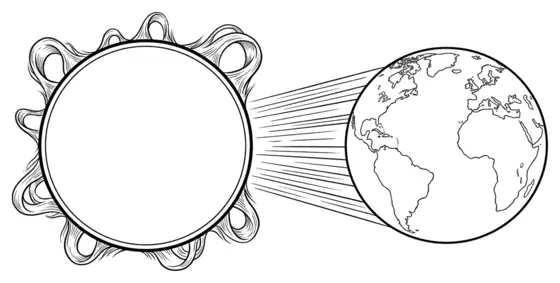
Years 5–6Sheet 170
Day and Night on Earth
Print free →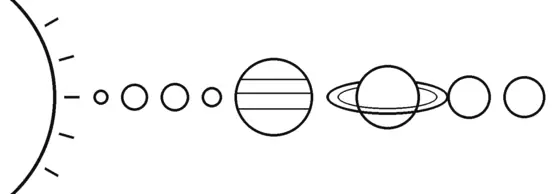
Years 5–6Sheet 171
Order of the Planets
Print free →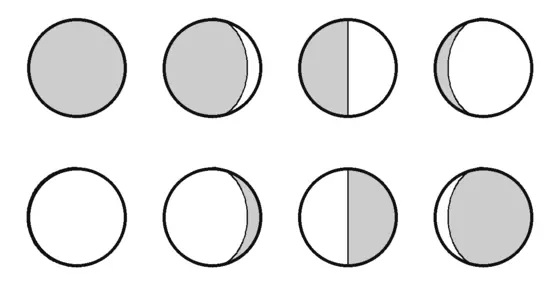
Years 5–6Sheet 172
Phases of the Moon
Print free →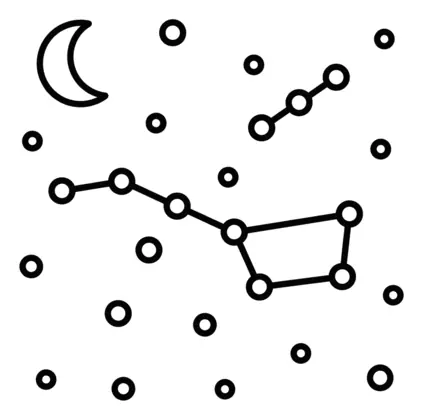
Years 5–6Sheet 173
Star Patterns in the Night Sky
Print free →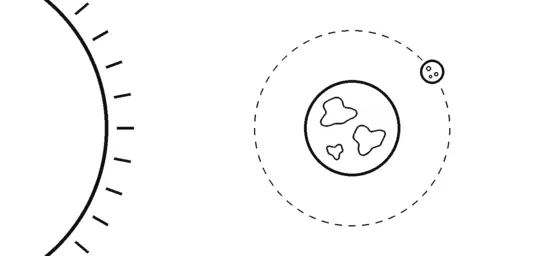
Years 5–6Sheet 174
The Earth, Sun and Moon
Print free →Electricity
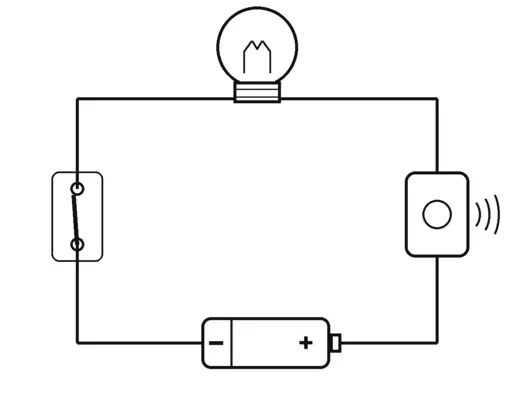
Children build simple circuits, name the parts such as cells, wires, bulbs, switches and buzzers, and find out why a bulb lights or does not.
Food chains
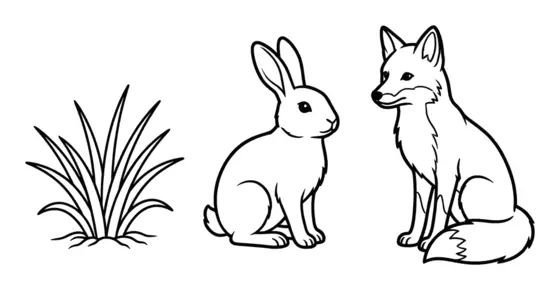
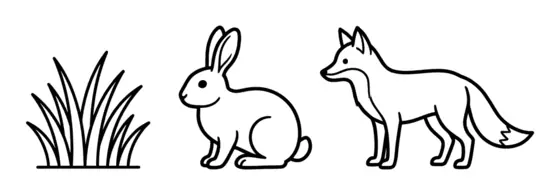
Children learn how living things depend on each other for food, building simple food chains and naming producers, predators and prey.
Forces and magnets
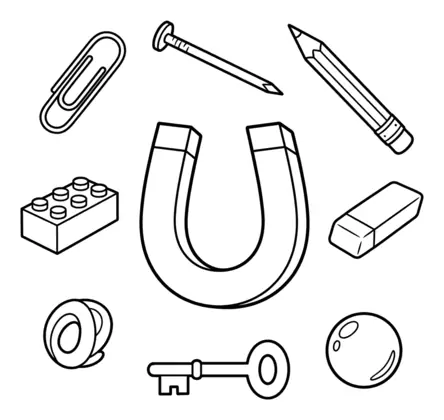
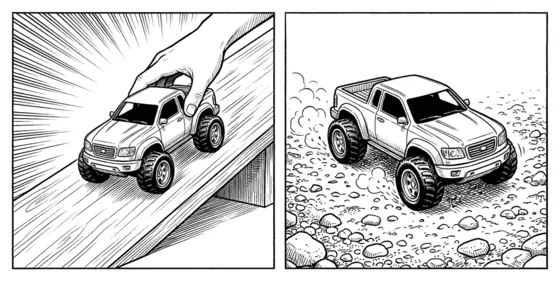
Children explore pushes and pulls, how things move on rough and smooth surfaces, friction, and which materials magnets attract.
Healthy living
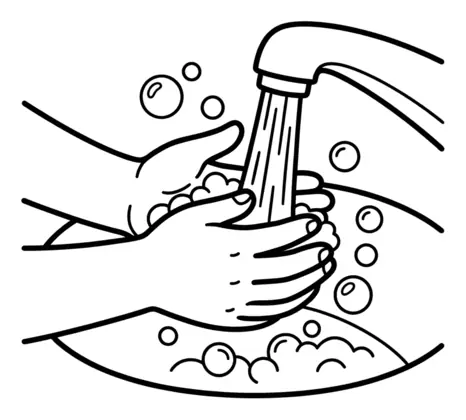
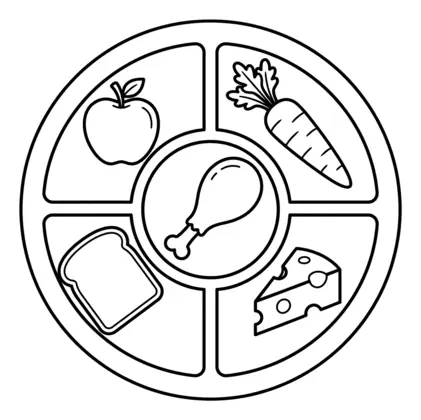
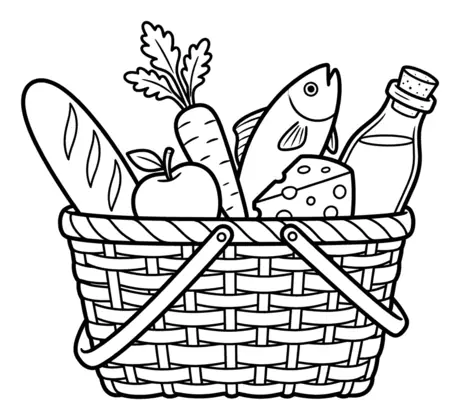
Children learn why we need a balanced diet, exercise and good hygiene such as handwashing, and how food groups like those in the Eatwell Guide help us stay healthy.
Human body
All human body worksheets →Children name the parts of the body and the five senses, learn how the skeleton and muscles support and move us, and in Year 6 how the heart and blood vessels work.
Reception–Year 1Sheet 34
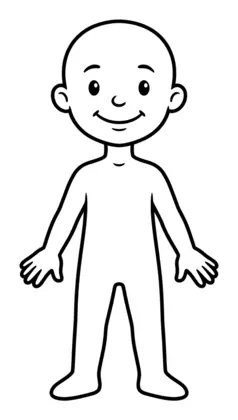
Label the Parts of the Body
Print free →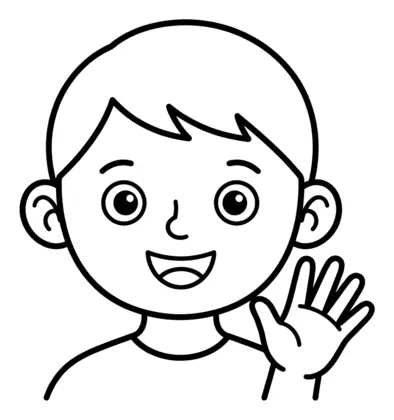
Reception–Year 1Sheet 35
The Five Senses
Print free →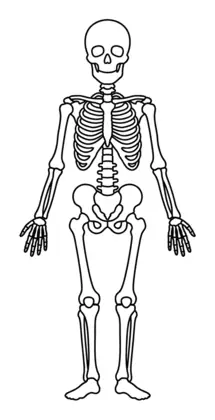
Years 3–4Sheet 114
Label the Human Skeleton
Print free →
Years 3–4Sheet 115
Muscles That Move Us
Print free →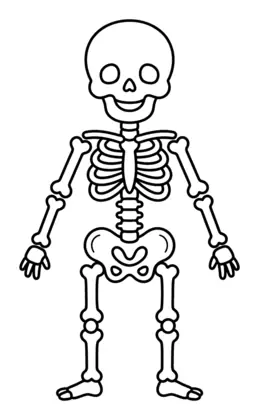
Years 3–4Sheet 116
The Human Skeleton: Major Bones
Print free →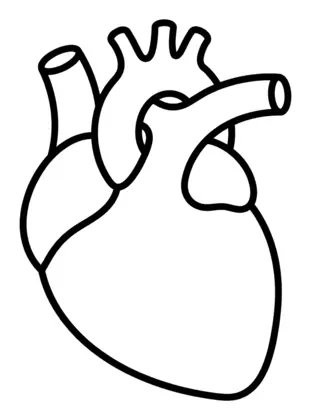
Years 5–6Sheet 180
The Heart and Healthy Exercise
Print free →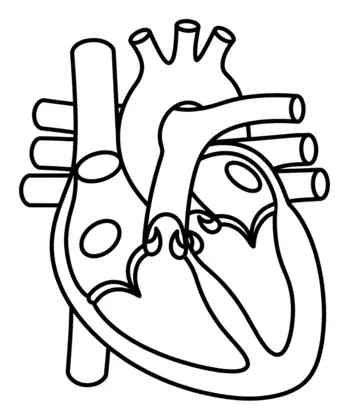
Year 6Sheet 181
The Human Heart
Print free →Life cycles
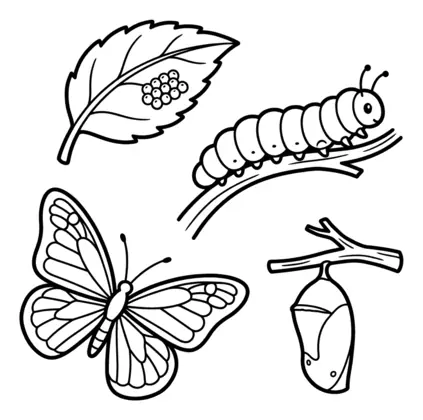
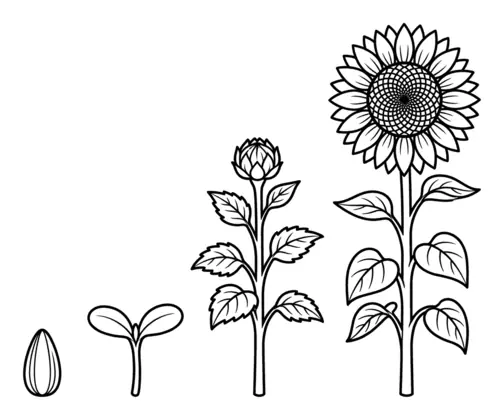
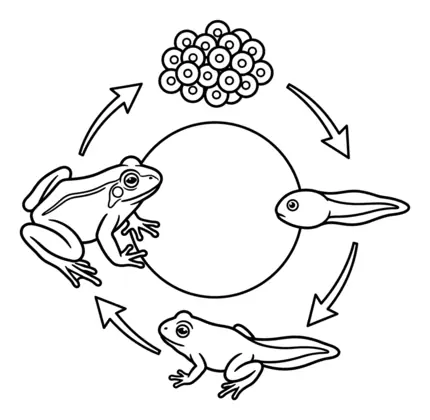
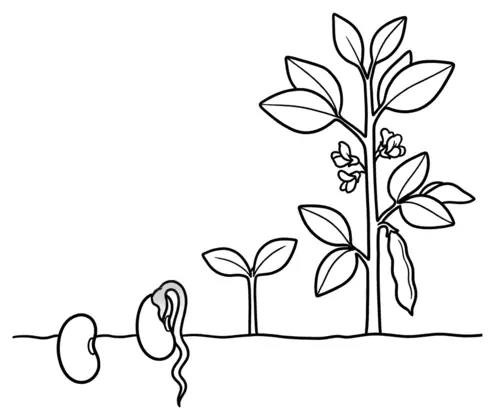
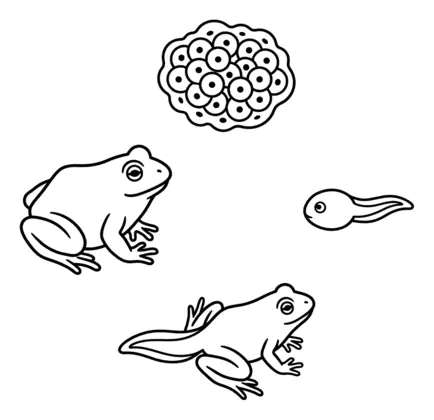
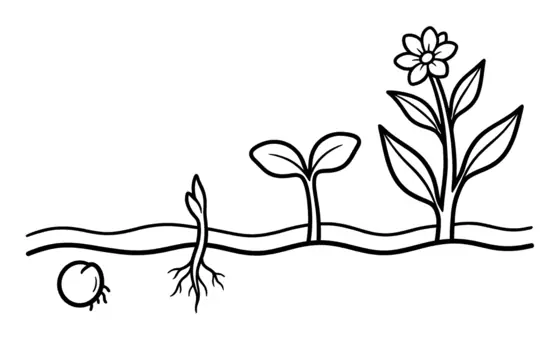
All life cycles worksheets →Children see how living things grow and change, from frogspawn to frog, caterpillar to butterfly and seed to flowering plant, and later compare life cycles of different animals.
Light
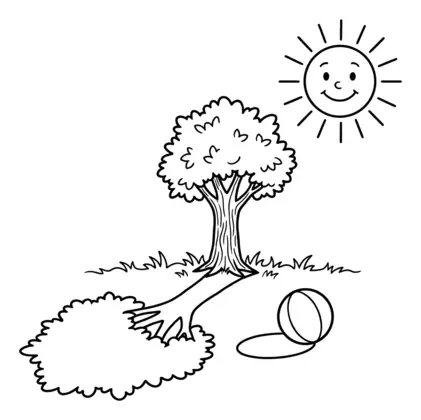
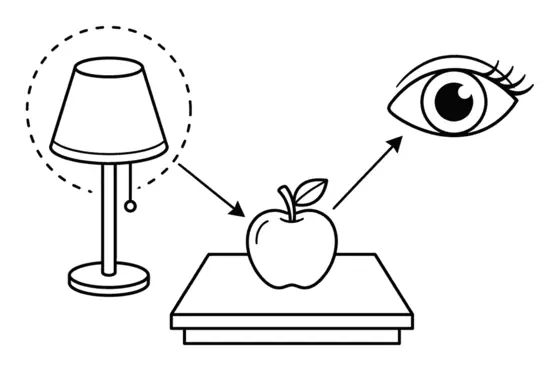
Children learn that we need light to see, how shadows form when light is blocked, and in Year 6 that light travels in straight lines into our eyes.
Living things and habitats
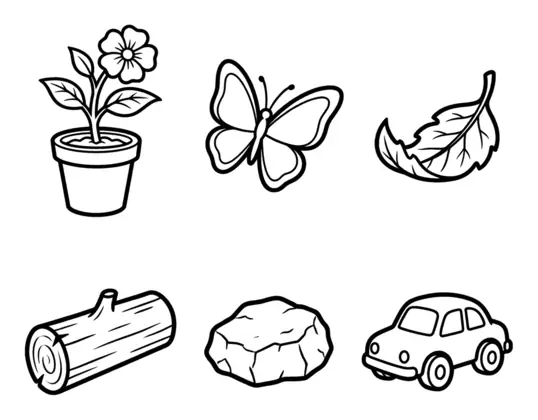
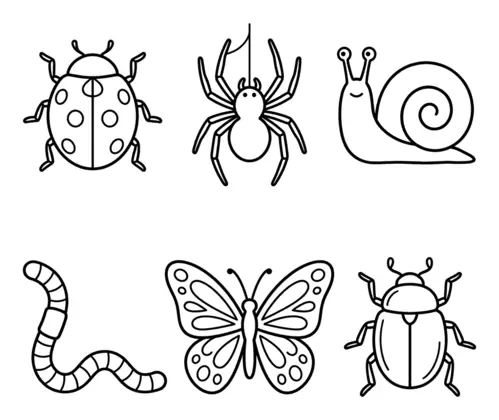
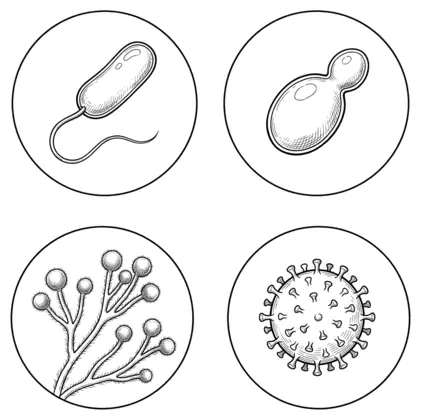
Children sort things into living, dead and never alive, explore where plants and animals live, and use classification keys to group and identify living things.
Materials
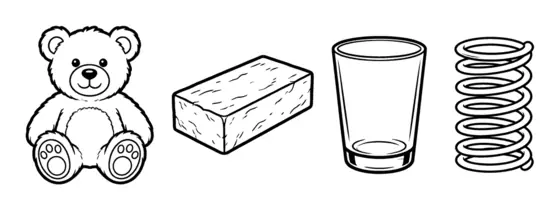
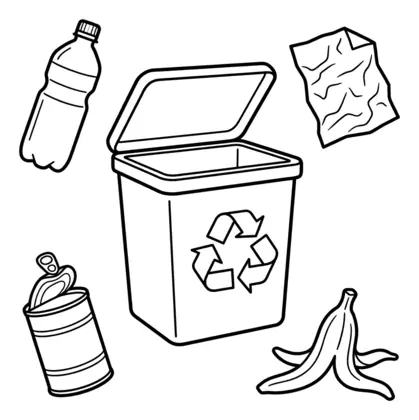
Children name everyday materials such as wood, plastic, glass and metal, describe their properties, and think about which materials suit which jobs.
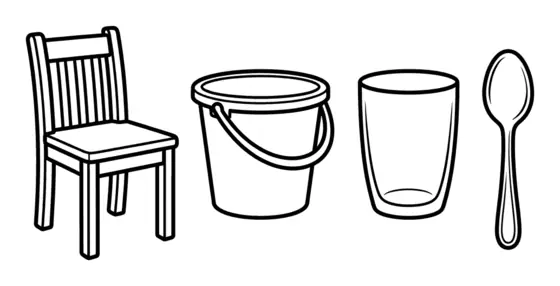
Plants
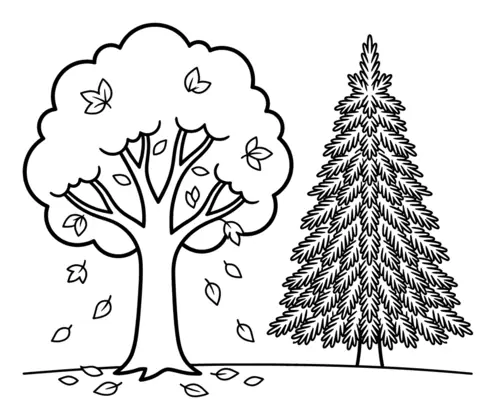
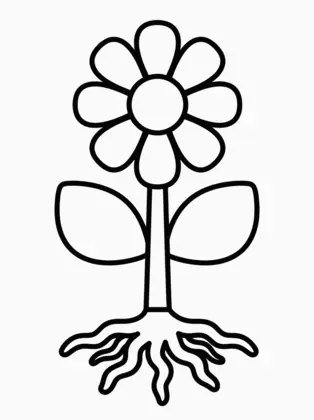
All plants worksheets →Children name common plants and trees and their parts, find out what plants need to grow, and in Year 3 learn what roots, stems, leaves and flowers each do.
Rocks and fossils
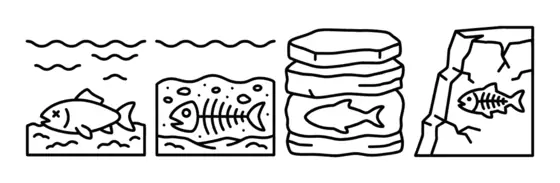
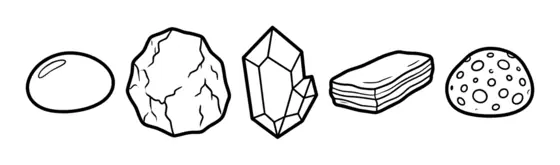
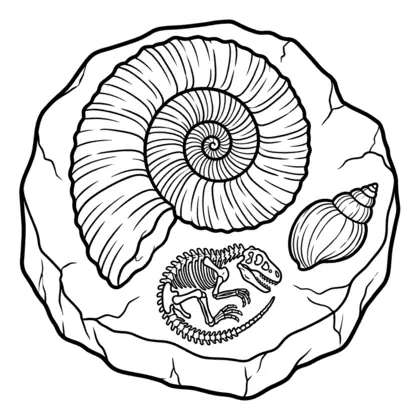
Children compare different rocks by how they look and feel, learn how fossils form over millions of years, and find out about soil.
Seasons
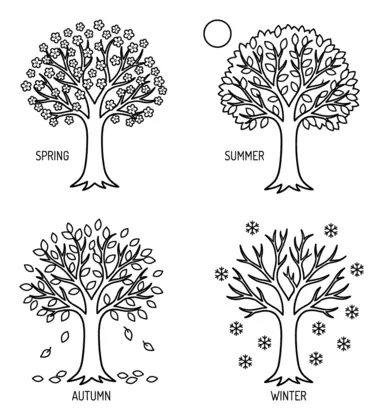
Children notice how the weather, trees and day length change through spring, summer, autumn and winter.
Sound
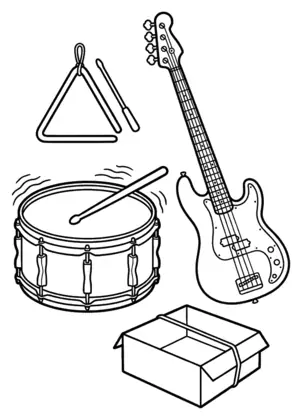
Children learn that sounds are made by vibrations that travel to the ear, and how pitch and volume link to the object making the sound.
States of matter
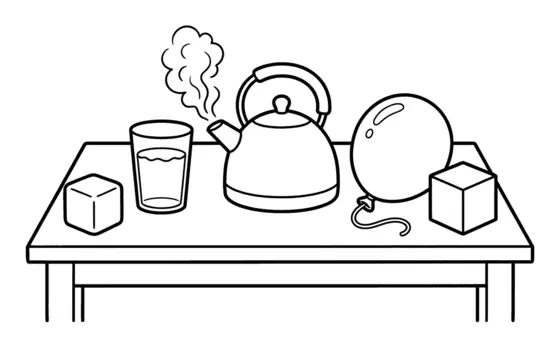
Children sort materials into solids, liquids and gases and find out how heating and cooling can change a material from one state to another.
Teeth and digestion
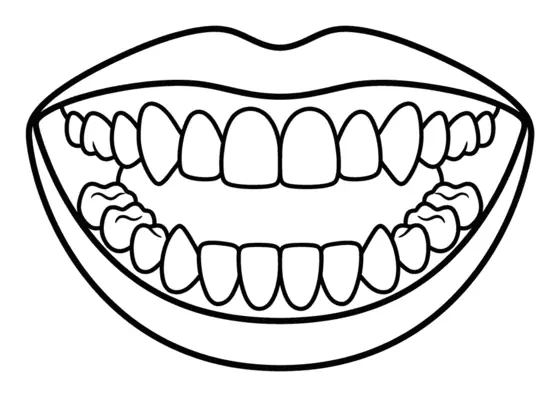
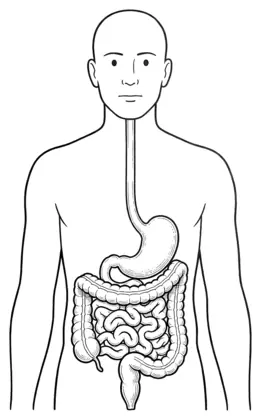
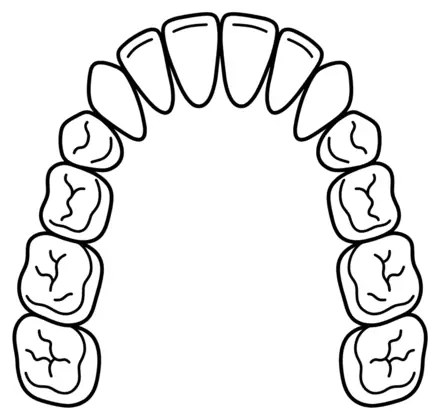
Children learn the different types of teeth and their jobs, and follow food through the digestive system from mouth to intestines.
Water cycle
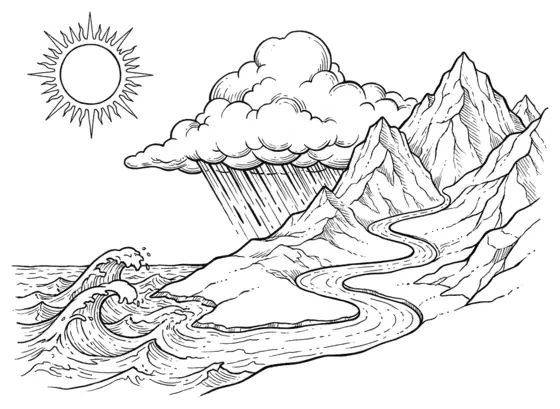
Children learn how evaporation and condensation move water between the sea, the sky and the land, and why water evaporates faster when it is warm.
Science topics by year
Year 1: plants, animals, everyday materials and seasonal changes. Year 2: living things and habitats, plants, animals including humans, and uses of materials. Year 3: plants, nutrition and skeletons, rocks, light, and forces and magnets. Year 4: classification, digestion and teeth, states of matter, sound and electricity. Year 5: life cycles, growing old, materials, Earth and space, and forces. Year 6: classification, the circulatory system, evolution, light and electricity.
Is science tested?
There is no national science test that every child sits in primary school. Teachers assess science through the year, including at the end of Year 6. That leaves room for curiosity: use the sheets alongside simple experiments at the kitchen table, a walk to look at trees and minibeasts, or questions at bedtime about the Moon. Asking 'what do you think will happen?' is a good habit to build.
Questions parents ask
Which science sheets suit my child's year?
Start with your child's school year page. Science is set year by year, so the year pages match closely. Topics such as plants, animals and light come back more than once, each time in more depth, so a sheet from the year before can be a useful warm-up.
What does working scientifically mean?
It is the part of the curriculum about how science is done: asking questions, observing closely, doing simple tests, sorting and grouping, and recording results. It runs through every year alongside the topics and becomes more precise as children get older.
Are the science sheets free for home educators?
Yes. They are free for anyone to print, including home educators, tutors and teachers, with no sign-up or email. The topics follow the national curriculum year by year, which can help with planning.
Educational quiz app · Ages 5-10
More learning in the Owee app
Owee turns topics like this into quizzes for children aged 5 to 10, and a treehouse grows as they learn. No ads, no chat, no strangers.
- Family-friendly
- No ads
- Private
Educational quiz app · Ages 5-10
More learning in the Owee app
Owee turns topics like this into quizzes for children aged 5 to 10, and a treehouse grows as they learn. No ads, no chat, no strangers.
Scan with your phone camera
- Family-friendly
- No ads
- Private