Educational quiz app · Ages 5-10
This is what learning looks like


Educational quiz app · Ages 5-10
This is what learning looks like
No nagging required. Keep the learning going after the worksheet, with every question read aloud and Owee guiding each step.
Scan with your phone camera
- Family-friendly
- No ads
- Private
Science · Colouring and labelling worksheet
Parts of a Circuit Worksheet (Free KS2 Science Printable)
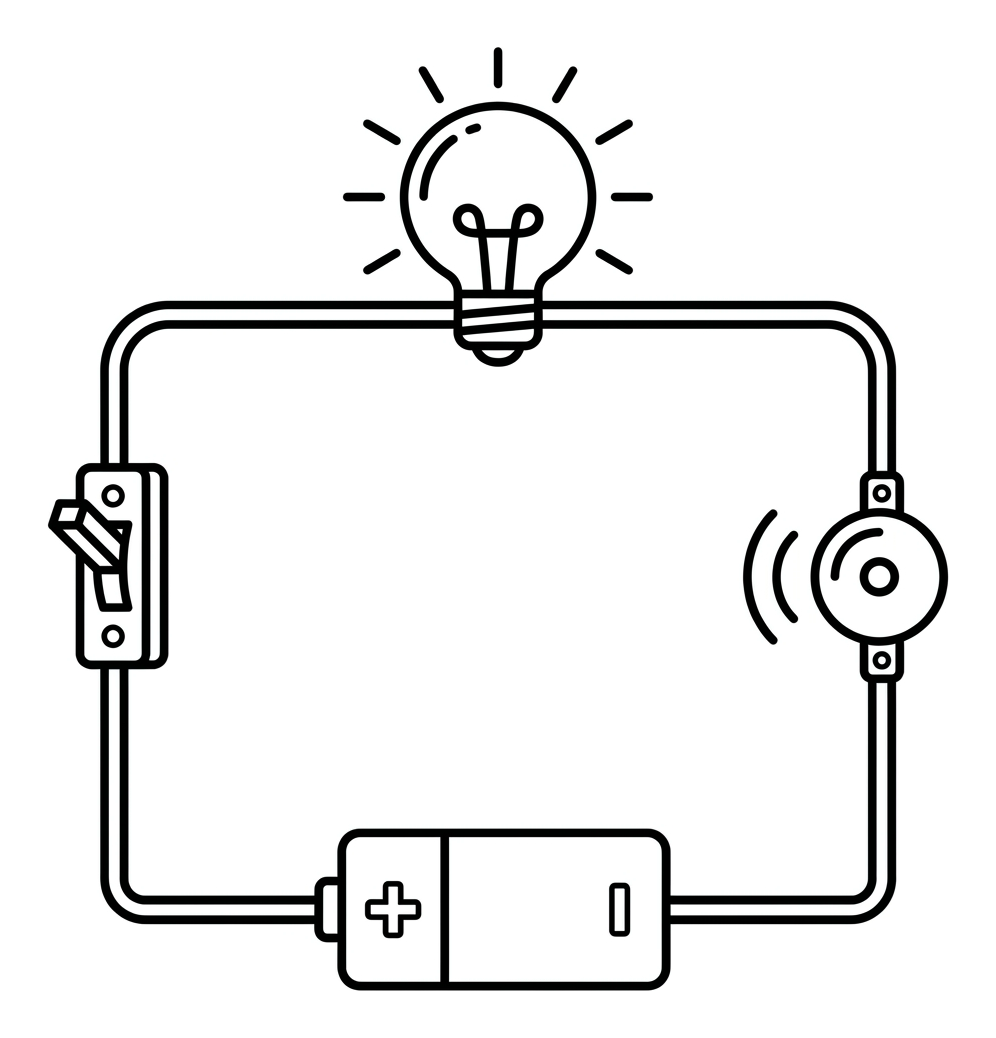
This free printable helps children in Years 5 and 6 recognise and name the basic parts of a simple series circuit: the cell (or battery), the wires, the bulb, the switch and the buzzer. The single line drawing shows one complete loop. Children colour each component, label the five numbered parts from a word bank, then explain what happens when the loop is broken.
The worksheet reinforces a key idea from the electricity topic: a bulb only lights when it is part of a complete, unbroken loop. It works well as a starter, a homework task, or a quick recap before or after practical circuit-building with real components.
What your child is learning
‘construct a simple series electrical circuit, identifying and naming its basic parts, including cells, wires, bulbs, switches and buzzers’
Year 4 Science: Electricity, National Curriculum in England. Source and licence
Parts of a Circuit
Free Science worksheet · Ages 8 to 9
Activity 1
Colour each part of the circuit in a different colour.
Activity 2
Write the name of each numbered part on its line. Use the word bank.
- 1
- 2
- 3
- 4
- 5
Activity 3
Answer in full sentences.
Why will the bulb not light if the switch is open?
One wire comes off the cell. What happens to the bulb and the buzzer? Why?
 Parts of a CircuitSheet 151
Answers: Parts of a Circuit
Sheet 151
- 1. bulb
- 2. wire
- 3. switch
- 4. buzzer
- 5. cell (or battery)
- Why will the bulb not light if the switch is open? — An open switch makes a gap in the loop, so the circuit is not complete and electricity cannot flow around it.
- One wire comes off the cell. What happens to the bulb and the buzzer? Why? — The bulb goes out and the buzzer stops, because the loop is broken and electricity cannot flow all the way around.
For grown-ups. Free worksheets and the Owee quiz app at owee.world
Answer key
- 1. bulb
- 2. wire
- 3. switch
- 4. buzzer
- 5. cell (or battery)
- Why will the bulb not light if the switch is open? — An open switch makes a gap in the loop, so the circuit is not complete and electricity cannot flow around it.
- One wire comes off the cell. What happens to the bulb and the buzzer? Why? — The bulb goes out and the buzzer stops, because the loop is broken and electricity cannot flow all the way around.
What children should know about simple circuits
In the Year 4 electricity unit, children are expected to construct a simple series circuit and identify its basic parts. A simple series circuit has just one loop: electricity flows from the cell, around the wires, and through any components such as a bulb or a buzzer, before returning to the cell. The components sit one after another along the single path. This worksheet focuses on naming those parts accurately, which gives children the shared vocabulary they need before they explain how circuits behave.
Why a bulb only lights in a complete loop
A bulb lights only when it is part of a complete, unbroken loop that includes a cell. If there is a gap anywhere in the loop, the bulb will not light. A switch is simply a controlled gap: when it is closed it completes the loop and the bulb glows; when it is open it breaks the loop and the bulb goes out. Encouraging children to trace the loop with a finger, checking that it returns all the way to the cell, helps them spot why a circuit does or does not work.
The difference between a cell and a battery
In everyday speech the words are used interchangeably, but in science they have distinct meanings. A single unit is a cell; two or more cells joined together form a battery. The curriculum lists 'cells', and being precise here helps avoid a common misconception later. When you build real circuits, point out that adding a second cell can make a bulb shine more brightly, while a buzzer will sound louder, which gently introduces the idea of voltage without needing the term.
How to use this sheet at home or in class
Print the worksheet on one side of A4. Children first colour the components, then use the word bank to label the five numbered parts and answer two short questions about a broken loop. For the best learning, pair the sheet with real equipment: cells, wires with crocodile clips, a bulb in a holder, a switch and a buzzer. Ask children to build the loop, predict what will happen when the switch is open, and then test it. Drawing what they built and comparing it with the printable links the practical work to the correct scientific names.
Frequently asked questions
What are the basic parts of a simple circuit?
The basic parts named in the KS2 curriculum are cells (or a battery), wires, bulbs, switches and buzzers. In a simple series circuit these are joined in a single loop so that electricity can flow all the way around from the cell and back again.
What is the difference between a cell and a battery?
A cell is a single unit that stores energy, while a battery is two or more cells joined together. In conversation people often say 'battery' for both, but in science it is helpful to keep the words separate, as the curriculum lists 'cells'.
Why does a bulb only light when the circuit is complete?
A bulb lights only when it is part of an unbroken loop that includes a cell. If there is a gap anywhere in the loop, including an open switch, electricity cannot flow all the way around and the bulb will not light.
What does a switch do in a circuit?
A switch is a controlled gap in the loop. When it is closed it completes the circuit and the bulb lights or the buzzer sounds; when it is open it breaks the loop and the component stops working.
What age or year group is this circuits worksheet for?
It suits children roughly aged 9 to 11. Naming the basic parts of a circuit is a lower KS2 objective (Year 4), so it works as fresh teaching for Year 4 and as a useful recap for Years 5 and 6.
Curriculum links
- Year 4 Science: Electricity (statutory): 'construct a simple series electrical circuit, identifying and naming its basic parts, including cells, wires, bulbs, switches and buzzers'
- Year 4 Science, Electricity: 'recognise that a switch opens and closes a circuit and associate this with whether or not a lamp lights in a simple series circuit'
- Year 4 Science, Electricity: 'identify whether or not a lamp will light in a simple series circuit, based on whether or not the lamp is part of a complete loop with a battery'
Quoted word for word from Department for Education documents: the National Curriculum in England, the EYFS framework or the RSHE guidance. Contains public sector information licensed under the Open Government Licence v3.0.
Made by The Owee education team. Updated 13/10/2026. Free to print and share.
More science worksheets
All Year 4 Science worksheets →
Years 3–4 · Teeth and digestionSheet 157
Animal Teeth and What They Eat
Years 3–4 · Food chainsSheet 152
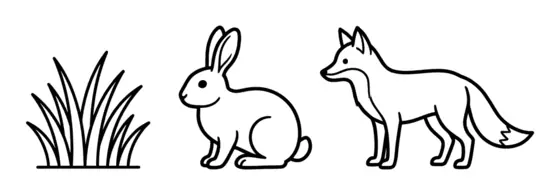
Build a Food Chain: Label and Colour
Years 3–4 · Food chainsSheet 153
Build a Food Chain: Label and True or False
Years 5–6 · Earth and spaceSheet 170
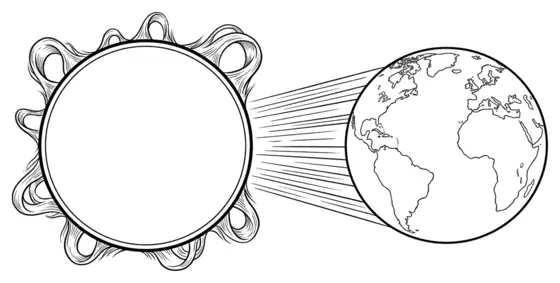
Day and Night on Earth
Years 5–6 · Living things and habitatsSheet 183
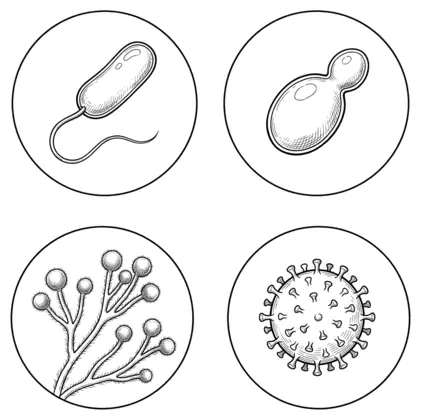
Helpful and Harmful Microbes
Years 3–4 · Rocks and fossilsSheet 120
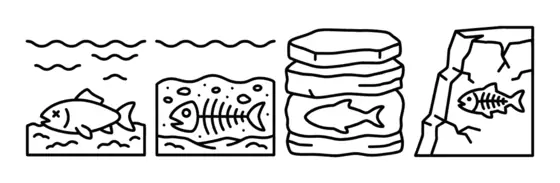
How a Fossil Is Made
Educational quiz app · Ages 5-10
More learning in the Owee app
Owee turns topics like this into quizzes for children aged 5 to 10, and a treehouse grows as they learn. No ads, no chat, no strangers.
- Family-friendly
- No ads
- Private
Educational quiz app · Ages 5-10
More learning in the Owee app
Owee turns topics like this into quizzes for children aged 5 to 10, and a treehouse grows as they learn. No ads, no chat, no strangers.
Scan with your phone camera
- Family-friendly
- No ads
- Private