Educational quiz app · Ages 5-10
This is what learning looks like


Educational quiz app · Ages 5-10
This is what learning looks like
No nagging required. Keep the learning going after the worksheet, with every question read aloud and Owee guiding each step.
Scan with your phone camera
- Family-friendly
- No ads
- Private
Science · Labelling and tick worksheet
Build a Food Chain Worksheet (Free KS2 Science Printable)
A food chain shows how energy passes from one living thing to the next as one organism is eaten by another. This free printable worksheet gives Year 4 children a clear, hands-on way to build and read a simple grass → rabbit → fox chain and to use the correct scientific vocabulary along the way.
Designed to print neatly onto a single A4 page, the sheet combines a colour-in illustration with labelling and tick tasks. It works for classroom science lessons, homework or a quiet bit of learning at home, and it keeps the focus on the three words the Year 4 curriculum names: the producer, the predator and the prey.
What your child is learning
‘construct and interpret a variety of food chains, identifying producers, predators and prey’
Year 4 Science: Animals, including humans, National Curriculum in England. Source and licence
Build a Food Chain: Label and True or False
Free Science worksheet · Ages 8 to 9
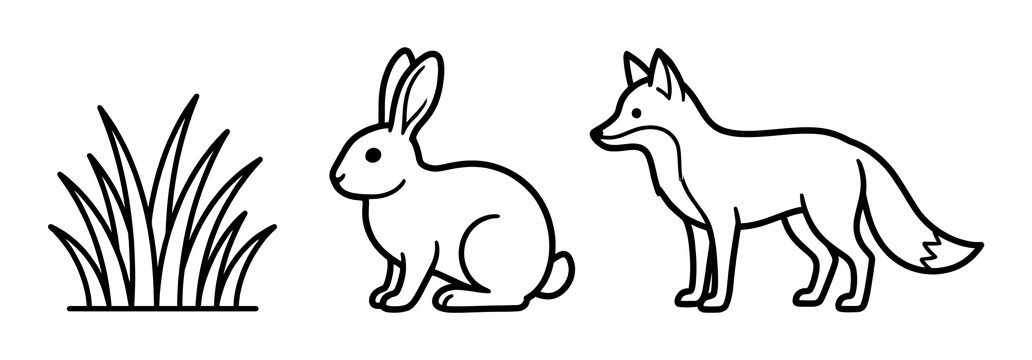
Label the food chain
Look at the three living things in the picture, from left to right. Finish each sentence with producer, prey or predator. Use the word bank to help you.
The grass at the start of the chain is the...
The rabbit, which is eaten by the fox, is the...
The fox, which hunts and eats the rabbit, is the...
Write the food chain using arrows. Remember each arrow means 'is eaten by'.
True or false
Tick the boxes next to the sentences that are correct. Leave the wrong ones blank.
- A food chain always begins with a producer such as a plant.
- An arrow in a food chain means 'is eaten by'.
- The grass makes its own food using sunlight.
- The fox is eaten by the rabbit.
- The rabbit is the prey of the fox.
 Build a Food Chain: Label and True or FalseSheet 153
Answers: Build a Food Chain: Label and True or False
Sheet 153
- The grass at the start of the chain is the... — producer
- The rabbit, which is eaten by the fox, is the... — prey
- The fox, which hunts and eats the rabbit, is the... — predator
- Write the food chain using arrows. Remember each arrow means 'is eaten by'. — grass → rabbit → fox (the grass is eaten by the rabbit; the rabbit is eaten by the fox)
- A food chain always begins with a producer such as a plant. — Tick (true)
- An arrow in a food chain means 'is eaten by'. — Tick (true)
- The grass makes its own food using sunlight. — Tick (true)
- The fox is eaten by the rabbit. — No tick (false: the rabbit is eaten by the fox)
- The rabbit is the prey of the fox. — Tick (true)
For grown-ups. Free worksheets and the Owee quiz app at owee.world
Answer key
- The grass at the start of the chain is the... — producer
- The rabbit, which is eaten by the fox, is the... — prey
- The fox, which hunts and eats the rabbit, is the... — predator
- Write the food chain using arrows. Remember each arrow means 'is eaten by'. — grass → rabbit → fox (the grass is eaten by the rabbit; the rabbit is eaten by the fox)
- A food chain always begins with a producer such as a plant. — Tick (true)
- An arrow in a food chain means 'is eaten by'. — Tick (true)
- The grass makes its own food using sunlight. — Tick (true)
- The fox is eaten by the rabbit. — No tick (false: the rabbit is eaten by the fox)
- The rabbit is the prey of the fox. — Tick (true)
What is a food chain?
A food chain is a way of showing what eats what in a habitat. It always begins with a producer — a green plant such as grass that makes its own food using sunlight. The producer is eaten by a plant-eating animal, which in turn may be eaten by a meat-eating animal. Each arrow in a food chain points in the direction the energy travels and is read as 'is eaten by'. So 'grass → rabbit' means the grass is eaten by the rabbit, not the other way round. This small detail trips up a lot of children, so it is worth reading the arrows aloud together a few times.
Producers, predators and prey
By Year 4 children are expected to sort the parts of a food chain using three key words. A producer is the green plant at the start that captures energy from the Sun. A predator is an animal that hunts and eats other animals. Prey is the animal that gets eaten. In this short chain the rabbit is only prey, because it eats plants, and the fox is the predator. In a longer chain, such as grass → slug → frog → heron, the frog is both: it is a predator of the slug and prey for the heron. Talking through an example like this helps children see that the labels describe a relationship, not a fixed property of the animal.
Why arrows mean 'is eaten by'
The single most common misconception in this topic is reading the arrows backwards. The arrow follows the flow of energy and food, so it always points from the thing being eaten towards the thing doing the eating. Encourage your child to trace each arrow with a finger and say the full sentence: 'grass is eaten by the rabbit; the rabbit is eaten by the fox'. Reinforcing this verbal pattern makes interpreting unfamiliar food chains in tests far easier, because the child has a reliable rule rather than a guess.
How to use this worksheet
Children can colour the picture first, which gives less confident children a gentle way in and lets them look closely at each living thing. Then work through the labelling task, matching producer, predator and prey to the grass, rabbit and fox. Finish with the tick activity, which checks understanding of the arrow direction and the roles. For an extension, ask your child to name another food chain from a garden, pond or seashore, always starting with a plant. This links directly to the curriculum requirement to construct as well as interpret food chains.
Frequently asked questions
What is a food chain for KS2 children?
A food chain is a diagram that shows what eats what in a habitat. It starts with a producer (a green plant), then a plant-eating animal, then often a meat-eating animal. Each arrow is read as 'is eaten by' and shows how energy passes along the chain.
What is a producer, predator and prey?
A producer is the green plant at the start of a food chain that makes its own food from sunlight. A predator is an animal that hunts and eats other animals. Prey is the animal that gets eaten. An animal can be both predator and prey depending on its place in the chain.
Which way do the arrows point in a food chain?
Arrows always point in the direction that energy and food travel, which means they point from the thing being eaten towards the thing eating it. The arrow is read as 'is eaten by', so 'grass to rabbit' means the grass is eaten by the rabbit.
Is this food chain worksheet free to print?
Yes. This worksheet is completely free to download and print at home or in the classroom. It is designed to fit neatly onto one A4 page and includes a colour-in illustration alongside the labelling and tick tasks.
What age or year group is this worksheet for?
It is aimed at children aged 8 to 9, which is Year 4 in KS2. It matches the National Curriculum objective to construct and interpret simple food chains and to identify producers, predators and prey.
Curriculum links
- Year 4 Science: Animals, including humans (statutory): 'construct and interpret a variety of food chains, identifying producers, predators and prey'
- KS2 Science, working scientifically: 'identifying differences, similarities or changes related to simple scientific ideas and processes'
- KS2 Year 4 Science, Living things and their habitats: 'recognise that environments can change and that this can sometimes pose dangers to living things'
Quoted word for word from Department for Education documents: the National Curriculum in England, the EYFS framework or the RSHE guidance. Contains public sector information licensed under the Open Government Licence v3.0.
Made by The Owee education team. Updated 13/10/2026. Free to print and share.
More science worksheets
All Year 4 Science worksheets →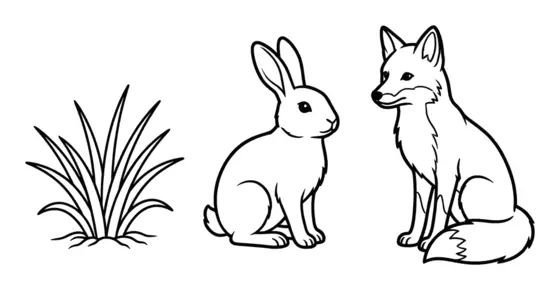
Years 3–4 · Food chainsSheet 152
Build a Food Chain: Label and Colour
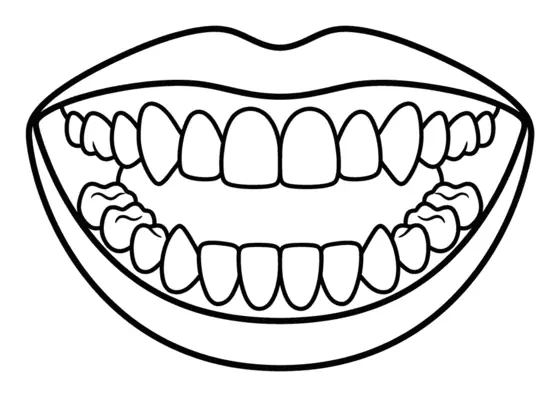
Years 3–4 · Teeth and digestionSheet 157
Animal Teeth and What They Eat
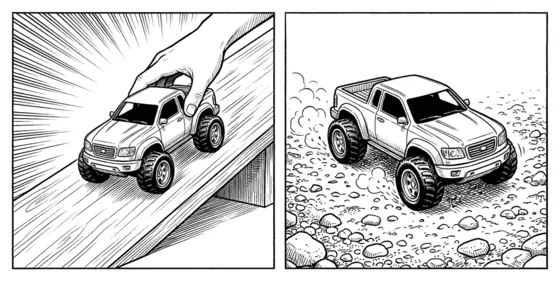
Years 3–5 · Forces and magnetsSheet 175
Forces and Friction
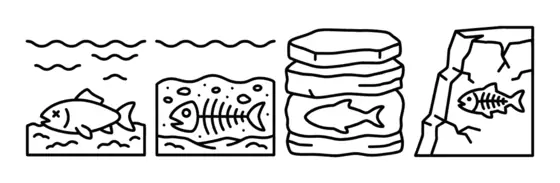
Years 3–4 · Rocks and fossilsSheet 120
How a Fossil Is Made
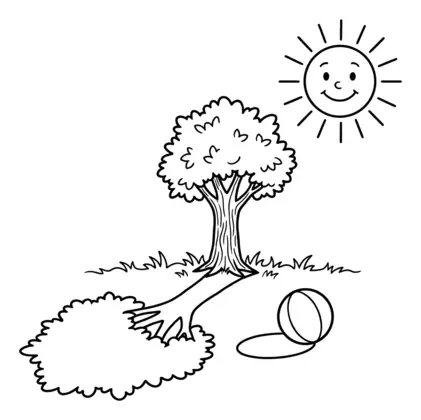
Years 3–4 · LightSheet 118
How Shadows Are Made

Years 3–5 · PlantsSheet 119
Inside a Flower
Educational quiz app · Ages 5-10
More learning in the Owee app
Owee turns topics like this into quizzes for children aged 5 to 10, and a treehouse grows as they learn. No ads, no chat, no strangers.
- Family-friendly
- No ads
- Private
Educational quiz app · Ages 5-10
More learning in the Owee app
Owee turns topics like this into quizzes for children aged 5 to 10, and a treehouse grows as they learn. No ads, no chat, no strangers.
Scan with your phone camera
- Family-friendly
- No ads
- Private