Educational quiz app · Ages 5-10
This is what learning looks like


Educational quiz app · Ages 5-10
This is what learning looks like
No nagging required. Keep the learning going after the worksheet, with every question read aloud and Owee guiding each step.
Scan with your phone camera
- Family-friendly
- No ads
- Private
Science · Sorting and tick worksheet
Living, Dead or Never Alive? Free KS1 Science Worksheet
This free printable worksheet supports the Year 2 science topic Living things and their habitats, in which children explore and compare the differences between things that are living, things that are dead, and things that have never been alive. The page shows six everyday items to sort, colour and discuss together.
It is designed to print neatly onto a single sheet of A4. Children tick the things that are alive now or were once alive, colour the pictures in three groups (living, dead and never alive), and write a short reason for one tricky example. The activities work well as a quick assessment, a guided group task or a calm colouring-and-thinking activity at home.
What your child is learning
‘explore and compare the differences between things that are living, dead, and things that have never been alive’
Year 2 Science: Living things and their habitats, National Curriculum in England. Source and licence
Living, Dead or Never Alive?
Free Science worksheet · Ages 5 to 7
Alive now, or once alive?
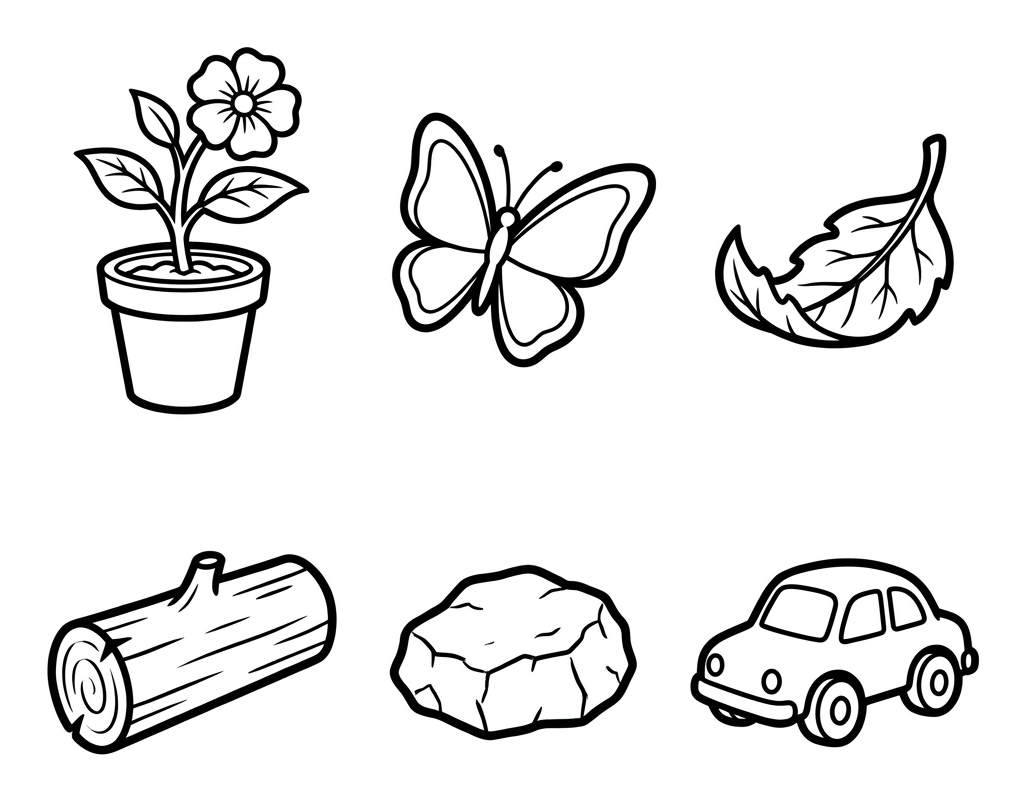
Look at each picture. Tick the things that are alive now or were once alive. Leave the box empty if it has never been alive.
- the flowering plant
- the butterfly
- the dry leaf
- the cut log
- the rock
- the toy car
Colour by group
Now sort the pictures by colouring them.
- Colour the things that are living now in bright colours.
- Colour the things that are dead (once alive) in browns.
- Colour the things that have never been alive in greys.
Explain your thinking
Write one short sentence to answer the question. Use the word bank to help you.
Why is the dry leaf dead and not never alive?
 Living, Dead or Never Alive?Sheet 85
Answers: Living, Dead or Never Alive?
Sheet 85
- the flowering plant — Tick (living)
- the butterfly — Tick (living)
- the dry leaf — Tick (dead: it grew on a tree)
- the cut log — Tick (dead: it was part of a tree)
- the rock — No tick (never alive)
- the toy car — No tick (never alive)
- Why is the dry leaf dead and not never alive? — The leaf is dead because it grew on a living tree, so it was once alive.
For grown-ups. Free worksheets and the Owee quiz app at owee.world
Answer key
- the flowering plant — Tick (living)
- the butterfly — Tick (living)
- the dry leaf — Tick (dead: it grew on a tree)
- the cut log — Tick (dead: it was part of a tree)
- the rock — No tick (never alive)
- the toy car — No tick (never alive)
- Why is the dry leaf dead and not never alive? — The leaf is dead because it grew on a living tree, so it was once alive.
What this worksheet teaches
The aim is for children to recognise that some things are living, some were once living but are now dead, and some have never been alive. This sounds straightforward to an adult, but it is a demanding idea for a five to seven year old. Young children often assume that anything that moves is alive (a car, a river) and that anything still is not alive (a sleeping animal, a seed, a tree). This worksheet uses six carefully chosen items – a plant, a butterfly, a dry leaf, a cut log, a rock and a toy car – so that children meet all three categories and can compare them directly. Sorting them and giving a reason is what moves children from naming to genuine understanding.
The seven life processes, explained simply
Scientists decide whether something is living by checking whether it can do the seven life processes, sometimes remembered with the word MRS GREN: Movement, Respiration, Sensitivity, Growth, Reproduction, Excretion and Nutrition. At KS1 children are not expected to know all seven by name, but the idea sits behind the topic. A useful, age-appropriate shortcut is to ask: does it grow, does it need food or water, can it have babies or make seeds, and does it sense the world around it? A plant ticks these boxes; a rock and a toy car never could. A dead leaf or a cut log is the interesting middle case: it cannot do these things now, but it once did, because it grew on a living tree.
Common misconceptions to watch for
Two misconceptions come up again and again. The first is the ‘moving means alive’ idea: children frequently classify a toy car, the wind or running water as living because they move. Gently steer the conversation back to growing, feeding and reproducing rather than movement alone. The second is confusing ‘dead’ with ‘never alive’. A dead leaf and a rock are both still and silent, so children lump them together. The key question to ask is, ‘Was it ever part of something living?’ A leaf grew on a tree, so it was once alive; a rock was never alive. Treating the cut log and the dry leaf as discussion points, rather than right-or-wrong answers, helps these distinctions land.
How to use this sheet at home or in class
Begin by naming each picture out loud together. Then work through the tick list, deciding as a pair which things are alive now or were once alive. The colouring task asks children to split the ticked things into two groups, living and dead, so listen for their reasons as they choose colours. The writing task asks for a reason about one tricky example – encourage a full sentence such as ‘A leaf is dead because it grew on a living tree.’ To extend the activity, take the idea outdoors: a quick hunt in a garden or park for one living thing, one dead thing and one never-alive thing makes the categories real and memorable. The worksheet pairs naturally with later Year 2 work on habitats and food chains.
Frequently asked questions
What is the difference between living, dead and never alive for KS1?
A living thing can grow, feed, sense its surroundings and reproduce – like a plant, an animal or a person. A dead thing was once alive but no longer carries out these processes, such as a fallen leaf or a cut log. A never-alive thing has never been able to do any of these processes, such as a rock, a stone or a toy car. This worksheet helps Year 2 children compare all three.
Is a tree or a plant living?
Yes. A growing plant or tree is living because it grows, takes in water and nutrients, responds to light, and reproduces by making seeds. Children sometimes think plants are not alive because they do not move about like animals, so it is worth pointing out the things plants do that show they are living.
Why is a dead leaf not the same as a rock?
A dead leaf and a rock can look equally still, but a leaf was once part of a living tree, so it counts as dead, while a rock was never alive at all. The helpful question to ask a child is, 'Was it ever part of something living?' If the answer is yes, it is dead rather than never alive.
Is water or fire living?
No. Water and fire are not living, even though they can move and change. They cannot grow from young to old, feed, sense their surroundings or reproduce, so they fall into the never-alive group. This is a common point of confusion because young children often link movement with being alive.
What are the seven life processes for children?
The seven life processes are movement, respiration, sensitivity, growth, reproduction, excretion and nutrition, often remembered as MRS GREN. KS1 children are not expected to name all seven, but the simple version – does it grow, feed, sense things and have young or make seeds? – helps them decide whether something is living.
Curriculum links
- Year 2 Science: Living things and their habitats (statutory): 'explore and compare the differences between things that are living, dead, and things that have never been alive'
- Working Scientifically (Years 1 and 2): 'asking simple questions and recognising that they can be answered in different ways'
Quoted word for word from Department for Education documents: the National Curriculum in England, the EYFS framework or the RSHE guidance. Contains public sector information licensed under the Open Government Licence v3.0.
Made by The Owee education team. Updated 13/10/2026. Free to print and share.
More science worksheets
All Year 2 Science worksheets →
Years 5–6 · Living things and habitatsSheet 183
Helpful and Harmful Microbes
Years 3–4 · Living things and habitatsSheet 154
Make a Minibeast Classification Key
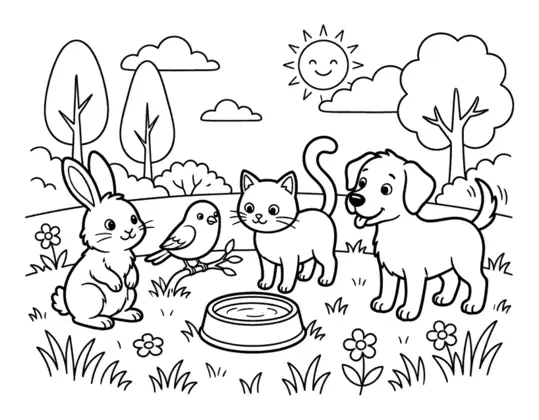
Years 1–2 · AnimalsSheet 79
Animals and Their Survival Needs
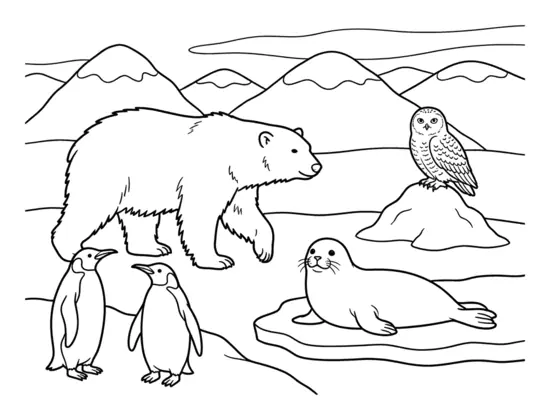
Years 1–2 · AnimalsSheet 27
Animals of the Frozen Poles
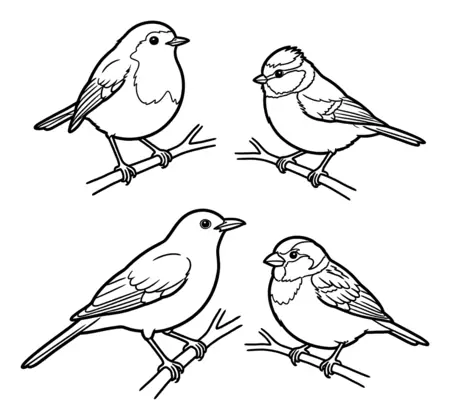
Years 1–2 · AnimalsSheet 28
British Garden Birds Spotting Sheet
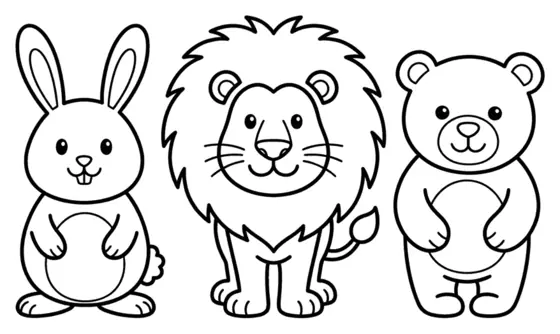
Years 1–2 · AnimalsSheet 29
Carnivore, Herbivore or Omnivore?
Educational quiz app · Ages 5-10
More learning in the Owee app
Owee turns topics like this into quizzes for children aged 5 to 10, and a treehouse grows as they learn. No ads, no chat, no strangers.
- Family-friendly
- No ads
- Private
Educational quiz app · Ages 5-10
More learning in the Owee app
Owee turns topics like this into quizzes for children aged 5 to 10, and a treehouse grows as they learn. No ads, no chat, no strangers.
Scan with your phone camera
- Family-friendly
- No ads
- Private