Educational quiz app · Ages 5-10
This is what learning looks like


Educational quiz app · Ages 5-10
This is what learning looks like
No nagging required. Keep the learning going after the worksheet, with every question read aloud and Owee guiding each step.
Scan with your phone camera
- Family-friendly
- No ads
- Private
Science · Colouring and writing worksheet
Free Four Seasons Worksheet for KS1 Science
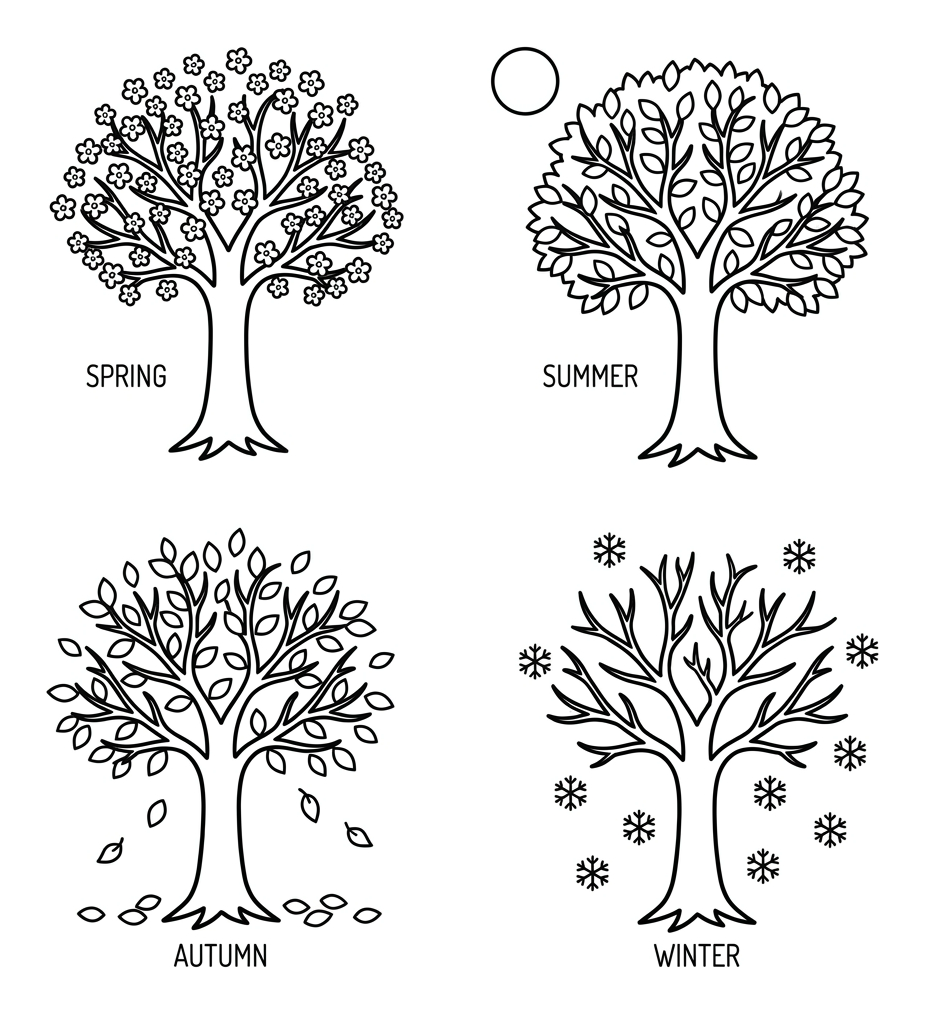
This free printable worksheet helps children in Years 1 and 2 explore how the world around them changes across the four seasons. The same tree is shown four times — in spring, summer, autumn and winter — so children can colour each one and notice how the leaves, blossom and weather change throughout the year.
It supports the Year 1 seasonal changes topic in the National Curriculum. Children colour the picture and then write a few words about the weather they would expect in each season, encouraging close observation and simple scientific description.
What your child is learning
‘observe changes across the 4 seasons’
Year 1 Science: Seasonal changes, National Curriculum in England. Source and licence

The Four Seasons
Free Science worksheet · Ages 5 to 7
Activity 1
Colour the four trees to show each season. Use these colours to help you.
- Colour the spring tree's blossom pink.
- Colour the summer tree's leaves dark green and the sun yellow.
- Colour the autumn tree's falling leaves orange, red and brown.
- Colour the winter tree's bare branches brown and the snowflakes light blue.
Activity 2
Write one or two words to describe the weather you might see in each season.
What is the weather like in spring?
What is the weather like in summer?
What is the weather like in autumn?
What is the weather like in winter?
 The Four SeasonsSheet 41
Answers: The Four Seasons
Sheet 41
- What is the weather like in spring? — Answers will vary, e.g. rainy, windy, mild.
- What is the weather like in summer? — Answers will vary, e.g. sunny, warm, hot.
- What is the weather like in autumn? — Answers will vary, e.g. windy, rainy, cooler.
- What is the weather like in winter? — Answers will vary, e.g. snowy, frosty, cold.
For grown-ups. Free worksheets and the Owee quiz app at owee.world
Answer key
- What is the weather like in spring? — Answers will vary, e.g. rainy, windy, mild.
- What is the weather like in summer? — Answers will vary, e.g. sunny, warm, hot.
- What is the weather like in autumn? — Answers will vary, e.g. windy, rainy, cooler.
- What is the weather like in winter? — Answers will vary, e.g. snowy, frosty, cold.
What this worksheet covers
This worksheet introduces the idea that the year is divided into four seasons — spring, summer, autumn and winter — and that each one brings predictable changes in nature and weather. By showing one familiar object (a tree) repeated across all four seasons, children can directly compare how it looks at different times of the year: bursting with blossom in spring, in full green leaf in summer, shedding golden leaves in autumn, and standing bare in winter. This concrete, side-by-side comparison is a simple way for five to seven year olds to grasp the cyclical nature of the seasons before moving on to more abstract ideas.
How to use it at home or in class
Start by talking about what each season feels like and what your child has noticed outdoors recently. Encourage them to colour each tree to match the season — pink or white for spring blossom, deep green for summer, oranges and browns for autumn, and bare brown branches for winter. Once the picture is coloured, use the writing task to describe the weather: sunshine and warmth in summer, frost and snow in winter, and so on. There are no single right answers for the weather words, so this is a good chance for discussion and for children to draw on their own experiences. Snow is less common than frost or rain in much of the UK, so 'cold', 'frosty' or 'rainy' are all good winter answers.
Linking the seasons to weather and day length
The Year 1 curriculum asks children to observe and describe the weather associated with each season, and to notice how the length of the day varies through the year. As you work through the sheet, you can extend the learning by talking about how summer days are long and light while winter days are short and dark, and how this affects what we wear and do. Keeping a simple weather chart over a week, or noticing how light it is at breakfast and bedtime, brings the worksheet to life and reinforces these ideas through real observation over time.
Building scientific observation skills
Beyond naming the seasons, this activity nurtures the working-scientifically skills that underpin all primary science: observing closely, comparing, describing and recording. Asking children why the autumn tree is losing its leaves, or what they think will happen to the bare winter tree in spring, encourages early reasoning. It is also worth knowing that some trees, such as holly and pine, keep their leaves all year, so not every tree looks like this one in winter. There are no wrong observations, so children gain confidence in noticing and talking about the natural world — a habit that supports later topics such as plants, animals and habitats.
Frequently asked questions
What are the four seasons in order?
The four seasons in order are spring, summer, autumn and winter. In the UK, spring runs roughly from March to May, summer from June to August, autumn from September to November, and winter from December to February. The cycle then repeats each year.
Is this four seasons worksheet free to print?
Yes. This worksheet is completely free to download and print. It is designed to fit neatly onto a single A4 page so you can print it at home or in the classroom with no special software needed.
What age is this seasons worksheet for?
It is aimed at children aged 5 to 7, covering Years 1 and 2 (KS1). It directly supports the Year 1 'seasonal changes' science topic, but it also works well for older or younger children as a gentle introduction or revision activity.
How do the seasons link to the KS1 curriculum?
In Year 1 science, children are expected to observe changes across the four seasons and to observe and describe the weather associated with each season, including how day length varies. This worksheet lets children record those observations through colouring and short writing.
How can I extend this activity?
You could keep a weekly weather diary, take photographs of a real tree or garden across the year, or sort clothing into the right seasons. Talking about why days are longer in summer and shorter in winter is another simple way to deepen understanding.
Curriculum links
- Year 1 Science: Seasonal changes (statutory): 'observe changes across the 4 seasons'
- Year 1 Science (Seasonal changes): 'observe and describe weather associated with the seasons and how day length varies'
- Working scientifically (KS1): 'observing closely, using simple equipment'
- Working scientifically (KS1): 'identifying and classifying'
- Working scientifically (KS1): 'gathering and recording data to help in answering questions'
Quoted word for word from Department for Education documents: the National Curriculum in England, the EYFS framework or the RSHE guidance. Contains public sector information licensed under the Open Government Licence v3.0.
Made by The Owee education team. Updated 13/10/2026. Free to print and share.
More science worksheets
All Year 1 Science worksheets →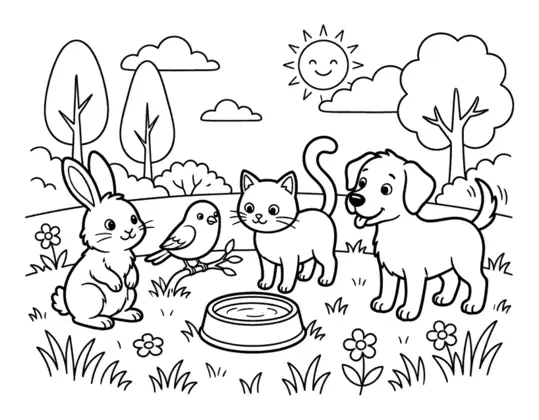
Years 1–2 · AnimalsSheet 79
Animals and Their Survival Needs
Years 1–2 · AnimalsSheet 27
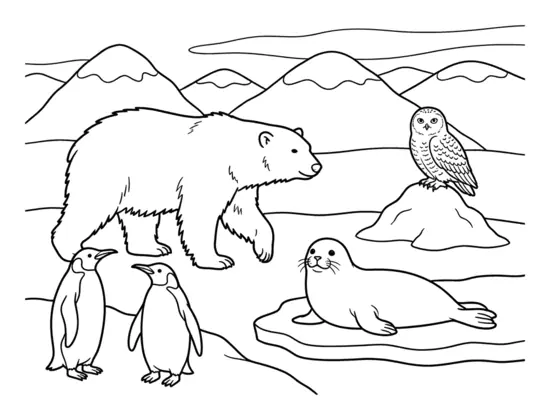
Animals of the Frozen Poles
Years 1–2 · AnimalsSheet 28
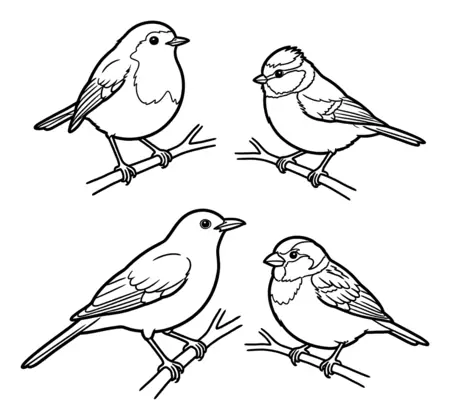
British Garden Birds Spotting Sheet
Years 1–2 · AnimalsSheet 29
Carnivore, Herbivore or Omnivore?
Years 1–2 · PlantsSheet 39
Deciduous and Evergreen Trees
Years 1–2 · PlantsSheet 86
How a Seed Grows
Educational quiz app · Ages 5-10
More learning in the Owee app
Owee turns topics like this into quizzes for children aged 5 to 10, and a treehouse grows as they learn. No ads, no chat, no strangers.
- Family-friendly
- No ads
- Private
Educational quiz app · Ages 5-10
More learning in the Owee app
Owee turns topics like this into quizzes for children aged 5 to 10, and a treehouse grows as they learn. No ads, no chat, no strangers.
Scan with your phone camera
- Family-friendly
- No ads
- Private