
Educational quiz app · Ages 5-10
This is what learning looks like


Educational quiz app · Ages 5-10
This is what learning looks like
No nagging required. Keep the learning going after the worksheet, with every question read aloud and Owee guiding each step.
Scan with your phone camera
- Family-friendly
- No ads
- Private
Free Year 5 science worksheets (age 9-10)
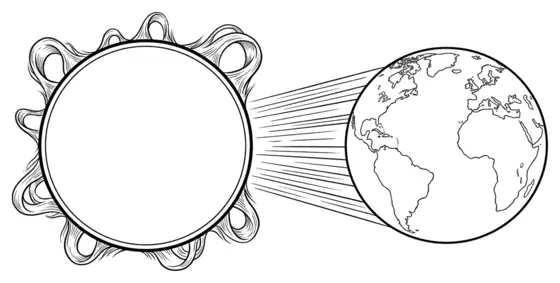
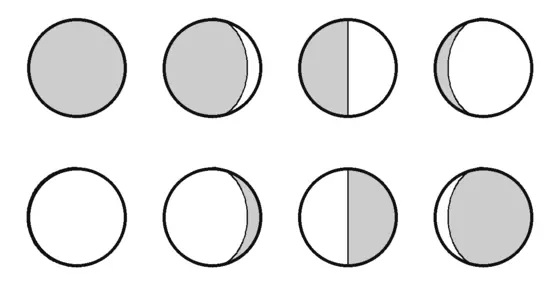
Year 5 science, for ages 9 to 10, covers five topics. In Earth and space, children describe how the Earth and other planets move around the Sun, how the Moon moves around the Earth, and why we have day and night. In forces, they learn about gravity, air and water resistance, and friction. They compare the life cycles of a mammal, an amphibian, an insect and a bird, study how humans change as they grow old, and look at how materials change.
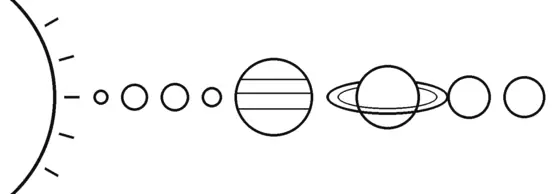
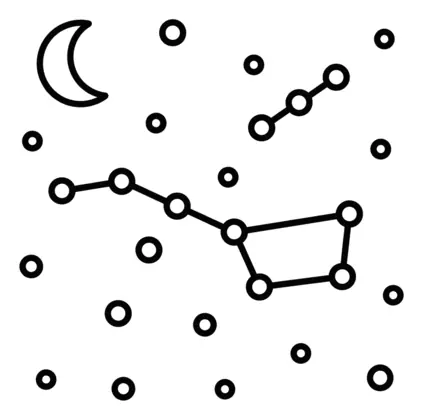
This page is strongest on Earth and space, with sheets on the order of the planets, the phases of the Moon and star patterns. Forces and friction, a frog life cycle and the parts of a flower follow, with a few Year 6 sheets on the heart, light and microbes.
In Northern Ireland, Year 5 is Primary 6, and in Scotland it is roughly Primary 6. Wales also uses Year 5.
Also known as: Scotland P6 · Northern Ireland P6 · Wales Year 5
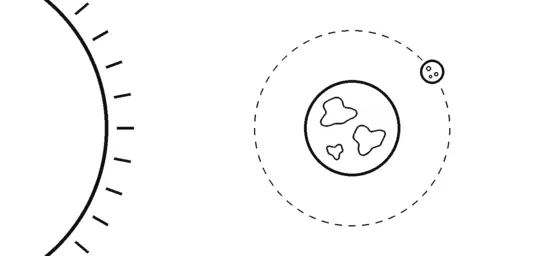
Earth and space
All earth and space worksheets →Children learn about the Sun, Earth and Moon, the planets of the solar system, and why we have day and night. Younger children often enjoy space as a class topic.
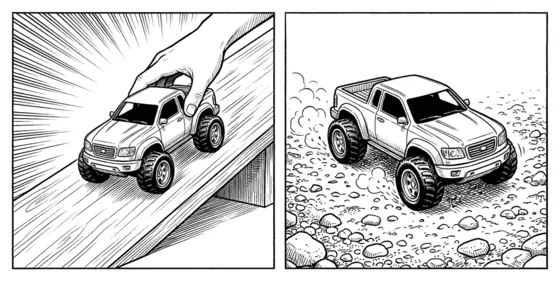
Forces and magnets
Children explore pushes and pulls, how things move on rough and smooth surfaces, friction, and which materials magnets attract.
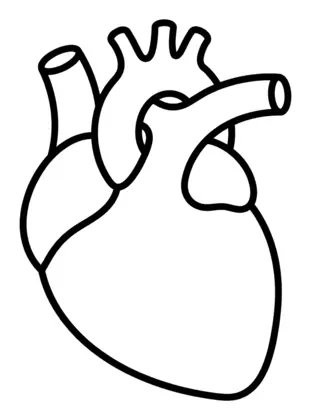
Human body
All human body worksheets →Children name the parts of the body and the five senses, learn how the skeleton and muscles support and move us, and in Year 6 how the heart and blood vessels work.
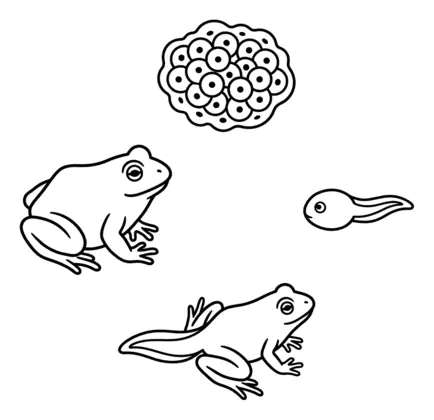
Life cycles
All life cycles worksheets →Children see how living things grow and change, from frogspawn to frog, caterpillar to butterfly and seed to flowering plant, and later compare life cycles of different animals.
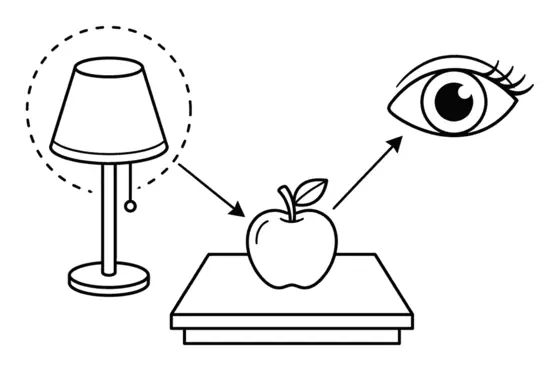
Light
Children learn that we need light to see, how shadows form when light is blocked, and in Year 6 that light travels in straight lines into our eyes.
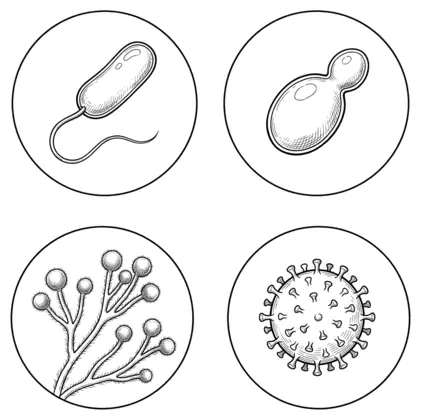
Living things and habitats
Children sort things into living, dead and never alive, explore where plants and animals live, and use classification keys to group and identify living things.
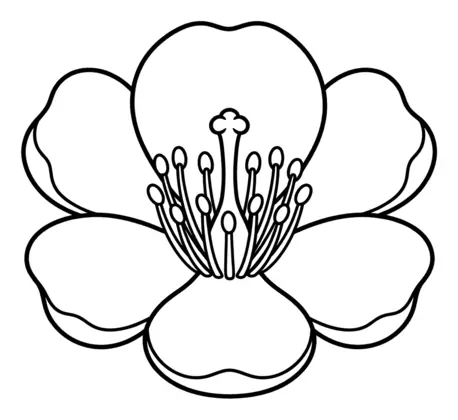
Plants
All plants worksheets →Children name common plants and trees and their parts, find out what plants need to grow, and in Year 3 learn what roots, stems, leaves and flowers each do.
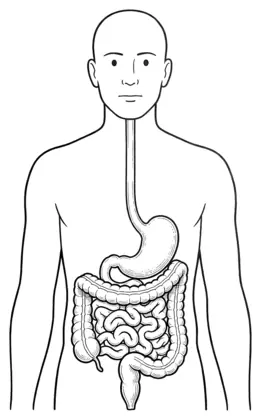
Teeth and digestion
Children learn the different types of teeth and their jobs, and follow food through the digestive system from mouth to intestines.
Thinking like a scientist
Upper Key Stage 2 science asks more of children's thinking. They plan their own enquiries, decide what to keep the same so a test is fair, take careful measurements and use results to make predictions. At home, turn a sheet into a question: does a toy car go further on carpet or wood? What could we change, and what must stay the same? Then try it and record the results.
Questions parents ask
How many planets are in the solar system?
Eight: Mercury, Venus, Earth, Mars, Jupiter, Saturn, Uranus and Neptune. Pluto was reclassified as a dwarf planet in 2006. Year 5 children also learn that the Sun is a star at the centre of the solar system.
Why are life cycles in Year 5 as well as Year 2?
Year 2 children notice that animals grow from young into adults. Year 5 goes further, comparing the life cycles of a mammal, an amphibian, an insect and a bird, and learning how some plants and animals reproduce.
Is there a science SATs test?
Science is not one of the SATs papers that all Year 6 children sit in May; teachers assess it through the year instead. Year 5 science still matters, because the Year 6 topics build directly on it.
Educational quiz app · Ages 5-10
More learning in the Owee app
Owee turns topics like this into quizzes for children aged 5 to 10, and a treehouse grows as they learn. No ads, no chat, no strangers.
- Family-friendly
- No ads
- Private
Educational quiz app · Ages 5-10
More learning in the Owee app
Owee turns topics like this into quizzes for children aged 5 to 10, and a treehouse grows as they learn. No ads, no chat, no strangers.
Scan with your phone camera
- Family-friendly
- No ads
- Private