Educational quiz app · Ages 5-10
This is what learning looks like


Educational quiz app · Ages 5-10
This is what learning looks like
No nagging required. Keep the learning going after the worksheet, with every question read aloud and Owee guiding each step.
Scan with your phone camera
- Family-friendly
- No ads
- Private
Science · Sorting and colouring worksheet
Animal Groups Worksheet (Free KS1 Science Printable)
This free printable worksheet introduces children aged 5 to 7 to the five main groups of common animals: fish, amphibians, reptiles, birds and mammals. It supports the Year 1 science topic Animals, including humans, where children begin to identify and name a variety of everyday creatures.
The sheet pairs a simple colouring picture with a short naming activity so children can practise recognising each group by sight. It prints cleanly onto one A4 page and works well at home, in the classroom or as a quick recap before a topic lesson.
What your child is learning
‘identify and name a variety of common animals including fish, amphibians, reptiles, birds and mammals’
Year 1 Science: Animals, including humans, National Curriculum in England. Source and licence
Sorting Animal Groups
Free Science worksheet · Ages 5 to 7
Activity 1
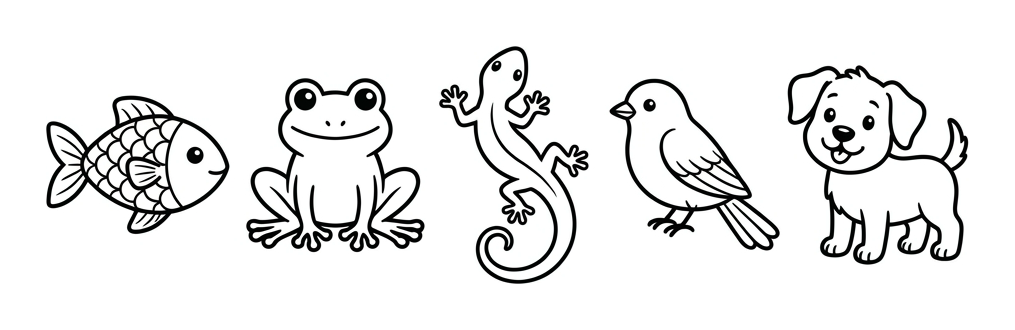
Colour the five animals. Say each animal's name out loud as you colour it.
- Colour the fish any colours you like.
- Colour the frog green.
- Colour the lizard and the bird however you like.
- Colour the dog brown, black or golden.
Activity 2
Read each clue. Finish the sentence with the animal's group. Use the word bank to help you.
The fish has fins and lives in water. It is in the ... group.
The frog lives in water and on land. It is in the ... group.
The lizard has dry, scaly skin. It is in the ... group.
The bird has feathers and wings. It is in the ... group.
The dog has fur and feeds its puppies milk. It is in the ... group.
 Sorting Animal GroupsSheet 31
Answers: Sorting Animal Groups
Sheet 31
- The fish has fins and lives in water. It is in the ... group. — fish
- The frog lives in water and on land. It is in the ... group. — amphibian
- The lizard has dry, scaly skin. It is in the ... group. — reptile
- The bird has feathers and wings. It is in the ... group. — bird
- The dog has fur and feeds its puppies milk. It is in the ... group. — mammal
For grown-ups. Free worksheets and the Owee quiz app at owee.world
Answer key
- The fish has fins and lives in water. It is in the ... group. — fish
- The frog lives in water and on land. It is in the ... group. — amphibian
- The lizard has dry, scaly skin. It is in the ... group. — reptile
- The bird has feathers and wings. It is in the ... group. — bird
- The dog has fur and feeds its puppies milk. It is in the ... group. — mammal
What your child will learn
By the end of this worksheet, children should be able to recognise and name five common animal groups and give a familiar example of each. In Year 1, the focus is on naming and sorting rather than explaining detailed body structures. Children look at everyday animals such as a fish, a frog, a lizard, a small garden bird and a dog, and learn to place each one into the correct group. The picture shows one animal for each group, so children can talk about the features they notice, such as fins, smooth skin, scales, feathers or fur, before they name the group.
How to use this worksheet
Print the sheet at A4 and let your child colour the five animals first, as this slows them down and encourages close looking. While they colour, ask gentle prompting questions such as "Does this animal have fur or feathers?" or "Where might it live?". Once the picture is coloured, move on to the writing activity, where children read a clue about each animal and finish the sentence with its group name. The word bank means children do not have to spell the group names from memory, which keeps the focus on sorting and recognition. For younger or less confident writers, you can read the words aloud and let them point or say the answer instead of writing.
Understanding the five groups
Each group has clear, child-friendly features that adults can highlight during the activity. Fish live in water and have fins and scales. Amphibians, such as frogs and newts, usually begin life in water and can live both in water and on land. Reptiles, such as lizards, snakes and tortoises, have dry, scaly skin. Birds have feathers, wings and a beak. Mammals, including humans, dogs and cats, usually have fur or hair and feed their young with milk. Watch for two common mix-ups: children often call whales and dolphins fish because they live in the sea, but they breathe air and feed their babies milk, so they are mammals; and a penguin cannot fly, but it has feathers, so it is a bird.
Extending the activity
To stretch the learning, ask children to think of one more animal for each group from their own experience, such as a pet, a garden visitor or a zoo animal. You could turn this into a sorting game using toy animals or picture cards, grouping them into five piles. A short walk in the garden or local park is also a good way to spot birds and minibeasts and talk about which group they belong to. Linking the worksheet to real animals children have seen makes the categories far more memorable than naming alone.
Frequently asked questions
What are the five animal groups taught in KS1?
In Key Stage 1, children learn five common groups of animals: fish, amphibians, reptiles, birds and mammals. The Year 1 curriculum asks children to identify and name a variety of common animals from each of these groups, and this worksheet covers all five with one familiar example each.
Is this animal groups worksheet free to print?
Yes. This worksheet is completely free to download and print. It is designed to fit on a single A4 page so you can print it at home or in the classroom with no special software or subscription.
What age is this worksheet for?
It is aimed at children aged 5 to 7, which covers Year 1 and Year 2 in England (Key Stage 1). The naming task uses a word bank, so it suits early writers, and it can also be used with older children as a quick recap of animal classification.
Are amphibians and reptiles the same thing?
No, they are different groups. Amphibians, such as frogs and newts, usually start life in water and have moist skin, while reptiles, such as lizards, snakes and tortoises, have dry, scaly skin. The worksheet shows a frog and a lizard side by side so children can compare them.
How can I help my child remember the animal groups?
Focus on one clear feature for each group: fins for fish, moist skin for amphibians, dry scales for reptiles, feathers for birds and fur or hair for mammals. Spotting real animals on a walk and sorting toy animals into five piles also makes the groups easier to remember.
Curriculum links
- Year 1 Science: Animals, including humans (statutory): 'identify and name a variety of common animals including fish, amphibians, reptiles, birds and mammals'
- Working scientifically (KS1): 'identifying and classifying'
Quoted word for word from Department for Education documents: the National Curriculum in England, the EYFS framework or the RSHE guidance. Contains public sector information licensed under the Open Government Licence v3.0.
Made by The Owee education team. Updated 13/10/2026. Free to print and share.
More science worksheets
All Year 1 Science worksheets →
Years 1–2 · AnimalsSheet 79
Animals and Their Survival Needs
Years 1–2 · AnimalsSheet 27
Animals of the Frozen Poles
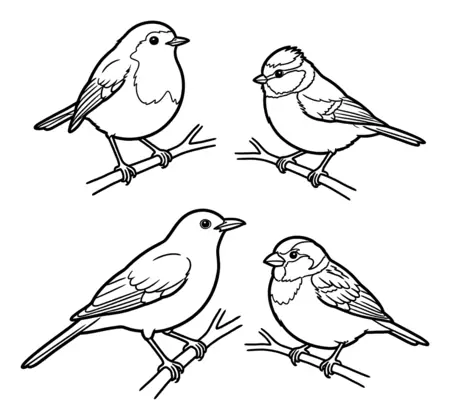
Years 1–2 · AnimalsSheet 28
British Garden Birds Spotting Sheet
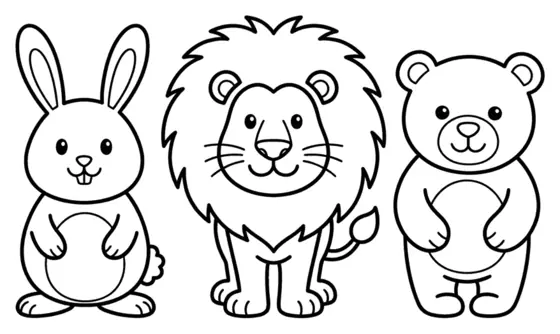
Years 1–2 · AnimalsSheet 29
Carnivore, Herbivore or Omnivore?
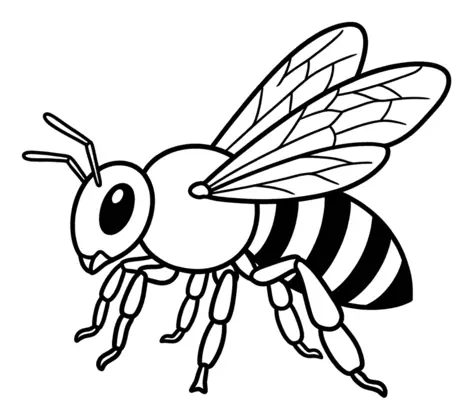
Years 1–2 · AnimalsSheet 30
Label the Parts of a Bee
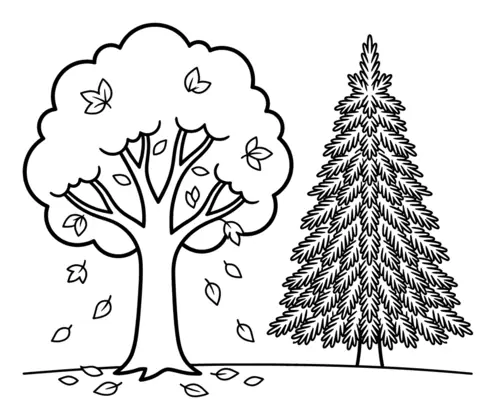
Years 1–2 · PlantsSheet 39
Deciduous and Evergreen Trees
Educational quiz app · Ages 5-10
More learning in the Owee app
Owee turns topics like this into quizzes for children aged 5 to 10, and a treehouse grows as they learn. No ads, no chat, no strangers.
- Family-friendly
- No ads
- Private
Educational quiz app · Ages 5-10
More learning in the Owee app
Owee turns topics like this into quizzes for children aged 5 to 10, and a treehouse grows as they learn. No ads, no chat, no strangers.
Scan with your phone camera
- Family-friendly
- No ads
- Private