
Educational quiz app · Ages 5-10
This is what learning looks like


Educational quiz app · Ages 5-10
This is what learning looks like
No nagging required. Keep the learning going after the worksheet, with every question read aloud and Owee guiding each step.
Scan with your phone camera
- Family-friendly
- No ads
- Private
Free life cycle worksheets
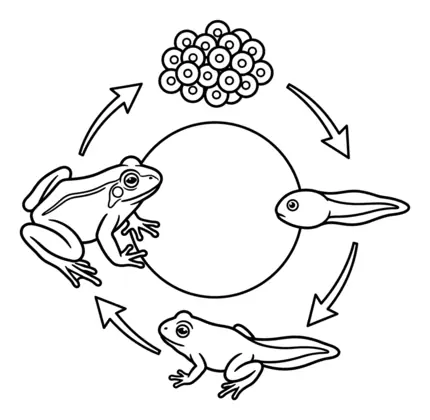
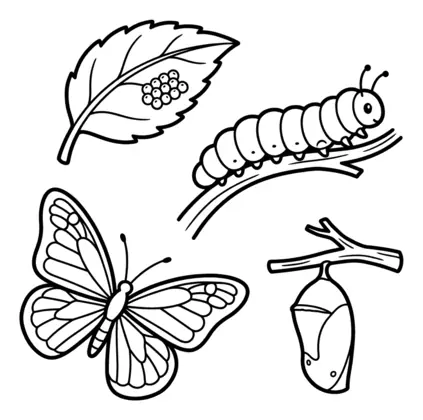
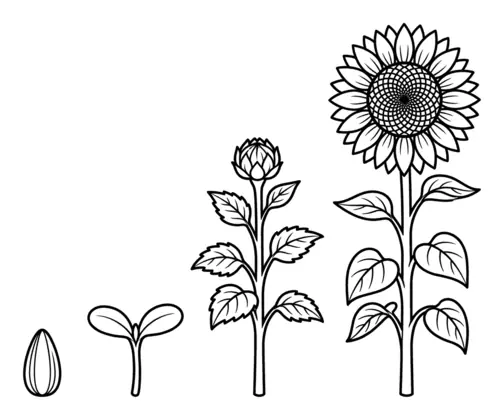
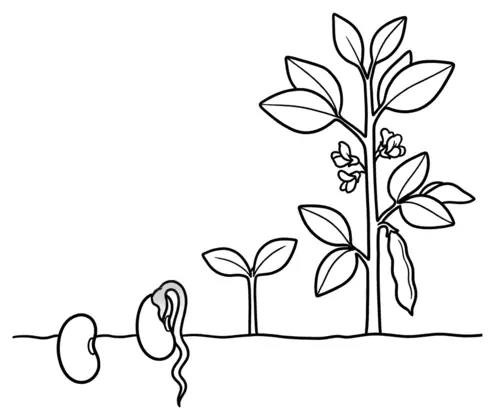
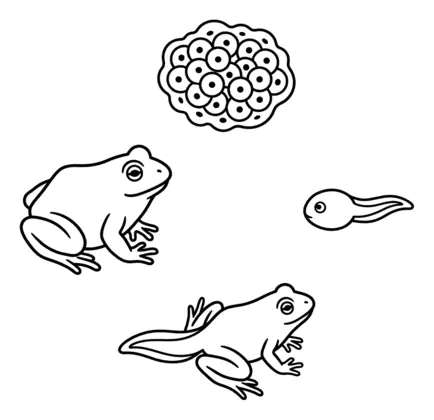
Life cycles appear at three points in primary science. In Year 2, children notice that animals have young that grow into adults; examples in the curriculum guidance include spawn, tadpole, frog and egg, caterpillar, pupa, butterfly. In Year 3, they explore how flowers lead to seeds through pollination, seed formation and dispersal. In Year 5, they compare the life cycles of a mammal, an amphibian, an insect and a bird, and learn how plants and animals reproduce.
These five sheets, for ages 5 to 10, cover a frog at two levels, a butterfly, a sunflower and a bean plant, with stages to name and colour.
Children see how living things grow and change, from frogspawn to frog, caterpillar to butterfly and seed to flowering plant, and later compare life cycles of different animals.
What changes between Year 2 and Year 5
In Year 2, the aim is to put the stages in order and talk about growth, without explaining reproduction. By Year 5, children compare whole life cycles and notice differences: a frog changes body shape completely through metamorphosis, while a young mammal looks like a small version of its parents. That is why there are two frog sheets, a simpler one for KS1 and a more detailed one for KS2.
Questions parents ask
What are the stages of a frog's life cycle?
Frogspawn (eggs), tadpole, froglet and adult frog. Tadpoles live in water and breathe with gills. As they grow, they develop legs, lose their tail and move onto land as froglets.
What is the difference between a pupa and a chrysalis?
A pupa is the resting stage between larva and adult in insects such as butterflies. A butterfly's pupa is called a chrysalis. Inside it, the caterpillar's body is rebuilt into a butterfly.
Are these life cycle sheets free?
Yes, every one. Print them, save them as PDFs or share them with your child's class, with no account needed. They go well with watching tadpoles in a pond or growing a sunflower.
Educational quiz app · Ages 5-10
More learning in the Owee app
Owee turns topics like this into quizzes for children aged 5 to 10, and a treehouse grows as they learn. No ads, no chat, no strangers.
- Family-friendly
- No ads
- Private
Educational quiz app · Ages 5-10
More learning in the Owee app
Owee turns topics like this into quizzes for children aged 5 to 10, and a treehouse grows as they learn. No ads, no chat, no strangers.
Scan with your phone camera
- Family-friendly
- No ads
- Private