Educational quiz app · Ages 5-10
This is what learning looks like


Educational quiz app · Ages 5-10
This is what learning looks like
No nagging required. Keep the learning going after the worksheet, with every question read aloud and Owee guiding each step.
Scan with your phone camera
- Family-friendly
- No ads
- Private
Science · Colouring and labelling worksheet
Life Cycle of a Butterfly: Free KS1 Science Worksheet
A butterfly changes completely as it grows, and watching that transformation is one of the most memorable ways for young children to meet the idea that animals have offspring which grow into adults. This free, printable worksheet gives children at Key Stage 1 a single A4 page to colour and complete at home or in the classroom.
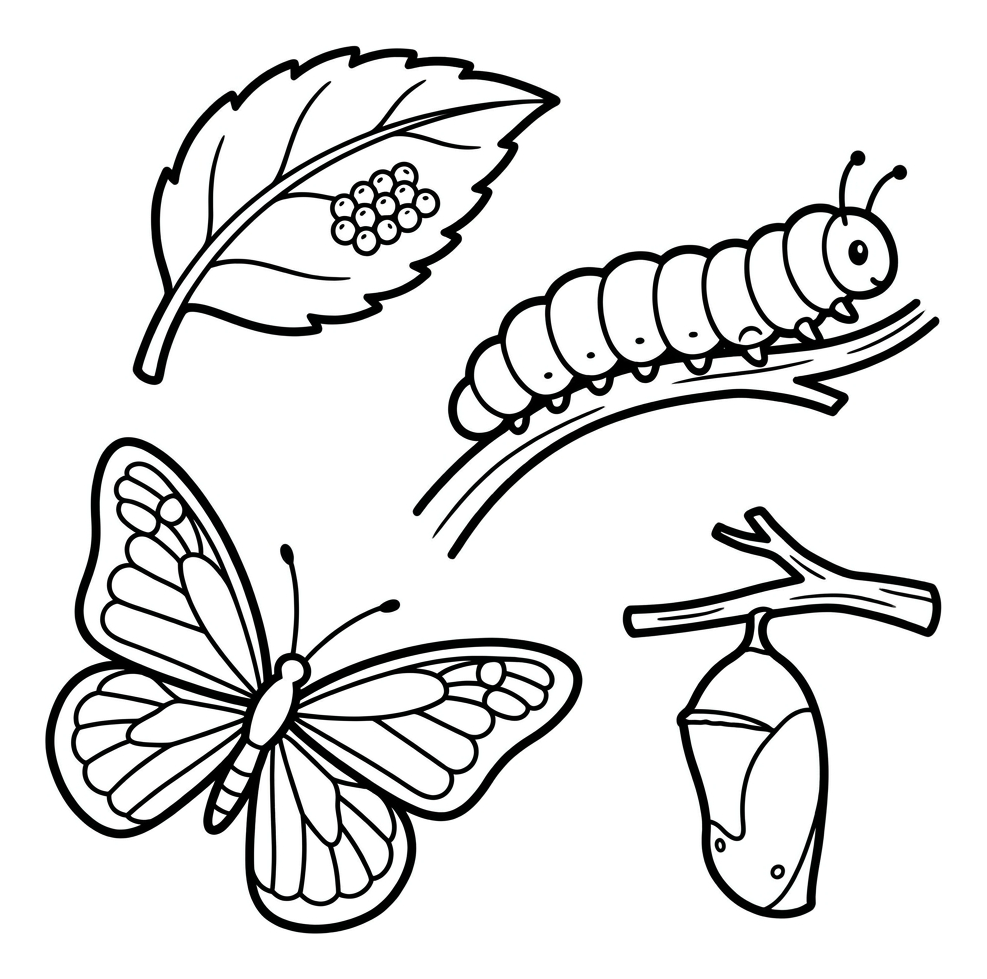
The picture shows the four stages of the life cycle — egg, caterpillar, chrysalis and butterfly — arranged clockwise, starting with the eggs at the top left, so children can follow how one stage leads to the next and back to the start. There is a colouring activity and a short naming task with a word bank to support early writers.
What your child is learning
‘notice that animals, including humans, have offspring which grow into adults’
Year 2 Science: Animals, including humans, National Curriculum in England. Source and licence
Life Cycle of a Butterfly
Free Science worksheet · Ages 5 to 7
Activity 1
Colour the four stages of the butterfly's life cycle. Use these colours.
- Colour the leaf and the caterpillar green.
- Colour the tiny eggs yellow.
- Colour the chrysalis brown.
- Colour the butterfly's wings any bright colours you like. Make both sides match.
Activity 2
Read each clue. Write the name of the stage on the line. Use the word bank to help you spell.
A butterfly lays this on a leaf. It is small and round.
This hatches from the egg, eats lots of leaves and grows bigger.
The caterpillar makes this hard case and changes inside it.
This comes out of the chrysalis and can fly.
 Life Cycle of a ButterflySheet 82
Answers: Life Cycle of a Butterfly
Sheet 82
- A butterfly lays this on a leaf. It is small and round. — egg
- This hatches from the egg, eats lots of leaves and grows bigger. — caterpillar
- The caterpillar makes this hard case and changes inside it. — chrysalis
- This comes out of the chrysalis and can fly. — butterfly
For grown-ups. Free worksheets and the Owee quiz app at owee.world
Answer key
- A butterfly lays this on a leaf. It is small and round. — egg
- This hatches from the egg, eats lots of leaves and grows bigger. — caterpillar
- The caterpillar makes this hard case and changes inside it. — chrysalis
- This comes out of the chrysalis and can fly. — butterfly
What is on the worksheet
The worksheet fits onto one A4 page so it is quick to print and easy to use. At the centre is a single clear line drawing showing the four life-cycle stages, arranged clockwise from the top left: a leaf with a cluster of tiny eggs, a caterpillar, a chrysalis hanging from a twig, and an open-winged butterfly.
There are two short activities. The first invites children to colour each stage, with a short list of colours to follow. The second asks them to write the name of each stage, using a word bank (egg, caterpillar, chrysalis, butterfly) so that children who are still building confidence with writing can take part too.
How to use it at home or in the classroom
Before children start, talk through the picture together and point to each stage in turn. Ask what they think happens next and let them trace the order clockwise with a finger, from the eggs round to the butterfly and back to the eggs. Children can also draw arrows between the pictures to show the cycle repeating.
Colouring first gives children time to look closely at each stage. As they colour, they often notice details such as the caterpillar's body segments and tiny legs, or the butterfly's matching wings. A common mix-up is to think the butterfly is a new animal that hatches from the chrysalis: it is the same animal, changed. Once the picture is coloured, move on to naming the stages, encouraging children to sound out the words and check them against the word bank. In a classroom, the sheet works well as a follow-up to observing real caterpillars or watching a short time-lapse video.
What your child will learn
Children will learn to name and sequence the four stages of a butterfly's life cycle and to understand that a butterfly looks very different at each stage while still being the same animal. This supports the wider Key Stage 1 idea that animals, including humans, have offspring which grow into adults.
The worksheet also builds early scientific skills: observing carefully, ordering events, and using the correct vocabulary. The word bank gives children practice in matching spoken words to written ones, linking science learning with early reading and writing.
A note for teachers
This sheet supports the Year 2 'Animals, including humans' objective on offspring growing into adults, and pairs naturally with work on life cycles and minibeasts. It can be used as a whole-class introduction, an independent task, or an assessment of whether children can sequence and name the stages.
For differentiation, more confident writers can cover the word bank and write the stage names from memory, while children who need more support can match cut-out word cards to each picture before writing. The single uncluttered illustration also makes it suitable for children with additional needs who benefit from clear, simple imagery.
Frequently asked questions
What is the life cycle of a butterfly for KS1?
At Key Stage 1, the butterfly life cycle is taught as four simple stages: egg, caterpillar (larva), chrysalis (pupa) and adult butterfly. A female butterfly lays eggs on a leaf, each egg hatches into a caterpillar that eats and grows, the caterpillar forms a chrysalis in which it changes, and finally an adult butterfly emerges. The adult can then lay eggs, so the cycle begins again.
What are the four stages of a butterfly's life cycle in order?
The four stages in order are egg, caterpillar, chrysalis and butterfly. This worksheet shows them arranged around a circle so children can see that the cycle repeats: the adult butterfly lays new eggs and the whole process starts over.
Is this worksheet free to download and print?
Yes. This worksheet is completely free to download, print and photocopy for use at home or in the classroom. It is designed to fit onto a single A4 page so it is quick and economical to print.
What age and key stage is this worksheet for?
It is written for children aged 5 to 7, which covers Key Stage 1 (Years 1 and 2). It links most closely to the Year 2 objective about animals having offspring that grow into adults, but younger children will enjoy the colouring and naming with a little adult support.
What is the difference between a chrysalis and a cocoon?
A chrysalis is the hard outer case of a butterfly pupa, formed from the caterpillar's own body. A cocoon is the silk casing that many moths spin around themselves before they pupate. For Key Stage 1 it is enough for children to know that the caterpillar forms a chrysalis and changes inside it before becoming a butterfly.
Curriculum links
- Year 2 Science: Animals, including humans (statutory): 'notice that animals, including humans, have offspring which grow into adults'
- KS1 Year 2 Science, Living things and their habitats: 'identify and name a variety of plants and animals in their habitats, including microhabitats'
Quoted word for word from Department for Education documents: the National Curriculum in England, the EYFS framework or the RSHE guidance. Contains public sector information licensed under the Open Government Licence v3.0.
Made by The Owee education team. Updated 13/10/2026. Free to print and share.
More science worksheets
All Year 2 Science worksheets →
Years 2–3 · Life cyclesSheet 117
Life Cycle of a Bean Plant
Years 4–5 · Life cyclesSheet 176
Life Cycle of a Frog
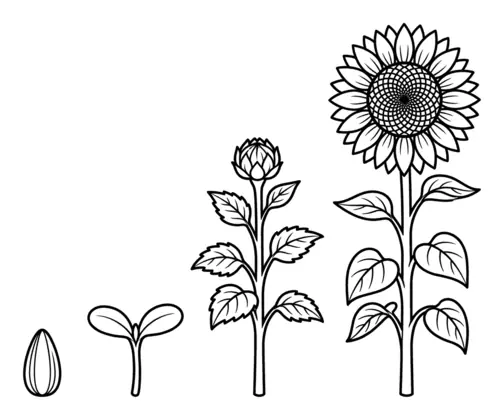
Years 1–2 · Life cyclesSheet 83
Life Cycle of a Sunflower
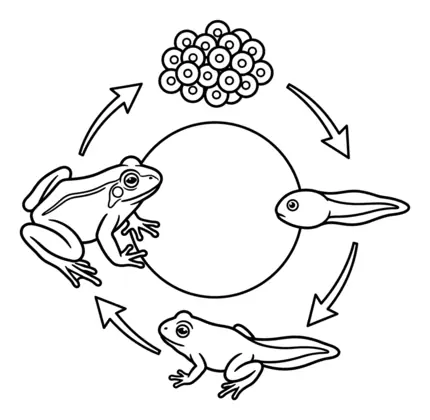
Years 1–2 · Life cyclesSheet 84
The Life Cycle of a Frog
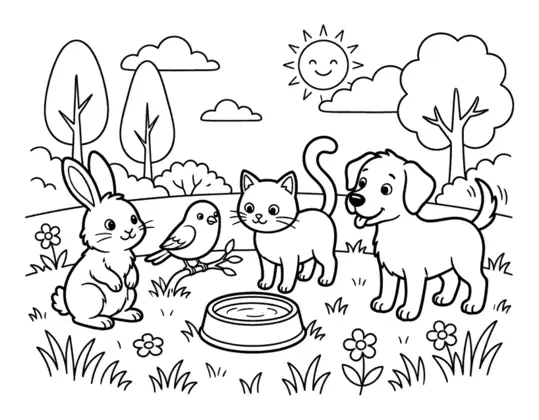
Years 1–2 · AnimalsSheet 79
Animals and Their Survival Needs
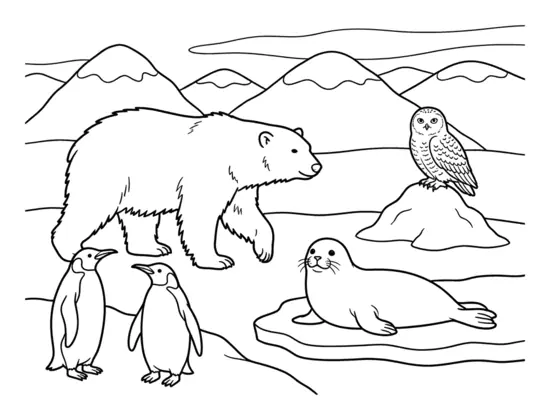
Years 1–2 · AnimalsSheet 27
Animals of the Frozen Poles
Educational quiz app · Ages 5-10
More learning in the Owee app
Owee turns topics like this into quizzes for children aged 5 to 10, and a treehouse grows as they learn. No ads, no chat, no strangers.
- Family-friendly
- No ads
- Private
Educational quiz app · Ages 5-10
More learning in the Owee app
Owee turns topics like this into quizzes for children aged 5 to 10, and a treehouse grows as they learn. No ads, no chat, no strangers.
Scan with your phone camera
- Family-friendly
- No ads
- Private