Educational quiz app · Ages 5-10
This is what learning looks like


Educational quiz app · Ages 5-10
This is what learning looks like
No nagging required. Keep the learning going after the worksheet, with every question read aloud and Owee guiding each step.
Scan with your phone camera
- Family-friendly
- No ads
- Private
Science · Colouring and labelling worksheet
Human Digestive System Worksheet (Free KS2 Science)
This free printable worksheet helps children in Year 4 learn the basic parts of the human digestive system and what each part does. Children colour a simple body outline showing the organs, then label the mouth, oesophagus, stomach, small intestine and large intestine using the word bank provided.
It is designed to print cleanly onto one A4 page and pairs well with classroom topic work or home learning. The activities reinforce the Year 4 expectation that children can name the basic parts of the digestive system and describe their simple functions.
What your child is learning
‘describe the simple functions of the basic parts of the digestive system in humans’
Year 4 Science: Animals, including humans, National Curriculum in England. Source and licence
The Human Digestive System
Free Science worksheet · Ages 8 to 9
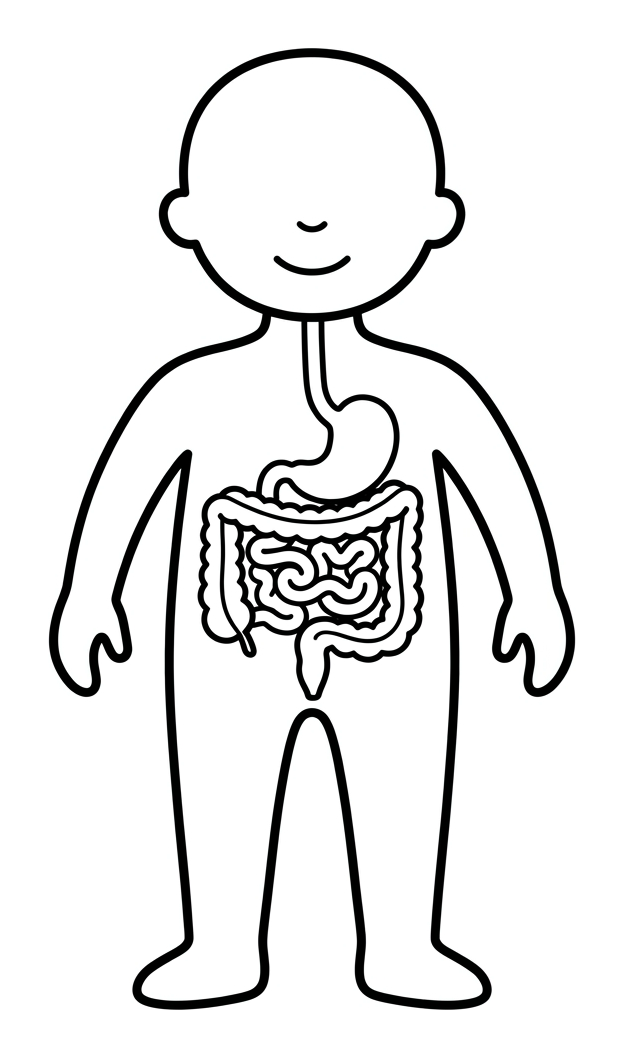
Colour the digestive system
Colour each part of the digestive system in the colour given.
- Go over the mouth in red.
- Colour the oesophagus (the tube to the stomach) orange.
- Colour the stomach green.
- Colour the small intestine blue.
- Colour the large intestine purple.
Name the parts
Read each clue. Write the name of the part on the line. Use the word bank to help you.
This is where food enters the body and is chewed into smaller pieces.
This muscular tube squeezes food down to the stomach.
This curved, bag-like organ churns food and mixes it with digestive juices.
This long, coiled part absorbs most of the nutrients from food into the blood.
This wider part absorbs water from the leftover waste before it leaves the body.
 The Human Digestive SystemSheet 158
Answers: The Human Digestive System
Sheet 158
- This is where food enters the body and is chewed into smaller pieces. — mouth
- This muscular tube squeezes food down to the stomach. — oesophagus
- This curved, bag-like organ churns food and mixes it with digestive juices. — stomach
- This long, coiled part absorbs most of the nutrients from food into the blood. — small intestine
- This wider part absorbs water from the leftover waste before it leaves the body. — large intestine
For grown-ups. Free worksheets and the Owee quiz app at owee.world
Answer key
- This is where food enters the body and is chewed into smaller pieces. — mouth
- This muscular tube squeezes food down to the stomach. — oesophagus
- This curved, bag-like organ churns food and mixes it with digestive juices. — stomach
- This long, coiled part absorbs most of the nutrients from food into the blood. — small intestine
- This wider part absorbs water from the leftover waste before it leaves the body. — large intestine
What the human digestive system worksheet covers
The digestive system is the group of organs that break down the food we eat so the body can use it for energy, growth and repair. This worksheet focuses on five basic parts that Year 4 children are expected to recognise: the mouth, the oesophagus (the tube that carries food to the stomach), the stomach, the small intestine and the large intestine. The illustration keeps these organs clearly separated so children can colour each one a different colour and then match it to the correct label. Many children think the stomach sits behind the belly button. The picture shows it higher up, just under the ribs on the left side of the body, which is worth pointing out on your child's own body.
The simple journey of food through the body
Food begins its journey in the mouth, where teeth break it into smaller pieces and saliva starts to soften it. It then travels down the oesophagus, a muscular tube that squeezes food towards the stomach. In the stomach, food is churned and mixed with digestive juices until it becomes a thick liquid. Most nutrients are absorbed into the blood in the small intestine, which is long and coiled to give plenty of room for this. Finally, the large intestine takes back water from the leftover material before waste leaves the body. Talking through this order as children colour helps the sequence stick.
How to use this worksheet at home or in class
Print the sheet onto A4 and give each child colouring pencils. First, ask them to colour each organ in the colour listed on the sheet so the parts stand out from one another. Then read the descriptions in the labelling activity together and help children write the matching organ name on each line, using the word bank as support. For an extra challenge, cover the word bank and see whether children can recall the names from memory. The colouring also works as a discussion prompt: ask why the small intestine is so long, or what the stomach does to food.
Linking the worksheet to wider Year 4 science
In Year 4, children study animals including humans, covering the digestive system, types of teeth and simple food chains. This worksheet supports the digestion strand and connects naturally to learning about teeth (which begin digestion in the mouth) and to healthy eating discussions. It also builds scientific vocabulary that children will revisit in Year 6, when they look at the human circulatory system and how the body transports nutrients. Pairing the worksheet with a real food example, such as describing what happens to a piece of bread, makes the abstract journey more concrete.
Frequently asked questions
What are the basic parts of the digestive system for Year 4?
Year 4 children describe what the basic parts do in simple terms. The curriculum guidance gives examples such as the mouth, tongue, teeth, oesophagus, stomach, and small and large intestine. This worksheet covers the five organs food passes through: mouth, oesophagus, stomach, small intestine and large intestine.
Is this digestive system worksheet free to print?
Yes. The worksheet is completely free to download and print. It is designed to fit onto a single A4 page so it is quick and economical to use at home or in the classroom.
What age is this digestive system worksheet for?
It is aimed at children aged 8 to 9 (Year 4, KS2), which is when the digestive system is taught in the National Curriculum. Confident younger children or those revising in Year 5 and 6 may also find it useful.
What does each part of the digestive system do?
The mouth chews food and mixes it with saliva, the oesophagus carries food to the stomach, the stomach churns and breaks down food, the small intestine absorbs nutrients into the blood, and the large intestine absorbs water from the remaining waste.
How can I help my child label the organs correctly?
Read each description aloud and let your child match it to a name in the word bank before writing it on the line. Colouring each organ a different colour first makes it easier to keep track of which part is which.
Curriculum links
- Year 4 Science: Animals, including humans (statutory): 'describe the simple functions of the basic parts of the digestive system in humans'
Quoted word for word from Department for Education documents: the National Curriculum in England, the EYFS framework or the RSHE guidance. Contains public sector information licensed under the Open Government Licence v3.0.
Made by The Owee education team. Updated 13/10/2026. Free to print and share.
More science worksheets
All Year 4 Science worksheets →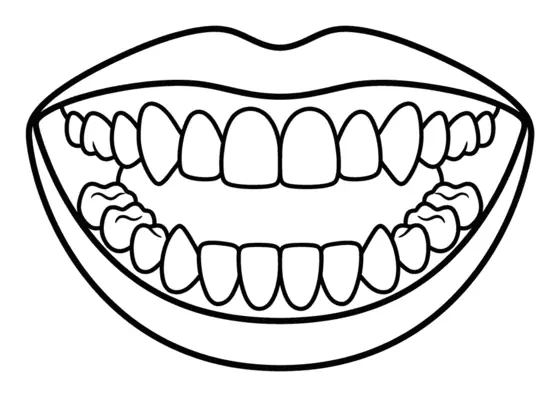
Years 3–4 · Teeth and digestionSheet 157
Animal Teeth and What They Eat
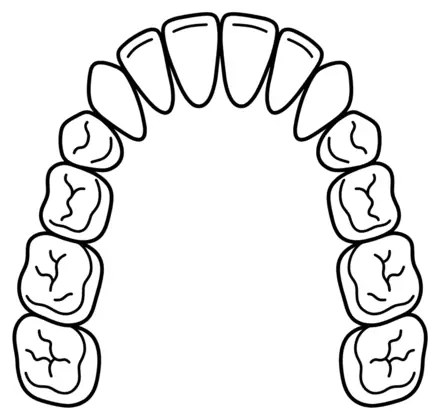
Years 3–4 · Teeth and digestionSheet 159
Types of Teeth and Their Jobs
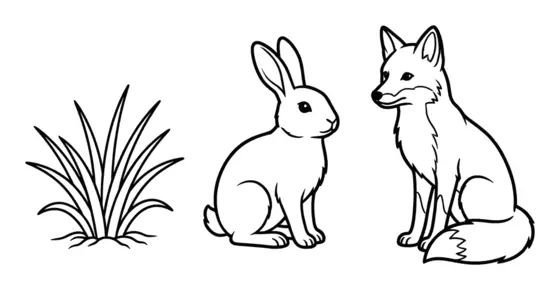
Years 3–4 · Food chainsSheet 152
Build a Food Chain: Label and Colour
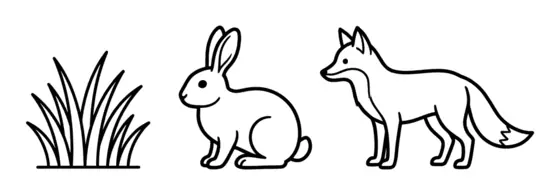
Years 3–4 · Food chainsSheet 153
Build a Food Chain: Label and True or False
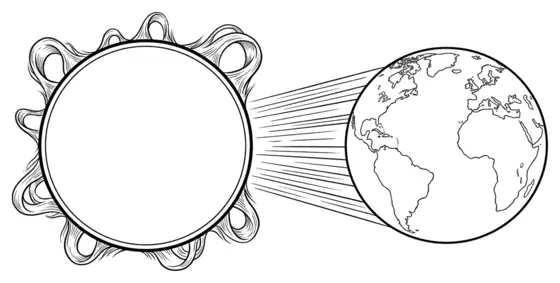
Years 5–6 · Earth and spaceSheet 170
Day and Night on Earth
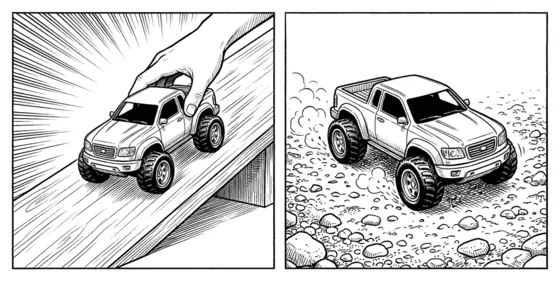
Years 3–5 · Forces and magnetsSheet 175
Forces and Friction
Educational quiz app · Ages 5-10
More learning in the Owee app
Owee turns topics like this into quizzes for children aged 5 to 10, and a treehouse grows as they learn. No ads, no chat, no strangers.
- Family-friendly
- No ads
- Private
Educational quiz app · Ages 5-10
More learning in the Owee app
Owee turns topics like this into quizzes for children aged 5 to 10, and a treehouse grows as they learn. No ads, no chat, no strangers.
Scan with your phone camera
- Family-friendly
- No ads
- Private