Educational quiz app · Ages 5-10
This is what learning looks like


Educational quiz app · Ages 5-10
This is what learning looks like
No nagging required. Keep the learning going after the worksheet, with every question read aloud and Owee guiding each step.
Scan with your phone camera
- Family-friendly
- No ads
- Private
Science · Colouring and labelling worksheet
Parts of a Flower Worksheet (Free KS2 Science Printable)
This free printable worksheet supports the Year 3 plants topic by helping children look closely at the inside of a flower. It pairs a large, colour-in line drawing with a short labelling task, so children can name the petal, stamen (with its anther) and carpel (with its stigma) while they work.
The activities are designed to take around fifteen to twenty minutes and print neatly onto a single A4 page. They work well as a guided lesson activity, a homework task, or a calm follow-up after looking at a real flower together.
What your child is learning
‘explore the part that flowers play in the life cycle of flowering plants, including pollination, seed formation and seed dispersal’
Year 3 Science: Plants, National Curriculum in England. Source and licence
Inside a Flower
Free Science worksheet · Ages 7 to 9
Activity 1
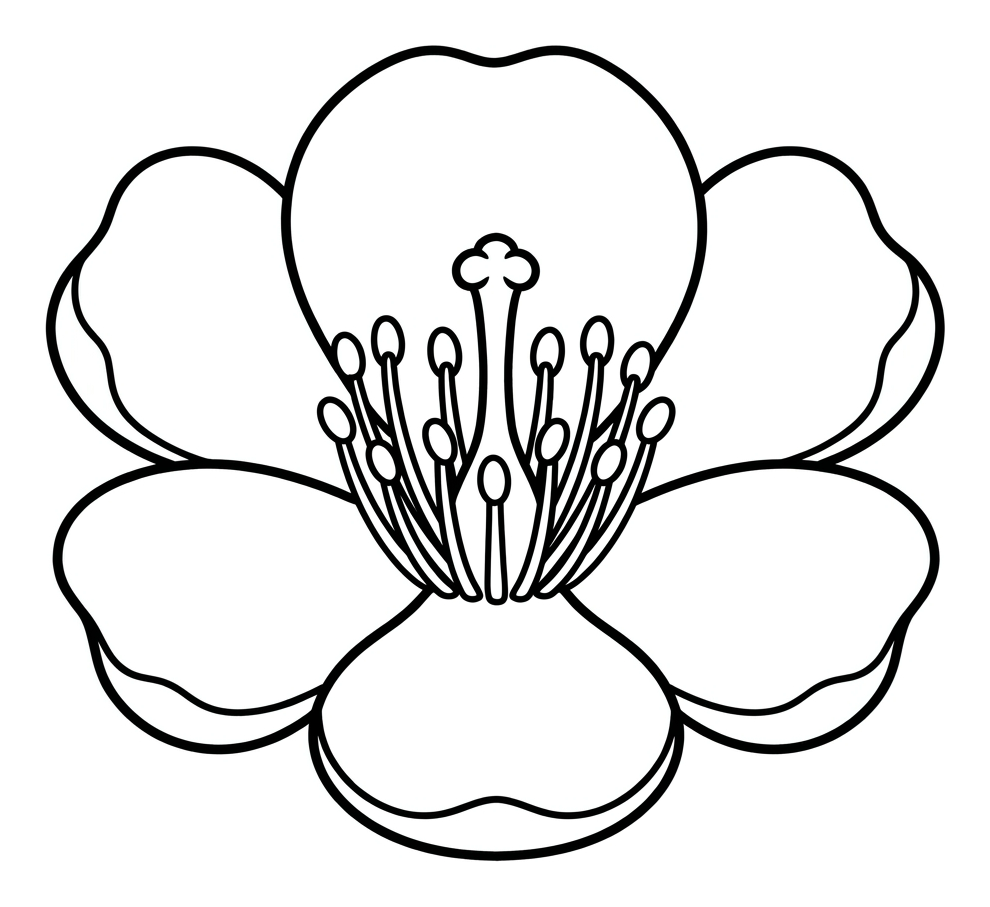
Colour the flower. Use a different colour for each part.
- Colour the ring of petals around the outside.
- Colour the thin stamens in the middle, with their anther tips yellow like pollen.
- Colour the tall central carpel and its knob-shaped stigma.
Activity 2
Read each description and write the correct flower part on the line. Use the word bank to help you.
The colourful part that attracts insects to the flower.
The male part of the flower: a thin stalk with a pollen-making tip.
The tip of the stamen where pollen is made.
The female part of the flower where seeds form.
The sticky top of the carpel that catches pollen.
 Inside a FlowerSheet 119
Answers: Inside a Flower
Sheet 119
- The colourful part that attracts insects to the flower. — petal
- The male part of the flower: a thin stalk with a pollen-making tip. — stamen
- The tip of the stamen where pollen is made. — anther
- The female part of the flower where seeds form. — carpel
- The sticky top of the carpel that catches pollen. — stigma
For grown-ups. Free worksheets and the Owee quiz app at owee.world
Answer key
- The colourful part that attracts insects to the flower. — petal
- The male part of the flower: a thin stalk with a pollen-making tip. — stamen
- The tip of the stamen where pollen is made. — anther
- The female part of the flower where seeds form. — carpel
- The sticky top of the carpel that catches pollen. — stigma
What this worksheet teaches
The worksheet introduces the flower parts that Year 3 children are usually asked to recognise: the colourful petals that attract insects, the stamens (the male parts, each with a pollen-producing anther on top), and the carpel (the female part, with a sticky stigma at the tip that catches pollen). By colouring and labelling these parts, children begin to see a flower not just as something pretty but as the part of the plant where reproduction takes place. The aim is recognition and simple description rather than detailed biology, which keeps it age-appropriate for seven to nine year olds.
How flowers fit into the plant life cycle
In the National Curriculum, parts of a flower are taught alongside the wider life cycle of flowering plants. Pollen from an anther is carried to a stigma, often by insects such as bees or by the wind. This is pollination. Once pollen reaches the stigma, the flower can begin to make seeds inside the carpel, which later swells to form a fruit. The seeds are then spread away from the parent plant through seed dispersal by wind, water or animals. Pointing out this sequence as children label the diagram helps them connect the named parts to a purpose, which makes the vocabulary far easier to remember.
Using the worksheet at home or in class
Begin by colouring the flower so children spend time noticing where each part sits: the petals around the outside, the cluster of stamens in the middle, and the single taller carpel at the centre. Encourage them to use a different colour for the anthers and the stigma, as this draws attention to the parts that do the pollinating. Then move on to the labelling task, where they match each name from the word bank to a description. Saying the words aloud and finding the matching part on the picture reinforces both spelling and understanding. If you have a real flower such as a lily or a tulip, comparing it with the drawing makes the learning far more memorable. Lily anthers are large and easy to see, but their pollen stains clothes and lilies are poisonous to cats, so handle them with care.
Common questions children ask
Children at this age often ask why flowers are so colourful, why bees visit them, or which parts turn into seeds. These are excellent questions to explore. Colour and scent attract pollinating insects; the insects accidentally move pollen from anther to stigma as they feed on nectar; and the seeds form inside the carpel after pollination. A common mix-up is to think that bees visit flowers in order to help them; bees are collecting food, and pollination happens by accident as pollen sticks to their hairy bodies. At Year 3, naming the parts and knowing what each one does is enough; the finer detail of fertilisation comes later in school.
Frequently asked questions
What are the main parts of a flower for KS2?
For KS2, the main parts children are usually asked to name are the petals (which attract insects), the stamen with its anther (the male part that makes pollen), and the carpel with its stigma (the female part that catches pollen and where seeds form). This worksheet focuses on these parts using a clear, colour-in diagram.
Is this parts of a flower worksheet free to print?
Yes. The worksheet is completely free to download and print. It is designed to fit onto a single A4 page so it is quick and economical to use at home or in the classroom.
What age and year group is this worksheet for?
It is aimed at children aged 7 to 9, which matches Year 3 and the start of Year 4 in England (Lower Key Stage 2). It links directly to the Year 3 plants topic about the role flowers play in the plant life cycle.
What does a flower do in the plant life cycle?
A flower is where reproduction happens. Pollen moves from an anther to a stigma during pollination, often carried by insects or wind. After pollination, seeds form inside the carpel, and those seeds are later dispersed so new plants can grow elsewhere.
How can I help my child learn the flower parts?
Colouring the diagram first helps children notice where each part sits, then labelling reinforces the vocabulary. Comparing the worksheet with a real flower, such as a lily or tulip, makes the names stick and gives a chance to talk about how bees help with pollination.
Curriculum links
- Year 3 Science: Plants (statutory): 'explore the part that flowers play in the life cycle of flowering plants, including pollination, seed formation and seed dispersal'
- Year 3 Science, Plants: 'identify and describe the functions of different parts of flowering plants: roots, stem/trunk, leaves and flowers'
Quoted word for word from Department for Education documents: the National Curriculum in England, the EYFS framework or the RSHE guidance. Contains public sector information licensed under the Open Government Licence v3.0.
Made by The Owee education team. Updated 13/10/2026. Free to print and share.
More science worksheets
All Year 3 Science worksheets →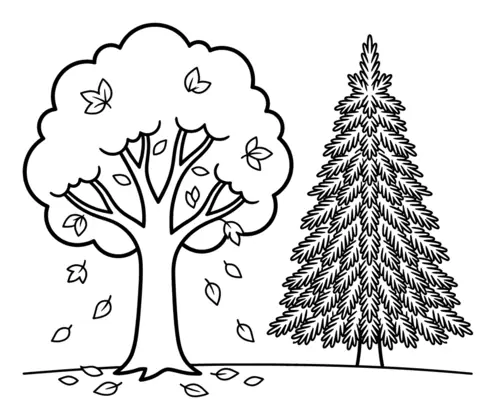
Years 1–2 · PlantsSheet 39
Deciduous and Evergreen Trees
Years 1–2 · PlantsSheet 86
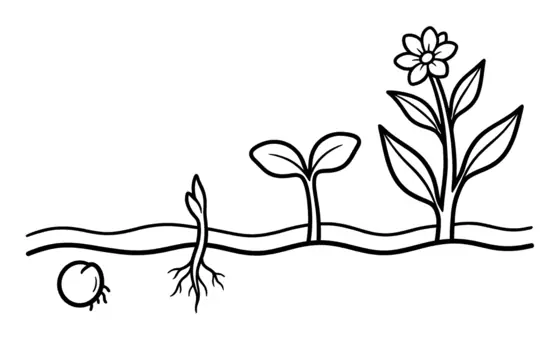
How a Seed Grows
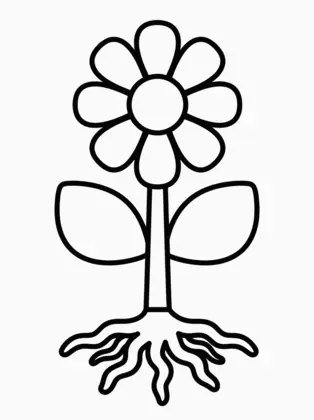
Years 1–2 · PlantsSheet 40
Parts of a Plant
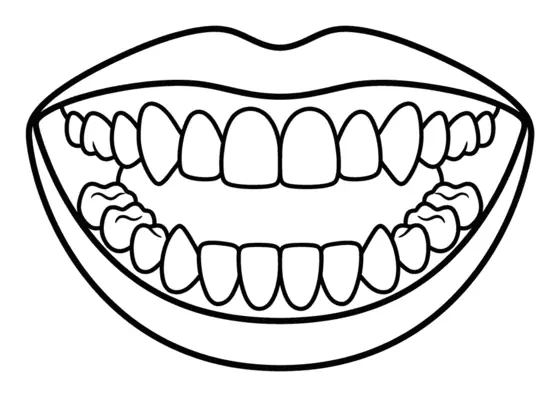
Years 3–4 · Teeth and digestionSheet 157
Animal Teeth and What They Eat
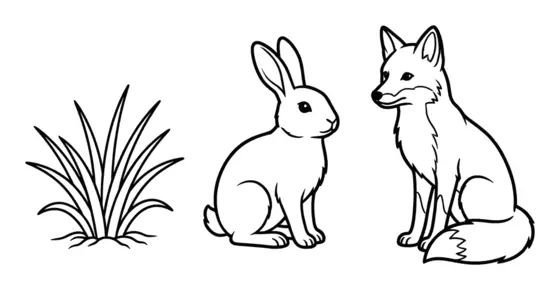
Years 3–4 · Food chainsSheet 152
Build a Food Chain: Label and Colour
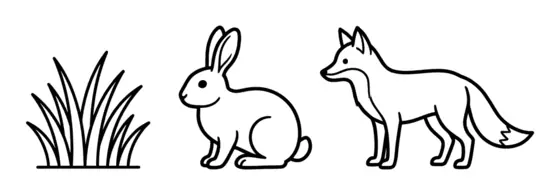
Years 3–4 · Food chainsSheet 153
Build a Food Chain: Label and True or False
Educational quiz app · Ages 5-10
More learning in the Owee app
Owee turns topics like this into quizzes for children aged 5 to 10, and a treehouse grows as they learn. No ads, no chat, no strangers.
- Family-friendly
- No ads
- Private
Educational quiz app · Ages 5-10
More learning in the Owee app
Owee turns topics like this into quizzes for children aged 5 to 10, and a treehouse grows as they learn. No ads, no chat, no strangers.
Scan with your phone camera
- Family-friendly
- No ads
- Private