Educational quiz app · Ages 5-10
This is what learning looks like


Educational quiz app · Ages 5-10
This is what learning looks like
No nagging required. Keep the learning going after the worksheet, with every question read aloud and Owee guiding each step.
Scan with your phone camera
- Family-friendly
- No ads
- Private
Science · Colouring and ticking worksheet
Magnetic Materials Worksheet (Free KS2 Science Printable)
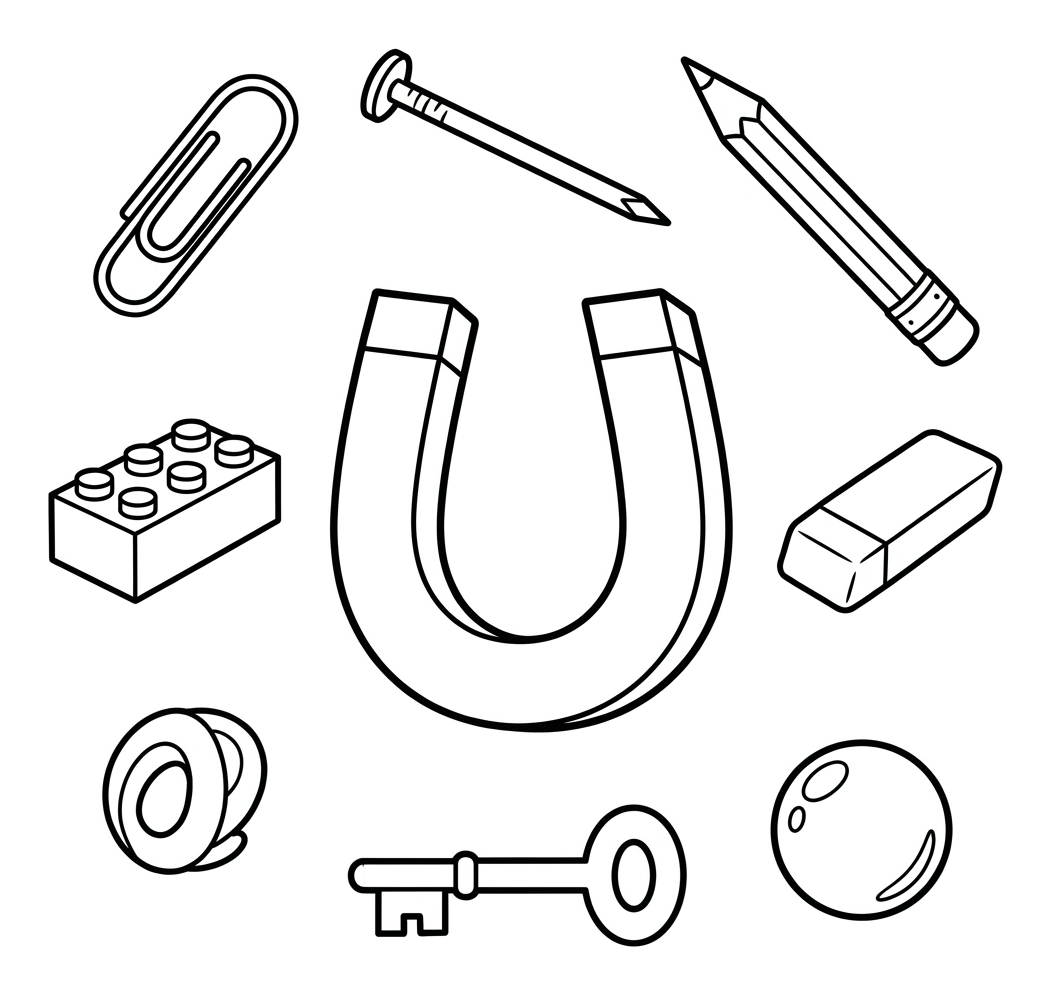
This free printable worksheet supports the Year 3 science topic Forces and Magnets. Children look at a friendly line drawing of a horseshoe magnet surrounded by everyday objects, then decide which ones a magnet would pull towards it and which it would not. It is a good first activity for introducing the idea that some materials are magnetic and others are not.
A common misconception is that all metals are magnetic. This sheet gently challenges that idea, helping children notice that magnetic materials are usually iron and steel, while objects made from wood, plastic, rubber and glass are left behind. Print it on one side of A4 for the classroom or the kitchen table.
What your child is learning
‘compare and group together a variety of everyday materials on the basis of whether they are attracted to a magnet, and identify some magnetic materials’
Year 3 Science: Forces and magnets, National Curriculum in England. Source and licence

Magnetic or Not?
Free Science worksheet · Ages 7 to 8
Activity 1
Colour the horseshoe magnet in the middle. Then colour the eight objects around it.
Activity 2
Would a magnet pull this object towards it? Tick the box if it would.
- The steel paperclip
- The iron nail
- The wooden pencil
- The plastic toy brick
- The rubber
- The roll of sticky tape
- The brass key
- The glass marble
 Magnetic or Not?Sheet 112
Answers: Magnetic or Not?
Sheet 112
- The steel paperclip — tick (magnetic): steel is mostly iron
- The iron nail — tick (magnetic)
- The wooden pencil — no tick (not magnetic)
- The plastic toy brick — no tick (not magnetic)
- The rubber — no tick (not magnetic)
- The roll of sticky tape — no tick (not magnetic)
- The brass key — no tick (not magnetic): brass is a metal, but it is not magnetic
- The glass marble — no tick (not magnetic)
For grown-ups. Free worksheets and the Owee quiz app at owee.world
Answer key
- The steel paperclip — tick (magnetic): steel is mostly iron
- The iron nail — tick (magnetic)
- The wooden pencil — no tick (not magnetic)
- The plastic toy brick — no tick (not magnetic)
- The rubber — no tick (not magnetic)
- The roll of sticky tape — no tick (not magnetic)
- The brass key — no tick (not magnetic): brass is a metal, but it is not magnetic
- The glass marble — no tick (not magnetic)
What this worksheet teaches
The worksheet asks children to sort eight familiar objects into those a magnet will attract and those it will not. By working through the steel paperclip, iron nail, wooden pencil, plastic brick, rubber, roll of sticky tape, brass key and glass marble, they begin to spot a pattern: the objects that are pulled towards the magnet tend to be made of iron or steel. This matches the Year 3 expectation that pupils compare and group everyday materials on the basis of whether they are attracted to a magnet, and identify some magnetic materials. The colouring task adds a calm, focused way in for children who learn best through hands-on activity.
The key idea: not all metals are magnetic
The most important learning point at this stage is that magnetic materials are usually iron and steel, but that does not mean every metal is magnetic. Many metals children handle every day, such as the aluminium in a drinks can, copper wire or the gold and silver in jewellery, are not attracted to a magnet at all. Steel is magnetic because it is mostly iron. Watch out for coins: UK 1p and 2p coins made since 1992 are steel with a thin copper coating, so they do stick to a magnet, and many house keys are brass with a silver-coloured coating, so they do not. If you have time, follow the sheet with a quick test: gather a few metal items and a magnet and let children check their predictions. Finding a metal that the magnet ignores is often the moment the idea really sticks.
How to use it at home or in class
Print the sheet and talk through each object before children commit to an answer. Encourage them to say why they think something is magnetic rather than just guessing. The strongest follow-up is to test real objects: a fridge magnet and a handful of safe household items work well. Remind children that a magnet does not need to touch an object to pull it, and that magnets can attract through paper or fabric. For an extra challenge, ask them to find their own magnetic object somewhere in the room and explain what it is made of.
Building towards later forces work
Sorting materials by their magnetic properties lays the groundwork for the wider Year 3 forces unit, including how magnets attract and repel, how they have two poles, and how some forces act at a distance while others need direct contact. Recognising iron and steel as magnetic also feeds into later science about everyday uses of magnets, from fridge doors and cupboard catches to recycling plants that separate steel from aluminium. Keeping the language precise now, magnetic rather than simply metal, helps avoid a misconception that is otherwise hard to unpick later.
Frequently asked questions
What materials are magnetic for KS2?
In Year 3 the magnetic materials children usually meet are iron and steel. Steel counts because it is made mostly of iron. Materials such as wood, plastic, rubber, glass and most other metals, including aluminium and copper, are not attracted to a magnet.
Are all metals magnetic?
No. This is the most common misconception in this topic. Only a few metals, mainly iron, steel, nickel and cobalt, are attracted to magnets. Many everyday metals such as aluminium, copper, gold and silver are not magnetic at all. Some stainless steel, such as many kitchen sinks, is not magnetic either, so an odd result is worth talking about rather than a mistake. That is why testing real objects is such a useful follow-up to this worksheet.
What age is this magnetic materials worksheet for?
It is written for children aged 7 to 8, in Year 3, which is the start of KS2. The objects and language are pitched for that age group, but it can also suit a confident Year 2 child or be used for revision in Year 4.
How do you explain magnets to a 7 year old?
Explain that a magnet has an invisible pull that grabs hold of certain materials, mostly things made of iron and steel. It does not need to touch an object to pull it, and it ignores materials like wood, plastic and glass. Testing a few objects with a fridge magnet makes the idea clear and memorable.
Is this magnetic materials worksheet free to print?
Yes. The worksheet is completely free to download and print on a single side of A4. You can use it at home or in the classroom as many times as you like.
Curriculum links
- Year 3 Science: Forces and magnets (statutory): 'compare and group together a variety of everyday materials on the basis of whether they are attracted to a magnet, and identify some magnetic materials'
- Year 3 Science, Forces and Magnets: 'notice that some forces need contact between two objects, but magnetic forces can act at a distance'
- Year 3 Science, Forces and Magnets: 'observe how magnets attract or repel each other and attract some materials and not others'
Quoted word for word from Department for Education documents: the National Curriculum in England, the EYFS framework or the RSHE guidance. Contains public sector information licensed under the Open Government Licence v3.0.
Made by The Owee education team. Updated 13/10/2026. Free to print and share.
More science worksheets
All Year 3 Science worksheets →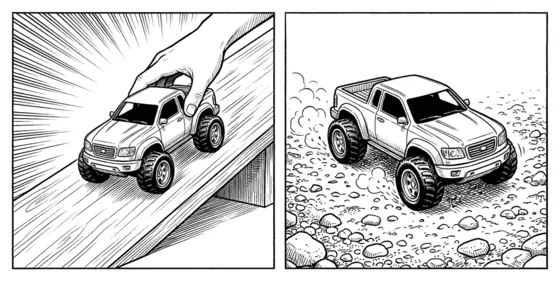
Years 3–5 · Forces and magnetsSheet 175
Forces and Friction
Years 3–4 · Teeth and digestionSheet 157
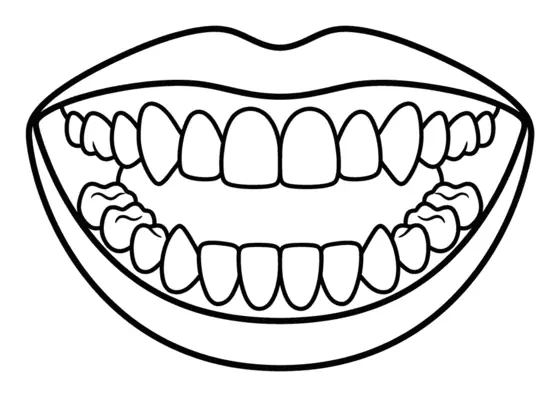
Animal Teeth and What They Eat
Years 3–4 · Food chainsSheet 152
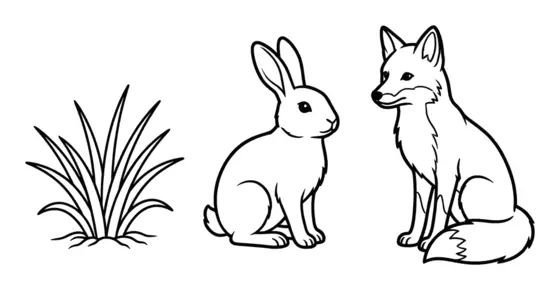
Build a Food Chain: Label and Colour
Years 3–4 · Food chainsSheet 153
Build a Food Chain: Label and True or False
Years 3–4 · Rocks and fossilsSheet 120
How a Fossil Is Made
Years 3–4 · LightSheet 118
How Shadows Are Made
Educational quiz app · Ages 5-10
More learning in the Owee app
Owee turns topics like this into quizzes for children aged 5 to 10, and a treehouse grows as they learn. No ads, no chat, no strangers.
- Family-friendly
- No ads
- Private
Educational quiz app · Ages 5-10
More learning in the Owee app
Owee turns topics like this into quizzes for children aged 5 to 10, and a treehouse grows as they learn. No ads, no chat, no strangers.
Scan with your phone camera
- Family-friendly
- No ads
- Private