Educational quiz app · Ages 5-10
This is what learning looks like


Educational quiz app · Ages 5-10
This is what learning looks like
No nagging required. Keep the learning going after the worksheet, with every question read aloud and Owee guiding each step.
Scan with your phone camera
- Family-friendly
- No ads
- Private
Science · Colouring and labelling worksheet
Life Cycle of a Bean Plant: Free KS2 Science Worksheet
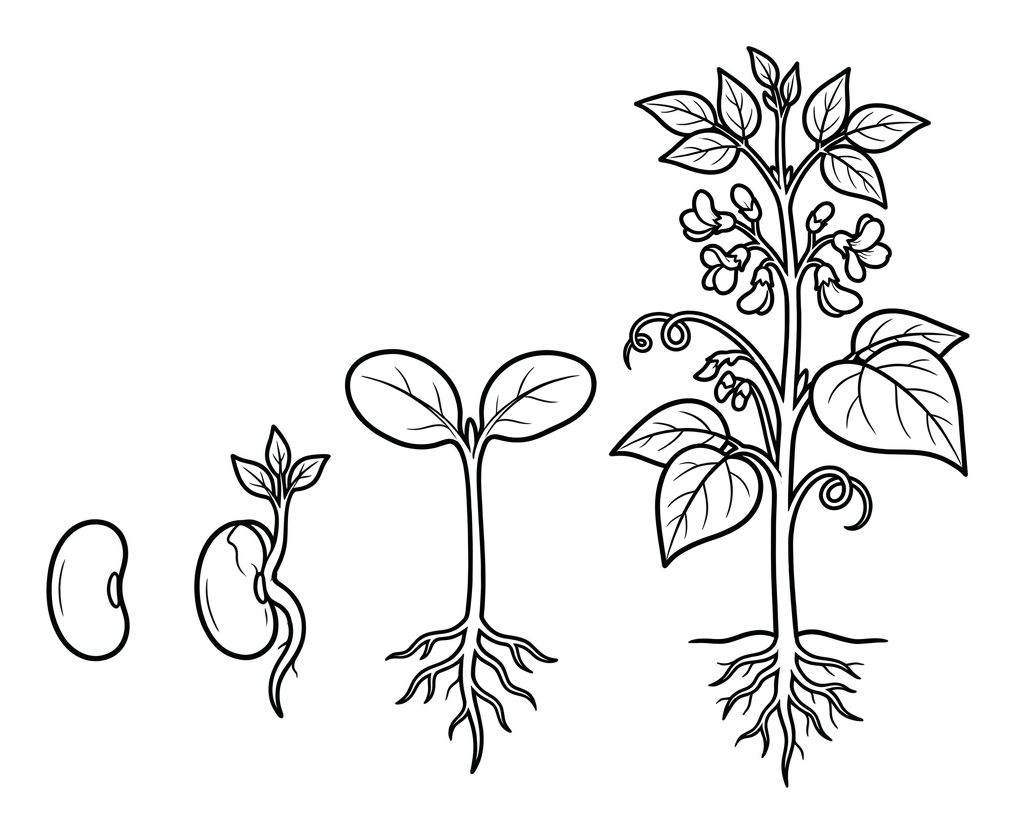
This free printable worksheet helps children in Year 3 explore the life cycle of a flowering plant, using a bean plant as a clear and familiar example. The four illustrated stages move from a dormant seed, through germination and growth, to a mature plant in flower, ready to make new seeds of its own.
It pairs a colouring task with a short labelling and writing activity, so children practise both observation and the key vocabulary of the topic. The page is designed to print to a single sheet of A4 and works equally well as a classroom starter, a homework task or a calm activity at home.
What your child is learning
‘explore the part that flowers play in the life cycle of flowering plants, including pollination, seed formation and seed dispersal’
Year 3 Science: Plants, National Curriculum in England. Source and licence

Life Cycle of a Bean Plant
Free Science worksheet · Ages 7 to 8
Activity 1
Colour the four stages of the bean plant.
- Colour the two bean seeds brown.
- Colour all the stems and leaves green.
- Colour the flowers red or white, like real bean flowers.
Activity 2
Look at the four stages in the picture, from left to right. Finish each sentence with the name of the stage, then answer the last question. Use the word bank to help you.
Stage 1 (far left) is the...
Stage 2 has a small root and shoot. It is the...
Stage 3 has a stem and two leaves. It is the...
Stage 4 is tall and has a flower. It is the...
What does the mature plant make so that new plants can grow?
 Life Cycle of a Bean PlantSheet 117
Answers: Life Cycle of a Bean Plant
Sheet 117
- Stage 1 (far left) is the... — Seed
- Stage 2 has a small root and shoot. It is the... — Germinating seed
- Stage 3 has a stem and two leaves. It is the... — Young seedling
- Stage 4 is tall and has a flower. It is the... — Mature plant
- What does the mature plant make so that new plants can grow? — New seeds (in a pod)
For grown-ups. Free worksheets and the Owee quiz app at owee.world
Answer key
- Stage 1 (far left) is the... — Seed
- Stage 2 has a small root and shoot. It is the... — Germinating seed
- Stage 3 has a stem and two leaves. It is the... — Young seedling
- Stage 4 is tall and has a flower. It is the... — Mature plant
- What does the mature plant make so that new plants can grow? — New seeds (in a pod)
What children learn from this worksheet
By the end of this activity, children should be able to name and sequence the main stages in a flowering plant's life cycle: seed, germination, growth, flowering and seed formation. The bean is an ideal first example because its seeds are large, germinate quickly and produce a recognisable flower, making each stage easy to spot. The worksheet also reinforces the idea that a life cycle is a repeating loop: the new seeds a plant makes can grow into the next generation of plants.
The stages, explained simply
A bean begins as a seed, which stays dormant until it has the warmth and water it needs. During germination, the seed takes in water and a tiny root grows downwards while a shoot pushes up towards the light. The young plant then enters a period of growth, developing a stem, more leaves and a stronger root system. The roots anchor the plant and take in water and nutrients, while the leaves use light to make food. Once mature, the plant produces flowers. After pollination, those flowers form pods containing new seeds, and the cycle can begin again.
The part the flower plays
The Year 3 curriculum asks children to understand the role of the flower in the life cycle. Flowers are not simply decorative: they are the part of the plant responsible for reproduction. Pollination moves pollen between flowers, which leads to seed formation inside the pod. Those seeds are then dispersed (bean pods dry out and split open, dropping their seeds), giving the plant a way to spread and produce a new generation. A common mix-up is to think the seed comes before the flower in every sense: point out that the seed a child plants was itself made inside a flower. Talking through this with children helps them see that flowering is a beginning, not an ending, of the life cycle.
How to use this sheet at home or in class
This worksheet works well alongside growing a real bean, which is a classic and rewarding Year 3 investigation. Try planting a broad bean or runner bean seed in a clear jar lined with damp paper towel so children can watch the root and shoot emerge over a week or two, then compare what they see with the four stages on the page. After colouring, encourage children to talk through the sequence aloud and to use the word bank to label each stage, which supports both scientific vocabulary and confident recall.
Frequently asked questions
What are the stages in the life cycle of a bean plant?
The main stages are: seed, germination (the seed sprouts a root and shoot), growth into a young seedling and then a mature plant, flowering, and seed formation. The new seeds can then grow into the next generation, so the cycle repeats.
Is the life cycle of a bean plant taught in KS1 or KS2?
The life cycle of a flowering plant, including the part flowers play in pollination, seed formation and seed dispersal, is taught in Year 3 of KS2 in the English National Curriculum. KS1 plants topics focus more on naming plant parts and what plants need to grow.
Why are beans good for teaching plant life cycles?
Bean seeds are large and easy for children to handle, they germinate quickly, and they produce clear flowers and pods. Growing one in a jar lets children watch the root and shoot appear, which makes each stage of the cycle easy to observe and remember.
How long does a bean plant take to grow?
A bean seed usually germinates within one to two weeks in warm, damp conditions. It then grows over several weeks, with flowers usually appearing two to three months after sowing, depending on the variety and the weather.
Is this bean plant worksheet free to print?
Yes. This worksheet is completely free to download and print. It is designed to fit on a single A4 page and can be used at home or in the classroom as many times as you like.
Curriculum links
- Year 3 Science: Plants (statutory): 'explore the part that flowers play in the life cycle of flowering plants, including pollination, seed formation and seed dispersal'
- Year 3 Science (Plants): 'explore the requirements of plants for life and growth (air, light, water, nutrients from soil, and room to grow) and how they vary from plant to plant'
- Year 3 Science (Plants): 'identify and describe the functions of different parts of flowering plants: roots, stem/trunk, leaves and flowers'
Quoted word for word from Department for Education documents: the National Curriculum in England, the EYFS framework or the RSHE guidance. Contains public sector information licensed under the Open Government Licence v3.0.
Made by The Owee education team. Updated 13/10/2026. Free to print and share.
More science worksheets
All Year 3 Science worksheets →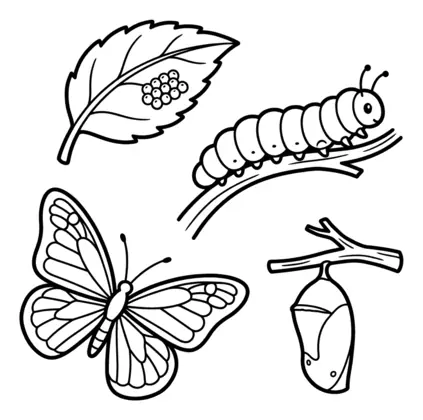
Years 1–2 · Life cyclesSheet 82
Life Cycle of a Butterfly
Years 4–5 · Life cyclesSheet 176
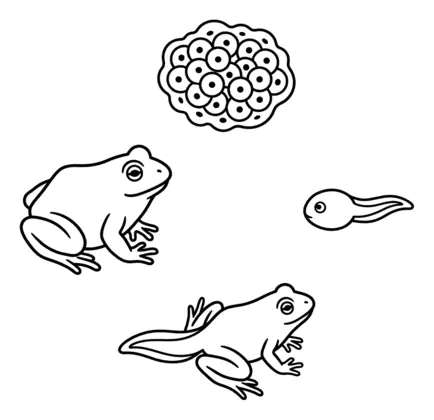
Life Cycle of a Frog
Years 1–2 · Life cyclesSheet 83
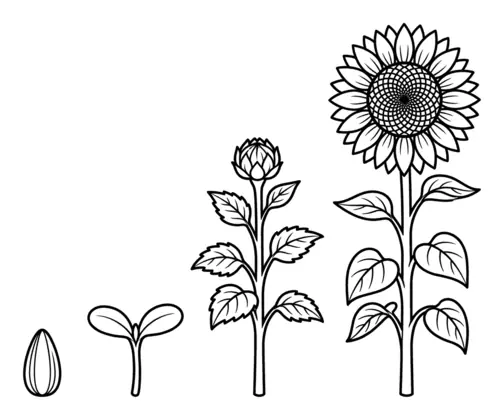
Life Cycle of a Sunflower
Years 1–2 · Life cyclesSheet 84
The Life Cycle of a Frog

Years 3–4 · Teeth and digestionSheet 157
Animal Teeth and What They Eat
Years 1–2 · AnimalsSheet 79
Animals and Their Survival Needs
Educational quiz app · Ages 5-10
More learning in the Owee app
Owee turns topics like this into quizzes for children aged 5 to 10, and a treehouse grows as they learn. No ads, no chat, no strangers.
- Family-friendly
- No ads
- Private
Educational quiz app · Ages 5-10
More learning in the Owee app
Owee turns topics like this into quizzes for children aged 5 to 10, and a treehouse grows as they learn. No ads, no chat, no strangers.
Scan with your phone camera
- Family-friendly
- No ads
- Private