Educational quiz app · Ages 5-10
This is what learning looks like


Educational quiz app · Ages 5-10
This is what learning looks like
No nagging required. Keep the learning going after the worksheet, with every question read aloud and Owee guiding each step.
Scan with your phone camera
- Family-friendly
- No ads
- Private
Science · Colouring and sorting worksheet
Recycling Sorting Worksheet (Free KS1 Printable)
This free printable worksheet introduces young children to the idea of reduce, reuse and recycle and helps them practise sorting everyday rubbish into the right place. It is pitched at Key Stage 1 and builds on Year 1 science work on everyday materials such as plastic, metal and paper.
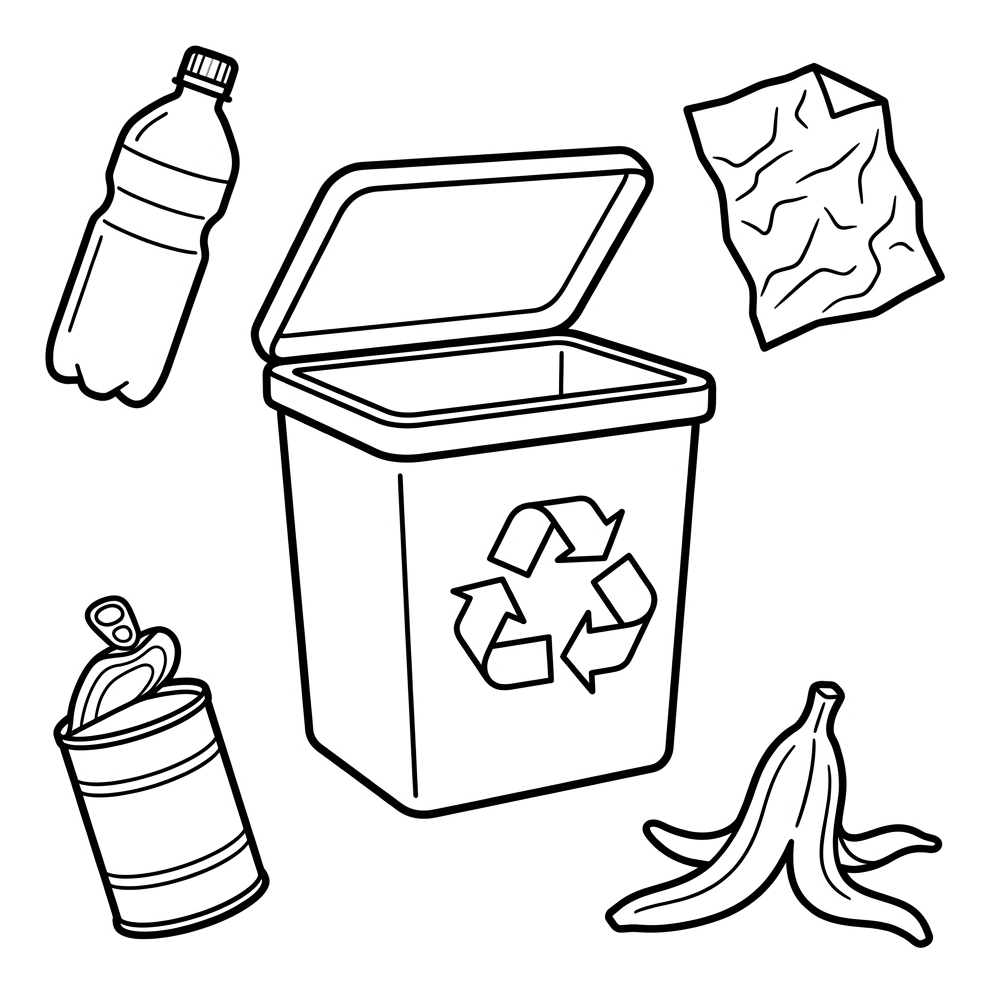
Children first colour the picture of a recycling bin and four common items, then decide which things can be recycled and which cannot. It prints onto one A4 page and suits the classroom, an after-school club or a quiet activity at home.
What your child is learning
‘identify and name a variety of everyday materials, including wood, plastic, glass, metal, water, and rock’
Year 1 Science: Everyday materials, National Curriculum in England. Source and licence
Sort It for Recycling
Free Science worksheet · Ages 5 to 7
Activity 1
Colour the recycling bin, its arrows and the four things around it: the bottle, the can, the paper and the banana skin.
Activity 2
Can it go in the recycling bin? Write YES or NO on each line.
The bottle is made of plastic. Can it go in the recycling bin?
The can is made of metal. Can it go in the recycling bin?
The paper is clean and dry. Can it go in the recycling bin?
The banana skin is food waste. Can it go in the recycling bin?
Name one more thing you could put in the recycling bin.
 Sort It for RecyclingSheet 37
Answers: Sort It for Recycling
Sheet 37
- The bottle is made of plastic. Can it go in the recycling bin? — Yes (rinse it first)
- The can is made of metal. Can it go in the recycling bin? — Yes (rinse it first)
- The paper is clean and dry. Can it go in the recycling bin? — Yes
- The banana skin is food waste. Can it go in the recycling bin? — No. It goes in the food waste caddy or on the compost heap.
- Name one more thing you could put in the recycling bin. — Any sensible answer, such as a cardboard box, a glass jar, a newspaper or a drinks can
For grown-ups. Free worksheets and the Owee quiz app at owee.world
Answer key
- The bottle is made of plastic. Can it go in the recycling bin? — Yes (rinse it first)
- The can is made of metal. Can it go in the recycling bin? — Yes (rinse it first)
- The paper is clean and dry. Can it go in the recycling bin? — Yes
- The banana skin is food waste. Can it go in the recycling bin? — No. It goes in the food waste caddy or on the compost heap.
- Name one more thing you could put in the recycling bin. — Any sensible answer, such as a cardboard box, a glass jar, a newspaper or a drinks can
What children learn from this recycling worksheet
The worksheet builds two connected ideas. The first is the simple slogan reduce, reuse, recycle: using less, finding new uses for things, and turning old materials into new ones. The second is practical sorting — recognising that different materials such as plastic, metal, paper and food waste are dealt with in different ways.
By colouring and then sorting a bottle, a can, a sheet of paper and a banana skin, children connect an environmental idea to objects they handle every day. Each question names the material first ("The bottle is made of plastic"), so children practise the Year 1 habit of asking what something is made from before deciding where it goes. The last question asks them to think of one more thing they could recycle.
How recycling is sorted at home
Recycling rules vary between local councils, so this worksheet teaches the general principle rather than one fixed set of bins. As a guide for the United Kingdom: clean plastic bottles, metal cans and clean, dry paper and card can usually be recycled, while a banana skin is food waste that goes to composting or a separate food caddy rather than the dry recycling bin.
It is worth checking your own council's collection labels with the child, as some areas accept more materials than others. Talking through why an item is rinsed, flattened or kept separate turns a tick-box task into a genuine conversation about why sorting matters.
Using the worksheet at home or in class
Print the sheet onto plain A4 paper. Encourage children to colour the picture first — this slows them down and gives time to look closely at each object before sorting. Younger children in Year 1 can say YES or NO aloud while you write, and Year 2 pupils can write their answers on the lines.
To extend the activity, gather a few real (clean and safe) items from the kitchen and ask the child to sort them into piles, or take a short walk to look at the recycling labels on your own bins. Connecting the page to real objects makes the learning stick.
Why recycling fits with KS1 science
Recycling is not a separate topic in the KS1 National Curriculum, but it grows naturally out of Year 1 work on everyday materials. Once children can name plastic, metal, paper and glass, sorting rubbish gives them a real reason to use those words. Simple habits such as rinsing a bottle, putting litter in a bin and saving paper show young children that small actions make a difference.
A common mix-up is thinking that everything in the kitchen bin can be recycled. Explain that recycling turns old materials into new things, and that food waste such as a banana skin is collected separately so it can rot down into compost instead. Framing recycling positively, as a way to look after the places we live, works better than a long list of rules.
Frequently asked questions
What age is this recycling worksheet for?
It is designed for Key Stage 1 children in Years 1 and 2, and works as a quick recap in early Year 3. Younger children can answer aloud while older children write on the lines.
Is the recycling worksheet free to print?
Yes. The worksheet is completely free to download and print. It fits onto one A4 page and works in both colour and black-and-white printers, since children colour it in themselves.
What do reduce, reuse and recycle mean for children?
Reduce means using less so we make less rubbish. Reuse means using something again instead of throwing it away, like refilling a water bottle. Recycle means turning old materials into new things, such as making new paper from old paper.
Which items on the worksheet can be recycled?
In most UK areas a clean plastic bottle, a metal tin can and clean, dry paper can be recycled. A banana skin is food waste and usually goes in a compost or food caddy rather than the recycling bin. Always check your local council's rules.
How does this worksheet link to the curriculum?
It links to the Year 1 science objective to identify and name everyday materials such as plastic, metal and paper. Recycling itself is not a statutory KS1 topic, but it gives children a practical reason to use their materials vocabulary and to talk about caring for their local area.
Curriculum links
- Year 1 Science: Everyday materials (statutory): 'identify and name a variety of everyday materials, including wood, plastic, glass, metal, water, and rock'
Quoted word for word from Department for Education documents: the National Curriculum in England, the EYFS framework or the RSHE guidance. Contains public sector information licensed under the Open Government Licence v3.0.
Made by The Owee education team. Updated 13/10/2026. Free to print and share.
More science worksheets
All Year 1 Science worksheets →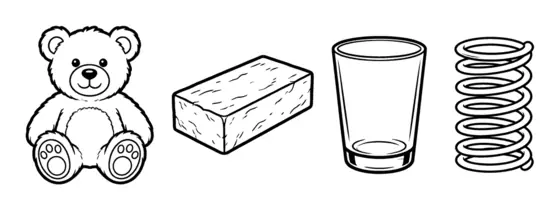
Years 1–2 · MaterialsSheet 36
Material Properties Sort
Years 1–2 · MaterialsSheet 38
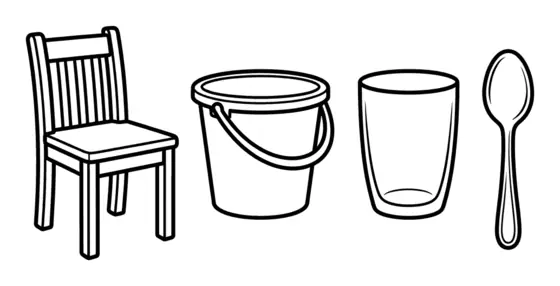
What Is It Made From?
Years 1–2 · AnimalsSheet 79
Animals and Their Survival Needs
Years 1–2 · AnimalsSheet 27
Animals of the Frozen Poles
Years 1–2 · AnimalsSheet 28
British Garden Birds Spotting Sheet
Years 1–2 · AnimalsSheet 29
Carnivore, Herbivore or Omnivore?
Educational quiz app · Ages 5-10
More learning in the Owee app
Owee turns topics like this into quizzes for children aged 5 to 10, and a treehouse grows as they learn. No ads, no chat, no strangers.
- Family-friendly
- No ads
- Private
Educational quiz app · Ages 5-10
More learning in the Owee app
Owee turns topics like this into quizzes for children aged 5 to 10, and a treehouse grows as they learn. No ads, no chat, no strangers.
Scan with your phone camera
- Family-friendly
- No ads
- Private