Educational quiz app · Ages 5-10
This is what learning looks like


Educational quiz app · Ages 5-10
This is what learning looks like
No nagging required. Keep the learning going after the worksheet, with every question read aloud and Owee guiding each step.
Scan with your phone camera
- Family-friendly
- No ads
- Private
Science · Colouring and tick worksheet
Forces and Friction: Free KS2 Science Worksheet
This free printable worksheet introduces children aged 9 to 10 to friction, the force that acts between two surfaces as they move past one another. The page pairs a colouring activity with a set of true-or-false statements so that children can think carefully about why a toy car rolls easily down a smooth ramp but slows and stops on bumpy, rough ground.
It is designed for Year 5 (and useful as revision in Year 6) and works in the classroom or at home. An answer key is provided below for the adult supporting the activity.
What your child is learning
‘identify the effects of air resistance, water resistance and friction, that act between moving surfaces’
Year 5 Science: Forces, National Curriculum in England. Source and licence

Forces and Friction
Free Science worksheet · Ages 9 to 10
Activity 1
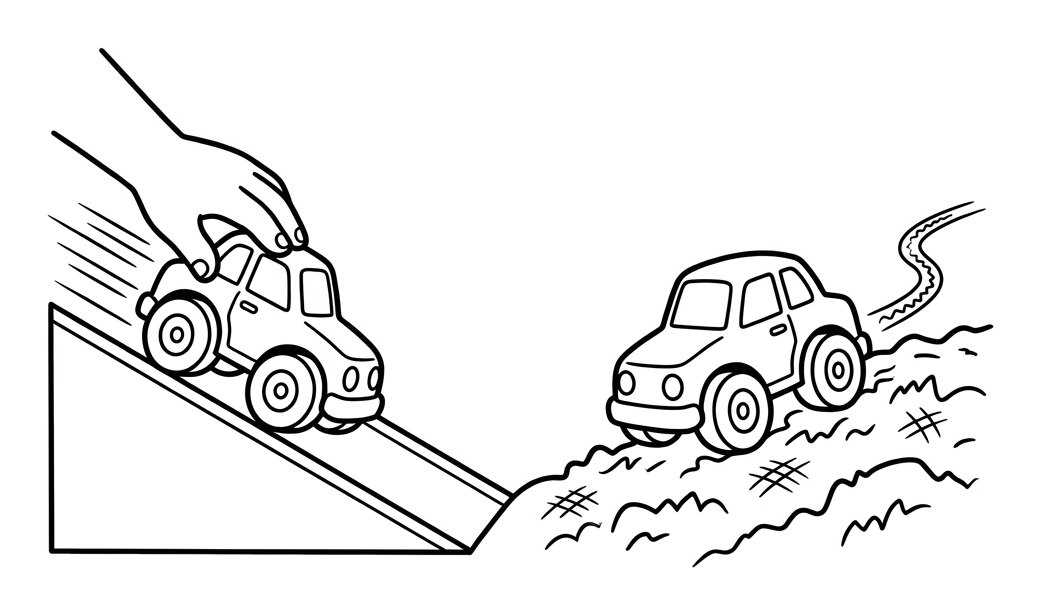
Colour the picture. Then colour the speed lines behind the car on the ramp.
- Colour the smooth ramp blue.
- Colour the bumpy, rough ground brown.
- Colour the car with more friction slowing it down red.
Activity 2
Read each sentence. Tick the box if it is true.
- Friction is a force that acts between two surfaces that move past each other.
- A rough surface makes more friction than a smooth surface.
- Smooth, slippery surfaces like ice make more friction than rough ones.
- Friction acts in the opposite direction to the movement and slows things down.
- A toy car rolls further on rough, bumpy ground than on a smooth surface.
- Friction can be useful. It helps our shoes grip the ground.
- Air resistance and water resistance also slow down moving things.
 Forces and FrictionSheet 175
Answers: Forces and Friction
Sheet 175
- Colour the car with more friction slowing it down red. — the car on the bumpy, rough ground
- Friction is a force that acts between two surfaces that move past each other. — tick (true)
- A rough surface makes more friction than a smooth surface. — tick (true)
- Smooth, slippery surfaces like ice make more friction than rough ones. — no tick (false): smooth surfaces make less friction
- Friction acts in the opposite direction to the movement and slows things down. — tick (true)
- A toy car rolls further on rough, bumpy ground than on a smooth surface. — no tick (false): more friction on rough ground stops it sooner
- Friction can be useful. It helps our shoes grip the ground. — tick (true)
- Air resistance and water resistance also slow down moving things. — tick (true)
For grown-ups. Free worksheets and the Owee quiz app at owee.world
Answer key
- Colour the car with more friction slowing it down red. — the car on the bumpy, rough ground
- Friction is a force that acts between two surfaces that move past each other. — tick (true)
- A rough surface makes more friction than a smooth surface. — tick (true)
- Smooth, slippery surfaces like ice make more friction than rough ones. — no tick (false): smooth surfaces make less friction
- Friction acts in the opposite direction to the movement and slows things down. — tick (true)
- A toy car rolls further on rough, bumpy ground than on a smooth surface. — no tick (false): more friction on rough ground stops it sooner
- Friction can be useful. It helps our shoes grip the ground. — tick (true)
- Air resistance and water resistance also slow down moving things. — tick (true)
What is friction?
Friction is a force that acts between two surfaces whenever they slide, or try to slide, past each other. It always works in the opposite direction to movement, which is why it tends to slow moving objects down and bring them to a stop. The roughness of the surfaces is the key factor: rough surfaces, such as carpet, gravel or sandpaper, grip together and produce a large amount of friction, while smooth or slippery surfaces, such as ice, polished wood or a wet floor, produce far less. This is why a toy car coasts a long way across a smooth tiled floor but barely moves on a thick rug. Friction also explains everyday experiences children already know well, from the grip of trainers on a playground to the difficulty of walking on an icy path in winter.
How this worksheet supports the Year 5 curriculum
The activities are built directly around the Year 5 forces objective of identifying the effects of friction acting between moving surfaces, and comparing how things move on different surfaces. The single illustration deliberately shows the same toy car on two contrasting surfaces so that children can isolate the one thing that has changed, the texture of the ground, and reason about its effect. The colouring task slows children down and encourages them to look closely at the speed lines and scuff marks that hint at how each car moves, while the tick activity asks them to commit to true-or-false judgements about friction, including two false statements to catch guessing. This mirrors the working-scientifically skills of making comparisons and drawing conclusions from observable evidence.
Using the worksheet at home or in class
Encourage children to talk through their reasoning rather than guessing. Before they start, you might ask them to predict which car will travel further and to explain why. As they colour, prompt them to notice the difference between the smooth ramp and the bumpy, scuffed ground. A practical follow-up works well here: roll a real toy car down a ramp covered with different materials, such as a smooth tray, a tea towel and a strip of sandpaper, and measure how far it travels each time. This turns the worksheet into a genuine fair test, where only the surface is changed and everything else, including the height of the ramp and the car used, stays the same.
Common misconceptions to watch for
Many children believe friction is always unhelpful because it slows things down, so it is worth highlighting that friction is also useful and often essential. Without it, we could not walk, brakes would not work, and a pencil would leave no mark on paper. Another frequent misconception is that friction only happens between solid surfaces. Air resistance and water resistance work in a similar way, pushing against things that move through air and water, and many schemes describe them as types of friction. Some children also think a smooth surface has no friction at all, rather than simply less of it, or that friction only acts while something is already moving; friction is also what stops a book sliding off a gently tilted table. Drawing out these ideas during the activity helps secure a more accurate understanding of the concept.
Frequently asked questions
What is friction in simple terms for KS2?
Friction is a force that acts between two surfaces when they move, or try to move, past each other. It works against the movement and slows things down. Rough surfaces produce more friction than smooth or slippery ones.
Is this forces and friction worksheet free to print?
Yes. The worksheet is completely free to download and print. It fits onto a single A4 page and can be used as many times as you like at home or in the classroom.
What age and key stage is this worksheet for?
It is written for children aged 9 to 10 and links to the Year 5 forces objectives in KS2 science. It also works well as revision for Year 6 children.
Why does a car move further on a smooth surface than a rough one?
A smooth or slippery surface, such as ice, creates very little friction, so the car keeps moving. A rough surface grips the wheels and creates much more friction, which slows the car down and stops it sooner.
How can I turn this worksheet into a science experiment?
Roll the same toy car down a ramp covered with different materials, such as a smooth tray, a cloth and some sandpaper, and measure how far it travels each time. Keeping the ramp height and car the same makes it a fair test of how surface texture affects friction.
Curriculum links
- Year 5 Science: Forces (statutory): 'identify the effects of air resistance, water resistance and friction, that act between moving surfaces'
Quoted word for word from Department for Education documents: the National Curriculum in England, the EYFS framework or the RSHE guidance. Contains public sector information licensed under the Open Government Licence v3.0.
Made by The Owee education team. Updated 13/10/2026. Free to print and share.
More science worksheets
All Year 5 Science worksheets →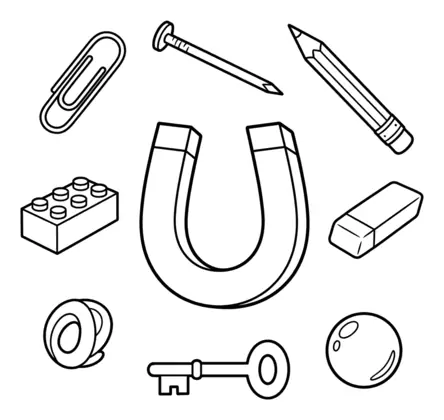
Years 3–4 · Forces and magnetsSheet 112
Magnetic or Not?
Years 3–4 · Teeth and digestionSheet 157
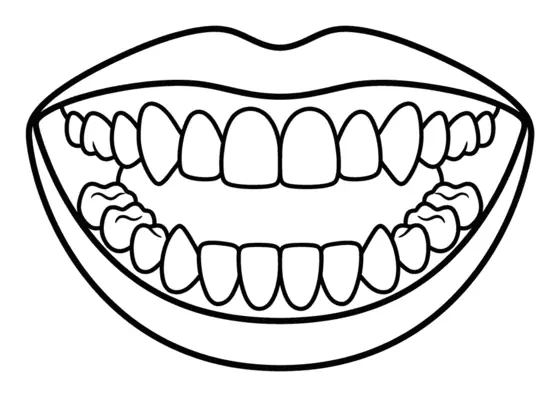
Animal Teeth and What They Eat
Years 3–4 · Food chainsSheet 152
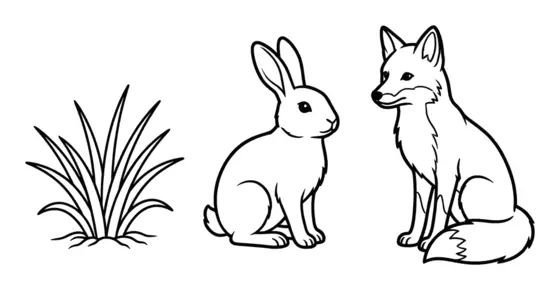
Build a Food Chain: Label and Colour
Years 3–4 · Food chainsSheet 153
Build a Food Chain: Label and True or False
Years 5–6 · Earth and spaceSheet 170
Day and Night on Earth
Years 5–6 · Living things and habitatsSheet 183
Helpful and Harmful Microbes
Educational quiz app · Ages 5-10
More learning in the Owee app
Owee turns topics like this into quizzes for children aged 5 to 10, and a treehouse grows as they learn. No ads, no chat, no strangers.
- Family-friendly
- No ads
- Private
Educational quiz app · Ages 5-10
More learning in the Owee app
Owee turns topics like this into quizzes for children aged 5 to 10, and a treehouse grows as they learn. No ads, no chat, no strangers.
Scan with your phone camera
- Family-friendly
- No ads
- Private