Educational quiz app · Ages 5-10
This is what learning looks like


Educational quiz app · Ages 5-10
This is what learning looks like
No nagging required. Keep the learning going after the worksheet, with every question read aloud and Owee guiding each step.
Scan with your phone camera
- Family-friendly
- No ads
- Private
Science · Colouring and tick worksheet
Deciduous and Evergreen Trees Worksheet (Free KS1 Science)
This free printable worksheet introduces young children to one of the first big ideas in KS1 plant science: that some trees lose their leaves in autumn and winter (deciduous) while others keep their leaves all year round (evergreen). It pairs a colouring activity with a simple tick-the-fact task, so children practise the new vocabulary while doing something they enjoy.
Designed for ages 5 to 7, it prints cleanly onto a single A4 page. Use it at home or in the classroom alongside a walk to look at real trees, and let children compare what they see outside with the two trees on the page: one dropping its leaves, one covered in green needles.
What your child is learning
‘identify and name a variety of common wild and garden plants, including deciduous and evergreen trees’
Year 1 Science: Plants, National Curriculum in England. Source and licence

Deciduous and Evergreen Trees
Free Science worksheet · Ages 5 to 7
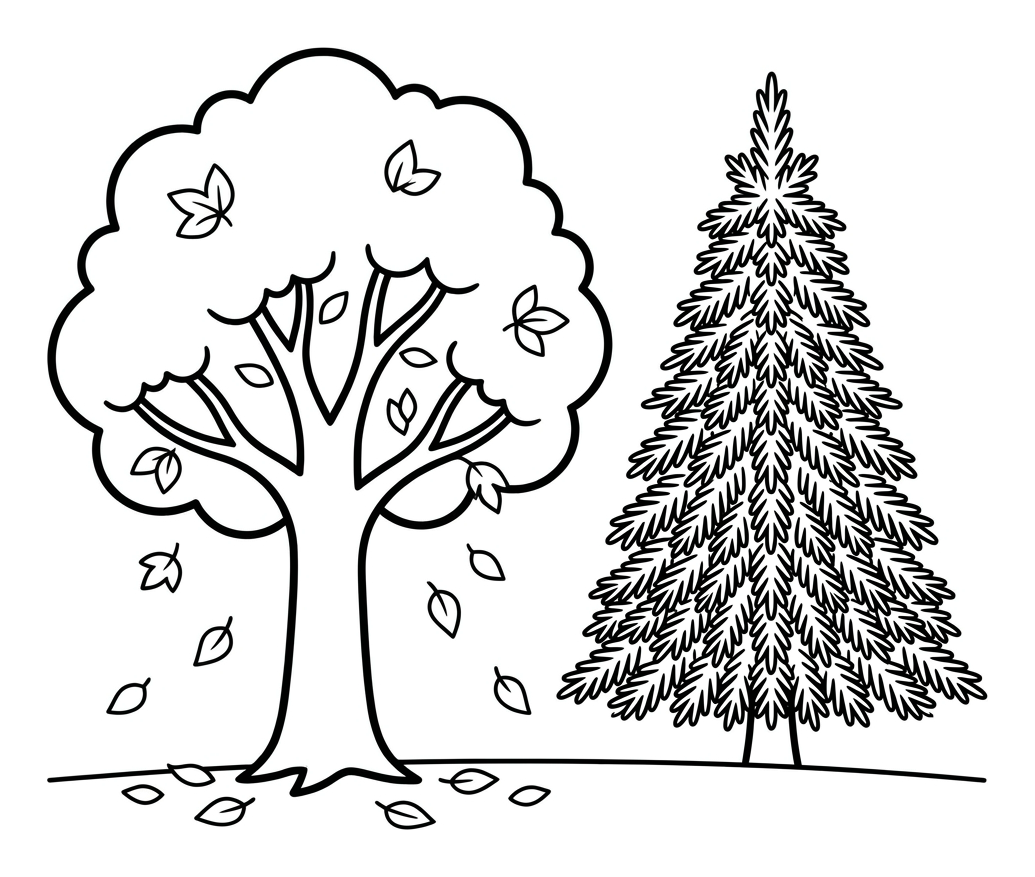
Activity 1
Colour the two trees. The tree on the left is deciduous, so it is losing its leaves. The tree on the right is evergreen, so it stays green all year.
- Colour the evergreen tree's needles green.
- Colour the deciduous tree in autumn colours: yellow, orange and red.
- Colour the falling leaves brown, orange and red.
- Colour both tree trunks brown.
Activity 2
Read each sentence. Tick the box if the sentence is true.
- A deciduous tree loses its leaves in autumn.
- An evergreen tree stays green all year round.
- An evergreen tree is bare with no leaves in winter.
- A deciduous tree grows new leaves in spring.
- All trees lose their leaves in winter.
 Deciduous and Evergreen TreesSheet 39
Answers: Deciduous and Evergreen Trees
Sheet 39
- A deciduous tree loses its leaves in autumn. — True (tick)
- An evergreen tree stays green all year round. — True (tick)
- An evergreen tree is bare with no leaves in winter. — False (no tick)
- A deciduous tree grows new leaves in spring. — True (tick)
- All trees lose their leaves in winter. — False (no tick)
For grown-ups. Free worksheets and the Owee quiz app at owee.world
Answer key
- A deciduous tree loses its leaves in autumn. — True (tick)
- An evergreen tree stays green all year round. — True (tick)
- An evergreen tree is bare with no leaves in winter. — False (no tick)
- A deciduous tree grows new leaves in spring. — True (tick)
- All trees lose their leaves in winter. — False (no tick)
What does deciduous and evergreen mean?
A deciduous tree drops its leaves each autumn and grows fresh ones in spring, so for part of the year its branches are bare. Familiar British examples include oak, beech, sycamore, horse chestnut (the conker tree) and silver birch. An evergreen tree keeps green leaves or needles all year round; it still loses old leaves, but only a few at a time, so it never looks bare. Common British evergreens include holly, Scots pine, yew and many garden conifers. The picture on this worksheet shows the contrast clearly: a broad deciduous tree shedding its leaves beside a needle-covered conifer that stays green right through winter.
How this worksheet supports the KS1 curriculum
In Year 1 of the National Curriculum, children are asked to identify and name a variety of common wild and garden plants, including deciduous and evergreen trees. This sheet focuses squarely on that objective. The colouring task encourages children to look closely at the shape, leaves and trunk of each tree, while the tick-the-fact activity checks that they understand the key difference: deciduous trees lose their leaves, evergreen trees keep them. Working scientifically at this age is mostly about careful observation and using simple vocabulary correctly, both of which this activity practises.
Ideas for parents and teachers
This worksheet works best when it is linked to the real world. Before or after completing it, take children outside to look at trees in a garden, park or hedgerow and ask whether each one is keeping or losing its leaves. Autumn and winter are the easiest times to spot the difference. You might collect a fallen deciduous leaf and a sprig of evergreen needles to compare side by side. Encourage children to use the words deciduous and evergreen aloud, and to explain how they decided which is which. Watch out for beech and oak hedges: they often keep dry brown leaves all winter, which can fool children into calling them evergreen. The leaves are dead, so these are still deciduous.
Extending the learning
Once children are confident, you can stretch the activity in simple ways. Ask them to name one more deciduous tree and one more evergreen tree they have seen. Talk about why a deciduous tree might lose its leaves before winter, linking gently to the idea that there is less light and warmth in the colder months. For confident learners, introduce the idea that conifers (cone-bearing trees) are usually evergreen, and look together at a pine cone. One useful surprise: the larch is a conifer with cones but drops its needles every autumn, so it is deciduous. Keep the language playful and observation-led rather than asking children to memorise lists.
Frequently asked questions
What is the difference between a deciduous and an evergreen tree?
A deciduous tree loses all its leaves each autumn and grows new ones in spring, so its branches are bare for part of the year. An evergreen tree keeps its green leaves or needles all year round and never looks completely bare.
Which common British trees are deciduous?
Oak, beech, sycamore, horse chestnut (the conker tree), ash, silver birch and most fruit trees such as apple are deciduous. They are easy to spot in winter because their branches are bare.
Which common British trees are evergreen?
Holly, Scots pine, yew, and most garden conifers are evergreen. Many have needles or tough, waxy leaves that stay green right through the winter.
What age and key stage is this worksheet for?
It is designed for children aged 5 to 7, covering KS1 (Years 1 and 2). It directly supports the Year 1 science objective on naming deciduous and evergreen trees.
Is this tree worksheet free to print?
Yes. This worksheet is completely free to download and print at home or in the classroom. It is designed to fit neatly onto a single A4 page.
Curriculum links
- Year 1 Science: Plants (statutory): 'identify and name a variety of common wild and garden plants, including deciduous and evergreen trees'
- Year 1 Science, Plants: 'identify and describe the basic structure of a variety of common flowering plants, including trees'
Quoted word for word from Department for Education documents: the National Curriculum in England, the EYFS framework or the RSHE guidance. Contains public sector information licensed under the Open Government Licence v3.0.
Made by The Owee education team. Updated 13/10/2026. Free to print and share.
More science worksheets
All Year 1 Science worksheets →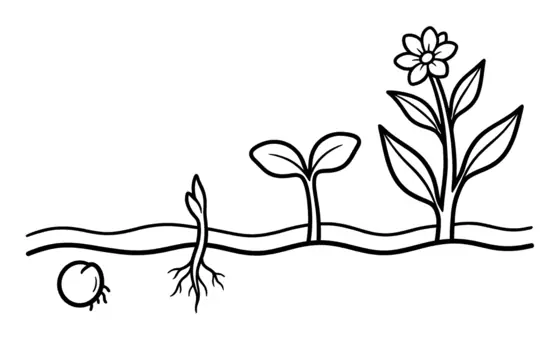
Years 1–2 · PlantsSheet 86
How a Seed Grows
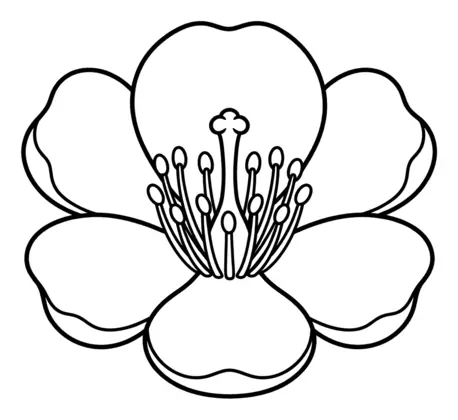
Years 3–5 · PlantsSheet 119
Inside a Flower
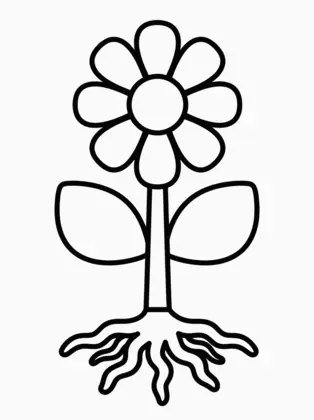
Years 1–2 · PlantsSheet 40
Parts of a Plant
Years 1–2 · AnimalsSheet 79
Animals and Their Survival Needs
Years 1–2 · AnimalsSheet 27
Animals of the Frozen Poles
Years 1–2 · AnimalsSheet 28
British Garden Birds Spotting Sheet
Educational quiz app · Ages 5-10
More learning in the Owee app
Owee turns topics like this into quizzes for children aged 5 to 10, and a treehouse grows as they learn. No ads, no chat, no strangers.
- Family-friendly
- No ads
- Private
Educational quiz app · Ages 5-10
More learning in the Owee app
Owee turns topics like this into quizzes for children aged 5 to 10, and a treehouse grows as they learn. No ads, no chat, no strangers.
Scan with your phone camera
- Family-friendly
- No ads
- Private