Educational quiz app · Ages 5-10
This is what learning looks like


Educational quiz app · Ages 5-10
This is what learning looks like
No nagging required. Keep the learning going after the worksheet, with every question read aloud and Owee guiding each step.
Scan with your phone camera
- Family-friendly
- No ads
- Private
Science · Colouring and short-answer worksheet
Types of Teeth and Their Jobs: Free KS2 Science Worksheet
This free printable worksheet supports the Year 4 science topic Animals, including humans, in which children learn to identify the different types of teeth in the human mouth and describe what each type is for. Children start by looking at their own teeth in a mirror and ticking off each type as they find it, then answer short questions about what each type of tooth does.
Designed for children aged 8 to 9, the sheet pairs a quick mirror task with short written questions so that learners both observe and explain. It prints neatly onto one sheet of A4 and works equally well at home or in the classroom. An answer guide is included below for the grown-up.
What your child is learning
‘identify the different types of teeth in humans and their simple functions’
Year 4 Science: Animals, including humans, National Curriculum in England. Source and licence
Types of Teeth and Their Jobs
Free Science worksheet · Ages 8 to 9
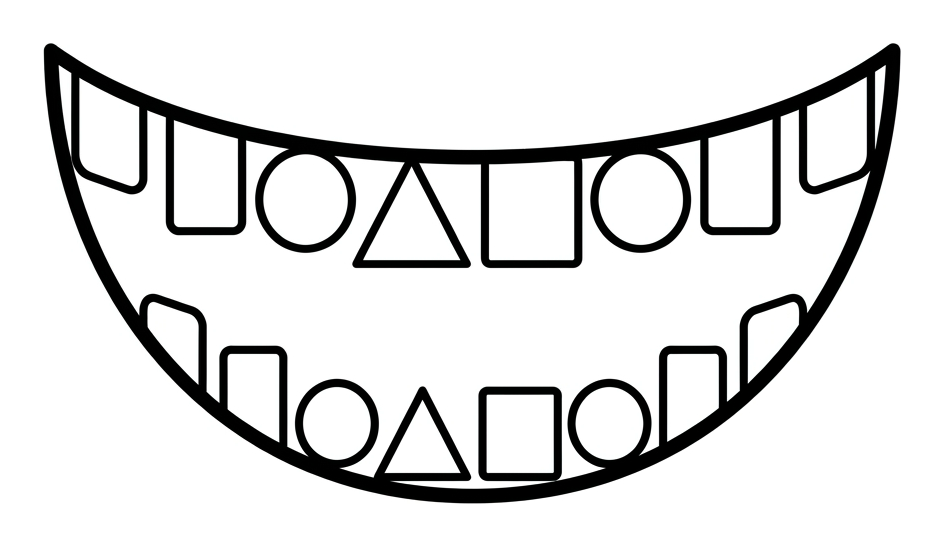
Find your own teeth
Look at your teeth in a mirror. Tick each type of tooth when you find it.
- Flat front teeth, for biting (incisors)
- Pointed teeth at the corners, for tearing (canines)
- Wide, bumpy back teeth, for grinding (molars)
Name the tooth and its job
Answer each question on the line. Use the word bank to help you.
Which flat teeth at the front are used to bite and cut food?
Which pointier teeth grip and tear food?
Which wide teeth at the back grind and crush food?
Write a sentence to describe the job of your molars.
 Types of Teeth and Their JobsSheet 159
Answers: Types of Teeth and Their Jobs
Sheet 159
- Which flat teeth at the front are used to bite and cut food? — Incisors
- Which pointier teeth grip and tear food? — Canines
- Which wide teeth at the back grind and crush food? — Molars
- Write a sentence to describe the job of your molars. — Molars grind and crush food into small pieces ready to swallow.
For grown-ups. Free worksheets and the Owee quiz app at owee.world
Answer key
- Which flat teeth at the front are used to bite and cut food? — Incisors
- Which pointier teeth grip and tear food? — Canines
- Which wide teeth at the back grind and crush food? — Molars
- Write a sentence to describe the job of your molars. — Molars grind and crush food into small pieces ready to swallow.
What this worksheet covers
Humans have four kinds of teeth, but at Key Stage 2 children usually focus on three: incisors, canines and molars (premolars are often introduced as a type of grinding tooth alongside molars). This worksheet asks children to recognise each type by its shape and position and to describe its simple job.
The flat, chisel-shaped incisors at the front bite and cut food. The pointier canines at the corners of the mouth grip and tear. The broad, lumpy molars at the back grind and crush food into small pieces ready to swallow. Linking each shape to its function helps children understand that a tooth's form matches the job it does.
How to use the sheet at home or in class
Begin with the mirror task. Invite the child to look in a mirror, or to feel their own teeth gently with a clean finger, and notice how the front teeth feel thin and flat while the back teeth feel wide and bumpy. They tick each type of tooth as they find it, which makes the link between their own mouth and the scientific names.
Move on to the written questions, encouraging full sentences such as ‘Molars grind and crush food.’ A small word bank is provided to support spelling and to scaffold less confident writers. For an extension, ask the child to name a food that each type of tooth is especially good for, such as biting an apple with incisors.
Common misconceptions to watch for
Children often assume every tooth does the same job, or that the sharp canines are for chewing. Ask them to chew a piece of apple slowly and notice that the chewing actually happens at the back, where the wide molars meet. Another common mix-up is confusing ‘canines’ with dogs; it helps to mention that the name comes from the slightly fang-like shape, which all of us have.
Children aged 8 and 9 have a mix of milk teeth and new adult teeth, and some will have gaps. If they cannot find every type, or a back tooth looks small, reassure them this is completely normal.
Why looking after teeth matters
The Year 4 curriculum also asks children to think about keeping teeth healthy. Once the types of teeth are clear, you can extend the discussion to dental care: brushing twice a day, reducing sugary snacks and drinks, and visiting the dentist. Linking the grinding job of molars to the food that gets trapped in them gives a memorable reason for careful brushing.
This makes a natural follow-on conversation after the worksheet and connects classroom science to a useful everyday habit, without ever making the topic feel like a lecture.
Frequently asked questions
What are the three main types of teeth children learn at KS2?
At Key Stage 2 children usually learn three types: incisors (the flat front teeth for biting), canines (the pointier teeth for tearing) and molars (the wide back teeth for grinding). Premolars are sometimes introduced as a fourth type that also helps with grinding.
What is the job of each type of tooth?
Incisors bite and cut food, canines grip and tear it, and molars grind and crush it into small pieces ready to swallow. Each tooth's shape matches the job it does.
Is this worksheet suitable for Year 4 science?
Yes. It is written for children aged 8 to 9 and directly supports the Year 4 Animals, including humans objective to identify the different types of teeth and describe their simple functions.
How many teeth does a child have compared with an adult?
Children have 20 milk (baby) teeth, while a full adult set has 32 teeth, including the wisdom teeth. At 8 or 9, most children have a mix of milk teeth and adult teeth, so their own mouth may look a little different from an adult's.
Is the worksheet free to print?
Yes. The worksheet is completely free, prints onto a single sheet of A4 and can be used as many times as you like at home or in the classroom.
Curriculum links
- Year 4 Science: Animals, including humans (statutory): 'identify the different types of teeth in humans and their simple functions'
- Year 4 Science, Animals including humans: 'describe the simple functions of the basic parts of the digestive system in humans'
- Working scientifically (Years 3 and 4): 'identifying differences, similarities or changes related to simple scientific ideas and processes'
Quoted word for word from Department for Education documents: the National Curriculum in England, the EYFS framework or the RSHE guidance. Contains public sector information licensed under the Open Government Licence v3.0.
Made by The Owee education team. Updated 13/10/2026. Free to print and share.
More science worksheets
All Year 4 Science worksheets →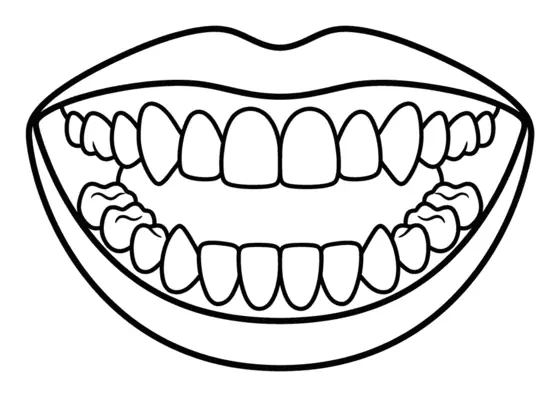
Years 3–4 · Teeth and digestionSheet 157
Animal Teeth and What They Eat
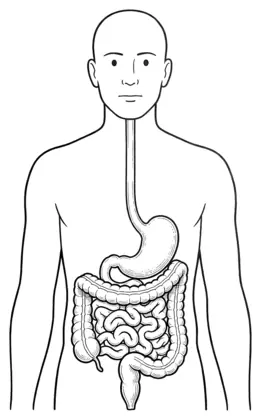
Years 4–5 · Teeth and digestionSheet 158
The Human Digestive System
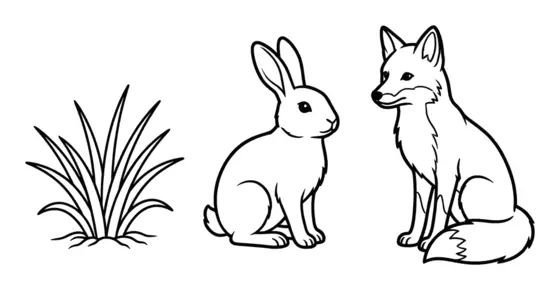
Years 3–4 · Food chainsSheet 152
Build a Food Chain: Label and Colour
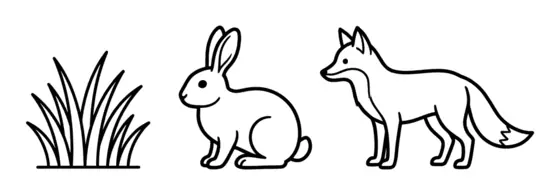
Years 3–4 · Food chainsSheet 153
Build a Food Chain: Label and True or False
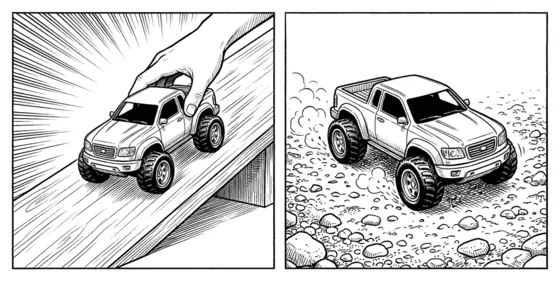
Years 3–5 · Forces and magnetsSheet 175
Forces and Friction
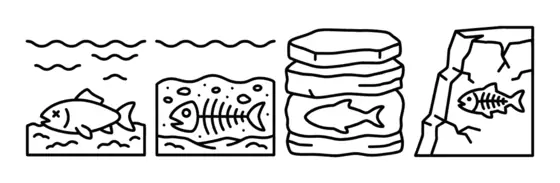
Years 3–4 · Rocks and fossilsSheet 120
How a Fossil Is Made
Educational quiz app · Ages 5-10
More learning in the Owee app
Owee turns topics like this into quizzes for children aged 5 to 10, and a treehouse grows as they learn. No ads, no chat, no strangers.
- Family-friendly
- No ads
- Private
Educational quiz app · Ages 5-10
More learning in the Owee app
Owee turns topics like this into quizzes for children aged 5 to 10, and a treehouse grows as they learn. No ads, no chat, no strangers.
Scan with your phone camera
- Family-friendly
- No ads
- Private