
Educational quiz app · Ages 5-10
This is what learning looks like


Educational quiz app · Ages 5-10
This is what learning looks like
No nagging required. Keep the learning going after the worksheet, with every question read aloud and Owee guiding each step.
Scan with your phone camera
- Family-friendly
- No ads
- Private
Free Year 3 science worksheets (age 7-8)
Year 3 science, for ages 7 to 8, has five topics. Plants: what each part of a flowering plant does, and how flowers lead to seeds. Animals, including humans: nutrition, and the skeletons and muscles that support, protect and move us. Rocks: comparing rock types and how fossils form. Light: how shadows are made and why we protect our eyes from the sun. Forces and magnets: how things move on different surfaces and how magnets attract and repel.
There are sheets here for all five, including Mary Anning and fossils, a magnetic sort, the Eatwell Guide and a bean plant life cycle. Some Year 4 sheets, such as teeth, food chains and states of matter, are included for children ready to go further.
In Northern Ireland this is Primary 4, and in Scotland roughly Primary 4. Wales calls it Year 3.
Also known as: Scotland P4 · Northern Ireland P4 · Wales Year 3
Food chains
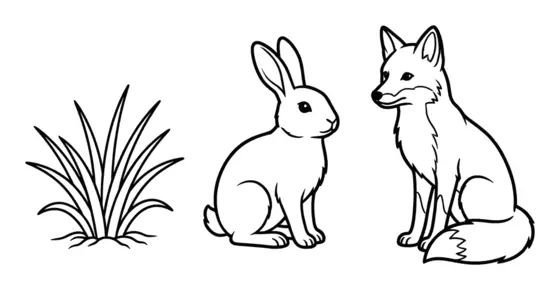
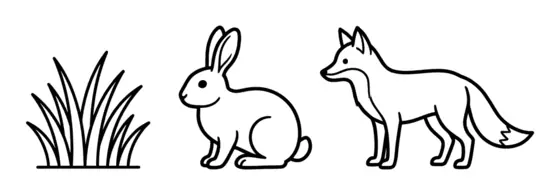
Children learn how living things depend on each other for food, building simple food chains and naming producers, predators and prey.
Forces and magnets
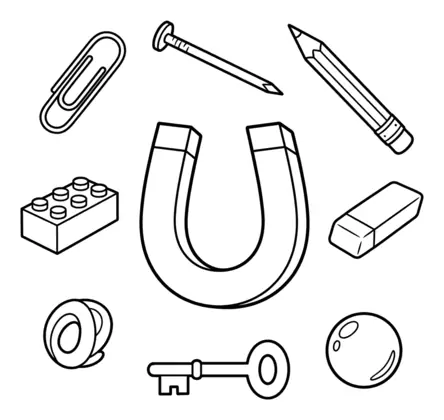
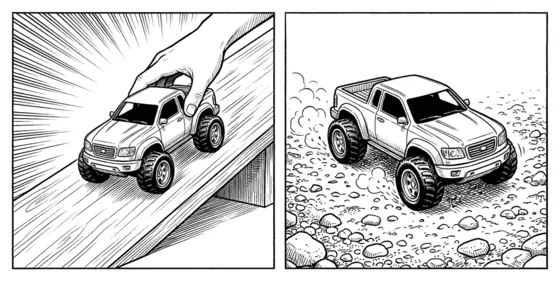
Children explore pushes and pulls, how things move on rough and smooth surfaces, friction, and which materials magnets attract.
Healthy living
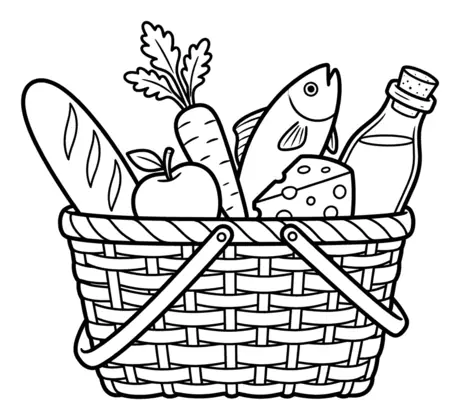
Children learn why we need a balanced diet, exercise and good hygiene such as handwashing, and how food groups like those in the Eatwell Guide help us stay healthy.
Human body
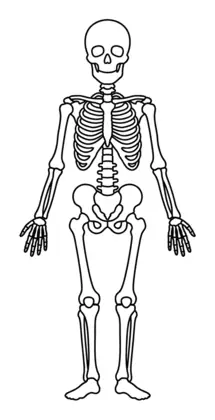
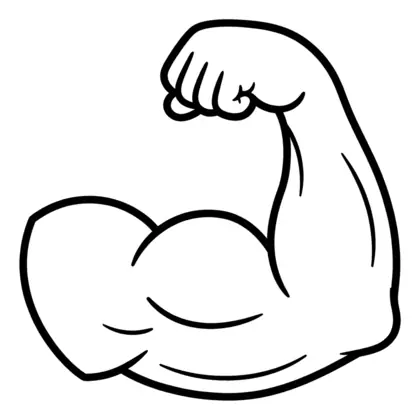
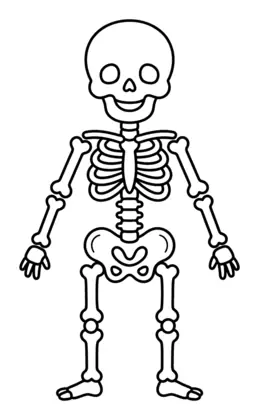
All human body worksheets →Children name the parts of the body and the five senses, learn how the skeleton and muscles support and move us, and in Year 6 how the heart and blood vessels work.
Life cycles
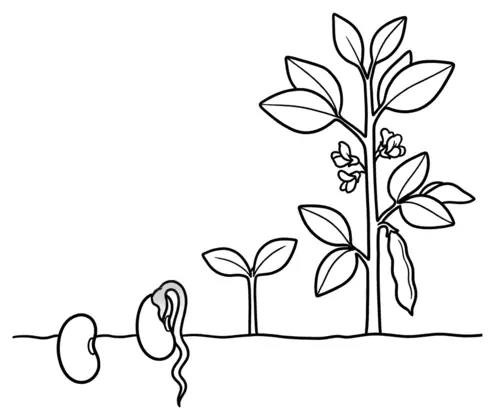
All life cycles worksheets →Children see how living things grow and change, from frogspawn to frog, caterpillar to butterfly and seed to flowering plant, and later compare life cycles of different animals.
Light
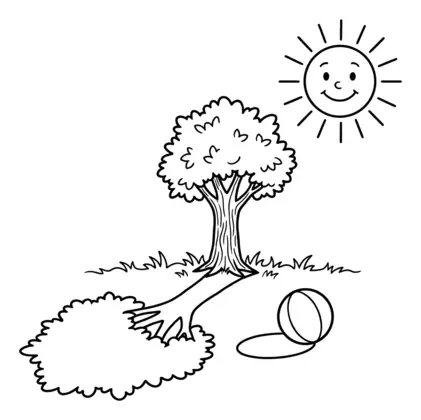
Children learn that we need light to see, how shadows form when light is blocked, and in Year 6 that light travels in straight lines into our eyes.
Living things and habitats
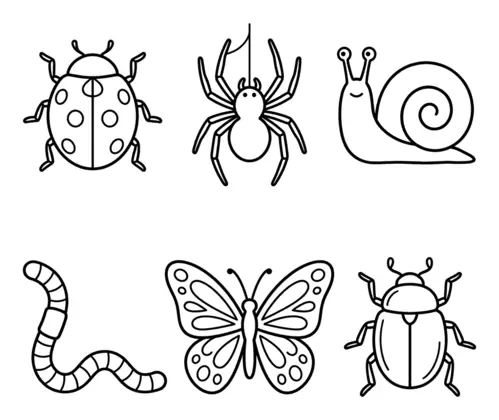
Children sort things into living, dead and never alive, explore where plants and animals live, and use classification keys to group and identify living things.
Plants
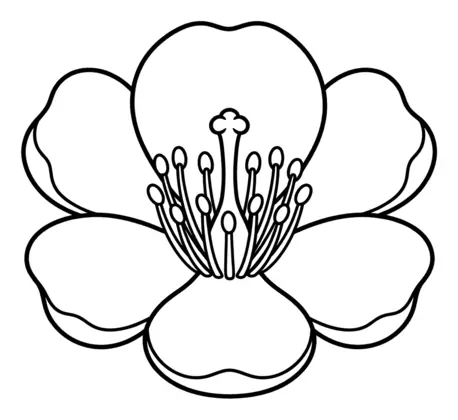
All plants worksheets →Children name common plants and trees and their parts, find out what plants need to grow, and in Year 3 learn what roots, stems, leaves and flowers each do.
Rocks and fossils
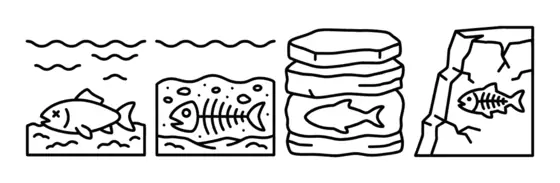
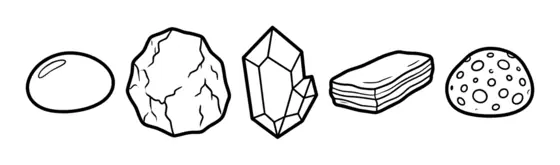
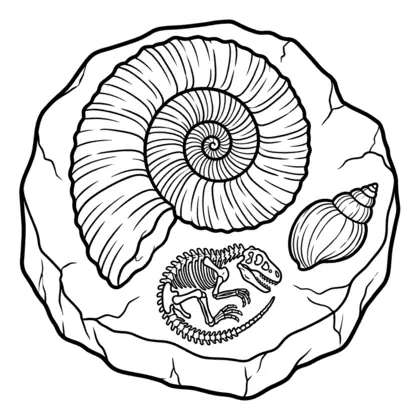
Children compare different rocks by how they look and feel, learn how fossils form over millions of years, and find out about soil.
Sound
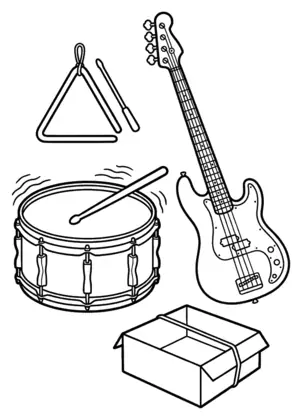
Children learn that sounds are made by vibrations that travel to the ear, and how pitch and volume link to the object making the sound.
States of matter
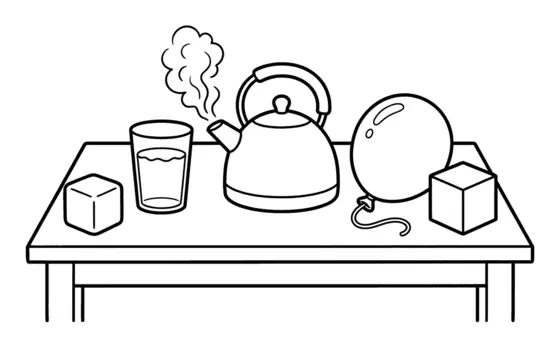
Children sort materials into solids, liquids and gases and find out how heating and cooling can change a material from one state to another.
Teeth and digestion
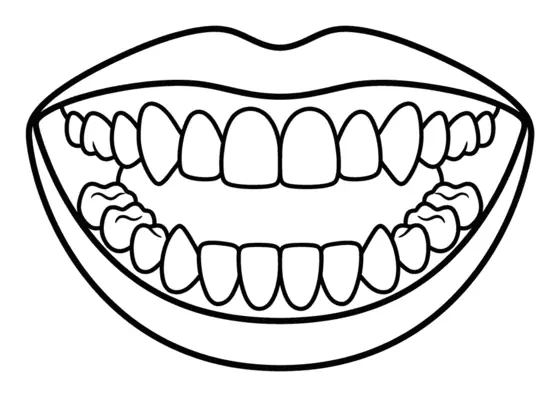
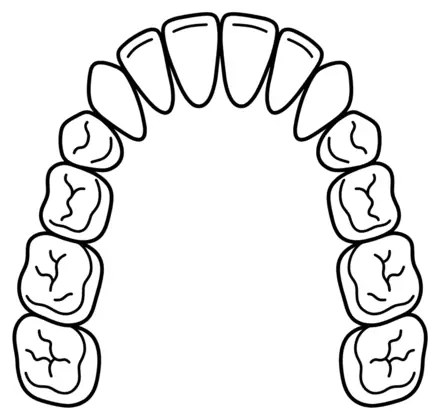
Children learn the different types of teeth and their jobs, and follow food through the digestive system from mouth to intestines.
Water cycle
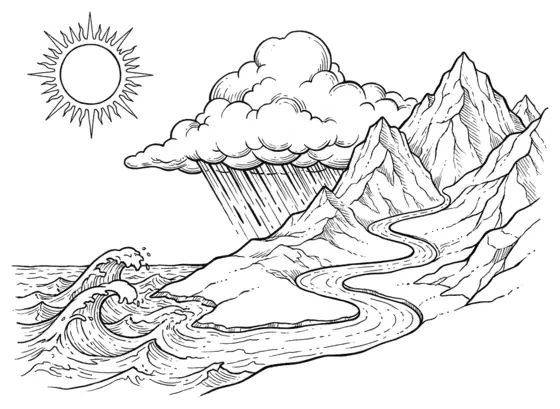
Children learn how evaporation and condensation move water between the sea, the sky and the land, and why water evaporates faster when it is warm.
Simple experiments at home
The Year 3 sheets pair well with quick experiments. Make shadow puppets with a torch and watch how the shadow changes as you move closer to the wall. Test which household objects a fridge magnet picks up. Roll a toy car across carpet, a tray and a towel to see how the surface changes how far it goes. Ask your child to predict first, then check.
Questions parents ask
Who was Mary Anning?
Mary Anning was a fossil collector from Lyme Regis in Dorset, born in 1799. When she was about 12 she uncovered much of an ichthyosaur skeleton, and later found other important sea reptile fossils. Her story is a good way into the Year 3 topic on rocks and fossils.
Why is the Eatwell Guide on a science page?
Year 3 science asks children to understand that animals, including humans, need the right types and amounts of nutrition and get it from what they eat. The Eatwell Guide shows the main food groups and roughly how much of each makes a healthy diet.
Do I need special equipment?
No. Every sheet works with a pencil and coloured pencils. A torch, a magnet or a few stones from the garden make the topics more hands-on, but they are optional.
Educational quiz app · Ages 5-10
More learning in the Owee app
Owee turns topics like this into quizzes for children aged 5 to 10, and a treehouse grows as they learn. No ads, no chat, no strangers.
- Family-friendly
- No ads
- Private
Educational quiz app · Ages 5-10
More learning in the Owee app
Owee turns topics like this into quizzes for children aged 5 to 10, and a treehouse grows as they learn. No ads, no chat, no strangers.
Scan with your phone camera
- Family-friendly
- No ads
- Private