Educational quiz app · Ages 5-10
This is what learning looks like


Educational quiz app · Ages 5-10
This is what learning looks like
No nagging required. Keep the learning going after the worksheet, with every question read aloud and Owee guiding each step.
Scan with your phone camera
- Family-friendly
- No ads
- Private
Science · Colouring and labelling worksheet
Meet an Astronaut: Free KS1 Spacesuit Worksheet (Ages 5 to 7)
Astronauts are a good way into talking about space while building everyday science vocabulary. This free, printable worksheet asks children aged 5 to 7 to colour a friendly astronaut and then name the main parts of the spacesuit, gently introducing the idea that the suit keeps the astronaut safe in space.
It prints to a single A4 page and works equally well at the kitchen table or as a Year 1 or Year 2 topic-time activity. Five numbered markers sit on the picture, and a simple word bank means children copy each word rather than spelling it from memory.
What your child is learning
‘identifying and classifying’
Science (Working scientifically, Years 1 and 2), National Curriculum in England. Source and licence
Meet an Astronaut
Free Science worksheet · Ages 5 to 7
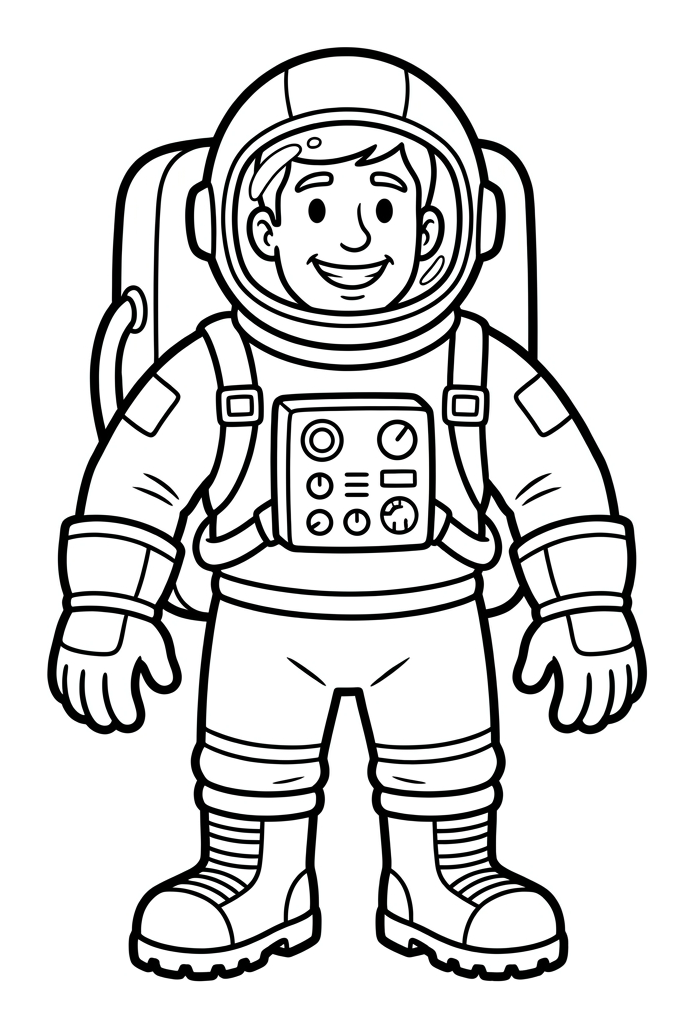
Colour the astronaut
Colour the astronaut. You could make the suit white, the visor blue and the boots any colour you like.
Name the parts of the spacesuit
Look at the numbers on the picture. Write the name of each part on the line with the same number. Use the word bank.
- 1
- 2
- 3
- 4
- 5
Talk about it
Talk about this question with a grown-up. Then write or draw your answer.
Why does an astronaut need a spacesuit in space?
 Meet an AstronautSheet 33
Answers: Meet an Astronaut
Sheet 33
- 1. helmet
- 2. visor
- 3. backpack
- 4. gloves
- 5. boots
- Why does an astronaut need a spacesuit in space? — There is no air to breathe in space and it can be very hot or very cold, so the suit gives the astronaut air and keeps them safe and warm.
For grown-ups. Free worksheets and the Owee quiz app at owee.world
Answer key
- 1. helmet
- 2. visor
- 3. backpack
- 4. gloves
- 5. boots
- Why does an astronaut need a spacesuit in space? — There is no air to breathe in space and it can be very hot or very cold, so the suit gives the astronaut air and keeps them safe and warm.
What your child will learn
This worksheet supports two simple but valuable skills. First, children practise observing carefully and naming what they see, identifying the helmet, visor, backpack, gloves and boots that make up a spacesuit. Second, they begin to explain why, talking about how the suit protects an astronaut where there is no air to breathe and where it can be very hot or very cold. Naming parts and giving a simple reason are foundations of working scientifically at Key Stage 1, and they also stretch the vocabulary children can use when they talk and write about space.
Why astronauts need a spacesuit
Space is a place where people cannot survive without protection, and a spacesuit solves several problems at once. There is no air to breathe in space, so the backpack carries oxygen and helps the astronaut breathe. The temperature can swing from extremely hot in sunlight to extremely cold in shadow, so the layered suit keeps the body at a steady, comfortable temperature. The visor shields the eyes from the Sun's bright glare, the thick gloves protect the hands while still allowing the astronaut to grip tools, and the sturdy boots help with moving about. You do not need to explain every detail to a five-year-old; a friendly summary such as 'the suit gives the astronaut air to breathe and keeps them safe and warm' is exactly right for this age.
How to use this worksheet at home or in class
Begin with the picture. Invite the child to colour the astronaut however they like, then point to each numbered marker and ask, 'What is this called?' Read the word bank together so they can find the right word and copy it onto the line with the same number. The backpack is easy to miss because it peeps out behind the shoulders, so it is worth pointing it out. For the talking task, keep it open and unhurried; questions such as 'Why do you think the astronaut wears a big helmet?' encourage children to reason aloud, which is more important than getting a textbook answer. Reading a picture book about space first, or watching a short clip of a real astronaut, gives children plenty of language to draw on. The sheet also pairs naturally with a History conversation about significant individuals, for example Neil Armstrong, Tim Peake or Mae Jemison.
Extending the learning
Once children are confident naming the parts, you can deepen the activity in a few ways. Ask them to sort the parts by what they do, for example 'helps you breathe', 'keeps you warm' or 'protects you'. Encourage a simple full sentence such as 'The astronaut wears gloves to keep their hands safe.' For a creative finish, children could design their own mission patch or label their drawing with the new words once they are ready to write independently. These small steps build confidence with scientific vocabulary and with the idea that objects are designed to do a particular job.
Frequently asked questions
What are the main parts of an astronaut's spacesuit?
For Key Stage 1, the parts to name are the helmet, the visor (the clear part you look through), the backpack, the gloves and the boots. Older children can also learn about the chest control panel.
Why do astronauts wear spacesuits?
A spacesuit gives an astronaut air to breathe because there is no air in space, keeps the body at a safe temperature when it is very hot or very cold, and protects the eyes, hands and feet. A simple summary for young children is 'the suit gives air to breathe and keeps the astronaut safe and warm'.
What age is this astronaut worksheet for?
It is designed for children aged 5 to 7, which covers Years 1 and 2 (Key Stage 1). The labelling task uses a word bank, so it suits children who are still building their reading and writing confidence.
Is this astronaut worksheet free to print?
Yes. The worksheet is completely free, prints to a single A4 page, and can be used at home or in the classroom as many times as you like.
How does this worksheet link to the National Curriculum?
It supports Key Stage 1 working scientifically through identifying, classifying and observing, builds English vocabulary, and links naturally to the History topic on the lives of significant individuals such as famous astronauts.
Curriculum links
- Science (Working scientifically, Years 1 and 2): 'identifying and classifying'
- Science (Working scientifically, Years 1 and 2): 'using their observations and ideas to suggest answers to questions'
Quoted word for word from Department for Education documents: the National Curriculum in England, the EYFS framework or the RSHE guidance. Contains public sector information licensed under the Open Government Licence v3.0.
Made by The Owee education team. Updated 13/10/2026. Free to print and share.
More science worksheets
All Year 1 Science worksheets →
Years 5–6 · Earth and spaceSheet 170
Day and Night on Earth
Years 1–2 · Earth and spaceSheet 32
Label a Space Rocket
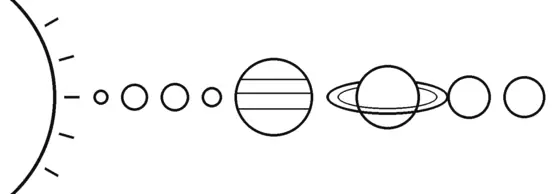
Years 5–6 · Earth and spaceSheet 171
Order of the Planets
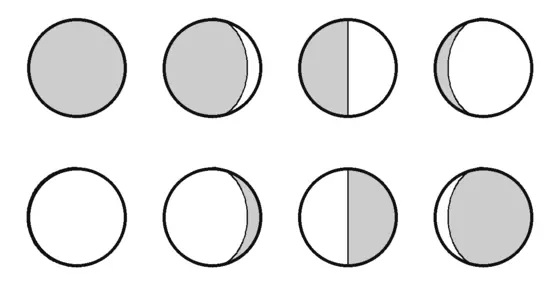
Years 5–6 · Earth and spaceSheet 172
Phases of the Moon
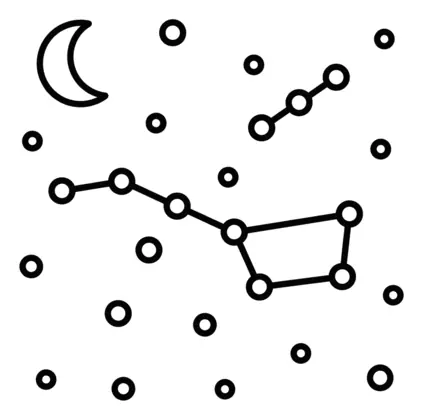
Years 5–6 · Earth and spaceSheet 173
Star Patterns in the Night Sky
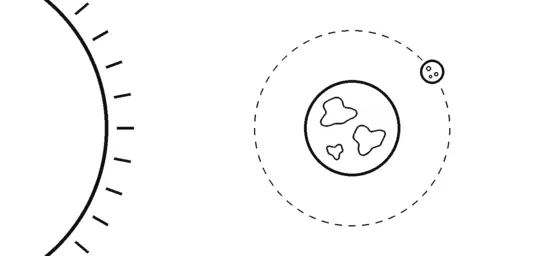
Years 5–6 · Earth and spaceSheet 174
The Earth, Sun and Moon
Educational quiz app · Ages 5-10
More learning in the Owee app
Owee turns topics like this into quizzes for children aged 5 to 10, and a treehouse grows as they learn. No ads, no chat, no strangers.
- Family-friendly
- No ads
- Private
Educational quiz app · Ages 5-10
More learning in the Owee app
Owee turns topics like this into quizzes for children aged 5 to 10, and a treehouse grows as they learn. No ads, no chat, no strangers.
Scan with your phone camera
- Family-friendly
- No ads
- Private