Educational quiz app · Ages 5-10
This is what learning looks like


Educational quiz app · Ages 5-10
This is what learning looks like
No nagging required. Keep the learning going after the worksheet, with every question read aloud and Owee guiding each step.
Scan with your phone camera
- Family-friendly
- No ads
- Private
Science · Colouring, true-or-false and short-answer worksheet
Day and Night on Earth: Free KS2 Science Worksheet (Ages 9 to 11)
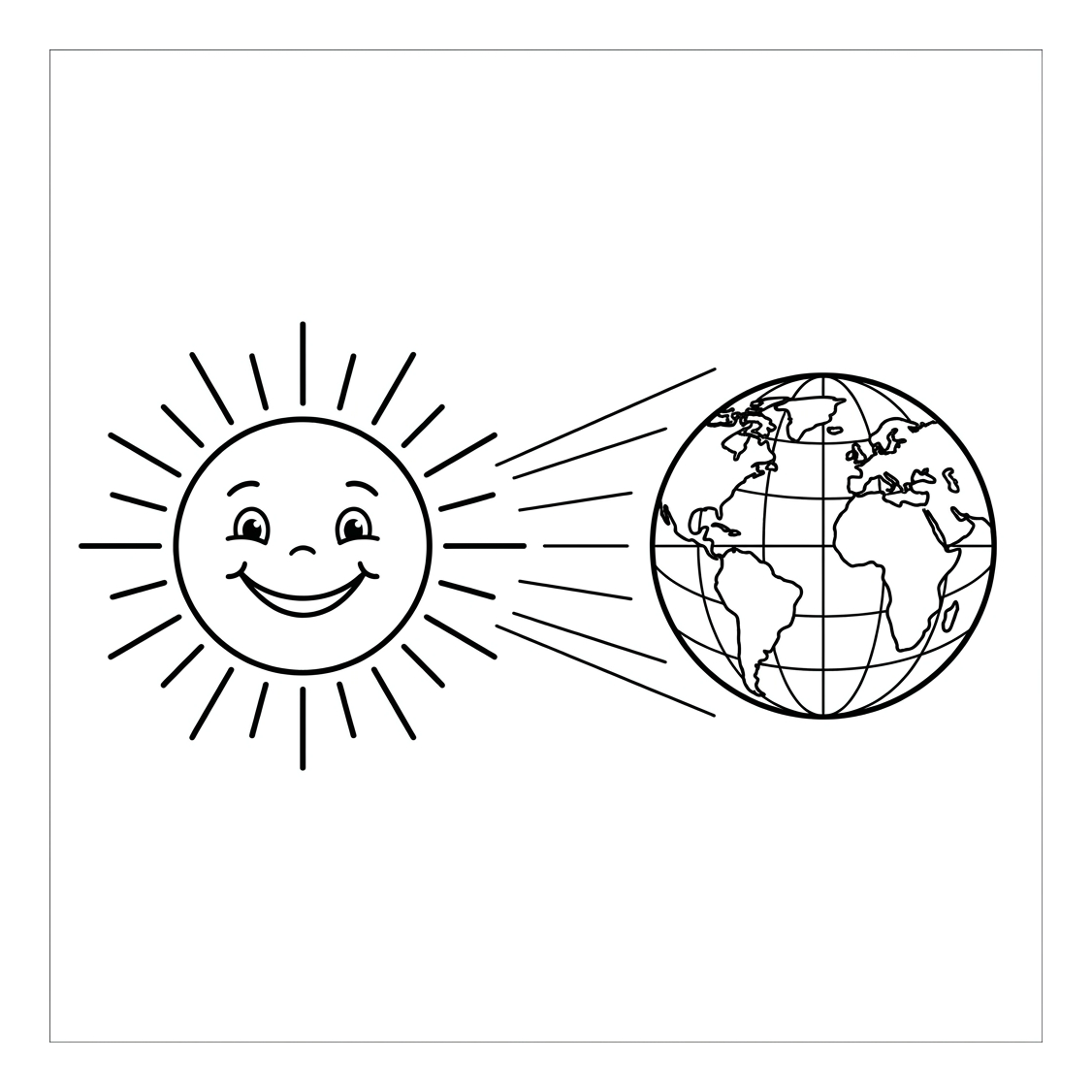
This free printable worksheet helps children in Years 5 and 6 understand one of the biggest ideas in the Earth and space topic: why we have day and night. The picture shows sunlight reaching the side of the Earth that faces the Sun, giving pupils a simple model to colour and talk about.
It is designed to print neatly onto a single A4 page. Children colour the illustration, work through a set of true-or-false statements, and answer short questions in their own words. The activities reinforce the key point that the Earth rotates on its axis once every 24 hours, rather than the Sun moving around the Earth.
What your child is learning
‘use the idea of the Earth’s rotation to explain day and night and the apparent movement of the sun across the sky’
Year 5 Science: Earth and space, National Curriculum in England. Source and licence
Day and Night on Earth
Free Science worksheet · Ages 9 to 11
Activity 1
Draw a line down the middle of the Earth, from top to bottom. Then colour the picture.
- Colour the Sun yellow and orange.
- Colour the half of the Earth nearest the Sun in bright daytime colours.
- Colour the half of the Earth turned away from the Sun in a dark night-time colour.
Activity 2
Read each sentence. Tick the box only if the sentence is true.
- The Earth spins once on its axis about every 24 hours.
- The side of the Earth facing the Sun has daytime.
- The Sun moves around the Earth to make day and night.
- The Sun seems to move across the sky because the Earth is turning.
- Day and night happen because the Earth goes round the Sun once a year.
Activity 3
Answer each question in a full sentence. Try to use the science words from the box.
What causes day and night?
How long does the Earth take to spin around once?
Why is it night on the side of the Earth turned away from the Sun?
 Day and Night on EarthSheet 170
Answers: Day and Night on Earth
Sheet 170
- The Earth spins once on its axis about every 24 hours. — True: tick it
- The side of the Earth facing the Sun has daytime. — True: tick it
- The Sun moves around the Earth to make day and night. — False: no tick. The Earth spins; the Sun only seems to move.
- The Sun seems to move across the sky because the Earth is turning. — True: tick it
- Day and night happen because the Earth goes round the Sun once a year. — False: no tick. Going round the Sun takes a year; spinning gives day and night.
- What causes day and night? — The Earth rotating (spinning) on its axis.
- How long does the Earth take to spin around once? — About 24 hours, which is one day.
- Why is it night on the side of the Earth turned away from the Sun? — Sunlight cannot reach it, so it is in shadow.
For grown-ups. Free worksheets and the Owee quiz app at owee.world
Answer key
- The Earth spins once on its axis about every 24 hours. — True: tick it
- The side of the Earth facing the Sun has daytime. — True: tick it
- The Sun moves around the Earth to make day and night. — False: no tick. The Earth spins; the Sun only seems to move.
- The Sun seems to move across the sky because the Earth is turning. — True: tick it
- Day and night happen because the Earth goes round the Sun once a year. — False: no tick. Going round the Sun takes a year; spinning gives day and night.
- What causes day and night? — The Earth rotating (spinning) on its axis.
- How long does the Earth take to spin around once? — About 24 hours, which is one day.
- Why is it night on the side of the Earth turned away from the Sun? — Sunlight cannot reach it, so it is in shadow.
What causes day and night?
Day and night happen because the Earth is constantly spinning, or rotating, on its axis. The axis is an imaginary line running through the planet from the North Pole to the South Pole. The Earth completes one full rotation roughly every 24 hours, which is why a day lasts 24 hours.
At any moment, only the half of the Earth facing the Sun is lit, and the people living there experience daytime. The half turned away from the Sun is in shadow, so it is night-time. As the Earth keeps turning, places gradually move from the lit side into shadow and back again, giving us the regular cycle of sunrise, day, sunset and night.
It is the Earth that moves, not the Sun
A common misconception, even among older children, is that the Sun travels across the sky and around the Earth. In fact the Sun is effectively still relative to us, and it is the Earth's rotation that makes the Sun appear to rise in the east, arc across the sky and set in the west.
This worksheet deliberately revisits that idea, because Year 5 pupils are expected to use the Earth's rotation to explain the apparent movement of the Sun. Encouraging children to describe the Sun's movement as 'apparent' rather than real is a useful way to check genuine understanding.
How to use this worksheet at home or in class
Begin by colouring the picture together and talking about which side of the Earth is in daylight and which side is in darkness. A torch and a globe (or an orange) make a good practical demonstration: shine the torch on one side and slowly turn the globe to show how a single spot moves from day into night.
The true-or-false statements work well as a quick recap or assessment, while the short-answer questions give children the chance to explain ideas in full sentences. Encourage the use of accurate vocabulary such as rotate, axis, daylight and shadow.
Linking to the wider Earth and space topic
Day and night is usually taught alongside the Earth's orbit of the Sun, the phases of the Moon and the seasons. Keeping these ideas separate matters: day and night are caused by the Earth's rotation (once every 24 hours), a year is the time the Earth takes to orbit the Sun (about 365¼ days), and the seasons come from the tilt of the Earth's axis as it travels round that orbit. A common mix-up is to think day and night happen because the Earth goes round the Sun; the true-or-false task checks for this.
Once children are secure with this worksheet, you might explore why some countries are ahead in time, why the length of daylight changes through the year, or how astronauts on the International Space Station see many sunrises in a single Earth day.
Frequently asked questions
What causes day and night for KS2?
Day and night are caused by the Earth spinning, or rotating, on its axis once every 24 hours. The half of the Earth facing the Sun has daytime, while the half turned away from the Sun is in shadow and has night-time.
How long does the Earth take to spin once?
The Earth takes approximately 24 hours to complete one full rotation on its axis. This single spin is what gives us one day and one night.
Does the Sun move around the Earth?
No. The Sun appears to move across the sky, but this is an illusion caused by the Earth's rotation. It is the Earth that turns, making the Sun seem to rise in the east and set in the west.
Is this worksheet suitable for Year 5?
Yes. It is aimed at children aged 9 to 11 in Years 5 and 6, and directly supports the Year 5 Earth and space objective on using the Earth's rotation to explain day and night.
Is the day and night worksheet free to print?
Yes. The worksheet is completely free to download and print at home or in the classroom, and it fits neatly onto a single A4 page.
Curriculum links
- Year 5 Science: Earth and space (statutory): 'use the idea of the Earth’s rotation to explain day and night and the apparent movement of the sun across the sky'
- Year 5 Science, Earth and space: 'describe the movement of the Earth, and other planets, relative to the Sun in the solar system'
Quoted word for word from Department for Education documents: the National Curriculum in England, the EYFS framework or the RSHE guidance. Contains public sector information licensed under the Open Government Licence v3.0.
Made by The Owee education team. Updated 13/10/2026. Free to print and share.
More science worksheets
All Year 5 Science worksheets →
Years 1–2 · Earth and spaceSheet 32
Label a Space Rocket
Years 1–2 · Earth and spaceSheet 33
Meet an Astronaut
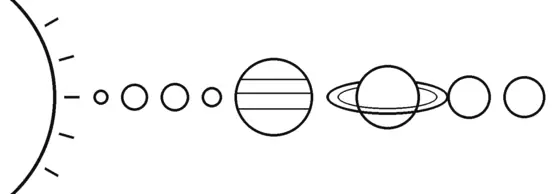
Years 5–6 · Earth and spaceSheet 171
Order of the Planets
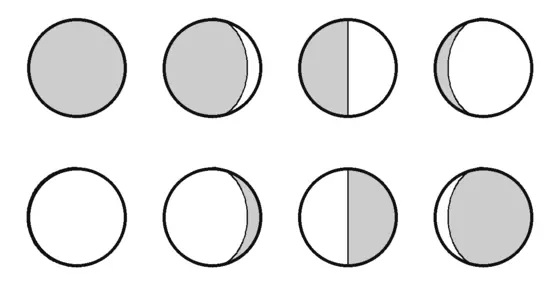
Years 5–6 · Earth and spaceSheet 172
Phases of the Moon
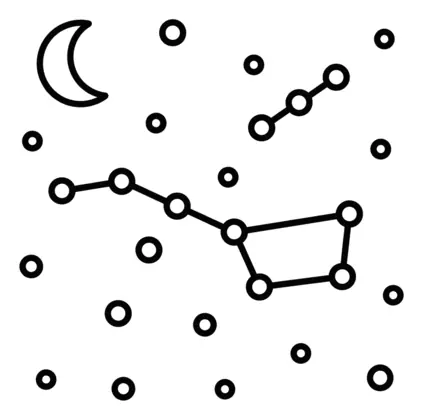
Years 5–6 · Earth and spaceSheet 173
Star Patterns in the Night Sky
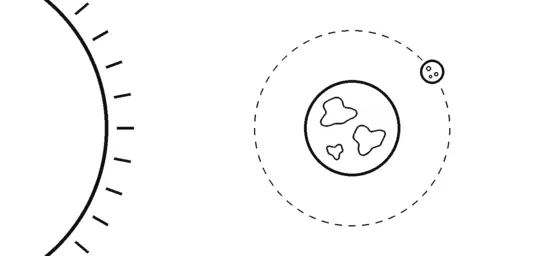
Years 5–6 · Earth and spaceSheet 174
The Earth, Sun and Moon
Educational quiz app · Ages 5-10
More learning in the Owee app
Owee turns topics like this into quizzes for children aged 5 to 10, and a treehouse grows as they learn. No ads, no chat, no strangers.
- Family-friendly
- No ads
- Private
Educational quiz app · Ages 5-10
More learning in the Owee app
Owee turns topics like this into quizzes for children aged 5 to 10, and a treehouse grows as they learn. No ads, no chat, no strangers.
Scan with your phone camera
- Family-friendly
- No ads
- Private