Educational quiz app · Ages 5-10
This is what learning looks like


Educational quiz app · Ages 5-10
This is what learning looks like
No nagging required. Keep the learning going after the worksheet, with every question read aloud and Owee guiding each step.
Scan with your phone camera
- Family-friendly
- No ads
- Private
Science · Colouring and short-answer worksheet
Sound and Pitch Worksheet (Free KS2 Science Printable)
Sound is one of the most hands-on topics in the Year 4 science curriculum, and it is easy to explore at home or in the classroom with everyday objects. This free printable worksheet helps children connect what they hear to what is actually happening: every sound begins with something vibrating, and the size of that vibrating object affects the pitch of the note we hear.
The sheet pairs a calm colouring task with a few short questions, so children think about the science while they work. It prints cleanly onto a single A4 page and needs nothing more than colouring pencils and, ideally, a real instrument or stretched elastic band to try the ideas for themselves.
What your child is learning
‘find patterns between the pitch of a sound and features of the object that produced it’
Year 4 Science: Sound, National Curriculum in England. Source and licence
Sounds and Pitch
Free Science worksheet · Ages 8 to 9
Activity 1
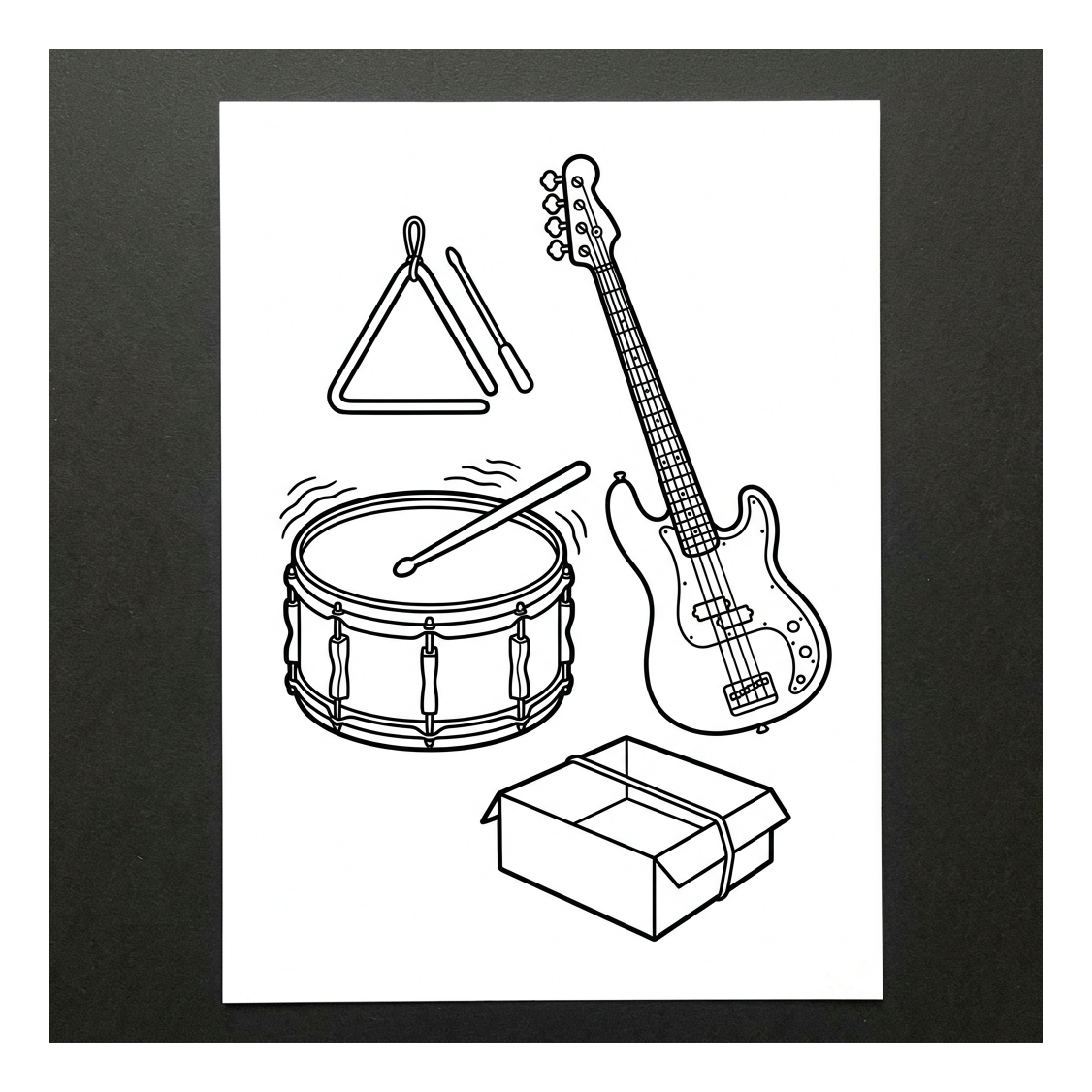
Colour the picture. Warm colours are red, orange and yellow. Cool colours are blue, green and purple.
- The small triangle makes a high sound. Colour it in a warm colour.
- The large guitar makes a low sound. Colour it in a cool colour.
- Colour the drum and the box any colours you like.
Activity 2
Write your answers on the lines. Use the word bank to help you.
What does an object have to do to make a sound?
Do smaller objects usually make a higher or a lower pitch?
If you tap the triangle harder, which changes: the pitch or the volume?
Vibrations travel through the air to reach which part of your body?
 Sounds and PitchSheet 155
Answers: Sounds and Pitch
Sheet 155
- What does an object have to do to make a sound? — It has to vibrate (move quickly back and forth).
- Do smaller objects usually make a higher or a lower pitch? — Higher
- If you tap the triangle harder, which changes: the pitch or the volume? — The volume: it gets louder, but the pitch stays the same.
- Vibrations travel through the air to reach which part of your body? — The ear
For grown-ups. Free worksheets and the Owee quiz app at owee.world
Answer key
- What does an object have to do to make a sound? — It has to vibrate (move quickly back and forth).
- Do smaller objects usually make a higher or a lower pitch? — Higher
- If you tap the triangle harder, which changes: the pitch or the volume? — The volume: it gets louder, but the pitch stays the same.
- Vibrations travel through the air to reach which part of your body? — The ear
What this worksheet teaches
This printable supports the Year 4 sound unit, in which children learn that sounds are made by something vibrating and that vibrations travel through a medium to the ear. The colouring picture shows a small triangle, a medium drum and a large bass-style guitar, alongside an elastic band stretched around an open box. By comparing these objects, children can begin to find a pattern: smaller, shorter or thinner vibrating objects tend to make higher-pitched sounds, while larger, longer or thicker ones make lower-pitched sounds. The short-answer questions ask children to put this pattern into their own words, which is exactly the kind of reasoning the curriculum expects at this stage.
How to use it at home or in class
Begin by talking about how each instrument makes its sound: the triangle is struck and rings, the drum skin is tapped and trembles, and the guitar strings are plucked. If you can, let children gently touch a struck triangle or a plucked elastic band so they can feel the vibration stop when they hold it still. Then ask them to predict which object will sound highest and which will sound lowest before testing. Colouring the picture afterwards gives a settled moment to consolidate the new vocabulary. The worksheet works well as a lesson starter, a homework task, or a follow-up to a practical investigation.
Key vocabulary for sound and pitch
At Year 4, children are expected to use accurate scientific language. The words to model and encourage here are vibrate and vibration (the rapid back-and-forth movement that makes a sound), pitch (how high or low a sound is), volume (how loud or quiet it is — a separate idea from pitch), and source (the object the sound comes from). It helps to keep pitch and volume distinct: a small triangle can be tapped quietly or loudly, but it still makes a high-pitched sound either way. Drawing out that difference prevents a common misconception.
Trying the science for real
The elastic band stretched around an open box, shown on the worksheet, is the simplest investigation you can do. Pluck the band, then make it shorter by pressing a finger partway along it and pluck again — the shorter length gives a higher pitch. Stretching the band tighter raises the pitch too. A row of glasses with different amounts of water, or rubber bands of different thicknesses, lets children gather their own results and look for the same pattern. Encouraging children to record what they hear and to look for a rule turns a quick experiment into real pattern-seeking, which is the heart of this part of the curriculum.
Frequently asked questions
What age and key stage is this sound worksheet for?
It is written for children aged 8 to 9, which is Year 4 in KS2. It directly supports the Year 4 science unit on sound, though confident Year 3 children and Year 5 children revising the topic will also find it useful.
How are sounds made?
Every sound is made by something vibrating — moving very quickly back and forth. The vibrations pass through the air (or another material) as sound waves until they reach the ear. If you stop the object vibrating, for example by holding a struck triangle, the sound stops too.
What is the pattern between pitch and the size of an object?
In general, smaller, shorter or thinner vibrating objects make higher-pitched sounds, while larger, longer or thicker objects make lower-pitched sounds. That is why a small triangle sounds high and a large bass guitar string sounds low. Children can test this by shortening a plucked elastic band to hear the pitch rise.
Is pitch the same as volume?
No. Pitch is how high or low a sound is, while volume is how loud or quiet it is. They change for different reasons, so it is worth keeping them separate. A small bell still sounds high-pitched whether you ring it gently or hard.
Is this worksheet free to print?
Yes. The worksheet is completely free to download and print for home or classroom use. It is designed to fit on a single A4 page and needs only colouring pencils, plus an optional instrument or elastic band for the practical part.
Curriculum links
- Year 4 Science: Sound (statutory): 'find patterns between the pitch of a sound and features of the object that produced it'
- Year 4 Science (Sound): 'identify how sounds are made, associating some of them with something vibrating'
- Year 4 Science (Sound): 'recognise that vibrations from sounds travel through a medium to the ear'
- Year 4 Science (Sound): 'recognise that sounds get fainter as the distance from the sound source increases'
Quoted word for word from Department for Education documents: the National Curriculum in England, the EYFS framework or the RSHE guidance. Contains public sector information licensed under the Open Government Licence v3.0.
Made by The Owee education team. Updated 13/10/2026. Free to print and share.
More science worksheets
All Year 4 Science worksheets →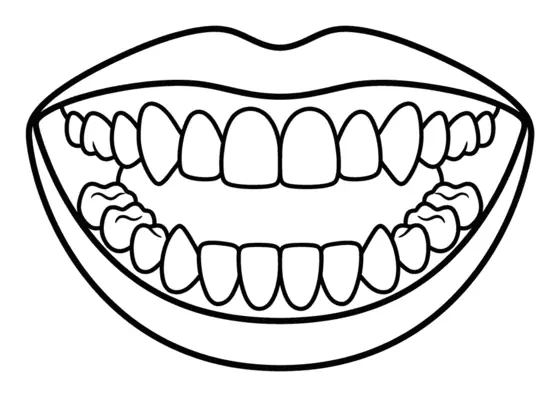
Years 3–4 · Teeth and digestionSheet 157
Animal Teeth and What They Eat
Years 3–4 · Food chainsSheet 152
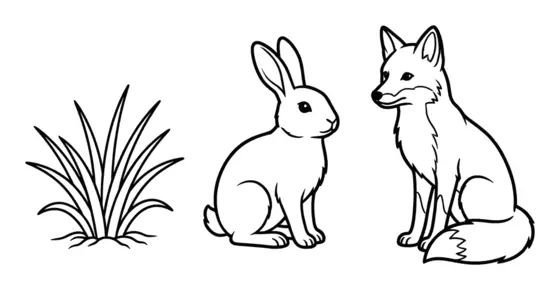
Build a Food Chain: Label and Colour
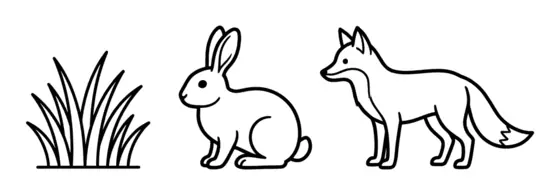
Years 3–4 · Food chainsSheet 153
Build a Food Chain: Label and True or False
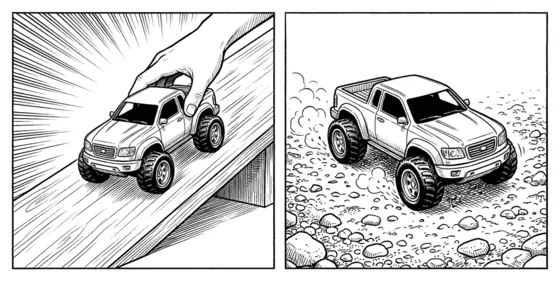
Years 3–5 · Forces and magnetsSheet 175
Forces and Friction
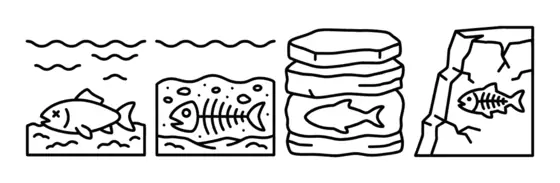
Years 3–4 · Rocks and fossilsSheet 120
How a Fossil Is Made
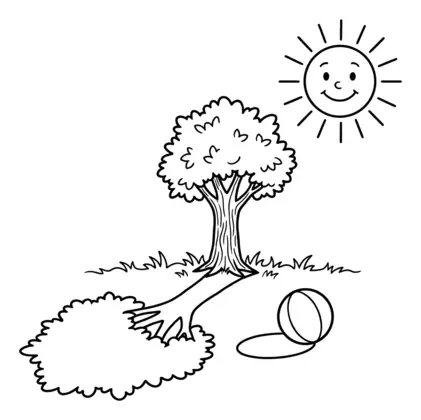
Years 3–4 · LightSheet 118
How Shadows Are Made
Educational quiz app · Ages 5-10
More learning in the Owee app
Owee turns topics like this into quizzes for children aged 5 to 10, and a treehouse grows as they learn. No ads, no chat, no strangers.
- Family-friendly
- No ads
- Private
Educational quiz app · Ages 5-10
More learning in the Owee app
Owee turns topics like this into quizzes for children aged 5 to 10, and a treehouse grows as they learn. No ads, no chat, no strangers.
Scan with your phone camera
- Family-friendly
- No ads
- Private