Educational quiz app · Ages 5-10
This is what learning looks like


Educational quiz app · Ages 5-10
This is what learning looks like
No nagging required. Keep the learning going after the worksheet, with every question read aloud and Owee guiding each step.
Scan with your phone camera
- Family-friendly
- No ads
- Private
Science · Labelling and colouring worksheet
Label a Space Rocket: Free KS1 Worksheet (Ages 5 to 7)
This free printable invites children aged 5 to 7 to name the main parts of a space rocket and then colour the picture in. The worksheet uses a friendly word bank, so children read and match each word to the right part rather than spelling it from memory, which keeps the task achievable for emerging readers in Years 1 and 2.
Rockets are a popular enrichment theme for early science and topic work. While "rockets" are not a statutory KS1 science strand, the worksheet still builds genuinely useful skills: word reading, technical vocabulary, and the working-scientifically habit of looking closely to identify and name the parts of an object.
Label a Space Rocket
Free Science worksheet · Ages 5 to 7
Label the rocket
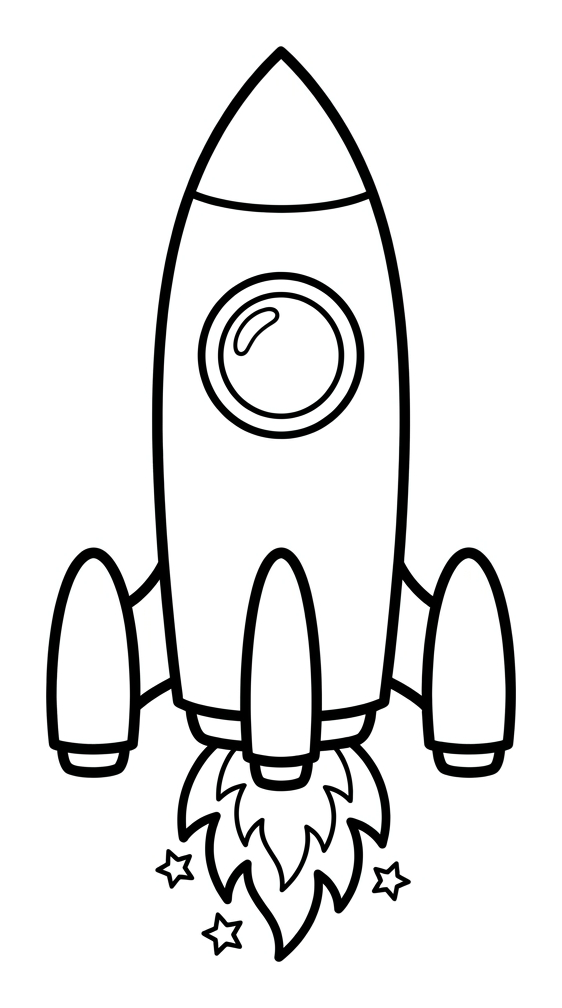
Look at the numbers on the rocket. Write the name of each part on the line with the same number. Use the word bank.
- 1
- 2
- 3
- 4
- 5
Colour the rocket
Now colour the rocket. Use these colours, or choose your own.
- Colour the body of the rocket blue.
- Colour the nose cone and the three fins red.
- Colour the window yellow.
- Colour the flames orange.
 Label a Space RocketSheet 32
Answers: Label a Space Rocket
Sheet 32
- 1. nose cone
- 2. window
- 3. body
- 4. fins
- 5. flames
For grown-ups. Free worksheets and the Owee quiz app at owee.world
Answer key
- 1. nose cone
- 2. window
- 3. body
- 4. fins
- 5. flames
What your child will learn
This worksheet helps children name five parts of a rocket: the nose cone at the top, the body in the middle, the window (porthole), the fins at the base, and the flames coming from the engine. Naming the parts of a familiar object is an early step in classification: children learn that a single thing is made of separate, named pieces, each with its own job. Reading the words in the word bank and matching them to the numbered parts also builds confidence with longer, more interesting words than children usually meet in early reading books. The picture has three fins, which is a nice detail to count together.
How to use the worksheet at home or in class
Print the sheet on plain A4 paper. Read the words in the word bank together first, pointing to each one, then ask your child to find each numbered part on the rocket and write its name on the line with the same number. If writing is still tricky, your child can simply say each word aloud or draw a line from the word to the part instead. Once the labelling is done, the colouring activity gives a calm, rewarding finish: children can choose their own colours or follow simple suggestions. Talking about why each part matters, for example that fins help the rocket fly straight, turns a quick activity into a richer conversation.
Linking rockets to the KS1 curriculum
At Key Stage 1, space and rockets sit within topic and enrichment work rather than a named science programme of study, so we are honest that this is a theme rather than a statutory science requirement. The skills it practises, however, map cleanly onto the National Curriculum: in Year 1 English, children are expected to read words and build vocabulary; in science, the working-scientifically guidance asks children to identify and classify. This sheet quietly rehearses both. If your school covers Earth, Sun and Moon or famous explorers such as astronauts, the rocket makes a natural starting point.
Extending the activity
After labelling, ask your child to explain in their own words what each part does, which strengthens their spoken vocabulary. You could compare the rocket with an aeroplane and talk about what is the same (a pointed nose, a long body, fins or wings) and what is different (a rocket carries everything it needs to burn its fuel, so it can keep going in space where there is no air). For older or more confident children, encourage a simple sentence such as, 'The rocket has fins to help it fly straight.' This moves them from naming to describing, which is a valuable step towards independent writing.
Frequently asked questions
What are the main parts of a rocket for KS1 children?
For Key Stage 1, the simplest parts to name are the nose cone at the very top, the body (the long tube in the middle), the window or porthole, the fins at the base, and the flames coming from the engine. This worksheet uses exactly those five words so the task stays manageable for ages 5 to 7.
Is this rocket worksheet suitable for Year 1 and Year 2?
Yes. It is designed for children aged 5 to 7, which covers Year 1 and Year 2. A word bank is provided so children can match and copy the words rather than spell them unaided, and the colouring activity makes it accessible for children who are still building their writing stamina.
Are rockets part of the KS1 science curriculum?
Rockets are not a named strand of the statutory KS1 science programme of study; they are usually taught as an enrichment or topic theme. The worksheet still supports the curriculum by practising Year 1 word reading and vocabulary and the working-scientifically skill of identifying and naming the parts of an object.
How do I print this worksheet?
The worksheet is built to print onto a single A4 page. Use your browser's print option, choose A4 and portrait orientation, and turn off headers and footers for the cleanest result. Plain paper is fine, and black-and-white printing works well as the picture is line art for colouring.
Is the worksheet really free?
Yes, this printable is completely free to download and use at home or in the classroom. It is one of a growing set of free, illustrated worksheets from the Owee education team for primary-age children.
Made by The Owee education team. Updated 13/10/2026. Free to print and share.
More science worksheets
All Year 1 Science worksheets →
Years 5–6 · Earth and spaceSheet 170
Day and Night on Earth
Years 1–2 · Earth and spaceSheet 33
Meet an Astronaut
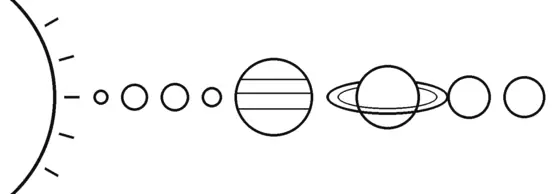
Years 5–6 · Earth and spaceSheet 171
Order of the Planets
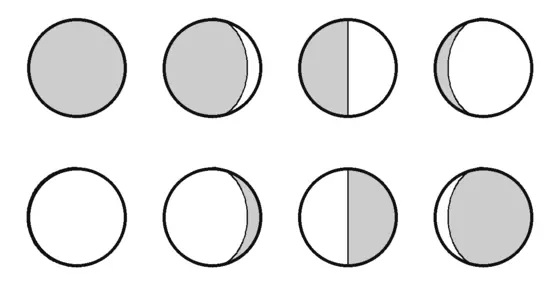
Years 5–6 · Earth and spaceSheet 172
Phases of the Moon
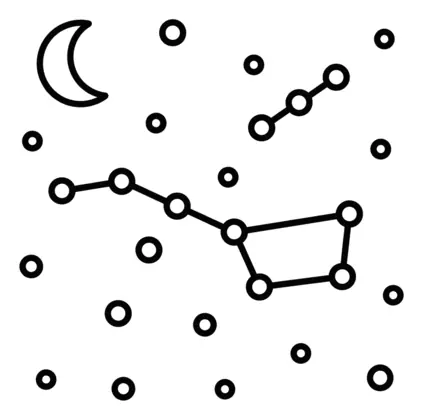
Years 5–6 · Earth and spaceSheet 173
Star Patterns in the Night Sky
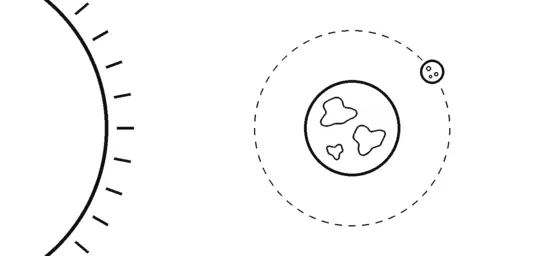
Years 5–6 · Earth and spaceSheet 174
The Earth, Sun and Moon
Educational quiz app · Ages 5-10
More learning in the Owee app
Owee turns topics like this into quizzes for children aged 5 to 10, and a treehouse grows as they learn. No ads, no chat, no strangers.
- Family-friendly
- No ads
- Private
Educational quiz app · Ages 5-10
More learning in the Owee app
Owee turns topics like this into quizzes for children aged 5 to 10, and a treehouse grows as they learn. No ads, no chat, no strangers.
Scan with your phone camera
- Family-friendly
- No ads
- Private