Educational quiz app · Ages 5-10
This is what learning looks like


Educational quiz app · Ages 5-10
This is what learning looks like
No nagging required. Keep the learning going after the worksheet, with every question read aloud and Owee guiding each step.
Scan with your phone camera
- Family-friendly
- No ads
- Private
Science · Colouring and labelling worksheet
The Human Heart and Circulatory System: Free KS2 Worksheet
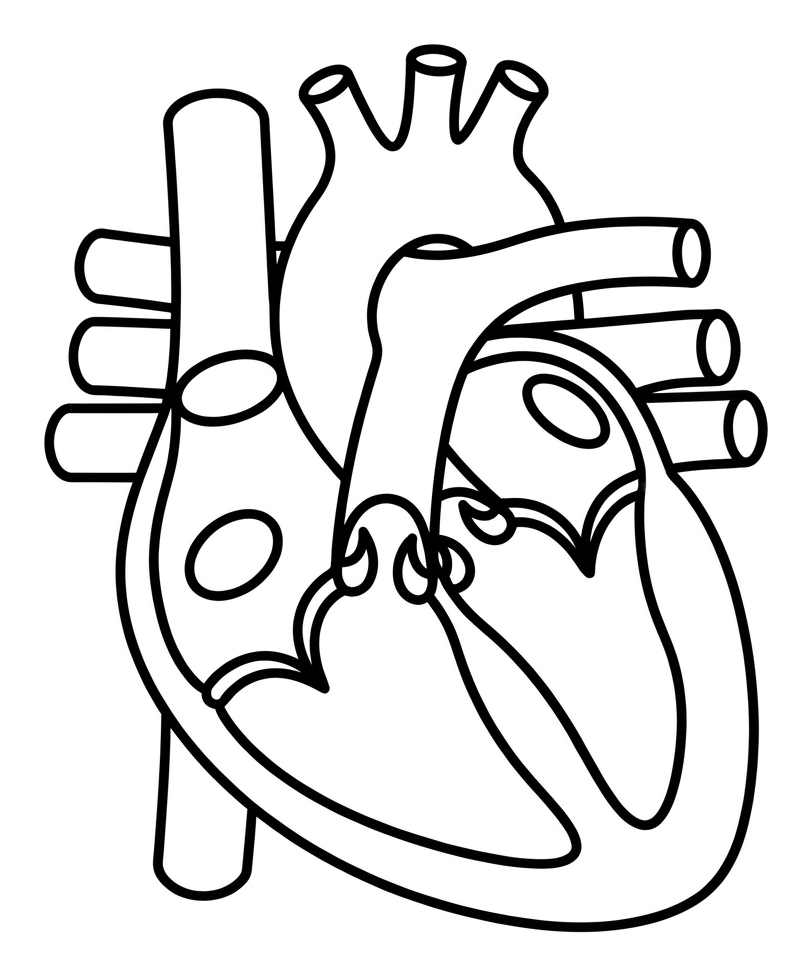
This free printable worksheet supports Year 6 science on the human circulatory system. Children colour a clear diagram of the human heart, then use the descriptions and word bank to label its four chambers and the main blood vessels that connect it to the rest of the body.
It is designed to be printed on a single sheet of A4 and used in class or at home. The notes below are written for parents and teachers, and explain the key ideas and how the activity links to the National Curriculum.
What your child is learning
‘identify and name the main parts of the human circulatory system, and describe the functions of the heart, blood vessels and blood’
Year 6 Science: Animals including humans, National Curriculum in England. Source and licence
The Human Heart
Free Science worksheet · Ages 10 to 11
Colour the blood
Imagine the person is facing you. The heart's right side is on the LEFT of the picture. Colour the heart using these colours.
- Colour the two chambers on the left of the picture and the two tubes on the far left, at the top and bottom (the vena cava), blue. This blood is low in oxygen.
- Colour the two chambers on the right of the picture and the arch with three branches on top (the aorta) red. This blood is full of oxygen.
- Colour the thick muscle wall around the chambers pink.
Name the parts
Read each clue. Write the name of the heart part on the line. Use the word bank: two words are not needed.
The lower chamber that pumps oxygen-rich blood out to the whole body.
The lower chamber that pumps oxygen-poor blood to the lungs.
The largest artery, carrying oxygenated blood away from the heart to the body.
The large vein that brings oxygen-poor blood from the body back into the heart.
The vessel that carries oxygen-poor blood from the heart to the lungs.
The upper chamber that receives oxygen-rich blood returning from the lungs.
 The Human HeartSheet 181
Answers: The Human Heart
Sheet 181
- The lower chamber that pumps oxygen-rich blood out to the whole body. — Left ventricle
- The lower chamber that pumps oxygen-poor blood to the lungs. — Right ventricle
- The largest artery, carrying oxygenated blood away from the heart to the body. — Aorta
- The large vein that brings oxygen-poor blood from the body back into the heart. — Vena cava
- The vessel that carries oxygen-poor blood from the heart to the lungs. — Pulmonary artery
- The upper chamber that receives oxygen-rich blood returning from the lungs. — Left atrium
For grown-ups. Free worksheets and the Owee quiz app at owee.world
Answer key
- The lower chamber that pumps oxygen-rich blood out to the whole body. — Left ventricle
- The lower chamber that pumps oxygen-poor blood to the lungs. — Right ventricle
- The largest artery, carrying oxygenated blood away from the heart to the body. — Aorta
- The large vein that brings oxygen-poor blood from the body back into the heart. — Vena cava
- The vessel that carries oxygen-poor blood from the heart to the lungs. — Pulmonary artery
- The upper chamber that receives oxygen-rich blood returning from the lungs. — Left atrium
What this worksheet covers
The worksheet focuses on three Year 6 ideas: that the heart is a muscular pump, that it has four chambers, and that blood vessels carry blood around the body. Children colour the heart diagram to show which side carries blood low in oxygen and which side carries blood full of oxygen. They then read six clues and name the matching part: the atria (the two upper chambers), the ventricles (the two lower chambers), and the main vessels — the aorta, the pulmonary artery and the vena cava. The word bank includes two extra terms, the right atrium and the pulmonary vein, so children have to think about each clue rather than simply cross words off.
How the heart and circulatory system work
The heart is a fist-sized muscle that pumps blood continuously around two linked loops. In one loop, the right side of the heart pushes oxygen-poor blood to the lungs, where it picks up oxygen and releases carbon dioxide. In the other, the left side pumps freshly oxygenated blood out through the aorta to the rest of the body. Blood travels away from the heart in arteries, returns in veins, and exchanges oxygen, nutrients and waste with cells in tiny capillaries. It is worth helping children understand that the heart's left and right are reversed on a front-on diagram, just as they would be when looking at someone facing you.
Teaching tips for parents and teachers
Before labelling, ask the child to place a hand on their chest and feel their heartbeat, then find a pulse at the wrist or neck — this links the diagram to something real. The colouring task follows the usual diagram code: red for blood full of oxygen and blue for blood low in oxygen. Encourage children to trace the journey of a single drop of blood with a finger, from the body into the heart, out to the lungs, back to the heart and out again. Common misconceptions to gently correct are that the heart is heart-shaped (it is not), that it sits on the far left (it sits roughly centrally, tilted left), and that blood is blue inside the body (it is always red, just darker when carrying less oxygen).
Extending the learning
Once children are confident with the parts of the heart, you can extend the topic to the functions of blood — transporting oxygen, nutrients and water, and carrying away waste such as carbon dioxide. Year 6 also asks pupils to recognise the impact of diet, exercise, drugs and lifestyle on how the body functions, so this worksheet pairs well with a discussion of how regular exercise strengthens the heart muscle and why a balanced diet keeps blood vessels healthy. A short investigation, measuring a pulse before and after a minute of star jumps, is a good practical follow-up.
Frequently asked questions
What are the four chambers of the human heart?
The heart has four chambers: two upper chambers called the left and right atria, and two lower chambers called the left and right ventricles. The atria receive blood returning to the heart, and the more muscular ventricles pump blood out — the right ventricle to the lungs and the left ventricle to the rest of the body.
What are the main blood vessels connected to the heart?
The main vessels are the vena cava, which brings oxygen-poor blood from the body into the heart; the pulmonary artery, which carries blood to the lungs; the pulmonary vein, which returns oxygen-rich blood from the lungs; and the aorta, the largest artery, which carries oxygenated blood out to the body.
Is the human heart taught in KS2 science?
Yes. The circulatory system is part of the Year 6 'Animals including humans' unit. Pupils are expected to identify and name the main parts of the circulatory system and describe the functions of the heart, blood vessels and blood, so this worksheet suits children aged 10 to 11.
How does blood carry oxygen around the body?
Blood picks up oxygen in the lungs, then the left side of the heart pumps this oxygen-rich blood through the aorta and into arteries that branch all over the body. Oxygen passes into the body's cells through tiny capillaries, and the now oxygen-poor blood returns to the heart through veins to be sent to the lungs again.
Is this heart worksheet free to print?
Yes. This worksheet is completely free to download and print. It is designed to fit on a single sheet of A4, making it easy to use for homework, revision or a science lesson starter at school or at home.
Curriculum links
- Year 6 Science: Animals including humans (statutory): 'identify and name the main parts of the human circulatory system, and describe the functions of the heart, blood vessels and blood'
- Year 6 Science, Animals including humans: 'recognise the impact of diet, exercise, drugs and lifestyle on the way their bodies function'
Quoted word for word from Department for Education documents: the National Curriculum in England, the EYFS framework or the RSHE guidance. Contains public sector information licensed under the Open Government Licence v3.0.
Made by The Owee education team. Updated 13/10/2026. Free to print and share.
More science worksheets
All Year 6 Science worksheets →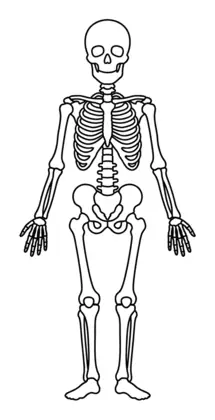
Years 3–4 · Human bodySheet 114
Label the Human Skeleton
Reception–Year 1 · Human bodySheet 34
Label the Parts of the Body
Years 3–4 · Human bodySheet 115
Muscles That Move Us
Reception–Year 1 · Human bodySheet 35
The Five Senses
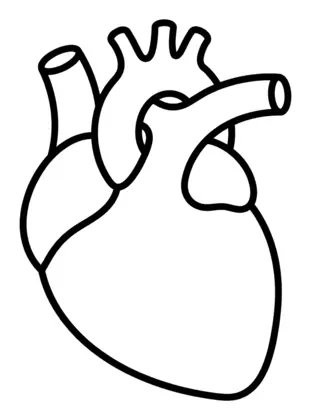
Years 5–6 · Human bodySheet 180
The Heart and Healthy Exercise
Years 3–4 · Human bodySheet 116
The Human Skeleton: Major Bones
Educational quiz app · Ages 5-10
More learning in the Owee app
Owee turns topics like this into quizzes for children aged 5 to 10, and a treehouse grows as they learn. No ads, no chat, no strangers.
- Family-friendly
- No ads
- Private
Educational quiz app · Ages 5-10
More learning in the Owee app
Owee turns topics like this into quizzes for children aged 5 to 10, and a treehouse grows as they learn. No ads, no chat, no strangers.
Scan with your phone camera
- Family-friendly
- No ads
- Private