Educational quiz app · Ages 5-10
This is what learning looks like


Educational quiz app · Ages 5-10
This is what learning looks like
No nagging required. Keep the learning going after the worksheet, with every question read aloud and Owee guiding each step.
Scan with your phone camera
- Family-friendly
- No ads
- Private
Science · Colouring and tick-the-box worksheet
Microorganisms Worksheet: Helpful and Harmful Microbes (Free KS2)
Microorganisms are living things that are far too small to see without a microscope, yet they shape the world around us every day. This free printable worksheet introduces the broad group of microbes that Year 6 children meet in Science, including bacteria, fungi such as yeast and mould, and viruses, and helps them recognise that some are helpful while others can be harmful.
Designed to print neatly onto one A4 page, the sheet combines a colouring task with a sorting activity. It works well as a lesson starter, a homework task, or a calm follow-up to a practical investigation into mould or bread-making.
What your child is learning
‘describe how living things are classified into broad groups according to common observable characteristics and based on similarities and differences, including micro-organisms, plants and animals’
Year 6 Science: Living things and their habitats, National Curriculum in England. Source and licence
Helpful and Harmful Microbes
Free Science worksheet · Ages 10 to 11
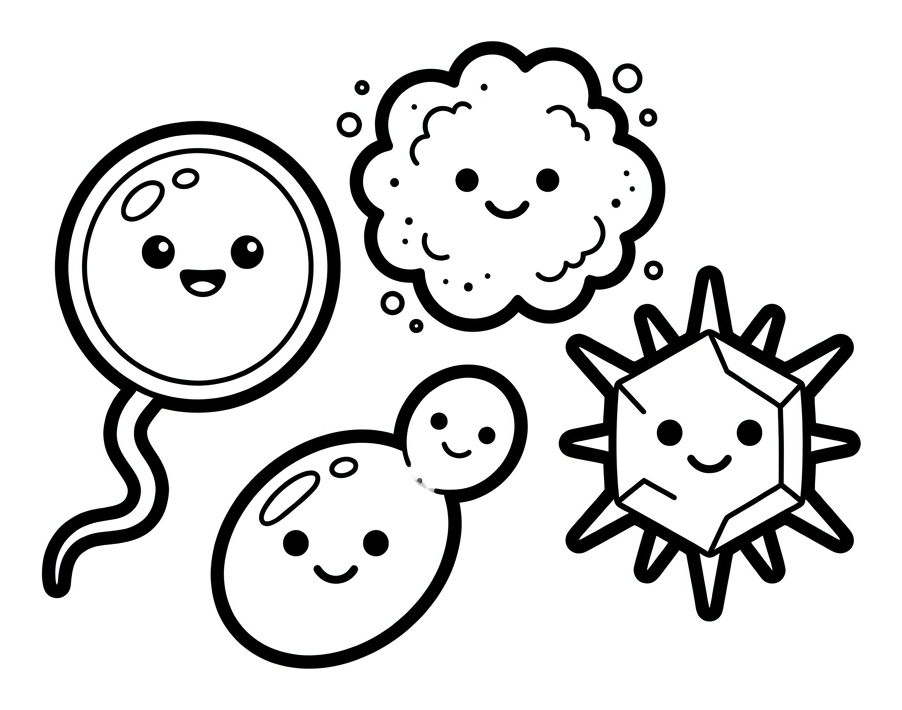
Spot the microbes
Use the clue in each sentence to find the right microbe in the picture, then colour it.
- The bacterium has a long tail that helps it swim. Colour it blue.
- The yeast cell is growing a small new cell, called a bud. Colour it yellow.
- The mould grows as branching threads with round spore heads. Colour it green.
- The virus is covered in spikes. Colour it red.
Helpful or harmful?
Read each sentence. Tick the box only if it describes a HELPFUL microbe.
- Yeast makes bread rise when we bake.
- Some bacteria turn milk into yoghurt and cheese.
- Mould can spoil bread and fruit so we cannot eat it.
- Microbes in the soil break down dead leaves and recycle nutrients.
- Some bacteria can cause food poisoning if food is not stored safely.
- A virus can give us a cold or the flu.
- A mould gave us penicillin, a medicine that kills harmful bacteria.
 Helpful and Harmful MicrobesSheet 183
Answers: Helpful and Harmful Microbes
Sheet 183
- Yeast makes bread rise when we bake. — Tick (helpful)
- Some bacteria turn milk into yoghurt and cheese. — Tick (helpful)
- Mould can spoil bread and fruit so we cannot eat it. — No tick (harmful)
- Microbes in the soil break down dead leaves and recycle nutrients. — Tick (helpful)
- Some bacteria can cause food poisoning if food is not stored safely. — No tick (harmful)
- A virus can give us a cold or the flu. — No tick (harmful)
- A mould gave us penicillin, a medicine that kills harmful bacteria. — Tick (helpful)
For grown-ups. Free worksheets and the Owee quiz app at owee.world
Answer key
- Yeast makes bread rise when we bake. — Tick (helpful)
- Some bacteria turn milk into yoghurt and cheese. — Tick (helpful)
- Mould can spoil bread and fruit so we cannot eat it. — No tick (harmful)
- Microbes in the soil break down dead leaves and recycle nutrients. — Tick (helpful)
- Some bacteria can cause food poisoning if food is not stored safely. — No tick (harmful)
- A virus can give us a cold or the flu. — No tick (harmful)
- A mould gave us penicillin, a medicine that kills harmful bacteria. — Tick (helpful)
What are microorganisms?
Microorganisms (often shortened to microbes) are living things so small that they can only be seen with a microscope. In the Year 6 classification topic, children learn that microbes form one of the broad groups of living things alongside plants and animals. The most commonly studied examples are bacteria, fungi such as yeast and mould, and viruses. It is worth knowing that scientists do not all agree that viruses are truly alive, because they can only make copies of themselves inside another living cell. The curriculum names micro-organisms as a broad group without listing them, so bacteria and fungi are the clearest living examples. This worksheet still includes a virus because children meet the word so often.
Helpful microbes children already know
Many microbes are useful, and pointing to familiar examples helps the idea stick. Yeast is a fungus that makes bread rise and is used in baking; bacteria are used to turn milk into yoghurt and cheese; and microbes in the soil break down dead leaves to recycle nutrients. Inside our own bodies, friendly bacteria in the gut help us digest food. Linking microbes to everyday objects in the kitchen makes an abstract topic concrete and gives children a reason to value organisms they will never see directly.
Harmful microbes and staying healthy
Some microbes can cause illness or spoil food. Certain bacteria cause food poisoning, moulds (a kind of fungus) grow on old bread or fruit and spoil it, and viruses cause infections such as colds and flu. This is a natural moment to reinforce sensible hygiene: washing hands, keeping food covered and refrigerated, and covering coughs and sneezes. Take care to avoid giving the impression that all microbes are dangerous, or that one kind is always good and another always bad. The same group can do both: some bacteria make yoghurt while others cause food poisoning, and one mould spoils bread while another gave us the antibiotic penicillin. Most microbes are harmless or helpful.
How to use this worksheet at home or school
Begin by talking through the four microbes on the sheet and what makes each one part of the microorganism group. The colouring task asks children to match each microbe to a clue about its shape (a tail, a bud, branching threads, spikes), which is the same kind of observable feature scientists use to classify living things, while the tick activity asks them to decide whether each statement describes a helpful or a harmful microbe. For an extension, ask children to add their own example of a helpful and a harmful microbe, or pair the sheet with a simple observation of mould growing on a slice of bread sealed in a bag (handled by an adult and never opened).
Frequently asked questions
What is a microorganism for KS2?
For KS2, a microorganism is a living thing that is too small to see without a microscope. The main examples children learn are bacteria, fungi (such as yeast and mould) and viruses, and the key idea is that microbes form one of the broad groups of living things alongside plants and animals.
Are microorganisms taught in Year 5 or Year 6?
Microorganisms appear in the Year 6 'Living things and their habitats' unit, where children classify living things into broad groups including microorganisms, plants and animals. This worksheet is pitched at ages 10 to 11 but can be used for revision in Year 5 too.
What are some helpful and harmful microorganisms?
Helpful microbes include yeast (which makes bread rise), the bacteria used to make yoghurt and cheese, and microbes that break down dead material in soil. Harmful microbes include bacteria that cause food poisoning, mould that spoils food, and viruses that cause colds and flu.
Is a virus a living thing?
Scientists do not fully agree. A virus cannot grow or reproduce on its own, so many consider it not truly alive. For this reason bacteria and fungi are the clearest examples of living microorganisms, though a virus is included here because children meet the word so often.
Is this microorganisms worksheet free to print?
Yes. This worksheet is completely free to download and print. It fits onto one A4 page and combines a colouring task with a tick-the-box sorting activity, making it ready to use at home or in the classroom.
Curriculum links
- Year 6 Science: Living things and their habitats (statutory): 'describe how living things are classified into broad groups according to common observable characteristics and based on similarities and differences, including micro-organisms, plants and animals'
Quoted word for word from Department for Education documents: the National Curriculum in England, the EYFS framework or the RSHE guidance. Contains public sector information licensed under the Open Government Licence v3.0.
Made by The Owee education team. Updated 13/10/2026. Free to print and share.
More science worksheets
All Year 6 Science worksheets →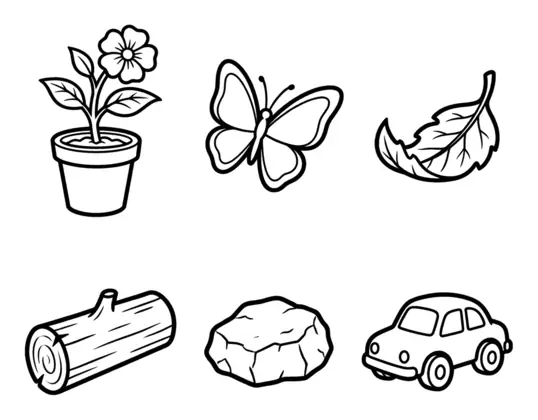
Years 1–2 · Living things and habitatsSheet 85
Living, Dead or Never Alive?
Years 3–4 · Living things and habitatsSheet 154
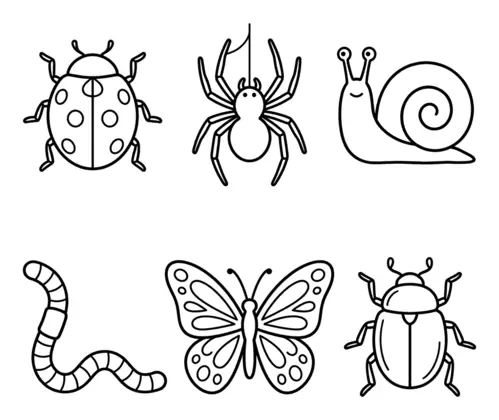
Make a Minibeast Classification Key
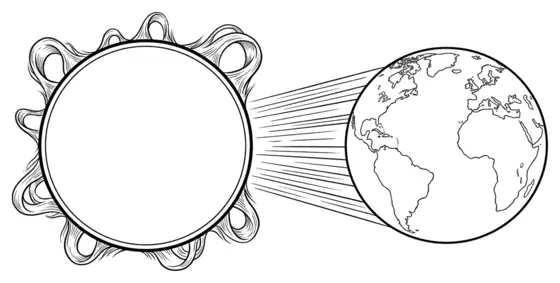
Years 5–6 · Earth and spaceSheet 170
Day and Night on Earth
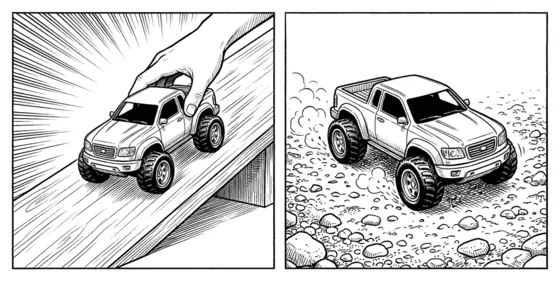
Years 3–5 · Forces and magnetsSheet 175
Forces and Friction
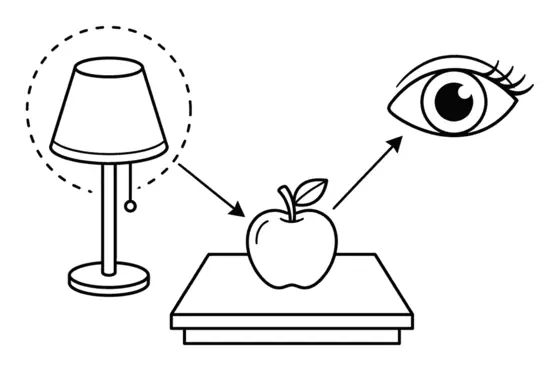
Years 5–6 · LightSheet 182
How We See Things
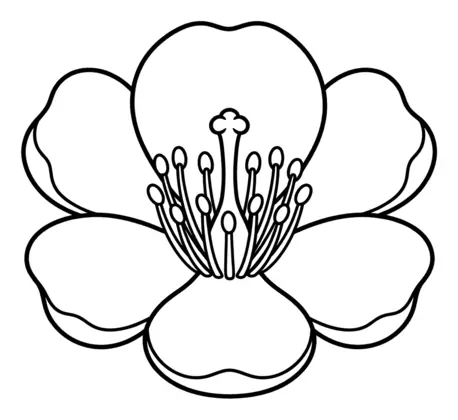
Years 3–5 · PlantsSheet 119
Inside a Flower
Educational quiz app · Ages 5-10
More learning in the Owee app
Owee turns topics like this into quizzes for children aged 5 to 10, and a treehouse grows as they learn. No ads, no chat, no strangers.
- Family-friendly
- No ads
- Private
Educational quiz app · Ages 5-10
More learning in the Owee app
Owee turns topics like this into quizzes for children aged 5 to 10, and a treehouse grows as they learn. No ads, no chat, no strangers.
Scan with your phone camera
- Family-friendly
- No ads
- Private