Educational quiz app · Ages 5-10
This is what learning looks like


Educational quiz app · Ages 5-10
This is what learning looks like
No nagging required. Keep the learning going after the worksheet, with every question read aloud and Owee guiding each step.
Scan with your phone camera
- Family-friendly
- No ads
- Private
Science · Colouring and labelling worksheet
Life Cycle of a Frog: Free KS2 Worksheet (Ages 9 to 11)
This free printable worksheet supports the Year 5 science unit on living things and their habitats, focusing on the life cycle of an amphibian. Children colour a circular diagram of the four key frog stages, then name each one and describe what changes between them — reinforcing the idea that a frog grows through metamorphosis.
It prints cleanly to a single A4 page. Use it as a starter, a plenary, a homework task or a revision sheet. The labelling activity uses a word bank rather than fiddly arrows, so children can match each stage to its correct name with confidence.
What your child is learning
‘describe the differences in the life cycles of a mammal, an amphibian, an insect and a bird’
Year 5 Science: Living things and their habitats, National Curriculum in England. Source and licence
Life Cycle of a Frog
Free Science worksheet · Ages 9 to 11
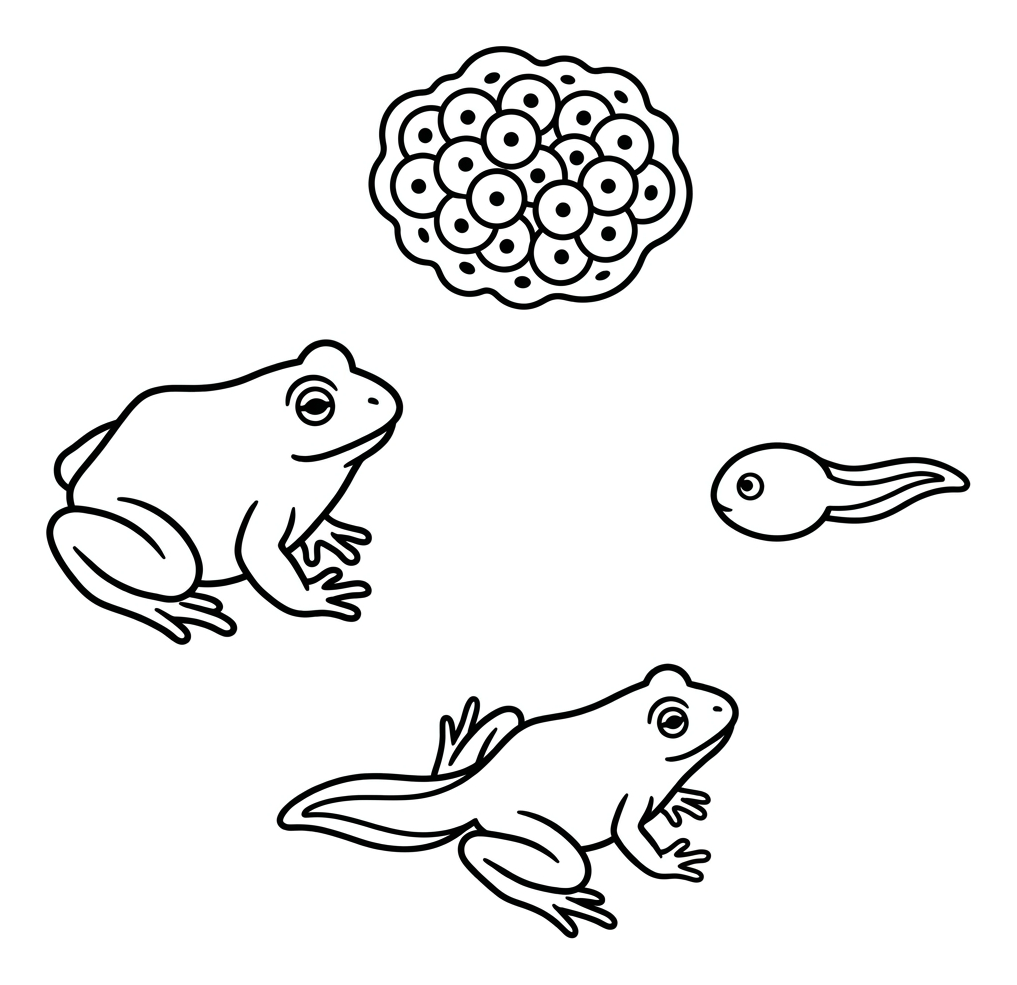
Colour the frog life cycle
Colour each stage using the colours below. Work clockwise around the circle, from the frogspawn at the top to the adult frog.
- Colour the frogspawn jelly pale blue. Leave the black dots in the eggs.
- Colour the tadpole dark brown.
- Colour the froglet (with legs and a tail) brownish-green.
- Colour the adult frog green or olive brown, with a pale yellow tummy.
Name and describe the stages
Answer each question on the line. Use the word bank to help you. Answer the last question in full sentences.
What is the name of the jelly clump of eggs that a frog lays in the pond?
Which stage lives only in water and breathes through gills?
At which stage has the animal grown legs but still has a shrinking tail?
What is the scientific word for the big change from tadpole to adult frog?
Describe two ways an adult frog is different from a tadpole.
 Life Cycle of a FrogSheet 176
Answers: Life Cycle of a Frog
Sheet 176
- What is the name of the jelly clump of eggs that a frog lays in the pond? — Frogspawn
- Which stage lives only in water and breathes through gills? — The tadpole
- At which stage has the animal grown legs but still has a shrinking tail? — The froglet
- What is the scientific word for the big change from tadpole to adult frog? — Metamorphosis
- Describe two ways an adult frog is different from a tadpole. — Any two of: an adult frog breathes air with lungs (and through its skin), not gills; it has four legs; it has no tail; it can live on land as well as in water; it eats insects and other small animals, while a tadpole mostly eats algae and plants.
For grown-ups. Free worksheets and the Owee quiz app at owee.world
Answer key
- What is the name of the jelly clump of eggs that a frog lays in the pond? — Frogspawn
- Which stage lives only in water and breathes through gills? — The tadpole
- At which stage has the animal grown legs but still has a shrinking tail? — The froglet
- What is the scientific word for the big change from tadpole to adult frog? — Metamorphosis
- Describe two ways an adult frog is different from a tadpole. — Any two of: an adult frog breathes air with lungs (and through its skin), not gills; it has four legs; it has no tail; it can live on land as well as in water; it eats insects and other small animals, while a tadpole mostly eats algae and plants.
What the frog life cycle teaches in KS2 science
In Year 5, children compare the life cycles of a mammal, an amphibian, an insect and a bird. The frog is the classic example of an amphibian because its life cycle shows such dramatic change. A frog begins as a tiny egg in a jelly clump called frogspawn, hatches into a water-living tadpole that breathes through gills, develops into a froglet as legs grow and the tail shrinks, and finally becomes an air-breathing adult frog that can live on land and in water. This worksheet asks children to recall the order of these stages and to use the correct vocabulary, which is exactly what the curriculum expects at this stage.
Understanding metamorphosis
The big idea behind the frog life cycle is metamorphosis — the major physical change an animal undergoes as it develops. Unlike a mammal, which is born looking like a small version of its parent, a tadpole looks nothing like an adult frog. Over several weeks it loses its gills and grows lungs, grows back legs and then front legs, and gradually absorbs its tail. Drawing a comparison with a butterfly's life cycle (egg, caterpillar, pupa, adult) helps children see that metamorphosis is a pattern shared by amphibians and many insects, while birds and mammals follow a different route. The describing task on this sheet encourages children to explain these changes in their own words rather than simply memorising labels.
How to use this worksheet at home or in class
Print the sheet onto plain A4 paper. First, ask children to colour the four stages using the colour key — this slows them down and helps them notice details such as the shrinking tail on the froglet. Next, they answer the questions on the lines, using the word bank for the stage names and their own words for the final describing question. For an extension, ask children to add their own arrows around the circle to show the cycle repeating, or to research how long each stage lasts (in the UK, common frog spawn usually hatches after one to three weeks, and a tadpole takes around 12 to 16 weeks to become a froglet, though this varies with species and water temperature).
Common misconceptions to watch for
A few ideas often trip children up. First, many assume a frog lays its eggs on land — in fact most frogs lay frogspawn in ponds and still water, and the early stages are entirely aquatic. Second, children sometimes think the tail simply drops off the froglet; it is actually reabsorbed into the body to provide nutrients as the animal develops. A third mix-up is frogspawn and toadspawn: frogs lay clumps of eggs, while toads lay long strings of eggs wound around pond plants. Reinforcing the correct terms — frogspawn, tadpole, froglet, adult — and the word metamorphosis will set children up well for comparing amphibian, insect, bird and mammal life cycles later in the unit.
Frequently asked questions
What are the four stages of a frog's life cycle?
The four main stages are frogspawn (the eggs in jelly), the tadpole (which lives in water and breathes through gills), the froglet (which has grown legs and has a shrinking tail) and the adult frog (which breathes air and can live on land and in water). The change from tadpole to frog is called metamorphosis.
Is this worksheet suitable for Year 5?
Yes. It is written for KS2 children aged 9 to 11 and maps directly to the Year 5 objective to describe the differences in the life cycles of a mammal, an amphibian, an insect and a bird. It also suits Year 6 revision and able Year 4 children studying life cycles.
What is metamorphosis in a frog?
Metamorphosis is the major change in body shape an animal goes through as it develops. A tadpole looks completely different from an adult frog: over several weeks it loses its gills, grows lungs and legs, and absorbs its tail. This dramatic transformation is why the frog is a key amphibian example in the curriculum.
Is the life cycle of a frog worksheet free to print?
Yes, it is completely free. The page prints to a single A4 sheet with one black-and-white line drawing for children to colour, plus the labelling and describing tasks. No login or payment is required.
How is a frog's life cycle different from a butterfly's?
Both undergo metamorphosis, but the stages differ. A butterfly goes through egg, caterpillar (larva), pupa (chrysalis) and adult. A frog goes through frogspawn (egg), tadpole, froglet and adult frog, and it does not have a resting pupa stage. Comparing the two helps children spot the shared pattern of metamorphosis.
Curriculum links
- Year 5 Science: Living things and their habitats (statutory): 'describe the differences in the life cycles of a mammal, an amphibian, an insect and a bird'
- Year 5 Science, Living things and their habitats: 'describe the life process of reproduction in some plants and animals'
Quoted word for word from Department for Education documents: the National Curriculum in England, the EYFS framework or the RSHE guidance. Contains public sector information licensed under the Open Government Licence v3.0.
Made by The Owee education team. Updated 13/10/2026. Free to print and share.
More science worksheets
All Year 5 Science worksheets →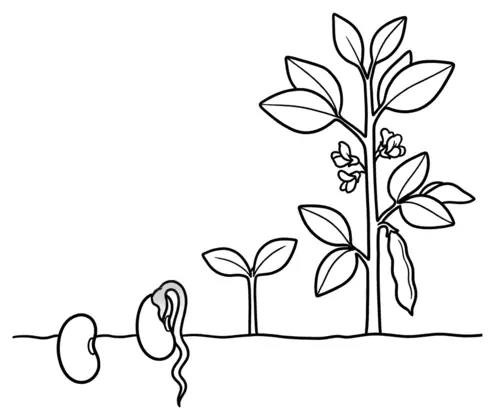
Years 2–3 · Life cyclesSheet 117
Life Cycle of a Bean Plant
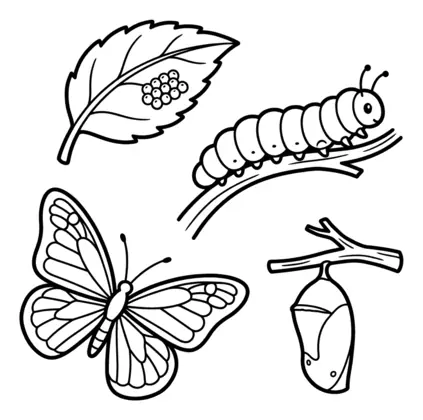
Years 1–2 · Life cyclesSheet 82
Life Cycle of a Butterfly
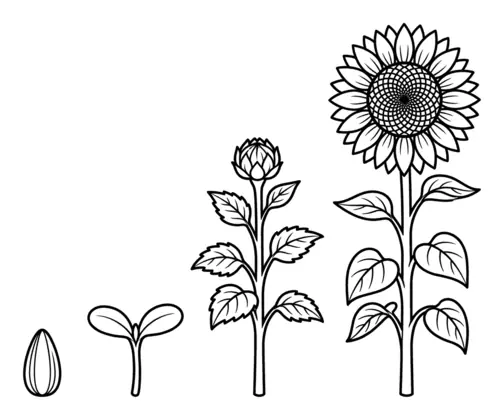
Years 1–2 · Life cyclesSheet 83
Life Cycle of a Sunflower
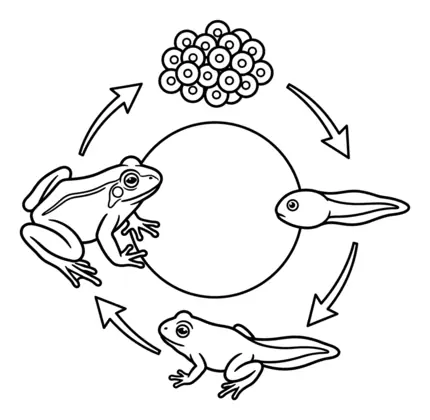
Years 1–2 · Life cyclesSheet 84
The Life Cycle of a Frog
Years 3–4 · Teeth and digestionSheet 157
Animal Teeth and What They Eat
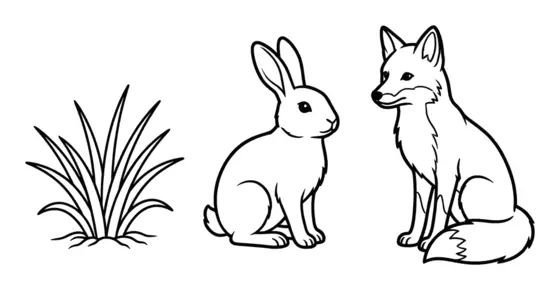
Years 3–4 · Food chainsSheet 152
Build a Food Chain: Label and Colour
Educational quiz app · Ages 5-10
More learning in the Owee app
Owee turns topics like this into quizzes for children aged 5 to 10, and a treehouse grows as they learn. No ads, no chat, no strangers.
- Family-friendly
- No ads
- Private
Educational quiz app · Ages 5-10
More learning in the Owee app
Owee turns topics like this into quizzes for children aged 5 to 10, and a treehouse grows as they learn. No ads, no chat, no strangers.
Scan with your phone camera
- Family-friendly
- No ads
- Private