Educational quiz app · Ages 5-10
This is what learning looks like


Educational quiz app · Ages 5-10
This is what learning looks like
No nagging required. Keep the learning going after the worksheet, with every question read aloud and Owee guiding each step.
Scan with your phone camera
- Family-friendly
- No ads
- Private
Science · Colouring and tick worksheet
How Shadows Are Made: Free KS2 Light Worksheet
This free printable worksheet supports the Year 3 science topic of Light, helping children understand that a shadow is made when an opaque object blocks light from a light source such as the Sun. The colouring scene and tick-the-box statements encourage children to notice that a shadow has the same outline shape as the object that casts it.
It works well as a quick recap, a homework task or a calm independent activity. There is one line illustration to colour and seven true-or-false statements to check understanding, including one about how a shadow changes size.
What your child is learning
‘recognise that shadows are formed when the light from a light source is blocked by an opaque object’
Year 3 Science: Light, National Curriculum in England. Source and licence
How Shadows Are Made
Free Science worksheet · Ages 7 to 8
Activity 1
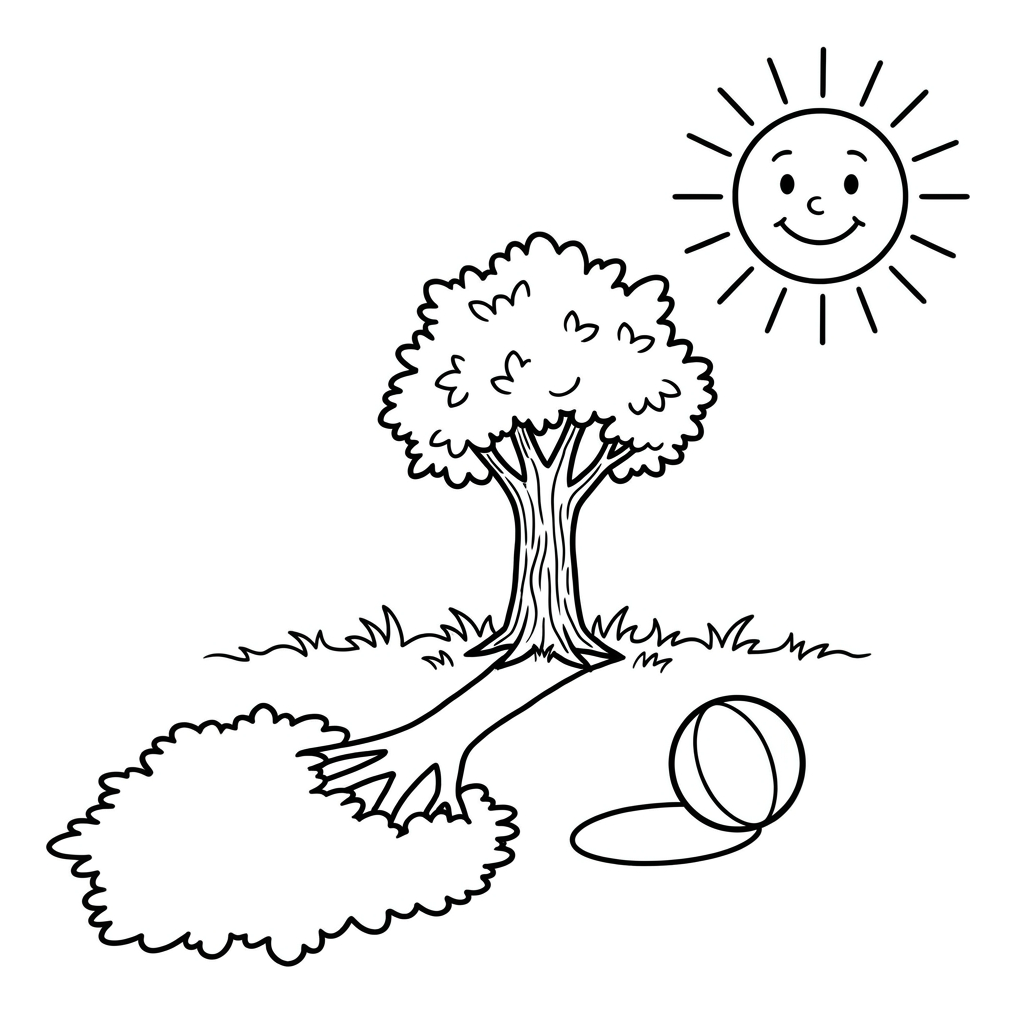
The Sun is the light source. The tree and the ball are opaque. They block the light, so they make shadows.
- Colour the Sun, the tree, the grass and the ball.
- Colour the two shadows grey.
Activity 2
Read each sentence. Tick the box if it is true.
- A shadow is made when an opaque object blocks the light.
- The Sun is the light source in the picture.
- The tree's shadow has the same outline shape as the tree.
- The shadows are on the side of the objects away from the Sun.
- Shadows are made when light passes straight through an object.
- A clear glass window makes a dark shadow.
- If you move a torch closer to a toy, the toy's shadow gets bigger.
 How Shadows Are MadeSheet 118
Answers: How Shadows Are Made
Sheet 118
- A shadow is made when an opaque object blocks the light. — tick (true)
- The Sun is the light source in the picture. — tick (true)
- The tree's shadow has the same outline shape as the tree. — tick (true): it is stretched, but the outline matches
- The shadows are on the side of the objects away from the Sun. — tick (true)
- Shadows are made when light passes straight through an object. — no tick (false): the light is blocked
- A clear glass window makes a dark shadow. — no tick (false): clear glass lets most light through
- If you move a torch closer to a toy, the toy's shadow gets bigger. — tick (true)
For grown-ups. Free worksheets and the Owee quiz app at owee.world
Answer key
- A shadow is made when an opaque object blocks the light. — tick (true)
- The Sun is the light source in the picture. — tick (true)
- The tree's shadow has the same outline shape as the tree. — tick (true): it is stretched, but the outline matches
- The shadows are on the side of the objects away from the Sun. — tick (true)
- Shadows are made when light passes straight through an object. — no tick (false): the light is blocked
- A clear glass window makes a dark shadow. — no tick (false): clear glass lets most light through
- If you move a torch closer to a toy, the toy's shadow gets bigger. — tick (true)
What children learn about shadows
In Year 3, children learn that they need light to see things, that dark is the absence of light, and that light can be blocked. A shadow forms when light cannot pass through an object and so a dark area appears on the surface behind it. This worksheet keeps the explanation concrete: the Sun is the light source, the tree is the opaque object, and the dark tree-shaped patch on the ground is the shadow. Linking each part of the scene to its role helps children move from simply naming a shadow to explaining why it appears.
Opaque, translucent and transparent
A key idea behind shadows is that materials let light through in different amounts. Opaque objects (such as a tree, a wall or a child) block light completely, so they cast a clear, dark shadow. Translucent materials (such as tracing paper or frosted glass) let some light through and cast a faint shadow, while transparent materials (such as clear window glass) let nearly all light through and cast little or no shadow. You can extend the worksheet by asking your child to test everyday objects against a torch and sort them into these three groups.
Why a shadow matches the object's shape
Light from the Sun travels in straight lines. When those straight rays meet an opaque object, the object stops them, and the area the object "covers" on the ground stays dark. Because the light is blocked by the outline of the object, the shadow takes on that same outline shape: a ball makes a rounded shadow, and a tree makes a tree-shaped shadow. When the Sun is low, shadows are stretched, which is why the tree's shadow in the picture is longer than the tree and the ball's shadow is an oval. Ask children to point out that every shadow falls on the side away from the Sun.
Extending learning at home or school
Once children understand how a shadow is made, the natural next step in the Year 3 curriculum is to look for patterns in how the size of shadows changes. Try a simple investigation: shine a torch on a small toy and move the torch closer and further away, or measure an outdoor shadow at different times of day. Children will notice that the shadow grows and shrinks and moves as the light source moves. This turns the worksheet into a springboard for hands-on, scientific enquiry.
Frequently asked questions
How are shadows made for KS2?
A shadow is made when an opaque object blocks the light coming from a light source, such as the Sun or a lamp. Light travels in straight lines, so where the object stops the light, a dark, object-shaped patch appears on the surface behind it. This is the core idea taught in Year 3 science.
What is an opaque object?
An opaque object is one that light cannot pass through, such as a tree, a book or a person. Because it blocks the light completely, it casts a clear, dark shadow. This contrasts with translucent materials, which let some light through, and transparent materials, which let nearly all light through.
Why does a shadow have the same shape as the object?
Light travels in straight lines, so the object blocks the light along its outline. The dark area left behind matches that outline, which is why a ball casts a rounded shadow and a tree casts a tree-shaped shadow. The shadow can be stretched or squashed depending on where the light is, but the outline still matches.
What age or year group is this worksheet for?
It is aimed at children aged 7 to 8 in Year 3 (Lower Key Stage 2), where Light, including shadows, is a statutory topic. It also suits younger or older children revising the same ideas.
Is this shadows worksheet free to print?
Yes. It is completely free to download and print. You can print it at home or in the classroom with no special setup.
Curriculum links
- Year 3 Science: Light (statutory): 'recognise that shadows are formed when the light from a light source is blocked by an opaque object'
- Year 3 Science, Light: 'find patterns in the way that the size of shadows change'
- Year 3 Science, Light: 'recognise that they need light in order to see things and that dark is the absence of light'
Quoted word for word from Department for Education documents: the National Curriculum in England, the EYFS framework or the RSHE guidance. Contains public sector information licensed under the Open Government Licence v3.0.
Made by The Owee education team. Updated 13/10/2026. Free to print and share.
More science worksheets
All Year 3 Science worksheets →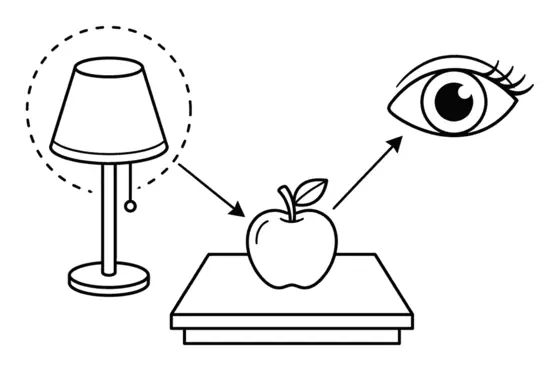
Years 5–6 · LightSheet 182
How We See Things
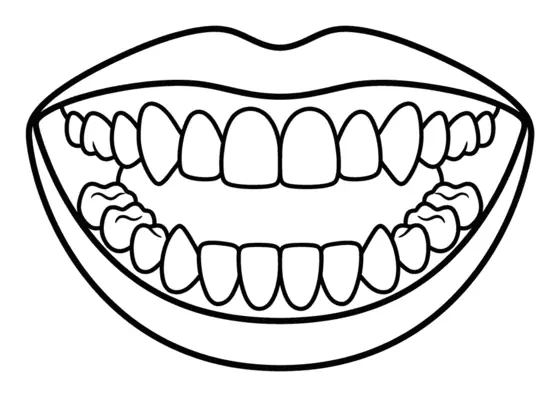
Years 3–4 · Teeth and digestionSheet 157
Animal Teeth and What They Eat
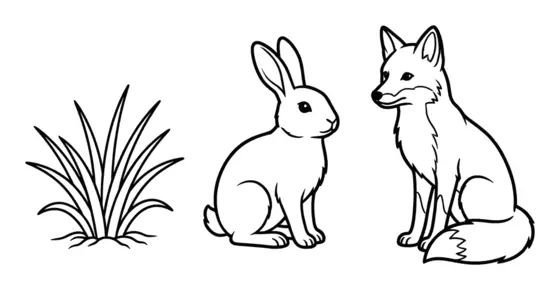
Years 3–4 · Food chainsSheet 152
Build a Food Chain: Label and Colour
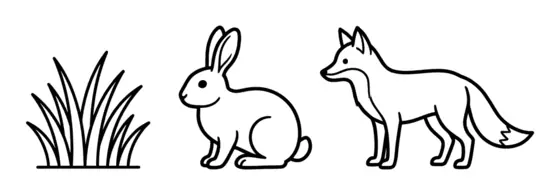
Years 3–4 · Food chainsSheet 153
Build a Food Chain: Label and True or False
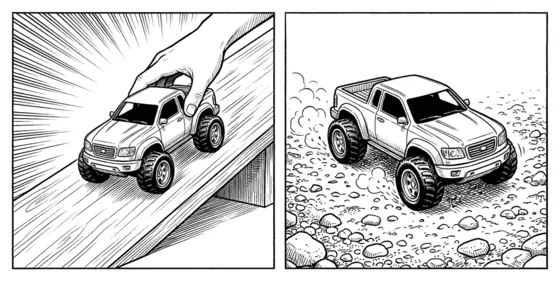
Years 3–5 · Forces and magnetsSheet 175
Forces and Friction
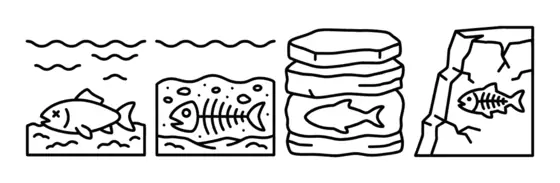
Years 3–4 · Rocks and fossilsSheet 120
How a Fossil Is Made
Educational quiz app · Ages 5-10
More learning in the Owee app
Owee turns topics like this into quizzes for children aged 5 to 10, and a treehouse grows as they learn. No ads, no chat, no strangers.
- Family-friendly
- No ads
- Private
Educational quiz app · Ages 5-10
More learning in the Owee app
Owee turns topics like this into quizzes for children aged 5 to 10, and a treehouse grows as they learn. No ads, no chat, no strangers.
Scan with your phone camera
- Family-friendly
- No ads
- Private