Educational quiz app · Ages 5-10
This is what learning looks like


Educational quiz app · Ages 5-10
This is what learning looks like
No nagging required. Keep the learning going after the worksheet, with every question read aloud and Owee guiding each step.
Scan with your phone camera
- Family-friendly
- No ads
- Private
Science · Colouring and tick-the-statement worksheet
Animal Teeth and What They Eat: Free KS2 Science Worksheet
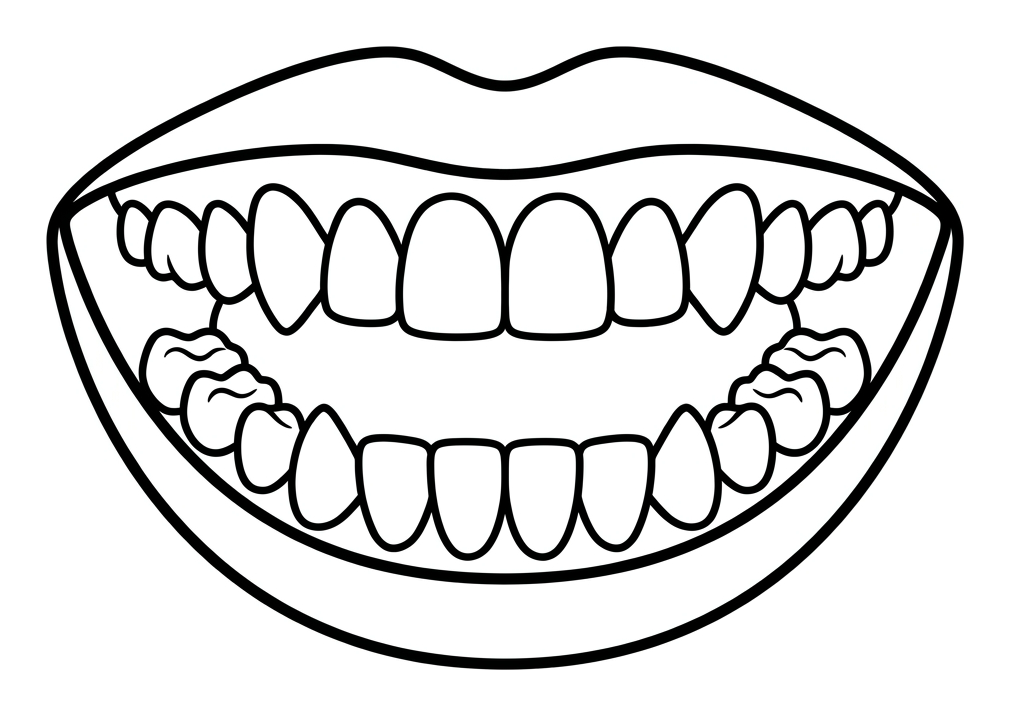
This free printable worksheet supports the Year 4 science unit on animals including humans, helping children identify the main types of teeth and understand their simple functions. The single colour-in illustration of an open mouth lets children look closely at the different tooth shapes before working through the tick-the-statement task.
It prints neatly onto one A4 page and works equally well as a starter activity, a homework task or a quiet revision sheet. The notes below are written for parents and teachers to explain the science and link it to the curriculum.
What your child is learning
‘identify the different types of teeth in humans and their simple functions’
Year 4 Science: Animals, including humans, National Curriculum in England. Source and licence
Animal Teeth and What They Eat
Free Science worksheet · Ages 8 to 9
Activity 1
Colour the teeth in the mouth. Use these colours.
- Colour the 8 flat front teeth (incisors) blue.
- Colour the 4 pointed teeth (canines) red.
- Colour the wide bumpy back teeth (molars) green.
Activity 2
Read each sentence. Tick the box if it is true. Leave it empty if it is false.
- Incisors are the flat front teeth used for biting and cutting food.
- Canines are pointed teeth that help grip and tear food.
- Molars are sharp front teeth used only for biting.
- Herbivores, such as sheep, have wide flat teeth for grinding plants.
- Carnivores, such as lions, have long sharp canines for tearing meat.
- Omnivores, such as humans, have only one type of tooth.
- The hard outer layer that protects a tooth is called enamel.
 Animal Teeth and What They EatSheet 157
Answers: Animal Teeth and What They Eat
Sheet 157
- Incisors are the flat front teeth used for biting and cutting food. — True (tick)
- Canines are pointed teeth that help grip and tear food. — True (tick)
- Molars are sharp front teeth used only for biting. — False (no tick)
- Herbivores, such as sheep, have wide flat teeth for grinding plants. — True (tick)
- Carnivores, such as lions, have long sharp canines for tearing meat. — True (tick)
- Omnivores, such as humans, have only one type of tooth. — False (no tick)
- The hard outer layer that protects a tooth is called enamel. — True (tick)
For grown-ups. Free worksheets and the Owee quiz app at owee.world
Answer key
- Incisors are the flat front teeth used for biting and cutting food. — True (tick)
- Canines are pointed teeth that help grip and tear food. — True (tick)
- Molars are sharp front teeth used only for biting. — False (no tick)
- Herbivores, such as sheep, have wide flat teeth for grinding plants. — True (tick)
- Carnivores, such as lions, have long sharp canines for tearing meat. — True (tick)
- Omnivores, such as humans, have only one type of tooth. — False (no tick)
- The hard outer layer that protects a tooth is called enamel. — True (tick)
The three types of teeth and what they do
Humans have three main types of teeth, each shaped for a particular job. Incisors are the flat, chisel-shaped teeth at the front, used for biting and cutting food into smaller pieces. The canines are the pointed teeth just beside the incisors, which grip and tear tougher foods. Towards the back of the mouth sit the broad, bumpy molars (and premolars), which crush and grind food ready for swallowing. Encouraging children to feel each type with their tongue, and to spot the same shapes in the worksheet illustration, makes the link between shape and function concrete and memorable.
How teeth match an animal's diet
The shape of an animal's teeth is a clue to what it eats. Herbivores such as sheep, rabbits and cows have wide, flat teeth for grinding tough grass and leaves, and often lack large canines. Carnivores such as lions, tigers and pet cats have long, sharp canines and pointed teeth for catching prey and tearing meat. Omnivores such as humans, bears and pigs eat both plants and animals, so they have a mixture of all three types: incisors, canines and molars. Comparing these patterns helps children see that body parts are suited, or adapted, to an animal's way of life.
Looking after teeth
Year 4 is also a natural time to talk about keeping teeth healthy, which links the science to everyday life. Teeth are protected by a hard outer layer called enamel, but sugary food and drink can lead to tooth decay over time. Brushing twice a day with a fluoride toothpaste, limiting sugary snacks and visiting the dentist all help to keep teeth strong. You might ask children to think about which of their own teeth they use when they bite an apple (the incisors) compared with when they chew it (the molars).
Getting the most from this worksheet
Before children begin colouring, ask them to point to the incisors, canines and molars on the illustration and describe each shape in their own words. The tick task then checks whether they can match each tooth type to its job and connect teeth to diet. To extend the activity, challenge children to sort familiar animals into herbivores, carnivores and omnivores, or to draw and label the teeth they would expect a particular animal to have. This moves them from recognising tooth types towards explaining why those shapes are useful.
Frequently asked questions
What are the three types of teeth taught in KS2?
The Year 4 curriculum focuses on three main types of human teeth: incisors (flat front teeth for biting and cutting), canines (pointed teeth for gripping and tearing) and molars (broad back teeth for crushing and grinding). Premolars are sometimes introduced as the smaller grinding teeth in front of the molars.
What is the difference between herbivore, carnivore and omnivore teeth?
Herbivores have wide, flat teeth for grinding plants and usually small or no canines. Carnivores have long, sharp canines and pointed teeth for catching and tearing meat. Omnivores, including humans, eat both plants and animals, so they have a mixture of incisors, canines and molars.
Is this animal teeth worksheet suitable for Year 4?
Yes. It is designed for ages 8 to 9 and supports the Year 4 science objective to identify the different types of teeth in humans and their simple functions, while extending learning to how teeth suit an animal's diet.
How do I print this worksheet?
The worksheet is designed to print onto a single A4 page. Use your browser's print option and select A4 portrait. It is free to download and print for home or classroom use.
How can I extend this worksheet at home or in class?
After completing the sheet, ask children to sort familiar animals into herbivores, carnivores and omnivores, or to predict and draw the teeth a chosen animal would have. You could also discuss looking after teeth, such as brushing twice a day and limiting sugary snacks.
Curriculum links
- Year 4 Science: Animals, including humans (statutory): 'identify the different types of teeth in humans and their simple functions'
- Working scientifically (Years 3 and 4): 'identifying differences, similarities or changes related to simple scientific ideas and processes'
Quoted word for word from Department for Education documents: the National Curriculum in England, the EYFS framework or the RSHE guidance. Contains public sector information licensed under the Open Government Licence v3.0.
Made by The Owee education team. Updated 13/10/2026. Free to print and share.
More science worksheets
All Year 4 Science worksheets →
Years 4–5 · Teeth and digestionSheet 158
The Human Digestive System
Years 3–4 · Teeth and digestionSheet 159
Types of Teeth and Their Jobs
Years 3–4 · Food chainsSheet 152
Build a Food Chain: Label and Colour
Years 3–4 · Food chainsSheet 153
Build a Food Chain: Label and True or False
Years 3–5 · Forces and magnetsSheet 175
Forces and Friction
Years 3–4 · Rocks and fossilsSheet 120
How a Fossil Is Made
Educational quiz app · Ages 5-10
More learning in the Owee app
Owee turns topics like this into quizzes for children aged 5 to 10, and a treehouse grows as they learn. No ads, no chat, no strangers.
- Family-friendly
- No ads
- Private
Educational quiz app · Ages 5-10
More learning in the Owee app
Owee turns topics like this into quizzes for children aged 5 to 10, and a treehouse grows as they learn. No ads, no chat, no strangers.
Scan with your phone camera
- Family-friendly
- No ads
- Private