Educational quiz app · Ages 5-10
This is what learning looks like


Educational quiz app · Ages 5-10
This is what learning looks like
No nagging required. Keep the learning going after the worksheet, with every question read aloud and Owee guiding each step.
Scan with your phone camera
- Family-friendly
- No ads
- Private
Science · Colouring and tick-the-box worksheet
My Healthy Plate: Free KS1 Balanced Diet Worksheet
This free printable worksheet introduces children aged 5 to 7 to the idea of a healthy, balanced plate. It supports the Year 2 Science topic animals including humans, where pupils learn why people need the right amounts of different types of food to stay well.
The sheet prints to a single A4 page. Children colour each food on the plate and then tick the sentences about eating that are true, giving them a gentle, hands-on way to talk about everyday eating without any pressure or judgement.
What your child is learning
‘describe the importance for humans of exercise, eating the right amounts of different types of food, and hygiene’
Year 2 Science: Animals, including humans, National Curriculum in England. Source and licence
My Healthy Plate
Free Science worksheet · Ages 5 to 7
Activity 1
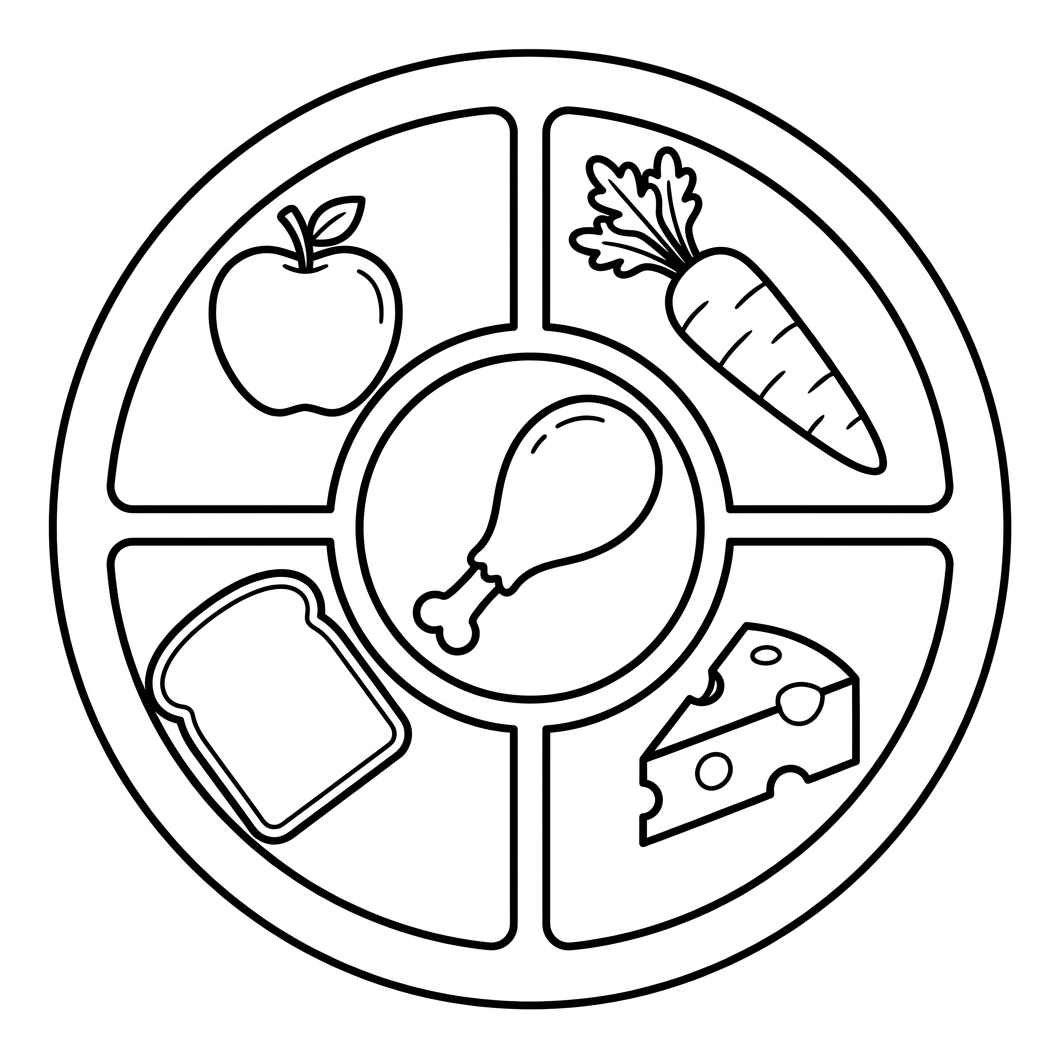
Colour each food on the plate in its real colours.
- Colour the apple red or green, and the carrot orange.
- Colour the bread light brown and the cheese yellow.
- Colour the chicken drumstick brown.
Activity 2
Read each sentence about healthy eating. Tick the box if the sentence is true.
- Eating fruit and vegetables every day helps us stay healthy.
- A healthy meal has different types of food on it.
- Fizzy drinks are better for us than water.
- Eating only sweets and cake every day keeps us healthy.
- Bread and potatoes give us energy to move and play.
 My Healthy PlateSheet 81
Answers: My Healthy Plate
Sheet 81
- Eating fruit and vegetables every day helps us stay healthy. — True (tick)
- A healthy meal has different types of food on it. — True (tick)
- Fizzy drinks are better for us than water. — False (no tick)
- Eating only sweets and cake every day keeps us healthy. — False (no tick)
- Bread and potatoes give us energy to move and play. — True (tick)
For grown-ups. Free worksheets and the Owee quiz app at owee.world
Answer key
- Eating fruit and vegetables every day helps us stay healthy. — True (tick)
- A healthy meal has different types of food on it. — True (tick)
- Fizzy drinks are better for us than water. — False (no tick)
- Eating only sweets and cake every day keeps us healthy. — False (no tick)
- Bread and potatoes give us energy to move and play. — True (tick)
What children learn from this worksheet
The worksheet helps children begin to recognise that meals are usually made up of several different food groups rather than one single food. As they colour the apple, carrot, bread, cheese and chicken drumstick on the plate, they can talk about fruit and vegetables, starchy foods, dairy and protein. The aim at Key Stage 1 is not to memorise nutrition facts but to build the simple, lasting idea that eating a variety of foods, in sensible amounts, helps the body stay healthy and full of energy. The tick activity then asks children to decide which sentences about eating and drinking are true, encouraging early reasoning about why some foods are everyday foods and others are occasional treats. The plate shows one food in each section to keep it simple; in real meals, fruit and vegetables and starchy foods such as bread, potatoes and pasta should make up the biggest parts, as the NHS Eatwell Guide shows.
How this links to the Year 2 Science curriculum
This printable is designed around the Year 2 statutory requirement for pupils to 'describe the importance for humans of exercise, eating the right amounts of different types of food, and hygiene'. The focus here is on the food element. The deliberate phrase is the right amounts of different types of food, which signals balance and variety rather than labelling foods as simply good or bad. Teachers can use the plate as a discussion starter before moving on to related ideas such as where food comes from, how the body uses food for energy and growth, and the importance of drinking water. It pairs naturally with work on exercise and hygiene to give a rounded picture of staying healthy.
Using the worksheet at home or in the classroom
At home, a parent or carer can sit alongside the child, name each food as it is coloured, and chat about meals the family enjoys that contain similar foods. In the classroom, the sheet works well as an independent task, a guided group activity, or a quick assessment of prior knowledge at the start of a topic. Encourage children to add their own ideas: which fruit or vegetable would they choose, and what makes a meal feel balanced? Because the picture is simple line art, it also supports fine motor control and careful colouring. Keeping the tone positive and curious helps children develop a healthy, relaxed relationship with food.
Extending the activity
Once the worksheet is finished, there are many easy ways to extend the learning. Children could draw their own balanced plate for a favourite meal, sort picture cards of foods into groups, or keep a simple one-day food diary with a grown-up. A walk around a greengrocer or a look in the kitchen cupboards turns the topic into a real-world treasure hunt for different food types. For a cross-curricular link, counting how many of each food group appear in a packed lunch brings in early maths, while talking about where carrots and apples grow connects to plants and the wider natural world.
Frequently asked questions
What is a healthy, balanced plate for KS1 children?
A balanced plate contains a variety of food types in sensible amounts. For Key Stage 1, this is usually explained simply as having some fruit and vegetables, some starchy foods such as bread or potatoes, some dairy such as cheese or milk, and some protein such as chicken, beans or fish, with treats kept occasional. The aim is variety and balance rather than perfect portions.
Is this healthy eating worksheet free to print?
Yes. This worksheet is completely free to download and print. It is designed to fit on a single A4 page, so it works for home learning, classroom lessons or as a quick activity at the start of a healthy eating topic.
What age and key stage is this worksheet for?
It is aimed at children aged 5 to 7, which covers Years 1 and 2 at Key Stage 1. It directly supports the Year 2 Science topic on animals including humans and is also suitable as a gentle introduction for younger children.
How does this worksheet support the Year 2 Science curriculum?
It supports the statutory requirement for pupils to describe the importance of eating the right amounts of different types of food for a healthy diet. The colouring and ticking tasks give children a concrete, low-pressure way to recognise different food groups and to start reasoning about balanced choices.
How can I extend this activity at home?
You could ask your child to draw a balanced plate for their favourite meal, sort food pictures into groups, look together at where foods come from, or keep a simple one-day food diary. Naming foods during everyday cooking and shopping reinforces the ideas in a natural, enjoyable way.
Curriculum links
- Year 2 Science: Animals, including humans (statutory): 'describe the importance for humans of exercise, eating the right amounts of different types of food, and hygiene'
Quoted word for word from Department for Education documents: the National Curriculum in England, the EYFS framework or the RSHE guidance. Contains public sector information licensed under the Open Government Licence v3.0.
Made by The Owee education team. Updated 13/10/2026. Free to print and share.
More science worksheets
All Year 2 Science worksheets →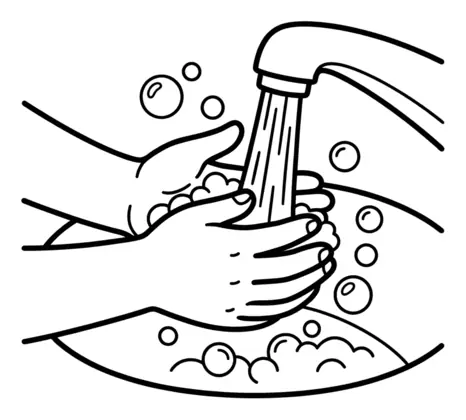
Years 1–2 · Healthy livingSheet 80
Keeping Clean: Wash Your Hands
Years 3–4 · Healthy livingSheet 113
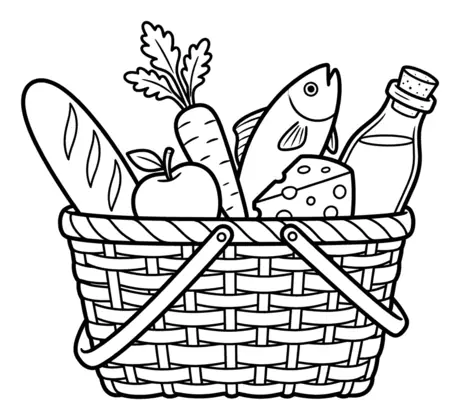
The Eatwell Guide Food Groups
Years 1–2 · AnimalsSheet 79
Animals and Their Survival Needs
Years 1–2 · AnimalsSheet 27
Animals of the Frozen Poles
Years 1–2 · AnimalsSheet 28
British Garden Birds Spotting Sheet
Years 1–2 · AnimalsSheet 29
Carnivore, Herbivore or Omnivore?
Educational quiz app · Ages 5-10
More learning in the Owee app
Owee turns topics like this into quizzes for children aged 5 to 10, and a treehouse grows as they learn. No ads, no chat, no strangers.
- Family-friendly
- No ads
- Private
Educational quiz app · Ages 5-10
More learning in the Owee app
Owee turns topics like this into quizzes for children aged 5 to 10, and a treehouse grows as they learn. No ads, no chat, no strangers.
Scan with your phone camera
- Family-friendly
- No ads
- Private