
Educational quiz app · Ages 5-10
This is what learning looks like


Educational quiz app · Ages 5-10
This is what learning looks like
No nagging required. Keep the learning going after the worksheet, with every question read aloud and Owee guiding each step.
Scan with your phone camera
- Family-friendly
- No ads
- Private
Free Year 1 science worksheets (age 5-6)
For children aged 5 to 6, Year 1 science has four topics in the national curriculum. In plants, children name common wild and garden plants, including deciduous and evergreen trees, and describe their basic parts. In animals, including humans, they name fish, amphibians, reptiles, birds and mammals, learn about carnivores, herbivores and omnivores, and label the body and senses. They also study everyday materials and the changes across the four seasons.
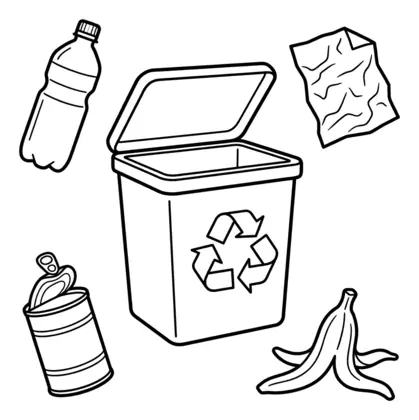
There are sheets for every one of those topics here, from a garden bird spotting sheet to a recycling sort. Some, such as life cycles, living and non-living things and healthy eating, are Year 2 topics, included for children who want to go further.
In Northern Ireland, Year 1 children are in Primary 2; in Scotland they are roughly in Primary 2. Wales also calls it Year 1.
Also known as: Scotland P2 · Northern Ireland P2 · Wales Year 1
Animals
All animals worksheets →Children name common animals and sort them into groups such as fish, amphibians, reptiles, birds and mammals, and find out what animals eat and need to survive.
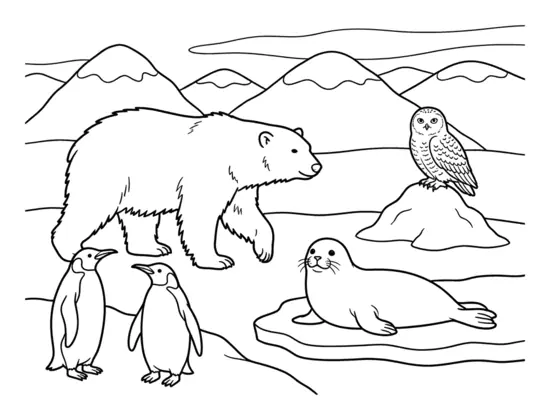
Years 1–2Sheet 27
Animals of the Frozen Poles
Print free →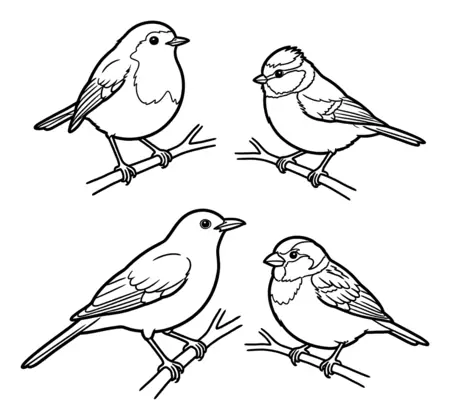
Years 1–2Sheet 28
British Garden Birds Spotting Sheet
Print free →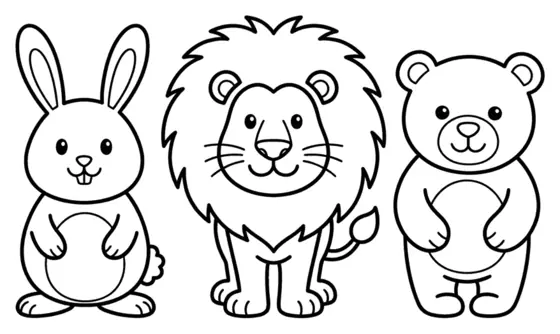
Years 1–2Sheet 29
Carnivore, Herbivore or Omnivore?
Print free →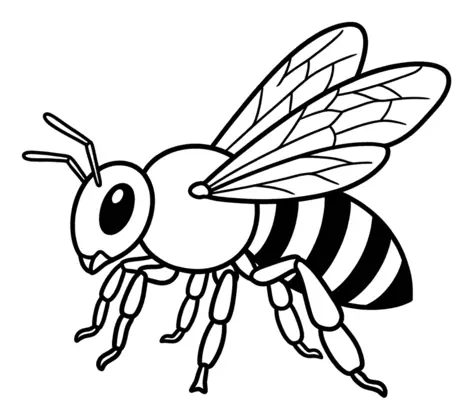
Years 1–2Sheet 30
Label the Parts of a Bee
Print free →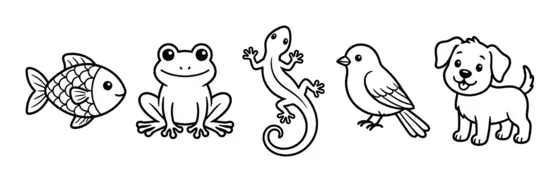
Years 1–2Sheet 31
Sorting Animal Groups
Print free →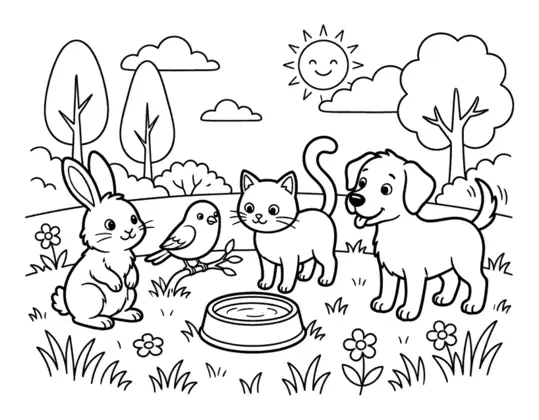
Years 1–2Sheet 79
Animals and Their Survival Needs
Print free →Earth and space
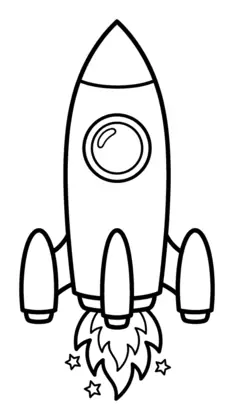
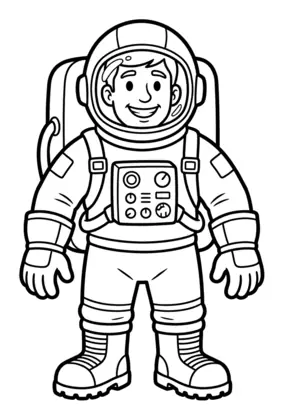
All earth and space worksheets →Children learn about the Sun, Earth and Moon, the planets of the solar system, and why we have day and night. Younger children often enjoy space as a class topic.
Healthy living
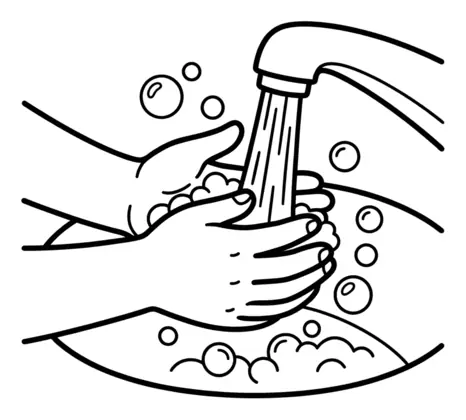
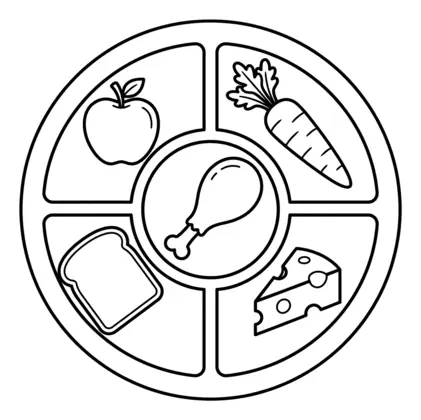
Children learn why we need a balanced diet, exercise and good hygiene such as handwashing, and how food groups like those in the Eatwell Guide help us stay healthy.
Human body
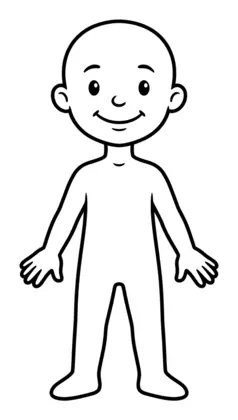
All human body worksheets →Children name the parts of the body and the five senses, learn how the skeleton and muscles support and move us, and in Year 6 how the heart and blood vessels work.
Life cycles
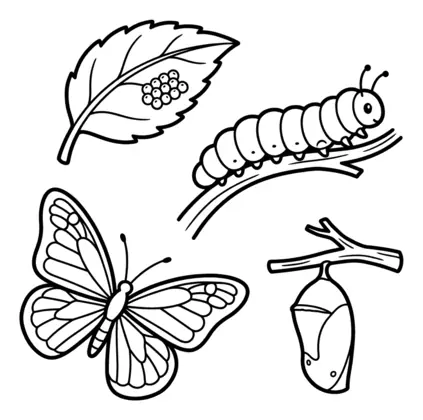
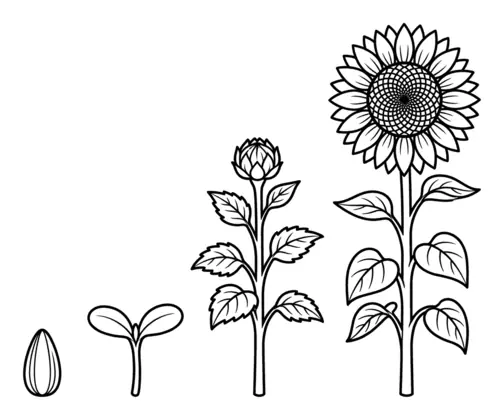
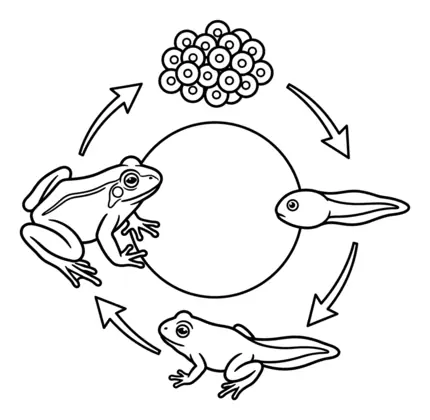
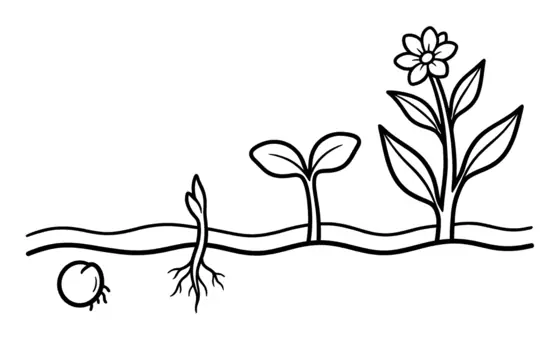
All life cycles worksheets →Children see how living things grow and change, from frogspawn to frog, caterpillar to butterfly and seed to flowering plant, and later compare life cycles of different animals.
Living things and habitats
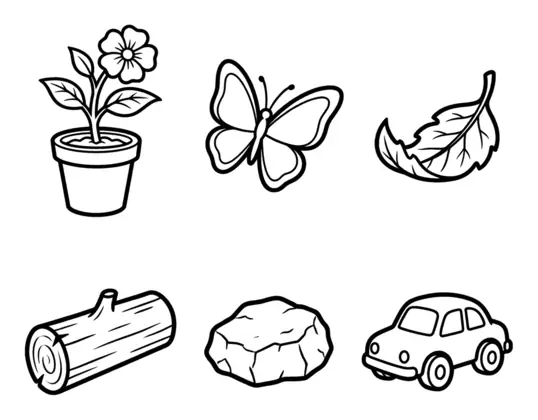
Children sort things into living, dead and never alive, explore where plants and animals live, and use classification keys to group and identify living things.
Materials
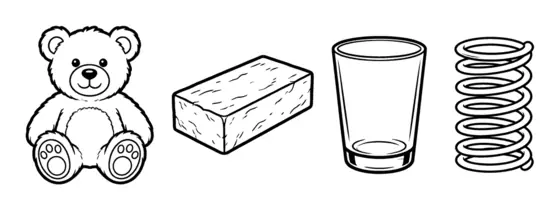
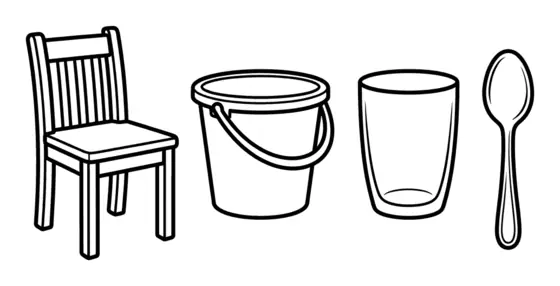
Children name everyday materials such as wood, plastic, glass and metal, describe their properties, and think about which materials suit which jobs.
Plants
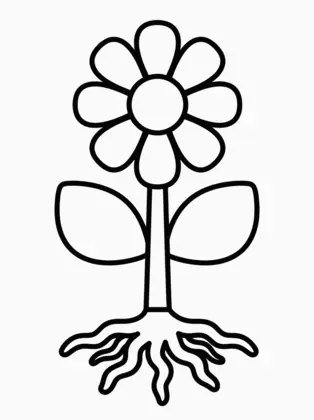
All plants worksheets →Children name common plants and trees and their parts, find out what plants need to grow, and in Year 3 learn what roots, stems, leaves and flowers each do.
Seasons
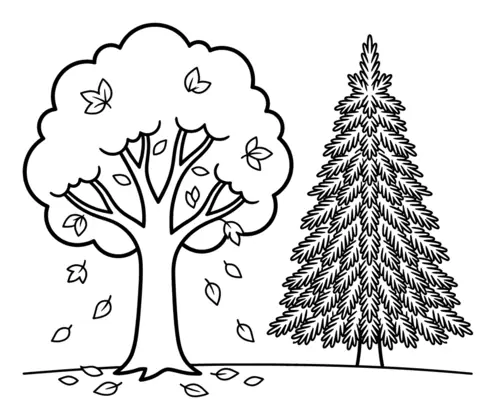
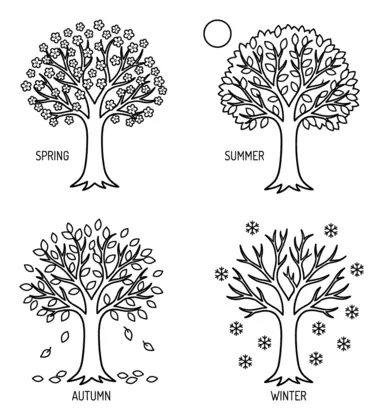
Children notice how the weather, trees and day length change through spring, summer, autumn and winter.
Working scientifically at home
Science in Year 1 is about looking closely and asking questions. The curriculum asks children to observe, identify and classify things, and to gather and record simple data. Take a sheet outside: find an evergreen tree, sort things in the kitchen by material, or keep a weather chart for a week. Talking about what they notice matters as much as filling in the page.
Questions parents ask
What is the difference between deciduous and evergreen trees?
Deciduous trees, such as oak and horse chestnut, lose their leaves in autumn and grow new ones in spring. Evergreen trees, such as holly and Scots pine, keep their leaves all year. Year 1 children learn to name examples of both.
Is my Year 1 child too young for science worksheets?
Not at all. Most of these sheets ask children to look, sort, label or colour, with very little writing. Read the words aloud if your child needs it; the science is in the thinking, not the reading.
Are the science sheets free?
Yes. All the Year 1 science sheets are free to print or save as a PDF, with no sign-up and no email address. Print one for each child if siblings want to join in.
Educational quiz app · Ages 5-10
More learning in the Owee app
Owee turns topics like this into quizzes for children aged 5 to 10, and a treehouse grows as they learn. No ads, no chat, no strangers.
- Family-friendly
- No ads
- Private
Educational quiz app · Ages 5-10
More learning in the Owee app
Owee turns topics like this into quizzes for children aged 5 to 10, and a treehouse grows as they learn. No ads, no chat, no strangers.
Scan with your phone camera
- Family-friendly
- No ads
- Private