Educational quiz app · Ages 5-10
This is what learning looks like


Educational quiz app · Ages 5-10
This is what learning looks like
No nagging required. Keep the learning going after the worksheet, with every question read aloud and Owee guiding each step.
Scan with your phone camera
- Family-friendly
- No ads
- Private
Science · Colouring and writing worksheet
What Is a Fossil? Free Mary Anning Worksheet (KS2)
This free printable worksheet brings together a little science and a little history. Children aged 7 to 9 colour a coiled ammonite, put the stages of fossil formation in order, and learn about Mary Anning, one of the most important fossil hunters who ever lived.
The sheet is designed to support the Year 3 science topic on rocks and fossils. Mary Anning is also a popular choice when children study significant individuals in KS1 history, so this sheet lets them meet her again in a science setting. It works well as a homework task, an early-finisher activity, or a calm introduction to a lesson on prehistoric life.
What your child is learning
‘describe in simple terms how fossils are formed when things that have lived are trapped within rock’
Year 3 Science: Rocks, National Curriculum in England. Source and licence

What Is a Fossil? Mary Anning
Free Science worksheet · Ages 7 to 9
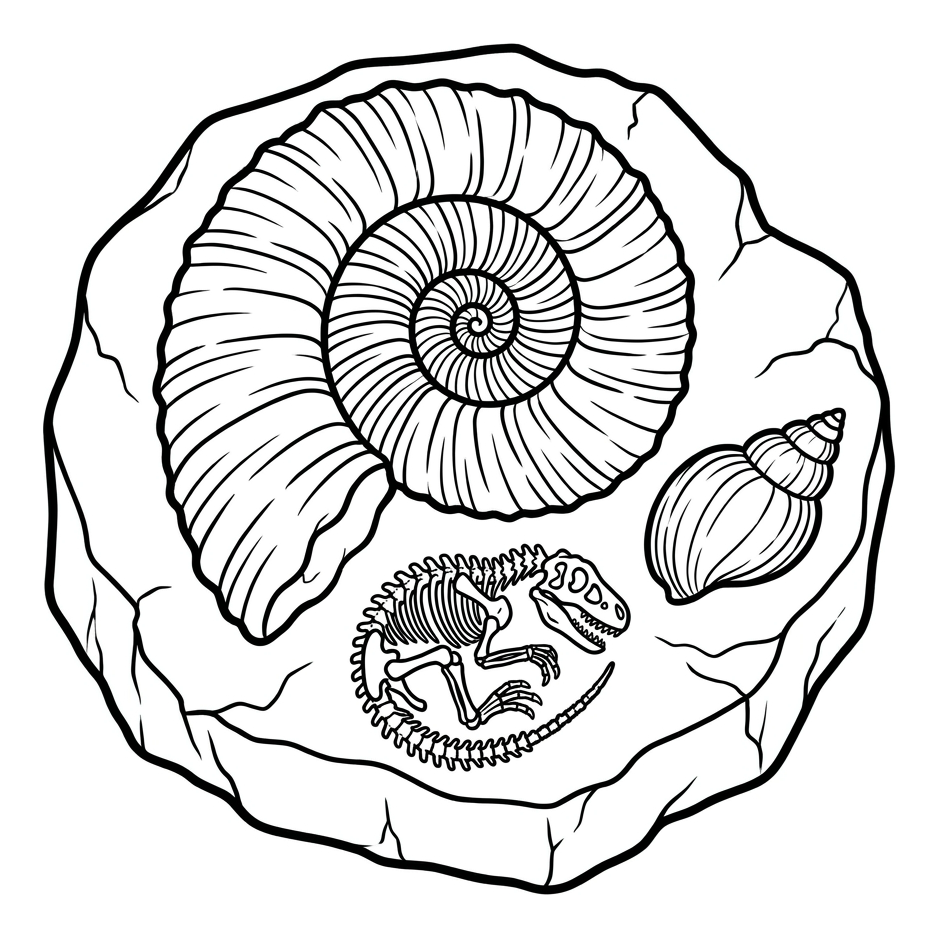
Activity 1
Colour the ammonite, the small skeleton, the sea shell and the rock. Try browns and greys for the rock and a brighter colour for the spiral shell.
How a fossil forms
These stages are mixed up. Write 1, 2, 3 or 4 in each box to put them in order.
- Layers of mud and sand cover the shell. Over millions of years they turn to rock, and the shell turns to stone.
- An ammonite dies and sinks to the seabed.
- Much later, the rock wears away and someone finds the fossil.
- The soft body rots away, leaving the hard shell behind.
Mary Anning
Answer the questions. Use the word bank to help you.
In which seaside town did Mary Anning live and hunt for fossils?
Name one sea reptile fossil that Mary Anning found.
 What Is a Fossil? Mary AnningSheet 122
Answers: What Is a Fossil? Mary Anning
Sheet 122
- Layers of mud and sand cover the shell. Over millions of years they turn to rock, and the shell turns to stone. — 3
- An ammonite dies and sinks to the seabed. — 1
- Much later, the rock wears away and someone finds the fossil. — 4
- The soft body rots away, leaving the hard shell behind. — 2
- In which seaside town did Mary Anning live and hunt for fossils? — Lyme Regis (in Dorset)
- Name one sea reptile fossil that Mary Anning found. — An ichthyosaur or a plesiosaur
For grown-ups. Free worksheets and the Owee quiz app at owee.world
Answer key
- Layers of mud and sand cover the shell. Over millions of years they turn to rock, and the shell turns to stone. — 3
- An ammonite dies and sinks to the seabed. — 1
- Much later, the rock wears away and someone finds the fossil. — 4
- The soft body rots away, leaving the hard shell behind. — 2
- In which seaside town did Mary Anning live and hunt for fossils? — Lyme Regis (in Dorset)
- Name one sea reptile fossil that Mary Anning found. — An ichthyosaur or a plesiosaur
What is a fossil, and how does one form?
A fossil is the preserved remains or trace of a living thing from long ago. Most fossils form in a slow, step-by-step process. When an animal such as an ammonite died, its body sank to the seabed and the soft parts rotted away, leaving the hard shell or bones behind. Layers of mud and sand then settled on top, building up over millions of years and squashing down into rock. Minerals seeped into the buried shell and gradually turned it to stone. Much later, movement of the Earth and the wearing away of cliffs by wind, rain and waves can bring these fossils back to the surface, where they may be found. Explaining the process as an ordered sequence helps children grasp that fossils are evidence of life from deep in the past, not objects that appeared all at once.
Who was Mary Anning?
Mary Anning (1799 to 1847) lived in Lyme Regis on the Dorset coast, part of what is now known as the Jurassic Coast. From childhood she searched the crumbling cliffs for fossils, often in dangerous conditions, and sold her finds to support her family. She and her brother uncovered the first correctly identified ichthyosaur skeleton when she was still a girl, and she went on to find the first complete plesiosaur and an important pterosaur. Her careful observations helped scientists of the time begin to understand that creatures very different from those alive today had once existed. Because she was a working-class woman, Mary was rarely given proper credit during her lifetime, which makes her a good starting point for discussing fairness and recognition as well as discovery. One common mix-up: ichthyosaurs and plesiosaurs were sea reptiles, not dinosaurs, even though they lived at the same time as the dinosaurs.
Linking science and history in the classroom
This worksheet sits at the meeting point of two curriculum areas. The Year 3 science objective asks children to describe in simple terms how fossils form when living things are trapped in rock, while the KS1 history curriculum asks children to learn about the lives of significant individuals who contributed to national and international achievements, and Mary Anning is a common choice. Using Mary Anning as the bridge lets children see that scientific knowledge is built up by real people over time. It is also a good opportunity to introduce simple chronology: the difference between the deep time in which fossils formed and the much more recent past in which Mary lived and worked.
How to get the most from the sheet
Read the four fossil-formation stages together before children number them, and encourage them to explain their reasoning rather than guessing. A useful clue is that the shell has to be buried before it can turn to stone, and the rock has to wear away before anyone can find it. The colouring task can be as relaxed or as accurate as you like; you might invite children to use earthy browns and greys for the rock and brighter tones for the shell. To extend the activity, ask children to write a sentence describing one thing Mary Anning discovered, or to find Lyme Regis on a map of the United Kingdom. A short discussion about why some people are remembered and others forgotten can deepen the historical thinking.
Frequently asked questions
What is a fossil in simple terms for KS2?
A fossil is the preserved remains or trace of a plant or animal that lived a very long time ago. The hard parts, such as a shell or bones, were buried in layers of mud that turned to rock, and over millions of years the remains slowly turned to stone too.
How does a fossil form, step by step?
An animal dies and sinks to the seabed; the soft parts rot away leaving hard parts behind; layers of mud and sand build up on top and press down into rock, while minerals slowly turn the buried remains to stone; and much later the rock wears away to reveal the fossil. This sheet asks children to put four of these stages in order.
Who was Mary Anning and why is she important?
Mary Anning (1799 to 1847) was a fossil hunter from Lyme Regis in Dorset. She discovered the first correctly identified ichthyosaur, the first complete plesiosaur and an important pterosaur. Her finds helped scientists understand that very different creatures once lived on Earth, though she received little credit at the time.
Is this worksheet suitable for Year 3 and Year 4?
Yes. It is aimed at children aged 7 to 9 in Years 3 and 4 (lower KS2). It supports the Year 3 science topic on rocks and fossils, and builds on the KS1 history work many children do on significant individuals.
Is the worksheet free to print?
Yes. The worksheet is completely free to download and print at home or in school.
Curriculum links
- Year 3 Science: Rocks (statutory): 'describe in simple terms how fossils are formed when things that have lived are trapped within rock'
Quoted word for word from Department for Education documents: the National Curriculum in England, the EYFS framework or the RSHE guidance. Contains public sector information licensed under the Open Government Licence v3.0.
Made by The Owee education team. Updated 13/10/2026. Free to print and share.
More science worksheets
All Year 3 Science worksheets →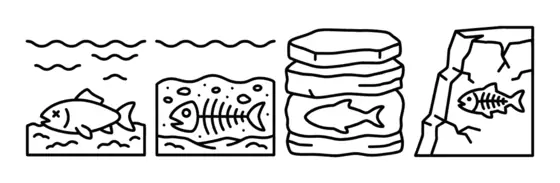
Years 3–4 · Rocks and fossilsSheet 120
How a Fossil Is Made
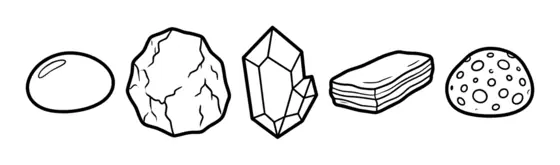
Years 3–4 · Rocks and fossilsSheet 121
Sorting Rocks
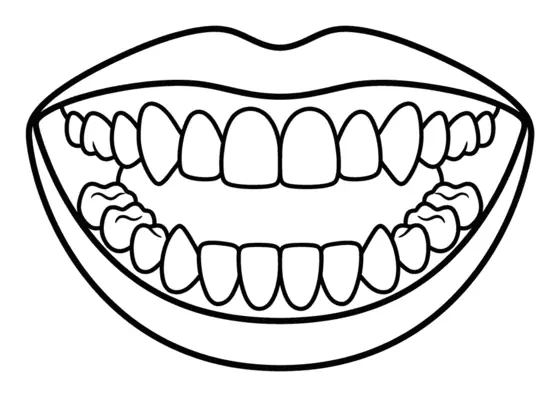
Years 3–4 · Teeth and digestionSheet 157
Animal Teeth and What They Eat
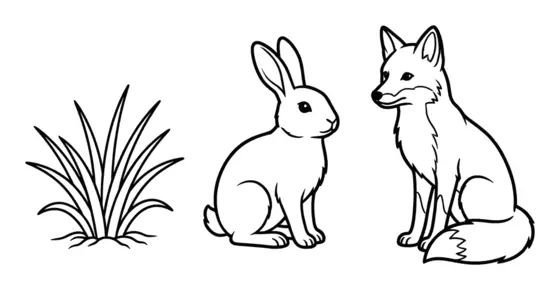
Years 3–4 · Food chainsSheet 152
Build a Food Chain: Label and Colour
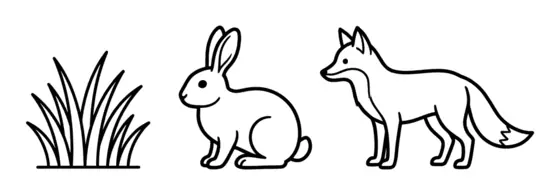
Years 3–4 · Food chainsSheet 153
Build a Food Chain: Label and True or False
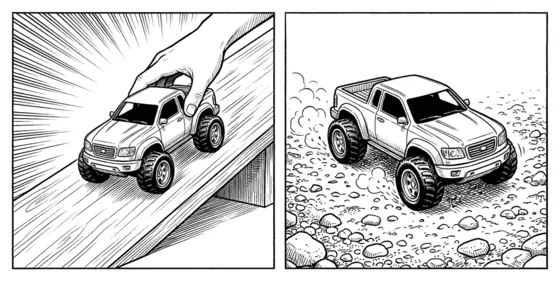
Years 3–5 · Forces and magnetsSheet 175
Forces and Friction
Educational quiz app · Ages 5-10
More learning in the Owee app
Owee turns topics like this into quizzes for children aged 5 to 10, and a treehouse grows as they learn. No ads, no chat, no strangers.
- Family-friendly
- No ads
- Private
Educational quiz app · Ages 5-10
More learning in the Owee app
Owee turns topics like this into quizzes for children aged 5 to 10, and a treehouse grows as they learn. No ads, no chat, no strangers.
Scan with your phone camera
- Family-friendly
- No ads
- Private