
Educational quiz app · Ages 5-10
This is what learning looks like


Educational quiz app · Ages 5-10
This is what learning looks like
No nagging required. Keep the learning going after the worksheet, with every question read aloud and Owee guiding each step.
Scan with your phone camera
- Family-friendly
- No ads
- Private
Free English worksheets for Reception to Year 6
English in the national curriculum covers reading, writing, spelling, grammar and spoken language. Key Stage 1 is set year by year, while Key Stage 2 is set in two-year blocks, with spelling and grammar set out in more detail in two appendices. Reception follows the EYFS literacy goals, built on phonics.
These sheets are for children aged 4 to 11, with most aimed at Reception to Year 3. Early readers will find phonics sounds, CVC words, rhymes, tricky words and alphabet tracing. KS1 sheets cover nouns, verbs, adjectives, conjunctions, capital letters and suffixes. KS2 sheets cover adverbs, prepositions, prefixes, inverted commas, possessive apostrophes and dictionary skills, and a synonyms and antonyms sheet is aimed at Year 6.
Phonics
All phonics worksheets →Children learn the sounds that letters and groups of letters make, then blend them to read words and split words into sounds to spell them. In June of Year 1 there is a short phonics screening check.
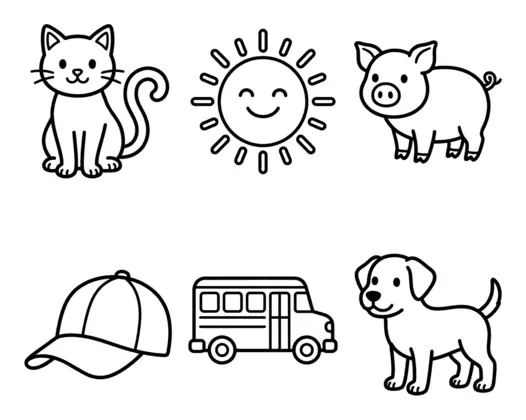
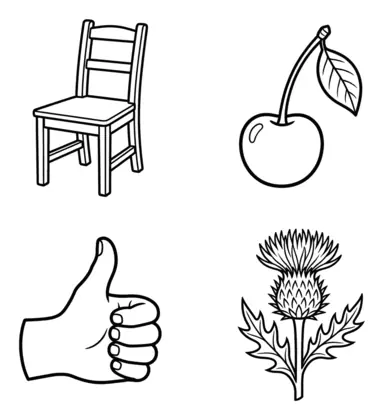
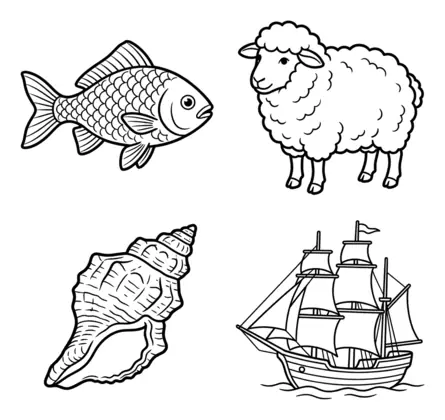
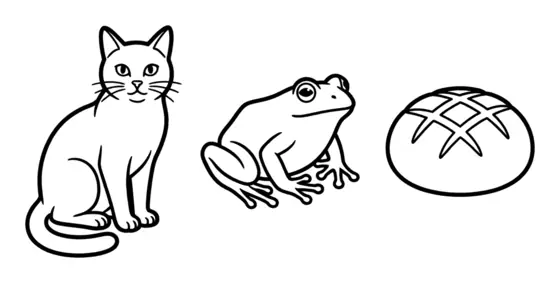
Handwriting
Children learn to hold a pencil comfortably and form each letter correctly, starting and finishing in the right place, before moving on to joined handwriting.
Spelling
All spelling worksheets →Children learn spelling patterns and rules for each year, such as adding -s or -es, prefixes and suffixes, homophones like there and their, and tricky common exception words.
Reception–Year 1Sheet 25
Common Exception (Tricky) Words: Trace and Write
Print free →
Years 2–3Sheet 75
Homophones: there, their and they're
Print free →
Years 2–3Sheet 76
Plurals: -s, -es and Changing y to i
Print free →
Years 2–3Sheet 77
Suffixes: -ful, -less and -ly
Print free →
Years 3–4Sheet 111
Prefixes: un-, dis-, mis- and re-
Print free →Vocabulary
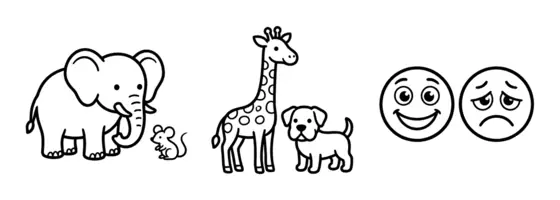
Children build a wider range of words by exploring meanings, opposites (antonyms) and words with similar meanings (synonyms), so they can choose words more precisely.
Grammar
All grammar worksheets →Children learn how words and sentences work: naming words (nouns), doing words (verbs), describing words (adjectives and adverbs), joining words (conjunctions) and words for position and time (prepositions).
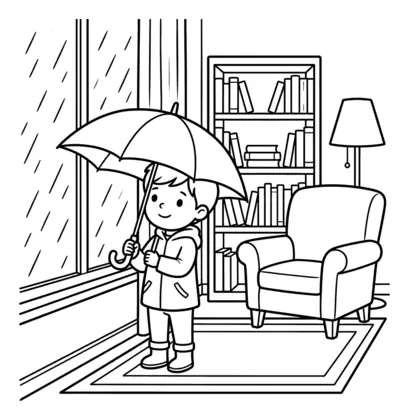
Years 2–3Sheet 70
Conjunctions: because, but and so
Print free →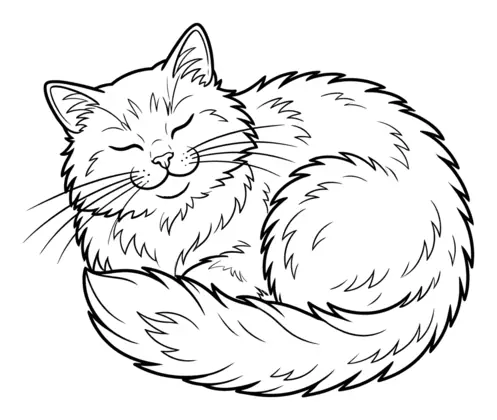
Years 1–2Sheet 71
Describing Words (Adjectives)
Print free →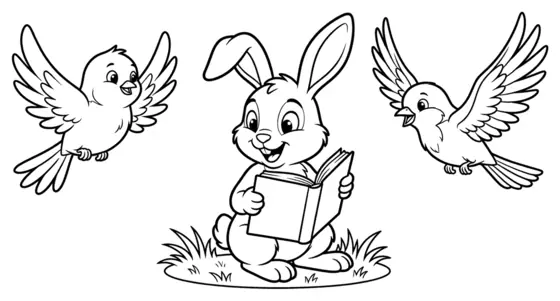
Years 1–2Sheet 72
Doing Words (Verbs)
Print free →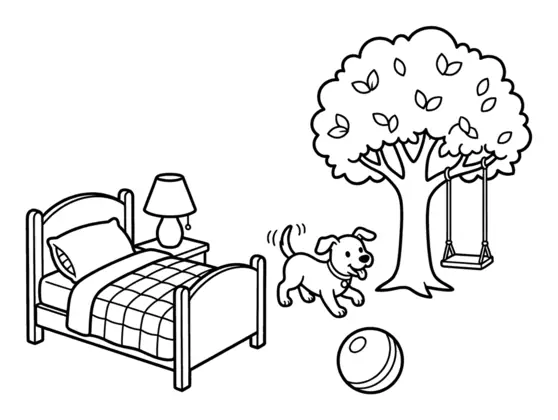
Years 1–2Sheet 73
Naming Words (Nouns)
Print free →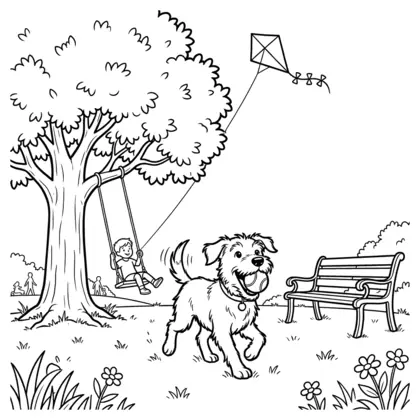
Years 2–3Sheet 74
Spot the Nouns, Verbs and Adjectives
Print free →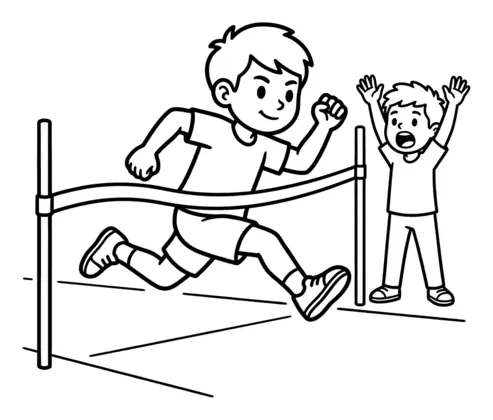
Years 3–4Sheet 109
Adverbs: How, When and Where
Print free →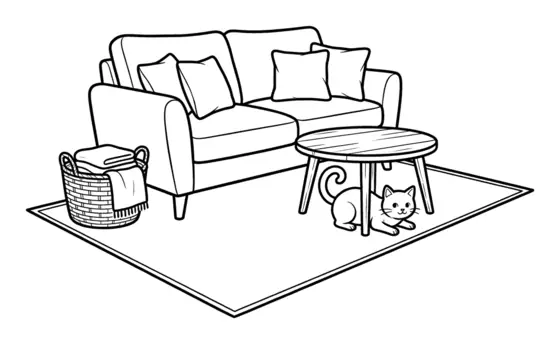
Years 2–3Sheet 110
Prepositions: Where Is the Cat?
Print free →Punctuation
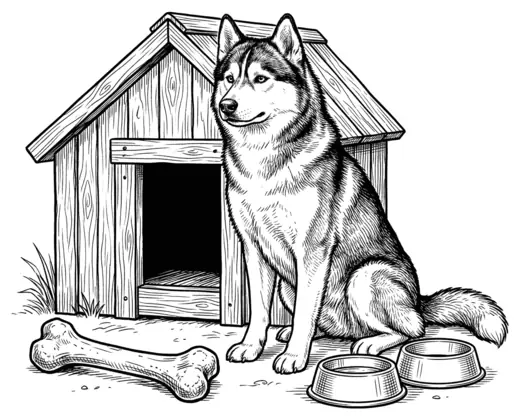
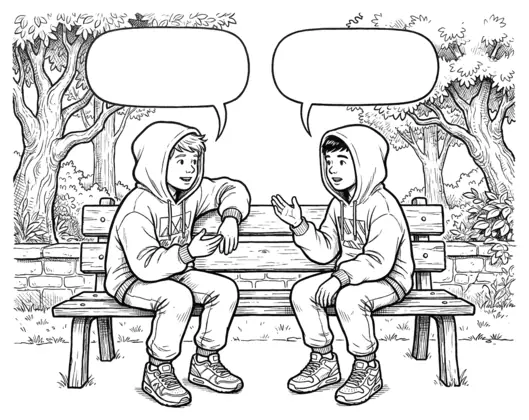
Children start with capital letters and full stops, then learn question marks, commas, apostrophes and the inverted commas used for speech.
Dictionary skills
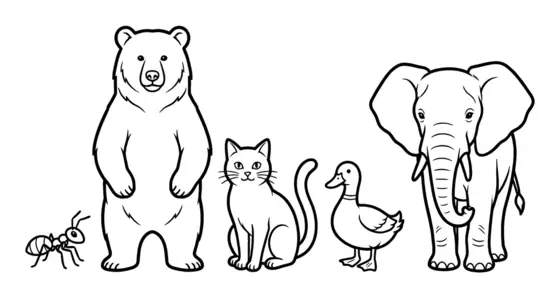
Children use alphabetical order, looking at the first, second and third letters, to find words quickly in a dictionary and check spellings and meanings.
Story writing
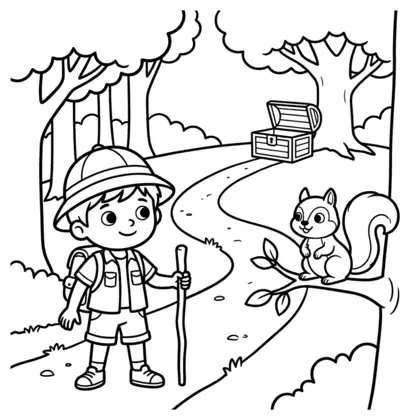
Children learn to plan and write stories with a clear beginning, middle and end, and later to build settings, characters and plot.
From phonics to grammar
Children first learn to match sounds to letters and blend them to read. By Year 2, most words should be read quickly, and the focus moves to spelling rules and naming the parts of a sentence. In KS2, grammar gets more precise, with fronted adverbials in Year 4, relative clauses in Year 5 and the passive voice in Year 6. Each step relies on the one before, so gaps are worth filling early.
Tests in English
Year 1 children take the phonics screening check in June. In Year 6, the KS2 SATs in May include a reading paper and a grammar, punctuation and spelling test. Writing is assessed by teachers rather than tested. The KS1 English tests in Year 2 have been optional since 2023/24, so whether your child sits them depends on the school. Reading widely at home is the best preparation for all of these.
Questions parents ask
What is the difference between phonics and spelling?
Phonics teaches which sounds letters make, so children can read and write words by sounding them out. Spelling builds on that with rules and patterns, such as changing y to i before adding -es, and with words that do not follow the usual sounds.
My child is in Year 5. Are there sheets for them?
So far there is a synonyms and antonyms sheet, and the KS2 sheets on prefixes, inverted commas, possessive apostrophes and dictionary skills make useful revision. More sheets for Years 5 and 6 are added regularly.
Do the sheets use British spelling?
Yes. Every sheet uses British spelling and the grammar terms taught in English primary schools, such as inverted commas and common exception words. They are all free to print, with no sign-up.
Educational quiz app · Ages 5-10
More learning in the Owee app
Owee turns topics like this into quizzes for children aged 5 to 10, and a treehouse grows as they learn. No ads, no chat, no strangers.
- Family-friendly
- No ads
- Private
Educational quiz app · Ages 5-10
More learning in the Owee app
Owee turns topics like this into quizzes for children aged 5 to 10, and a treehouse grows as they learn. No ads, no chat, no strangers.
Scan with your phone camera
- Family-friendly
- No ads
- Private