Educational quiz app · Ages 5-10
This is what learning looks like


Educational quiz app · Ages 5-10
This is what learning looks like
No nagging required. Keep the learning going after the worksheet, with every question read aloud and Owee guiding each step.
Scan with your phone camera
- Family-friendly
- No ads
- Private
Science · Colouring and labelling worksheet
Life Cycle of a Sunflower: Free KS1 Worksheet
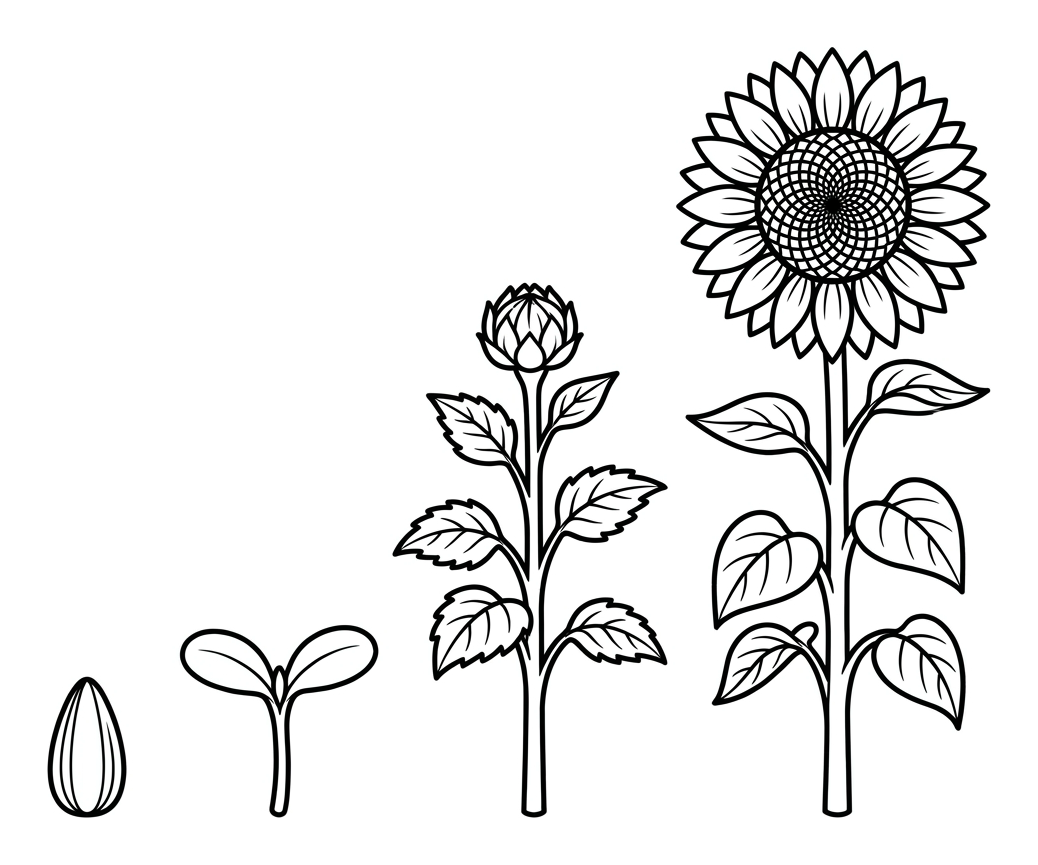
This free printable worksheet introduces children aged 5 to 7 to the life cycle of a sunflower, one of the easiest and most rewarding plants for young observers to grow. The picture shows four stages in order — seed, sprout, young plant and mature flower — ready to be coloured and discussed.
Designed to print neatly onto a single A4 page, it pairs a colouring task with a short labelling activity so children can observe and describe how a seed grows into a tall, mature plant. It works well as a follow-up to growing sunflowers in a pot or garden, or as a standalone classroom or home activity.
What your child is learning
‘observe and describe how seeds and bulbs grow into mature plants’
Year 2 Science: Plants, National Curriculum in England. Source and licence

Life Cycle of a Sunflower
Free Science worksheet · Ages 5 to 7
Activity 1
Colour the four stages of the sunflower, from left to right. Use these colours.
- Colour the seed grey. Leave its stripes white.
- Colour the stems, leaves and bud green.
- Colour the petals of the open flower yellow.
- Colour the middle of the open flower brown.
Activity 2
Look at the four pictures in order. Read each clue and write the stage name on the line. Use the word bank to help you.
Stage 1: a tiny striped seed.
Stage 2: a small shoot with two seed leaves.
Stage 3: a taller plant with a bud.
Stage 4: a tall flower with open petals.
 Life Cycle of a SunflowerSheet 83
Answers: Life Cycle of a Sunflower
Sheet 83
- Stage 1: a tiny striped seed. — seed
- Stage 2: a small shoot with two seed leaves. — sprout
- Stage 3: a taller plant with a bud. — young plant
- Stage 4: a tall flower with open petals. — mature flower
For grown-ups. Free worksheets and the Owee quiz app at owee.world
Answer key
- Stage 1: a tiny striped seed. — seed
- Stage 2: a small shoot with two seed leaves. — sprout
- Stage 3: a taller plant with a bud. — young plant
- Stage 4: a tall flower with open petals. — mature flower
What children learn from this worksheet
By the end of this activity, children should be able to name the four stages shown and place them in the correct order, from seed to flowering plant. The aim is not technical vocabulary but secure observation: noticing that a tiny seed grows roots and a shoot, that the first leaves appear, that the stem grows taller and a bud forms, and that the bud finally opens into the familiar yellow flower. Talking through each stage as it is coloured helps children link the picture to plants they have seen grow in real life, which is exactly the kind of first-hand experience the Key Stage 1 curriculum encourages.
How a sunflower really grows
A sunflower begins as a seed planted in soil. With warmth and water, the seed germinates: a tiny root grows downwards and a shoot pushes upwards. The shoot opens into two small seed leaves (cotyledons), followed by the plant's true leaves. Over several weeks the stem grows tall and strong, and a green bud forms at the top. The bud then opens into a large flower head made of many tiny florets surrounded by bright petals. Once pollinated, the flower head produces new seeds, and the cycle can begin again. Sunflowers are a favourite for this topic because they grow quickly and visibly, often reaching well above a young child's head.
Ideas for using the worksheet at home or school
This sheet works best alongside a real growing experience. If you can, plant a few sunflower seeds in spring and keep a simple diary, measuring the plant each week and comparing it to the stages on the page. Encourage children to use real colours — a grey seed with white stripes, green for the stem, leaves and bud, yellow for the petals and brown for the middle — so colouring reinforces what each part is. If you have a packet of seeds, let them hold one and compare it with the drawing. After colouring, ask children to retell the life cycle in their own words, pointing to each stage in turn. This kind of describing and sequencing supports both science understanding and early spoken language.
Linking to the wider plants topic
The life cycle of a sunflower sits within the broader Year 2 plants unit, which also covers what seeds and bulbs need to grow into healthy plants: water, light and a suitable temperature. You can extend this worksheet by discussing what would happen if a sunflower had no water or was kept in the dark, and by comparing the sunflower's life cycle with that of a bean or a bulb such as a daffodil. These comparisons help children see that, while every plant looks different, many follow the same broad journey from seed to mature, seed-producing plant.
Frequently asked questions
What are the stages of a sunflower's life cycle for KS1?
For Key Stage 1, the four simple stages are: seed, sprout (a small shoot with seed leaves), young plant with a bud, and mature flower. Once the flower has been pollinated it makes new seeds, so the cycle can start again. This worksheet shows the four main stages in order, ready to colour and discuss.
What age is this sunflower worksheet suitable for?
It is designed for children aged 5 to 7 (Years 1 and 2, Key Stage 1). The colouring and short labelling tasks suit early readers and writers, and the topic links directly to the Year 2 science objective on how seeds grow into mature plants.
How long does a sunflower take to grow?
From planting, a sunflower usually germinates within one to two weeks and flowers after roughly two to three months, depending on the variety and the weather. Growing one alongside this worksheet lets children watch the real stages unfold and compare them with the picture.
What do sunflowers need to grow well?
Like most plants, sunflowers need water, light and a suitable temperature. They grow best in a sunny, sheltered spot with regular watering. This worksheet pairs naturally with a discussion about what a seed needs to grow, which is also part of the Year 2 plants topic.
Is this worksheet free to print?
Yes. The worksheet is completely free to download and print at home or in the classroom. It is designed to fit neatly onto a single A4 page, so you can print as many copies as you need.
Curriculum links
- Year 2 Science: Plants (statutory): 'observe and describe how seeds and bulbs grow into mature plants'
- Year 2 Science, Plants: 'find out and describe how plants need water, light and a suitable temperature to grow and stay healthy'
- Year 1 Science, Plants: 'identify and describe the basic structure of a variety of common flowering plants, including trees'
Quoted word for word from Department for Education documents: the National Curriculum in England, the EYFS framework or the RSHE guidance. Contains public sector information licensed under the Open Government Licence v3.0.
Made by The Owee education team. Updated 13/10/2026. Free to print and share.
More science worksheets
All Year 2 Science worksheets →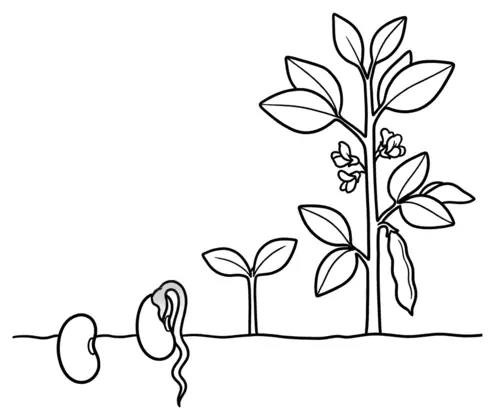
Years 2–3 · Life cyclesSheet 117
Life Cycle of a Bean Plant
Years 1–2 · Life cyclesSheet 82
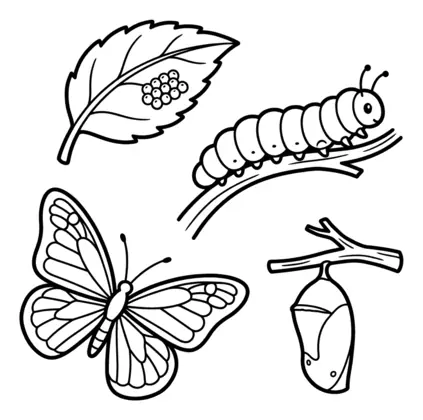
Life Cycle of a Butterfly
Years 4–5 · Life cyclesSheet 176
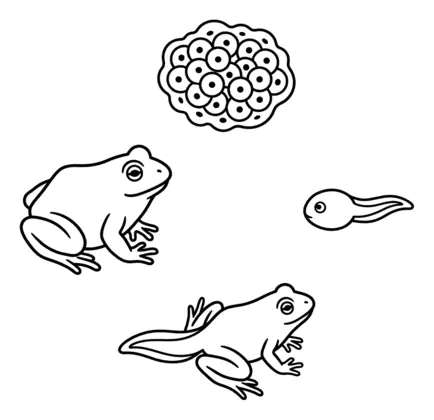
Life Cycle of a Frog
Years 1–2 · Life cyclesSheet 84
The Life Cycle of a Frog
Years 1–2 · AnimalsSheet 79
Animals and Their Survival Needs
Years 1–2 · AnimalsSheet 27
Animals of the Frozen Poles
Educational quiz app · Ages 5-10
More learning in the Owee app
Owee turns topics like this into quizzes for children aged 5 to 10, and a treehouse grows as they learn. No ads, no chat, no strangers.
- Family-friendly
- No ads
- Private
Educational quiz app · Ages 5-10
More learning in the Owee app
Owee turns topics like this into quizzes for children aged 5 to 10, and a treehouse grows as they learn. No ads, no chat, no strangers.
Scan with your phone camera
- Family-friendly
- No ads
- Private