Educational quiz app · Ages 5-10
This is what learning looks like


Educational quiz app · Ages 5-10
This is what learning looks like
No nagging required. Keep the learning going after the worksheet, with every question read aloud and Owee guiding each step.
Scan with your phone camera
- Family-friendly
- No ads
- Private
Science · Colouring and writing worksheet
How a Seed Grows: Free KS1 Plant Life Cycle Worksheet
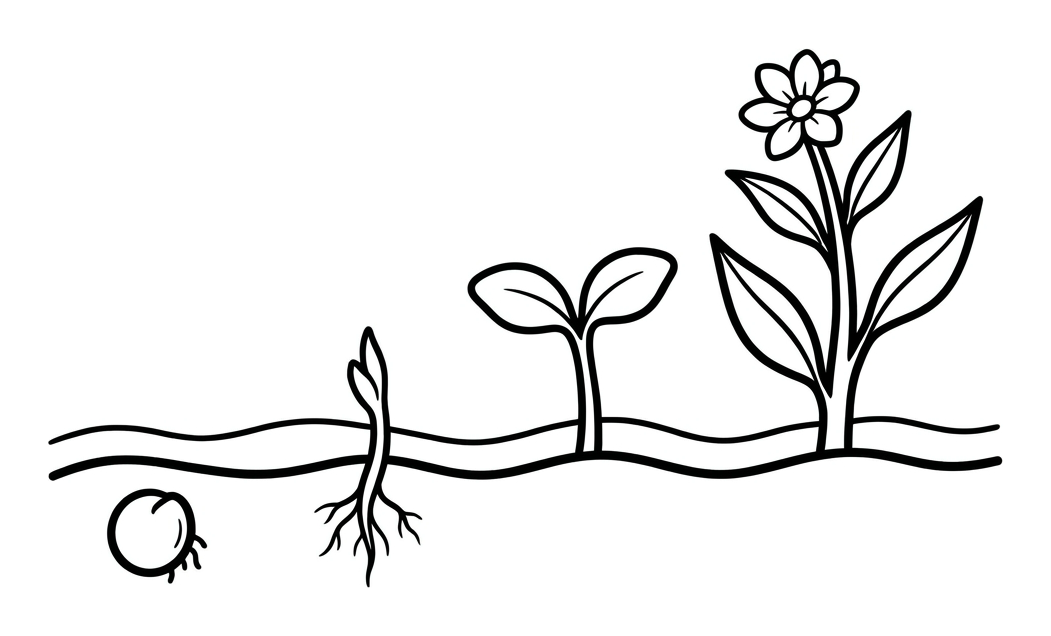
This free printable supports the Year 2 plants unit, where children observe and describe how seeds and bulbs grow into mature plants. The single line-art picture shows four clear stages of growth, from a hidden seed to a flowering plant, ready for your child to colour and talk through.
It pairs the colouring task with short writing prompts so children practise putting the stages in order and recall that plants need water, light and warmth to grow and stay healthy. The whole sheet prints neatly onto one A4 page.
What your child is learning
‘observe and describe how seeds and bulbs grow into mature plants’
Year 2 Science: Plants, National Curriculum in England. Source and licence

How a Seed Grows
Free Science worksheet · Ages 6 to 7
Activity 1
Colour the four plant stages.
- Colour the band of soil brown.
- Colour the stems and leaves green.
- Colour the flower on the last plant a bright colour.
- Colour the roots a pale brown or yellow.
Activity 2
Look at the four stages, then answer the questions. Use the word bank to help you.
Which stage comes first, before anything grows above the soil?
What do we call the first small part that pushes up out of the soil?
What grows on top of the last, biggest plant?
Name one thing a plant needs to grow and stay healthy.
Write the four stages in the correct order, from first to last.
 How a Seed GrowsSheet 86
Answers: How a Seed Grows
Sheet 86
- Which stage comes first, before anything grows above the soil? — seed
- What do we call the first small part that pushes up out of the soil? — shoot
- What grows on top of the last, biggest plant? — flower
- Name one thing a plant needs to grow and stay healthy. — water (or light, or warmth)
- Write the four stages in the correct order, from first to last. — seed, shoot, seedling, flowering plant (or flower)
For grown-ups. Free worksheets and the Owee quiz app at owee.world
Answer key
- Which stage comes first, before anything grows above the soil? — seed
- What do we call the first small part that pushes up out of the soil? — shoot
- What grows on top of the last, biggest plant? — flower
- Name one thing a plant needs to grow and stay healthy. — water (or light, or warmth)
- Write the four stages in the correct order, from first to last. — seed, shoot, seedling, flowering plant (or flower)
What this worksheet covers
The picture shows four key stages in a plant's early life: a seed resting under the soil, a shoot pushing upwards while roots reach down, a young seedling with its first leaves, and a mature plant with a flower. Children colour each stage and then use the writing prompts to put the stages in the right order. The activity reinforces the idea that growth is a sequence of changes over time, which is a central observation in the KS1 plants topic. Because the stages sit on a shared soil line, children can also see which parts of the plant grow below the ground (roots) and which grow above it (shoot, stem, leaves and flower).
What plants need to grow
Alongside sequencing, the worksheet helps children recall the three things a plant needs to grow and stay healthy: water, light and a suitable temperature (warmth). These are exactly the conditions named in the National Curriculum for Year 2. A simple way to make this concrete at home or in class is to grow a fast germinating seed such as a bean or sunflower, water it regularly, place it on a sunny windowsill and keep it somewhere warm. Comparing it with a seedling kept in a dark cupboard, or one that is not watered, gives children a memorable first experience of fair testing without needing any specialist equipment. One common surprise: most seeds will sprout in the dark, because they carry their own food store, but the seedling then grows pale, thin and floppy. Seeds need water and warmth to start growing; the young plant needs light to stay healthy.
How to use it at home or in class
Begin by looking at the four stages together and asking your child what they think happens first, next and last. Encourage them to point to the seed and trace the order across the row before they write anything. As they colour, prompt them to choose sensible colours, such as brown soil, green stems and leaves, and a bright flower, which quietly builds observational vocabulary. The sheet works well as a standalone activity, as a follow-up to planting real seeds, or as a quick recap before moving on to the parts of a plant. Point out that the root comes out of the seed first, before any shoot appears: you can see a tiny root already starting in the first picture.
Extending the learning
Once children are confident with the sequence, you can stretch their thinking with a few open questions: what would happen to the plant if it had no water, or no light? Where does the seed get its energy from before its leaves can make food? You might also introduce the word germination for the moment the shoot first appears, and discuss that some plants grow from bulbs rather than seeds. For a longer project, keeping a simple growth diary with dated drawings links directly to the curriculum aim of observing and describing how plants change as they grow.
Frequently asked questions
What are the stages of how a seed grows for KS1?
At KS1 children usually learn a simple four-stage sequence: a seed in the soil, a shoot growing up while roots grow down, a young seedling with its first leaves, and finally a mature plant with flowers. This worksheet shows all four stages in order for ages 6 to 7.
What does a plant need to grow and stay healthy?
The Year 2 curriculum asks children to describe how plants need water, light and a suitable temperature (warmth) to grow and stay healthy. The writing prompts on this sheet help children recall these three things.
Is this worksheet free to print?
Yes. The worksheet is completely free to download and print, and it is designed to fit onto one A4 page so you can use it straight away at home or in the classroom.
What age and key stage is this worksheet for?
It is aimed at ages 6 to 7, which is Year 2 within Key Stage 1 in England. It also makes a good gentle recap for Year 3 children or a stretch activity for confident Year 1 children.
What is the difference between germination and growing?
Germination is the very first step, when a seed begins to sprout and a shoot and roots appear. Growing is the whole journey that follows, as the seedling develops leaves and eventually becomes a mature, flowering plant. The first two pictures show germination: a tiny root comes out of the seed first, then a shoot pushes up through the soil.
Curriculum links
- Year 2 Science: Plants (statutory): 'observe and describe how seeds and bulbs grow into mature plants'
- Science, Year 2, Plants: 'find out and describe how plants need water, light and a suitable temperature to grow and stay healthy'
Quoted word for word from Department for Education documents: the National Curriculum in England, the EYFS framework or the RSHE guidance. Contains public sector information licensed under the Open Government Licence v3.0.
Made by The Owee education team. Updated 13/10/2026. Free to print and share.
More science worksheets
All Year 2 Science worksheets →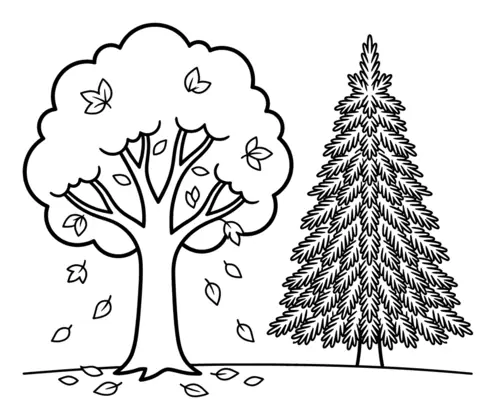
Years 1–2 · PlantsSheet 39
Deciduous and Evergreen Trees
Years 3–5 · PlantsSheet 119
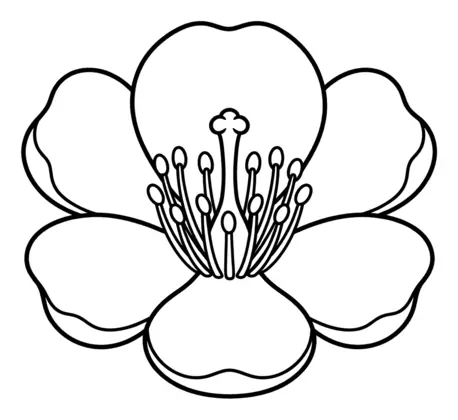
Inside a Flower
Years 1–2 · PlantsSheet 40
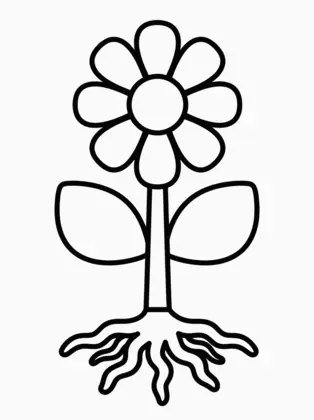
Parts of a Plant
Years 1–2 · AnimalsSheet 79
Animals and Their Survival Needs
Years 1–2 · AnimalsSheet 27
Animals of the Frozen Poles
Years 1–2 · AnimalsSheet 28
British Garden Birds Spotting Sheet
Educational quiz app · Ages 5-10
More learning in the Owee app
Owee turns topics like this into quizzes for children aged 5 to 10, and a treehouse grows as they learn. No ads, no chat, no strangers.
- Family-friendly
- No ads
- Private
Educational quiz app · Ages 5-10
More learning in the Owee app
Owee turns topics like this into quizzes for children aged 5 to 10, and a treehouse grows as they learn. No ads, no chat, no strangers.
Scan with your phone camera
- Family-friendly
- No ads
- Private