
Educational quiz app · Ages 5-10
This is what learning looks like


Educational quiz app · Ages 5-10
This is what learning looks like
No nagging required. Keep the learning going after the worksheet, with every question read aloud and Owee guiding each step.
Scan with your phone camera
- Family-friendly
- No ads
- Private
Free Year 4 science worksheets (age 8-9)
Year 4 science, for children aged 8 to 9, covers five topics. Children use classification keys to group and name living things. They learn the parts of the digestive system, the types of human teeth and their jobs, and build food chains with producers, predators and prey. They sort solids, liquids and gases and learn the part evaporation and condensation play in the water cycle. They also find out how sounds are made by vibrations, and build simple circuits.
Every one of those topics has a sheet here, from a minibeast classification key to the parts of a circuit. Year 3 sheets on rocks, light, magnets and the skeleton are included for revision, and a frog life cycle looks ahead to Year 5.
In Northern Ireland, Year 4 children are in Primary 5, and in Scotland roughly Primary 5. Wales calls it Year 4.
Also known as: Scotland P5 · Northern Ireland P5 · Wales Year 4
Electricity
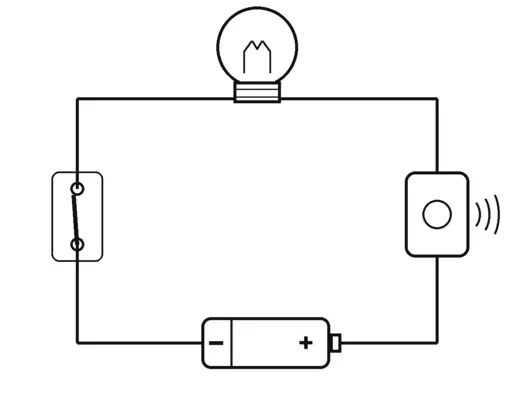
Children build simple circuits, name the parts such as cells, wires, bulbs, switches and buzzers, and find out why a bulb lights or does not.
Food chains
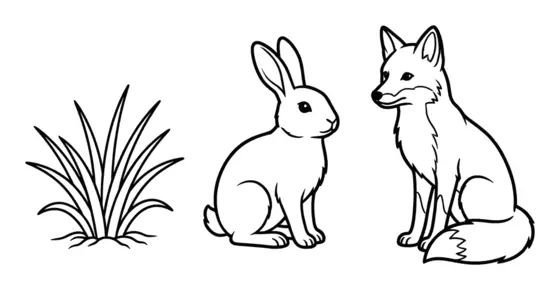
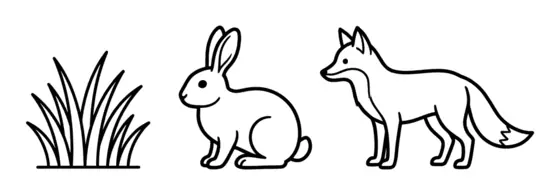
Children learn how living things depend on each other for food, building simple food chains and naming producers, predators and prey.
Forces and magnets
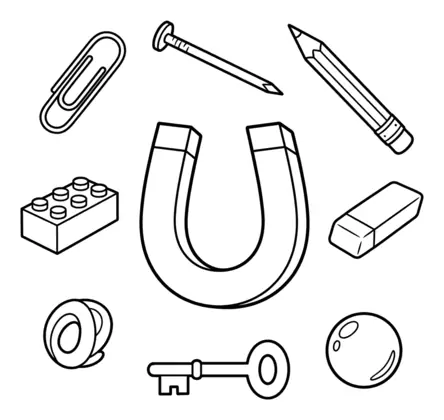
Children explore pushes and pulls, how things move on rough and smooth surfaces, friction, and which materials magnets attract.
Healthy living
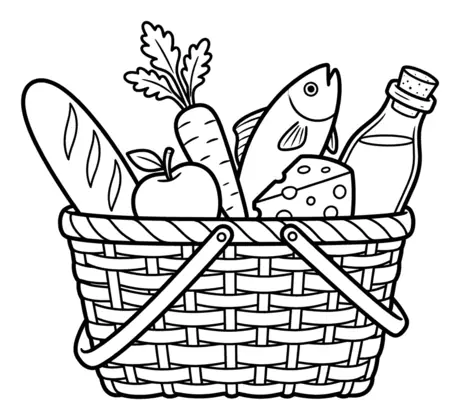
Children learn why we need a balanced diet, exercise and good hygiene such as handwashing, and how food groups like those in the Eatwell Guide help us stay healthy.
Human body
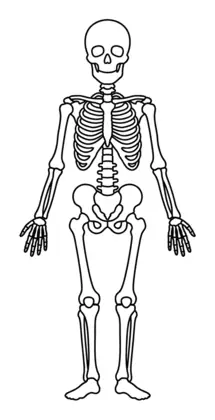
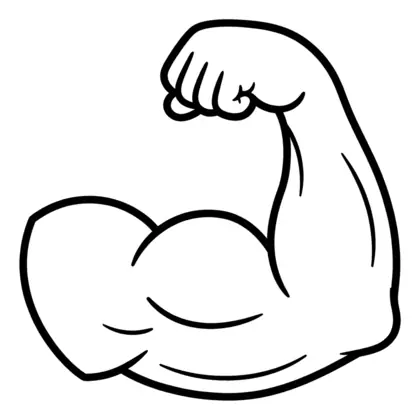
All human body worksheets →Children name the parts of the body and the five senses, learn how the skeleton and muscles support and move us, and in Year 6 how the heart and blood vessels work.
Life cycles
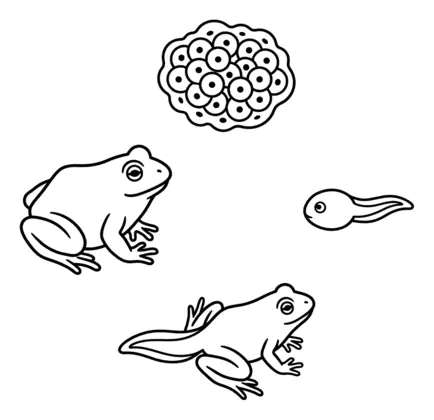
All life cycles worksheets →Children see how living things grow and change, from frogspawn to frog, caterpillar to butterfly and seed to flowering plant, and later compare life cycles of different animals.
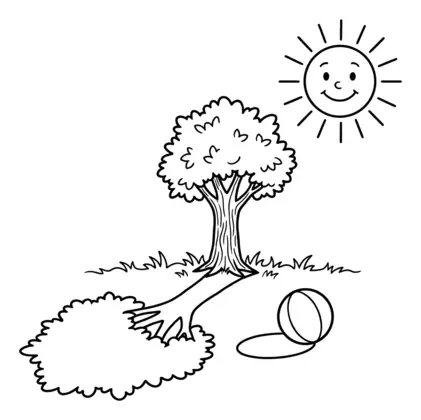
Light
Children learn that we need light to see, how shadows form when light is blocked, and in Year 6 that light travels in straight lines into our eyes.
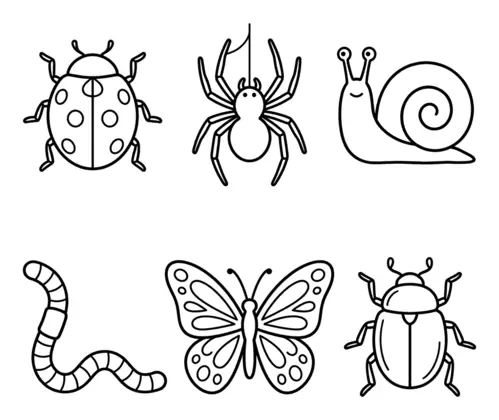
Living things and habitats
Children sort things into living, dead and never alive, explore where plants and animals live, and use classification keys to group and identify living things.
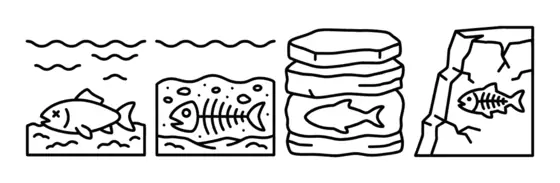
Rocks and fossils
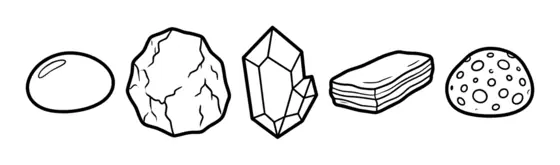
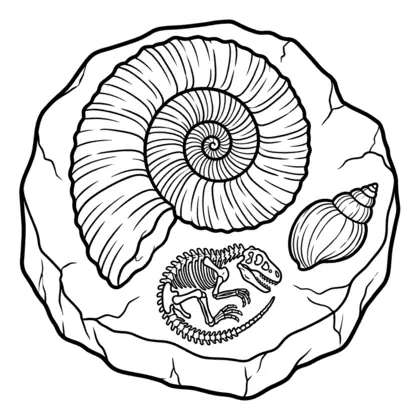
Children compare different rocks by how they look and feel, learn how fossils form over millions of years, and find out about soil.
Sound
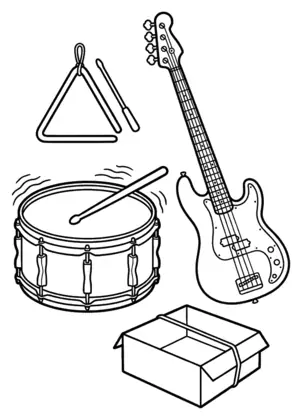
Children learn that sounds are made by vibrations that travel to the ear, and how pitch and volume link to the object making the sound.
States of matter
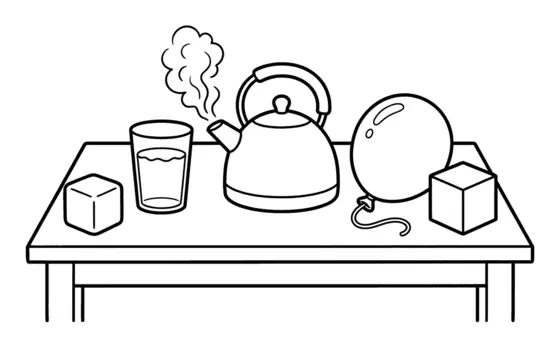
Children sort materials into solids, liquids and gases and find out how heating and cooling can change a material from one state to another.
Teeth and digestion
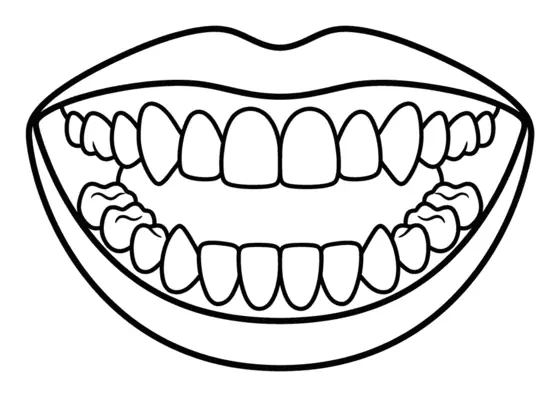
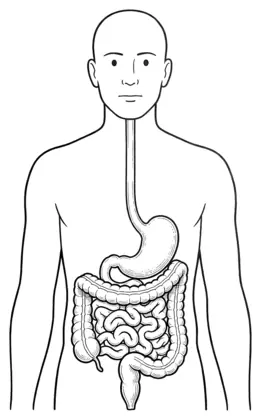
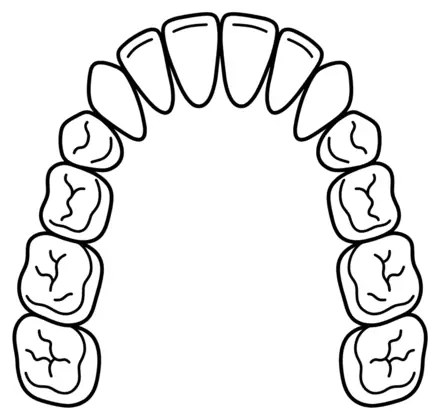
Children learn the different types of teeth and their jobs, and follow food through the digestive system from mouth to intestines.
Water cycle
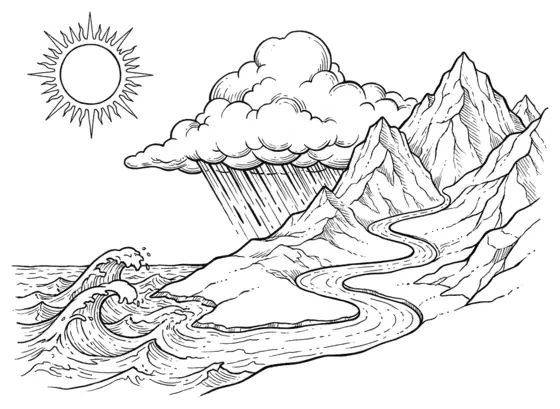
Children learn how evaporation and condensation move water between the sea, the sky and the land, and why water evaporates faster when it is warm.
Science around the house
Year 4 topics are easy to find at home. Look at your teeth in the mirror and name the incisors, canines and molars. Watch ice melt and a puddle dry up. Stretch an elastic band over an open box and pluck it to hear the pitch change as you tighten it. If you have a torch, open it up to see the battery, bulb and switch that make a circuit.
Questions parents ask
What is a classification key?
A classification key is a set of yes or no questions that sorts living things into groups until each one is named, for example 'Does it have more than six legs?'. Year 4 children use keys to identify animals and plants, and often make their own.
What do producers, predators and prey mean?
A producer is a plant that makes its own food using sunlight. Prey is an animal that is eaten, and a predator is an animal that hunts and eats others. In the food chain grass → rabbit → fox, the grass is the producer, the rabbit is prey and the fox is the predator.
Will these sheets help with Year 4 tests?
There is no national science test in Year 4. The only statutory check this year is the multiplication tables check in maths. The science sheets are for learning and revision, and for sparking questions.
Educational quiz app · Ages 5-10
More learning in the Owee app
Owee turns topics like this into quizzes for children aged 5 to 10, and a treehouse grows as they learn. No ads, no chat, no strangers.
- Family-friendly
- No ads
- Private
Educational quiz app · Ages 5-10
More learning in the Owee app
Owee turns topics like this into quizzes for children aged 5 to 10, and a treehouse grows as they learn. No ads, no chat, no strangers.
Scan with your phone camera
- Family-friendly
- No ads
- Private