
Educational quiz app · Ages 5-10
This is what learning looks like


Educational quiz app · Ages 5-10
This is what learning looks like
No nagging required. Keep the learning going after the worksheet, with every question read aloud and Owee guiding each step.
Scan with your phone camera
- Family-friendly
- No ads
- Private
Free human body worksheets
The human body comes up in several years of primary science, under the heading animals, including humans. In Year 1, children name and label the basic parts of the body and link each sense to the right body part. In Year 3, they learn that humans have skeletons and muscles for support, protection and movement. In Year 6, they name the main parts of the circulatory system, the heart, blood vessels and blood, and learn how exercise and lifestyle affect the body.
These seven sheets cover all three stages, for ages 5 to 11: body parts and the five senses, the skeleton, the major bones and the muscles that move us, and the heart and exercise.
Children name the parts of the body and the five senses, learn how the skeleton and muscles support and move us, and in Year 6 how the heart and blood vessels work.
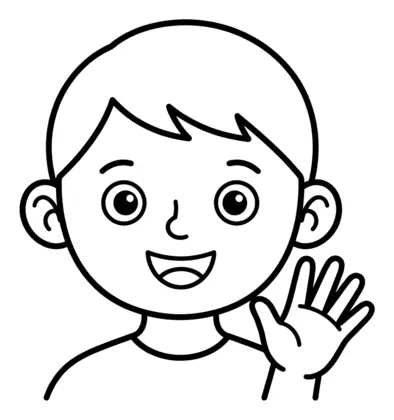
Reception–Year 1Sheet 35
The Five Senses
Print free →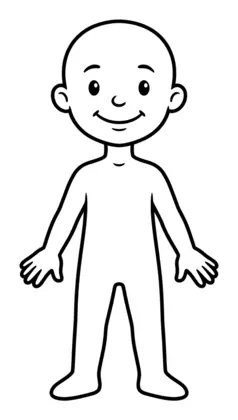
Reception–Year 1Sheet 34
Label the Parts of the Body
Print free →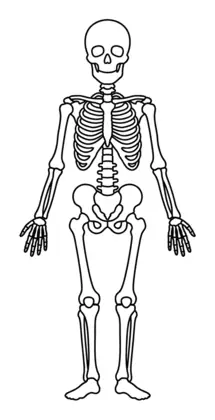
Years 3–4Sheet 114
Label the Human Skeleton
Print free →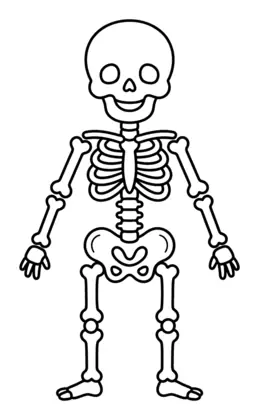
Years 3–4Sheet 116
The Human Skeleton: Major Bones
Print free →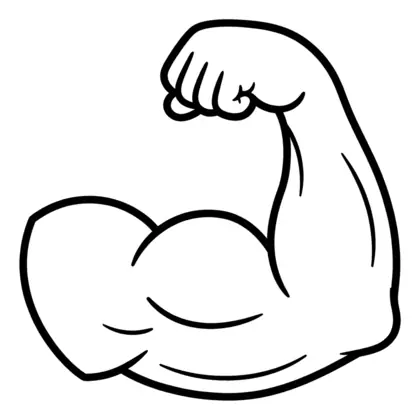
Years 3–4Sheet 115
Muscles That Move Us
Print free →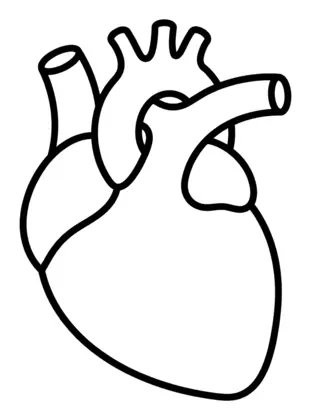
Years 5–6Sheet 180
The Heart and Healthy Exercise
Print free →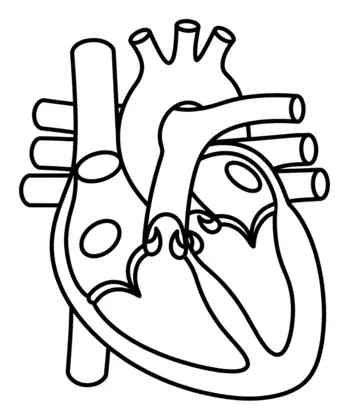
Year 6Sheet 181
The Human Heart
Print free →Year by year
In between, Year 2 looks at why exercise, the right food and hygiene matter, Year 4 covers teeth and the digestive system, and Year 5 looks at how people change as they grow old. So the body is revisited across primary school, each time in more depth. Start with the sheets for your child's year, and use the earlier ones as a quick warm-up.
Questions parents ask
How many bones are in the human body?
An adult has 206 bones. Babies are born with more, and some of them fuse together as they grow. The Year 3 sheets focus on the main bones, such as the skull, ribs, spine and pelvis, rather than all 206.
What are the five senses?
Sight, hearing, smell, taste and touch, linked to the eyes, ears, nose, tongue and skin. Year 1 children learn to match each sense to the right part of the body, often by testing them out.
Why does the heart beat faster when we run?
Working muscles need more oxygen. The heart beats faster to pump more blood, carrying that oxygen around the body. Year 6 children learn this when they study the circulatory system and the effects of exercise.
Educational quiz app · Ages 5-10
More learning in the Owee app
Owee turns topics like this into quizzes for children aged 5 to 10, and a treehouse grows as they learn. No ads, no chat, no strangers.
- Family-friendly
- No ads
- Private
Educational quiz app · Ages 5-10
More learning in the Owee app
Owee turns topics like this into quizzes for children aged 5 to 10, and a treehouse grows as they learn. No ads, no chat, no strangers.
Scan with your phone camera
- Family-friendly
- No ads
- Private