Educational quiz app · Ages 5-10
This is what learning looks like


Educational quiz app · Ages 5-10
This is what learning looks like
No nagging required. Keep the learning going after the worksheet, with every question read aloud and Owee guiding each step.
Scan with your phone camera
- Family-friendly
- No ads
- Private
Science · Colouring and labelling worksheet
Parts of a Plant: Free KS1 Colouring and Labelling Worksheet
This free, printable parts-of-a-plant worksheet helps children aged 5 to 7 learn the four main parts of a flowering plant: the root, the stem, the leaf and the flower. Children colour the plant in, then label each numbered part using the word bank.
It is completely free to print, use and share, at home or in the classroom. Just hit print, or save it as a PDF.
What your child is learning
‘identify and describe the basic structure of a variety of common flowering plants, including trees’
Year 1 Science: Plants, National Curriculum in England. Source and licence

Parts of a Plant
Free Science worksheet · Ages 5 to 7
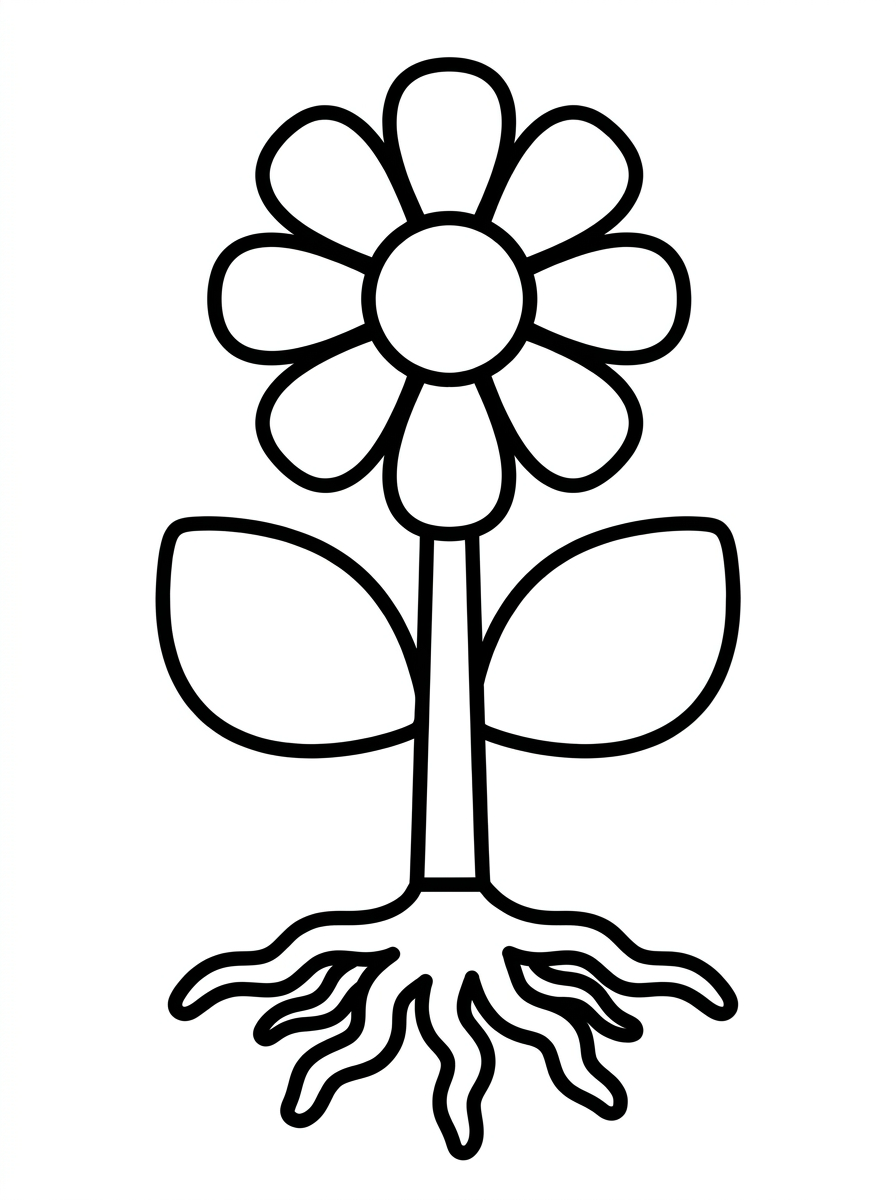
Colour the plant. Then look at the four numbered parts. Write the name of each part on the line with the same number. Use the word bank to help you.
- 1
- 2
- 3
- 4
 Parts of a PlantSheet 40
Answers: Parts of a Plant
Sheet 40
- 1. Flower
- 2. Leaf
- 3. Stem
- 4. Root
For grown-ups. Free worksheets and the Owee quiz app at owee.world
Answer key
- 1. Flower
- 2. Leaf
- 3. Stem
- 4. Root
What is on the worksheet
One clear, friendly line drawing of a flowering plant, with four numbered parts to identify: the roots at the bottom, the stem in the middle, a leaf, and the flower at the top. There is a simple word bank to support early readers, and four lines to write the names on.
The drawing has bold, even outlines and plenty of white space, so it is comfortable for small hands to colour and clear enough to display afterwards.
How to use it at home or in the classroom
Print the worksheet, or open it on a tablet and print from there. First, let your child colour the plant. Real colours help the science stick (green stem and leaves, brown or cream roots), but any colours are fine as a relaxed way in.
Then look at the four numbered parts together. Ask your child to find each one and write its name on the line, using the word bank to help. For younger children, you can read the word bank aloud and let them match the words. For a class, it works well as a starter activity or as part of a topic on plants and growing.
What your child will learn
By the end of the activity, your child should be able to name the four main parts of a plant and begin to understand what each one does. In child-friendly terms: the roots hold the plant in the ground and drink up water, the stem holds the plant up and carries water to the rest of the plant, the leaves catch the sunlight to make food for the plant, and the flower is the colourful part that makes new seeds.
Naming and describing the parts of a plant is one of the very first science topics in primary school, and a strong foundation for later learning about how plants grow. A common misconception is that plants get their food from the soil: in fact the leaves make the plant's food using sunlight, while the roots take in water.
A note for teachers
This worksheet supports the Key Stage 1 science programme of study for plants. It works as a quick assessment of whether pupils can identify and name the basic parts of a flowering plant, and pairs well with a real plant or a class growing project.
There is no log-in, no watermark and no catch. You are welcome to print copies for your class and to link to this page from your school website or newsletter.
Frequently asked questions
What are the four main parts of a plant?
The four main parts taught at this age are the root, the stem, the leaf and the flower. The roots drink water and anchor the plant, the stem holds it up, the leaves catch sunlight, and the flower makes new seeds.
What age or year group is this worksheet for?
It is designed for children aged 5 to 7, which is Years 1 and 2 (Key Stage 1) in England. Confident four-year-olds and older children who enjoy colouring will get something from it too.
Is this parts-of-a-plant worksheet free to print and share?
Yes. It is completely free to print, use at home or in class, and share. There is no sign-up and no watermark. You are welcome to link to this page from a school website or newsletter.
How do I print or save the worksheet?
Press the Print button on this page, or use your browser's print option. To keep a copy, choose 'Save as PDF' as the destination in the print dialog.
Does it match the KS1 curriculum?
Yes. It supports the Key Stage 1 science topic on plants, where children learn to identify and name the basic parts of common flowering plants.
Curriculum links
- Year 1 Science: Plants (statutory): 'identify and describe the basic structure of a variety of common flowering plants, including trees'
- KS1 Year 1 Plants (statutory): 'identify and name a variety of common wild and garden plants, including deciduous and evergreen trees'
Quoted word for word from Department for Education documents: the National Curriculum in England, the EYFS framework or the RSHE guidance. Contains public sector information licensed under the Open Government Licence v3.0.
Made by The Owee education team. Updated 13/10/2026. Free to print and share.
More science worksheets
All Year 1 Science worksheets →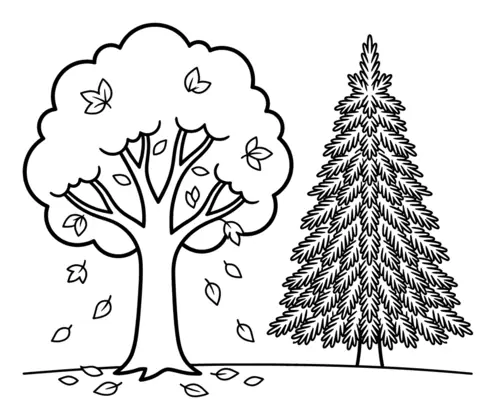
Years 1–2 · PlantsSheet 39
Deciduous and Evergreen Trees
Years 1–2 · PlantsSheet 86
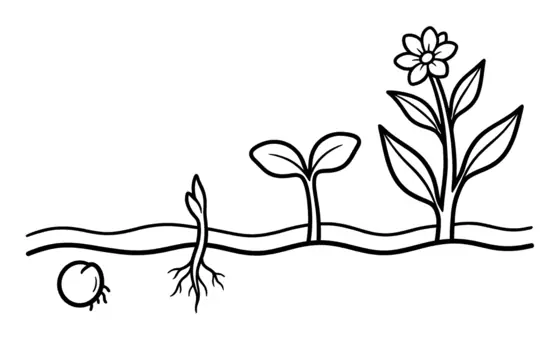
How a Seed Grows
Years 3–5 · PlantsSheet 119
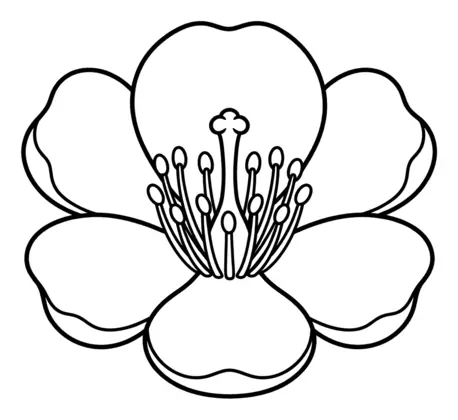
Inside a Flower
Years 1–2 · AnimalsSheet 79
Animals and Their Survival Needs
Years 1–2 · AnimalsSheet 27
Animals of the Frozen Poles
Years 1–2 · AnimalsSheet 28
British Garden Birds Spotting Sheet
Educational quiz app · Ages 5-10
More learning in the Owee app
Owee turns topics like this into quizzes for children aged 5 to 10, and a treehouse grows as they learn. No ads, no chat, no strangers.
- Family-friendly
- No ads
- Private
Educational quiz app · Ages 5-10
More learning in the Owee app
Owee turns topics like this into quizzes for children aged 5 to 10, and a treehouse grows as they learn. No ads, no chat, no strangers.
Scan with your phone camera
- Family-friendly
- No ads
- Private