
Educational quiz app · Ages 5-10
This is what learning looks like


Educational quiz app · Ages 5-10
This is what learning looks like
No nagging required. Keep the learning going after the worksheet, with every question read aloud and Owee guiding each step.
Scan with your phone camera
- Family-friendly
- No ads
- Private
Free maths worksheets for Reception to Year 6
Maths is set year by year in the national curriculum, from counting to 100 in Year 1 to ratio and algebra in Year 6. Reception follows the EYFS early learning goals instead, with a focus on numbers to 10 and counting beyond 20. These free sheets cover children aged 4 to 11, though most suit Reception to Year 4.
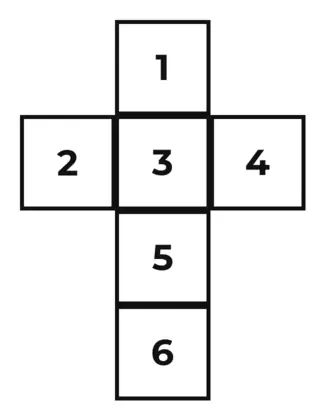
For the youngest there is counting, number bonds and adding to 10. Key Stage 1 sheets cover telling the time, coins, odd and even numbers, halves and quarters, and symmetry. Key Stage 2 sheets cover the 8 times table, Roman numerals, place value, decimals, coordinates, angles, and perimeter and area. Shape sheets run from naming 2D shapes to the net of a cube.
Counting
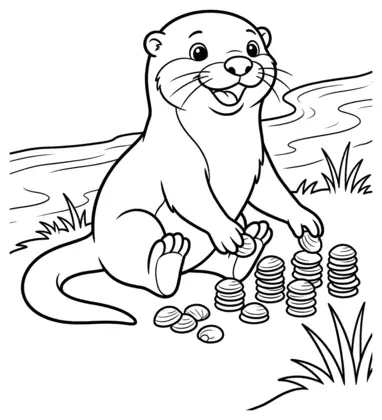
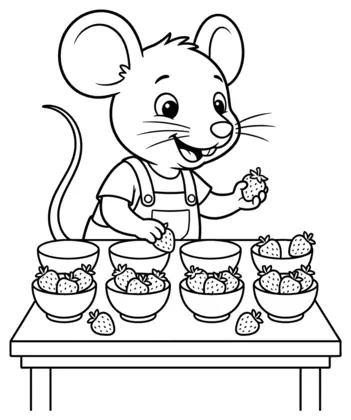
All counting worksheets →Children learn to count objects one by one, read and write numbers, and count in steps such as 2s, 5s and 10s. Confident counting is the base for adding, subtracting and the times tables.
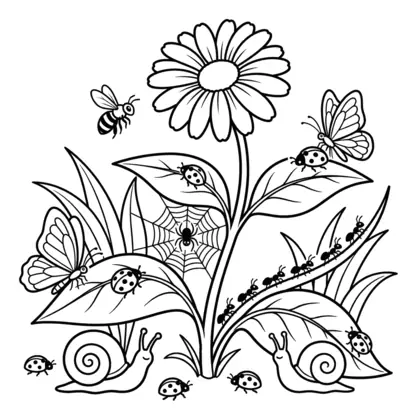
Reception–Year 1Sheet 1
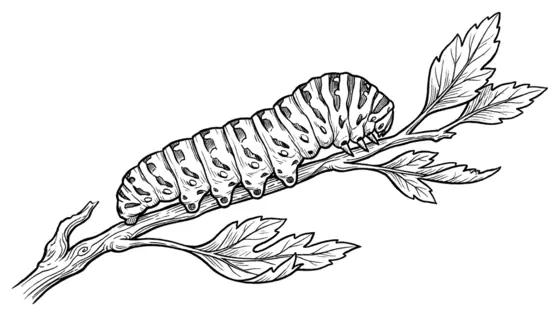
Count the Minibeasts
Print free →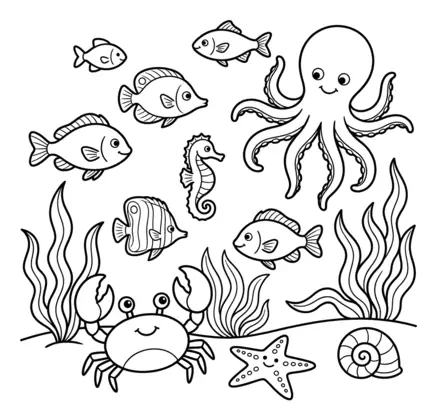
Reception–Year 1Sheet 2
Under the Sea: Count the Ocean Animals
Print free →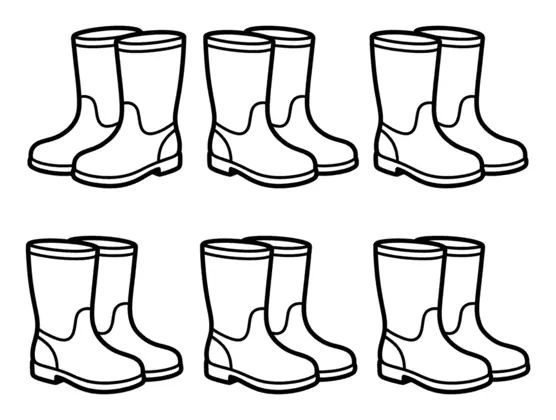
Years 1–2Sheet 14
Count in 2s: Pairs of Wellies
Print free →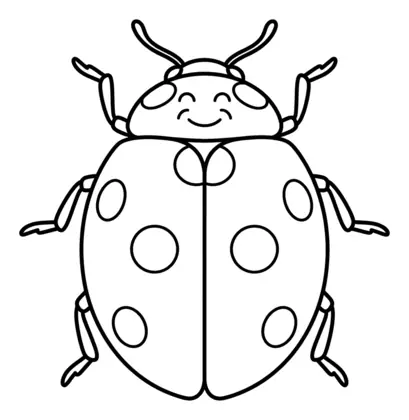
Reception–Year 1Sheet 15
Count to 20: Ladybird Spots
Print free →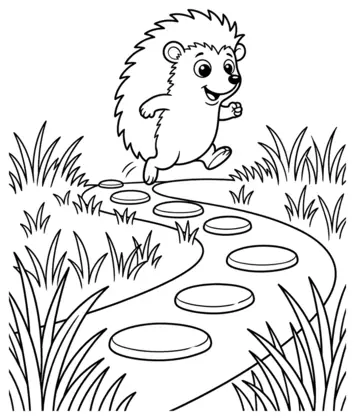
Years 1–2Sheet 16
Counting in 5s and 10s
Print free →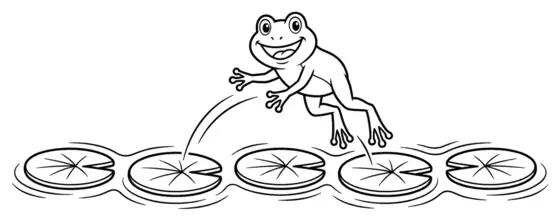
Years 2–3Sheet 59
Counting in 3s
Print free →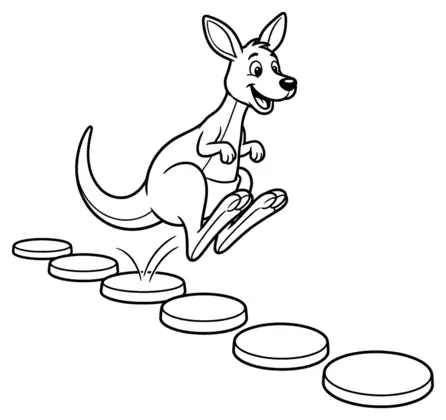
Year 3Sheet 98
Counting in 4s, 8s, 50s and 100s
Print free →Place value
All place value worksheets →Children learn what each digit in a number is worth, from tens and ones in Year 2 to thousands in Year 4 and millions by Year 6. It helps them compare, order and calculate with numbers.
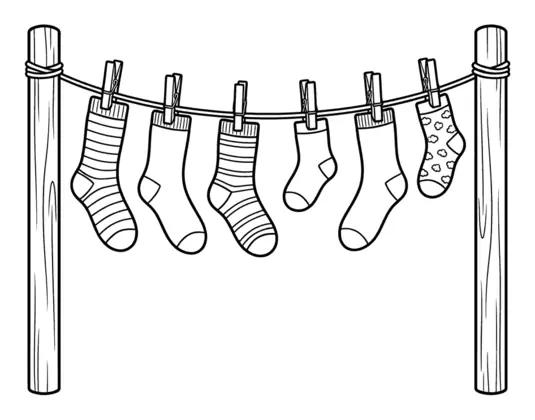
Odd and even numbers
Children find out that even numbers can be shared into pairs with none left over and odd numbers cannot. In Year 2 they link this to counting in 2s and the 2 times table.
Addition and subtraction
All addition and subtraction worksheets →Children start by combining and taking away small groups, learn number bonds to 10 and 20, then move on to mental methods and written column methods with bigger numbers.
Reception–Year 1Sheet 12
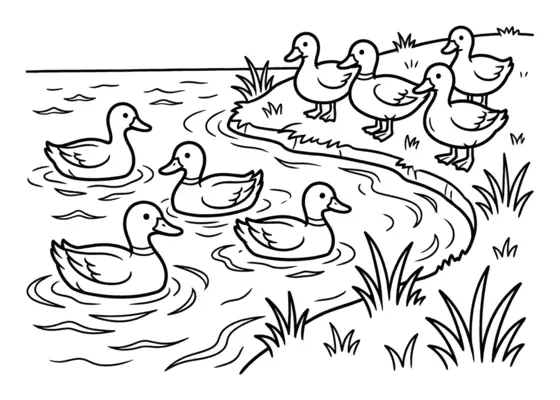
Adding to 10: Ducks on the Pond
Print free →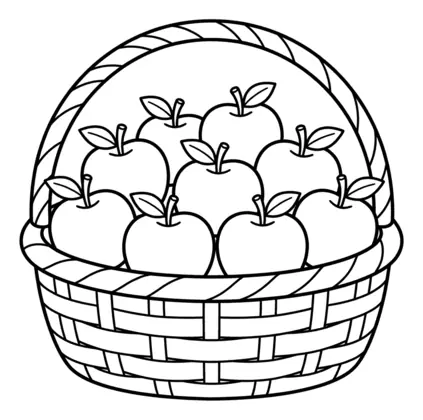
Reception–Year 1Sheet 13
Number Bonds to 10
Print free →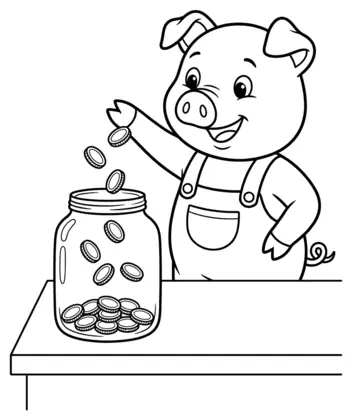
Years 2–3Sheet 57
Number Bonds to 100
Print free →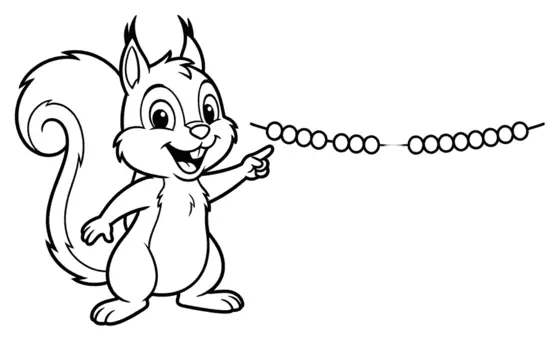
Years 1–2Sheet 58
Number Bonds to 20
Print free →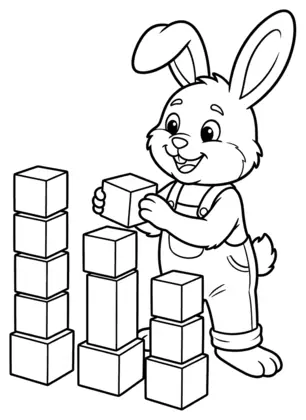
Years 3–4Sheet 96
Column Addition
Print free →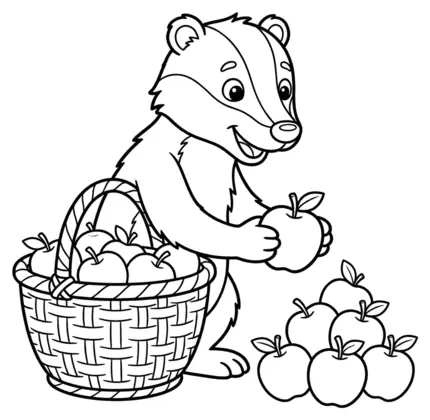
Years 3–4Sheet 97
Column Subtraction
Print free →
Year 4Sheet 134
4-Digit Column Addition
Print free →Multiplication and division
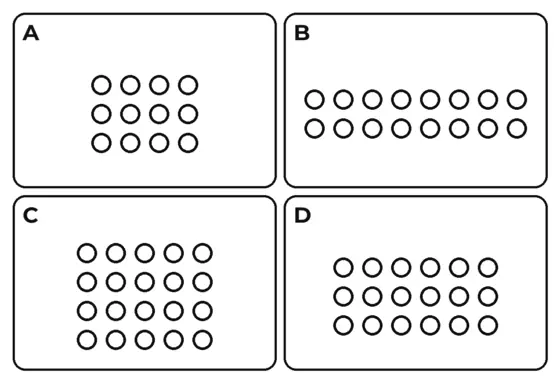
Children see multiplication as equal groups and arrays, then learn to write and solve multiplication and division facts and use written methods for larger numbers.
Times tables
All times tables worksheets →Children learn the 2, 5 and 10 times tables in Year 2, the 3, 4 and 8 in Year 3, and all tables up to 12 × 12 by the end of Year 4, when there is a short online check.
Years 2–3Sheet 67
The 10 Times Table
Print free →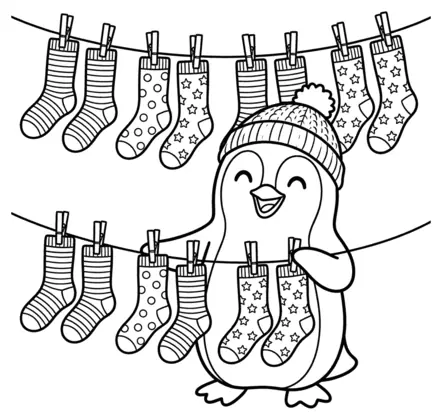
Years 2–3Sheet 68
The 2 Times Table
Print free →
Years 2–3Sheet 69
The 5 Times Table
Print free →
Years 3–4Sheet 105
The 3 Times Table
Print free →
Years 3–4Sheet 106
The 4 Times Table
Print free →
Years 3–4Sheet 107
The 8 Times Table
Print free →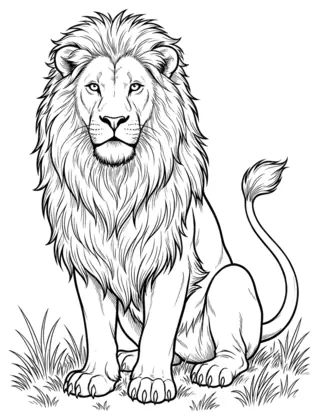
Years 3–4Sheet 141
Lion Times Tables Colour-by-Number
Print free →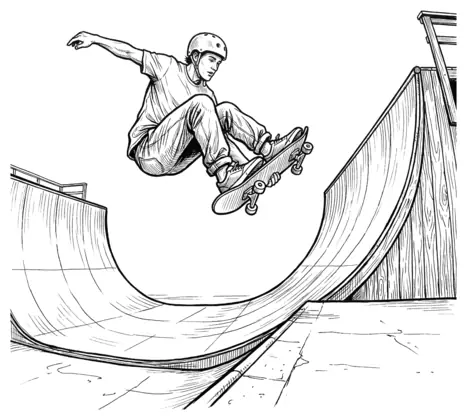
Years 4–5Sheet 142
Mixed Times Tables to 12
Print free →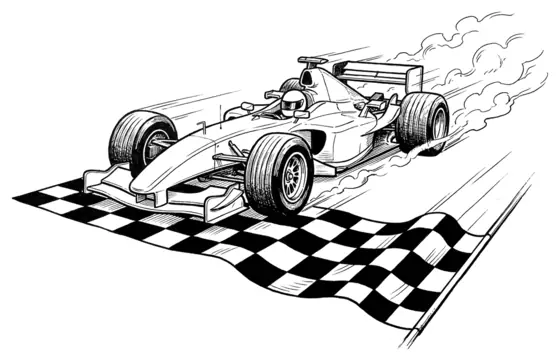
Year 4Sheet 143
Multiplication Tables Check Practice
Print free →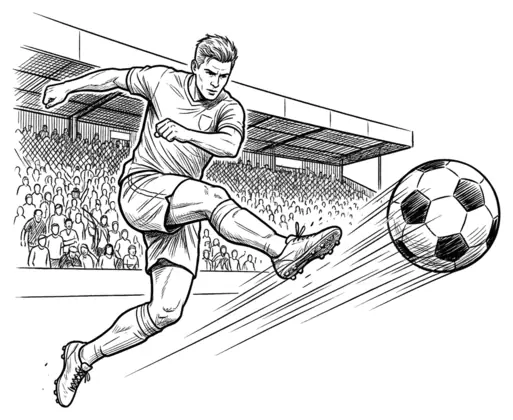
Years 4–5Sheet 144
The 11 Times Table
Print free →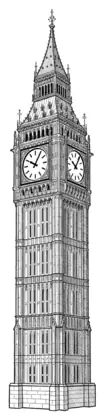
Years 4–5Sheet 145
The 12 Times Table
Print free →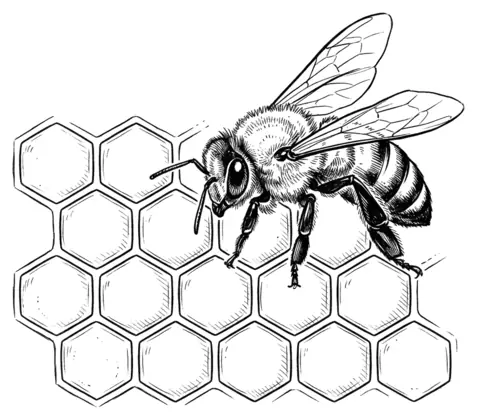
Years 4–5Sheet 146
The 6 Times Table
Print free →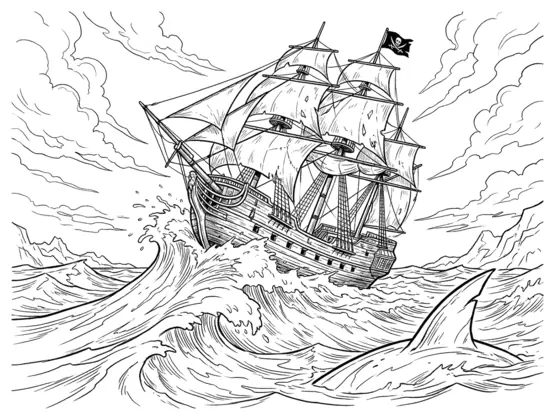
Years 4–5Sheet 147
The 7 Times Table
Print free →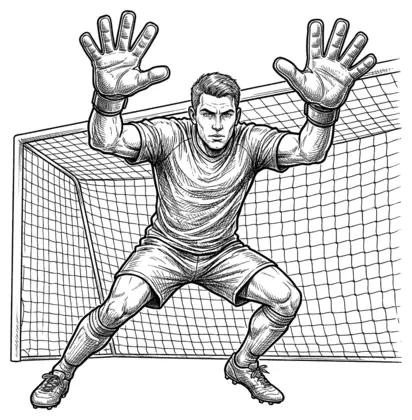
Years 4–5Sheet 148
The 9 Times Table
Print free →Fractions
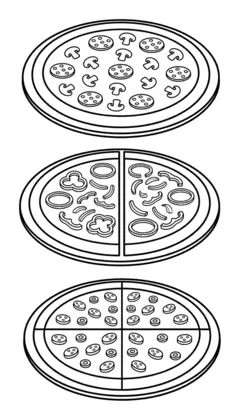
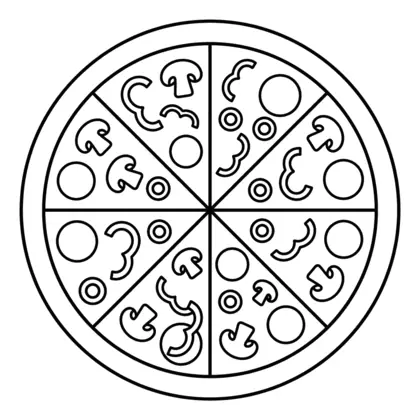
All fractions worksheets →Children begin with halves and quarters of shapes and amounts, then learn thirds, eighths and equivalent fractions, and later add, subtract and multiply fractions.
Decimals
Children learn that tenths and hundredths can be written as decimals, match decimals to fractions such as a half and a quarter, and later round and calculate with them.
Money
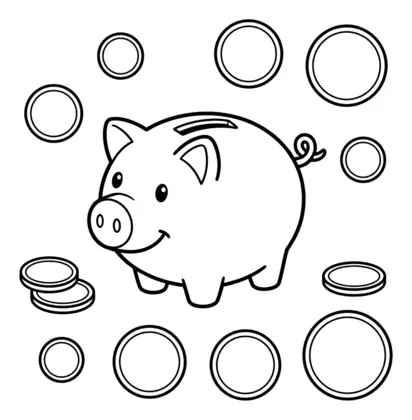
Children recognise UK coins and notes and their values, add amounts together to make a total, and later work out change.
Telling the time
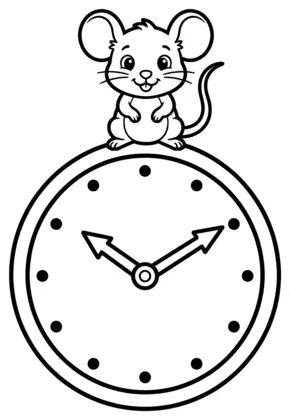
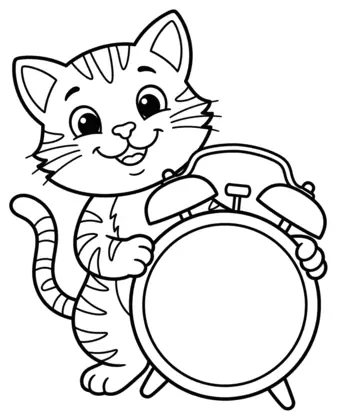
All telling the time worksheets →Children learn to read o'clock and half past in Year 1, then quarter past, quarter to and five-minute times, and later the 12-hour and 24-hour clock.

Days and months
Children learn the days of the week and the months of the year in order, and use words such as yesterday, today and tomorrow. In Year 3 they learn how many days are in each month.

Roman numerals
Children read Roman numerals from I to XII on a clock face in Year 3, then to 100 in Year 4 and to 1,000 in Year 5, where they also read years written in Roman numerals.
2D shapes
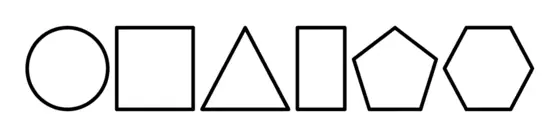
Children name flat shapes such as circles, squares, triangles and rectangles, then describe them by counting their sides and corners and spotting lines of symmetry.
3D shapes
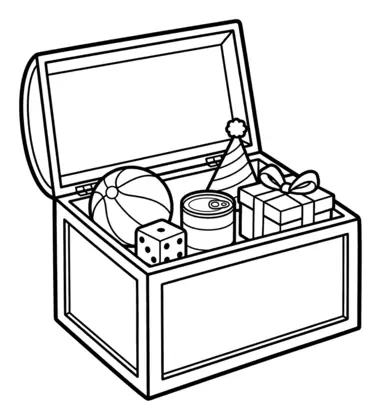
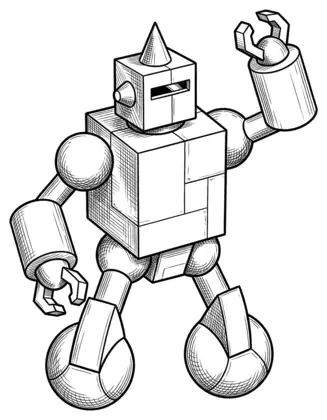
Children name solid shapes such as cubes, cylinders, cones and spheres, count their faces, edges and vertices, and in Year 6 build them from nets.
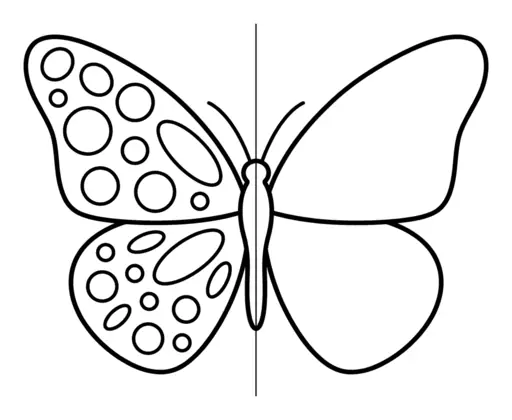
Symmetry
Children learn that a symmetrical shape has two matching halves, find a line of symmetry, and complete a picture so that both sides match.

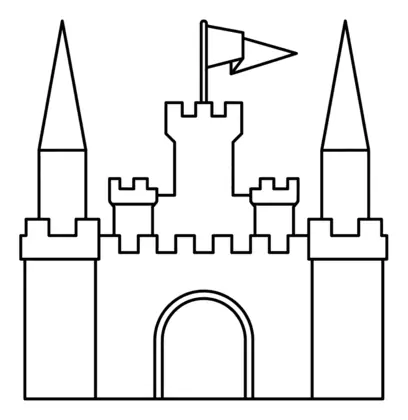
Angles
Children learn that an angle is an amount of turn, spot right angles, and sort angles into acute and obtuse. Later they measure angles in degrees.
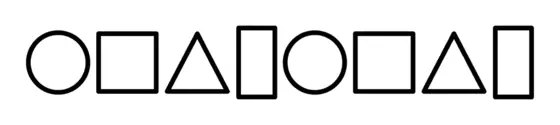
Patterns
Children copy, continue and make their own repeating patterns with shapes, colours and objects, which builds early reasoning and an eye for sequences.
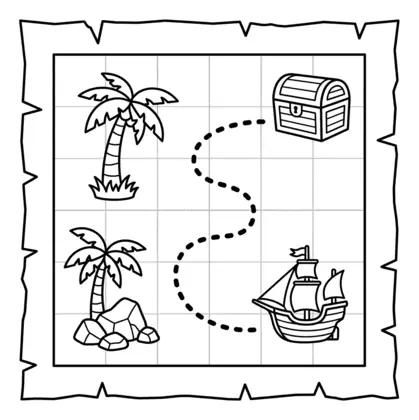
Coordinates
Children read and plot points on a grid, going across first and then up, and use coordinates to describe positions and draw shapes.
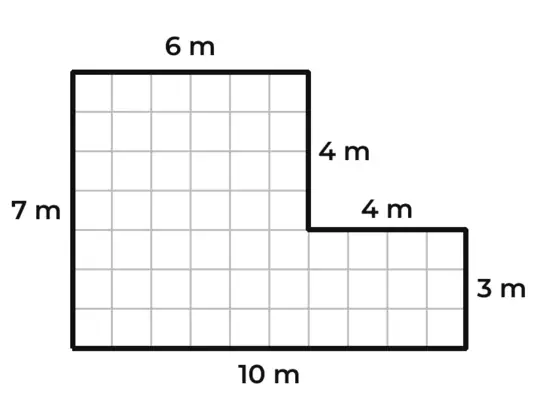
Perimeter and area
Children learn that perimeter is the distance around a shape and area is the space inside it, first by counting squares and later by calculating.
How maths builds year by year
Each year builds on the last. Number bonds in Reception and Year 1 lead to quick mental addition. The 2, 5 and 10 times tables in Year 2 lead to the 3, 4 and 8 in Year 3, and every table to 12 × 12 by the end of Year 4. Halves and quarters in Year 1 grow into decimals in Year 4 and percentages in Year 5. If your child is stuck, a sheet from the year before often fills the gap.
Maths tests in primary school
Year 4 children take the multiplication tables check in June. In Year 6, the KS2 SATs in May include an arithmetic paper and two reasoning papers. The Year 2 maths tests have been optional since 2023/24, so some schools use them and some do not. Steady practice of number facts through the year helps far more than cramming before any of them, and keeps maths calm at home.
Questions parents ask
Which year should I choose?
Start with your child's school year, then adjust. If a sheet feels hard, try the year below; if it is easy, go up a year. Children are often at different levels in different topics, and that is normal.
Do the sheets use UK money and spelling?
Yes. Money sheets use pounds and pence, every sheet uses British spelling, and the content follows the National Curriculum in England. Times tables go up to 12 × 12, as in English primary schools.
Are the answers included?
Most maths sheets show an answer key on the page, which also prints on its own page. That makes them quick to mark, and you can talk through any mistakes together rather than just ticking and crossing.
Educational quiz app · Ages 5-10
More learning in the Owee app
Owee turns topics like this into quizzes for children aged 5 to 10, and a treehouse grows as they learn. No ads, no chat, no strangers.
- Family-friendly
- No ads
- Private
Educational quiz app · Ages 5-10
More learning in the Owee app
Owee turns topics like this into quizzes for children aged 5 to 10, and a treehouse grows as they learn. No ads, no chat, no strangers.
Scan with your phone camera
- Family-friendly
- No ads
- Private