
Educational quiz app · Ages 5-10
This is what learning looks like


Educational quiz app · Ages 5-10
This is what learning looks like
No nagging required. Keep the learning going after the worksheet, with every question read aloud and Owee guiding each step.
Scan with your phone camera
- Family-friendly
- No ads
- Private
Free Year 2 science worksheets (age 6-7)
Year 2 science, for ages 6 to 7, has four topics. Children compare things that are living, dead and never alive, and learn how habitats provide for the animals and plants that live there. They watch seeds and bulbs grow and find out what plants need. They learn that animals, including humans, have offspring that grow into adults, and why exercise, eating the right amounts of different foods and hygiene matter. They also compare everyday materials for different uses.
The sheets here include the life cycles of a frog, a butterfly, a sunflower and a bean plant, a healthy plate, hand washing, and a living, dead or never alive sort. Year 1 sheets on animal groups, plants and materials are included for revision.
In Northern Ireland this is Primary 3, and in Scotland it is roughly Primary 3. Wales uses the name Year 2.
Also known as: Scotland P3 · Northern Ireland P3 · Wales Year 2
Animals
All animals worksheets →Children name common animals and sort them into groups such as fish, amphibians, reptiles, birds and mammals, and find out what animals eat and need to survive.
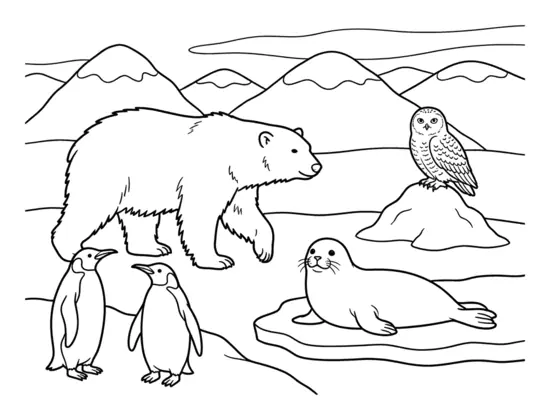
Years 1–2Sheet 27
Animals of the Frozen Poles
Print free →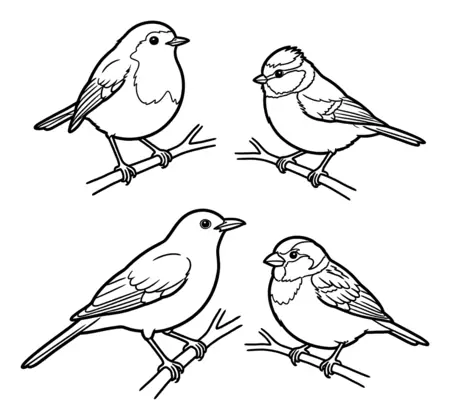
Years 1–2Sheet 28
British Garden Birds Spotting Sheet
Print free →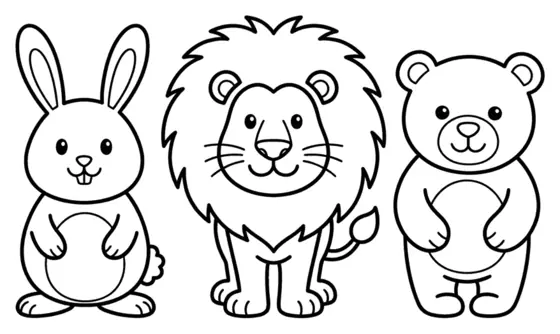
Years 1–2Sheet 29
Carnivore, Herbivore or Omnivore?
Print free →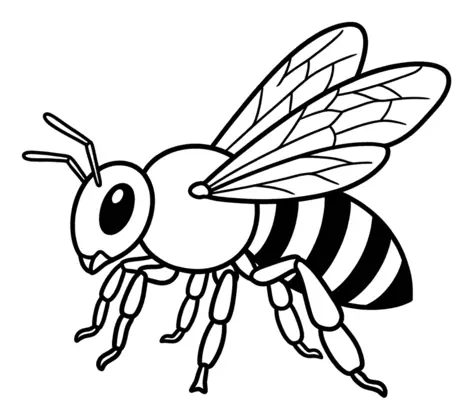
Years 1–2Sheet 30
Label the Parts of a Bee
Print free →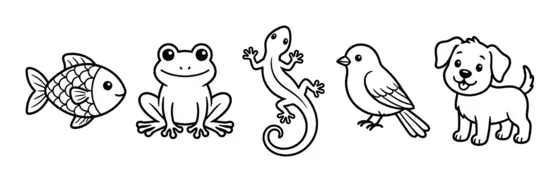
Years 1–2Sheet 31
Sorting Animal Groups
Print free →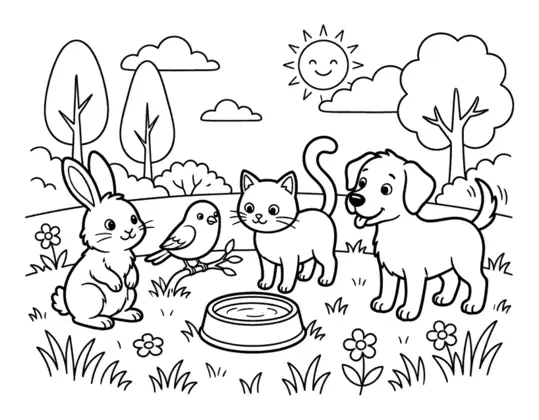
Years 1–2Sheet 79
Animals and Their Survival Needs
Print free →Earth and space
All earth and space worksheets →Children learn about the Sun, Earth and Moon, the planets of the solar system, and why we have day and night. Younger children often enjoy space as a class topic.
Healthy living
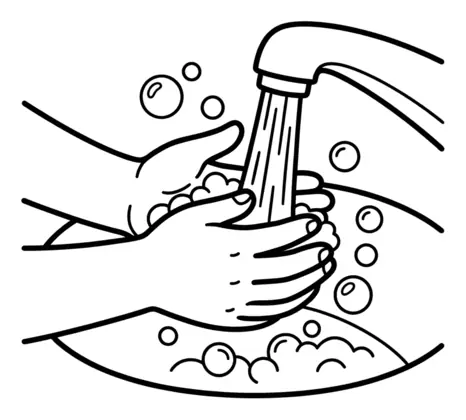
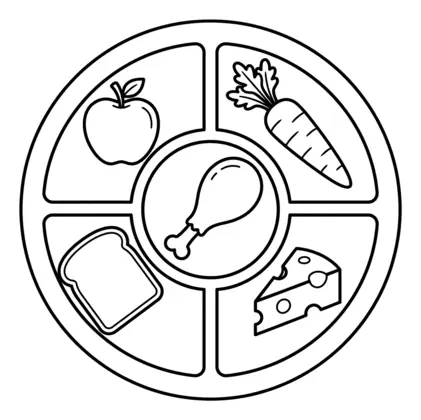
Children learn why we need a balanced diet, exercise and good hygiene such as handwashing, and how food groups like those in the Eatwell Guide help us stay healthy.
Life cycles
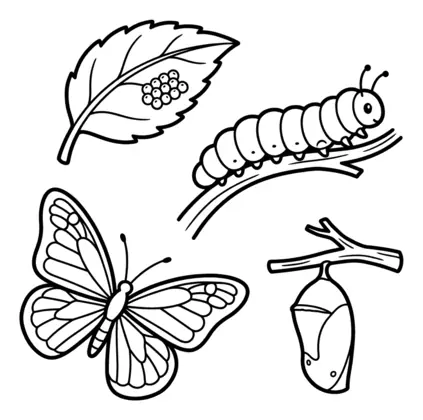
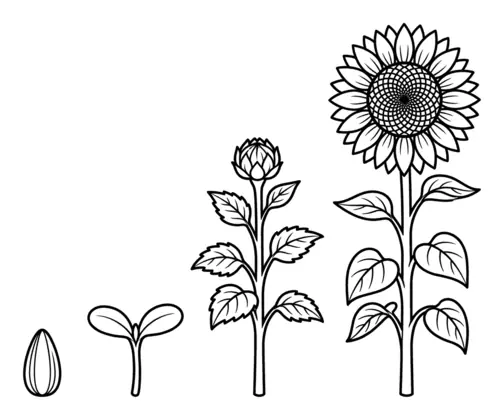
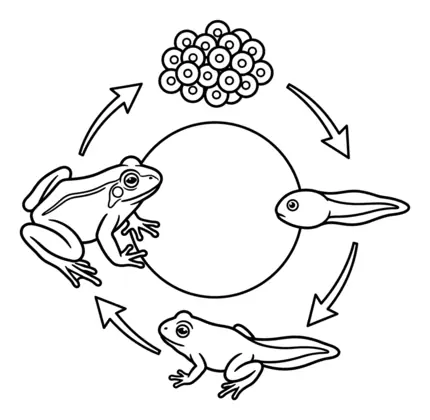
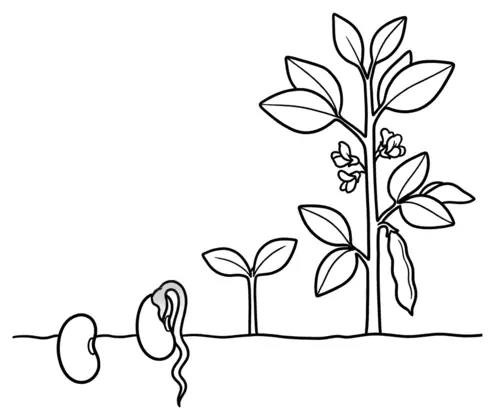
All life cycles worksheets →Children see how living things grow and change, from frogspawn to frog, caterpillar to butterfly and seed to flowering plant, and later compare life cycles of different animals.
Living things and habitats
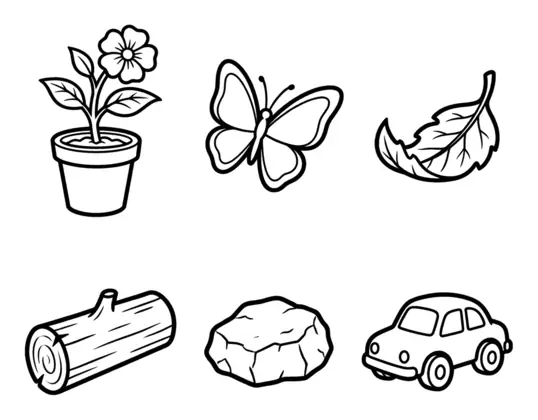
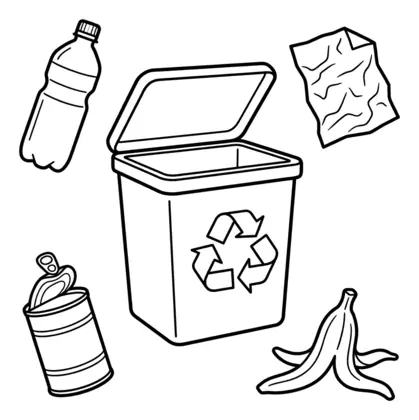
Children sort things into living, dead and never alive, explore where plants and animals live, and use classification keys to group and identify living things.
Materials
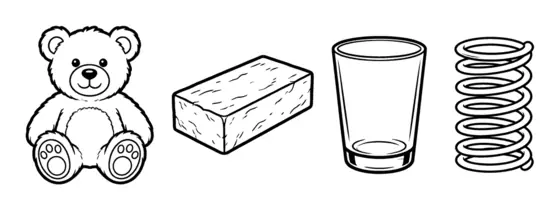
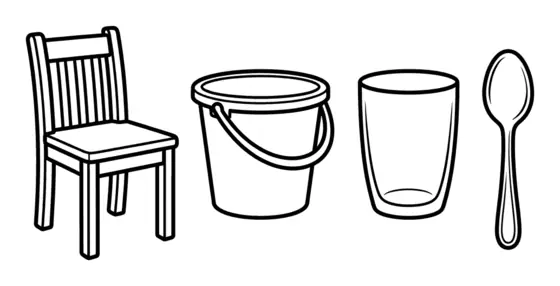
Children name everyday materials such as wood, plastic, glass and metal, describe their properties, and think about which materials suit which jobs.
Plants
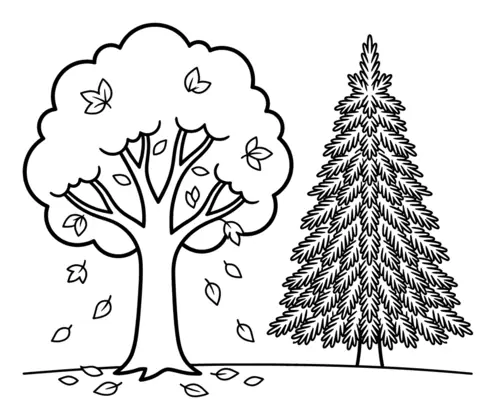
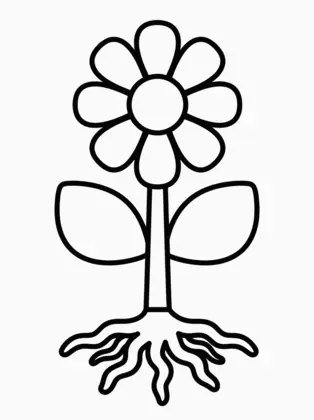
All plants worksheets →Children name common plants and trees and their parts, find out what plants need to grow, and in Year 3 learn what roots, stems, leaves and flowers each do.
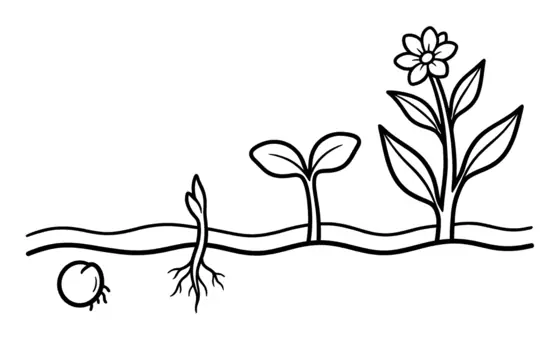
Life cycles in Year 2
The curriculum asks Year 2 children to notice that animals have young that grow into adults. Examples in the guidance include egg, caterpillar, pupa, butterfly and spawn, tadpole, frog. At this age the aim is to recognise growth and change, not to explain how reproduction works. Growing a bean or sunflower seed on the windowsill alongside the sheets shows the same idea in plants.
Questions parents ask
What is the difference between dead and never alive?
Something dead was once alive, like a fallen leaf or a twig. Something never alive was never living at all, like a stone or a plastic toy. Year 2 children sort objects into living, dead and never alive to build this idea.
Is there a science test in Year 2?
No. There is no national science test in Year 2. Teachers keep track of progress through classwork, so these sheets are there to help your child remember and talk about what they have learnt.
Are these Year 2 science sheets free?
Yes, all of them. Print them, save them as PDFs or share them with a friend whose child is in the same year. No sign-up or email is needed.
Educational quiz app · Ages 5-10
More learning in the Owee app
Owee turns topics like this into quizzes for children aged 5 to 10, and a treehouse grows as they learn. No ads, no chat, no strangers.
- Family-friendly
- No ads
- Private
Educational quiz app · Ages 5-10
More learning in the Owee app
Owee turns topics like this into quizzes for children aged 5 to 10, and a treehouse grows as they learn. No ads, no chat, no strangers.
Scan with your phone camera
- Family-friendly
- No ads
- Private