Educational quiz app · Ages 5-10
This is what learning looks like


Educational quiz app · Ages 5-10
This is what learning looks like
No nagging required. Keep the learning going after the worksheet, with every question read aloud and Owee guiding each step.
Scan with your phone camera
- Family-friendly
- No ads
- Private
Science · Naming and colouring worksheet
British Garden Birds Worksheet (Free KS1 Printable)
Our gardens, parks and school grounds are home to some of Britain's most familiar birds, and learning to recognise them turns an ordinary walk or a look out of the window into real science. This free printable introduces four of the most common garden visitors and asks children to name each one from its features before colouring it in.
The worksheet supports the Year 2 topic of living things and their habitats by encouraging close observation of the animals that share a local microhabitat. It prints cleanly onto a single A4 page and works equally well at the kitchen table, on a nature table or as part of a classroom display.
What your child is learning
‘identify and name a variety of common animals including fish, amphibians, reptiles, birds and mammals’
Year 1 Science: Animals, including humans, National Curriculum in England. Source and licence
British Garden Birds Spotting Sheet
Free Science worksheet · Ages 6 to 8
Activity 1
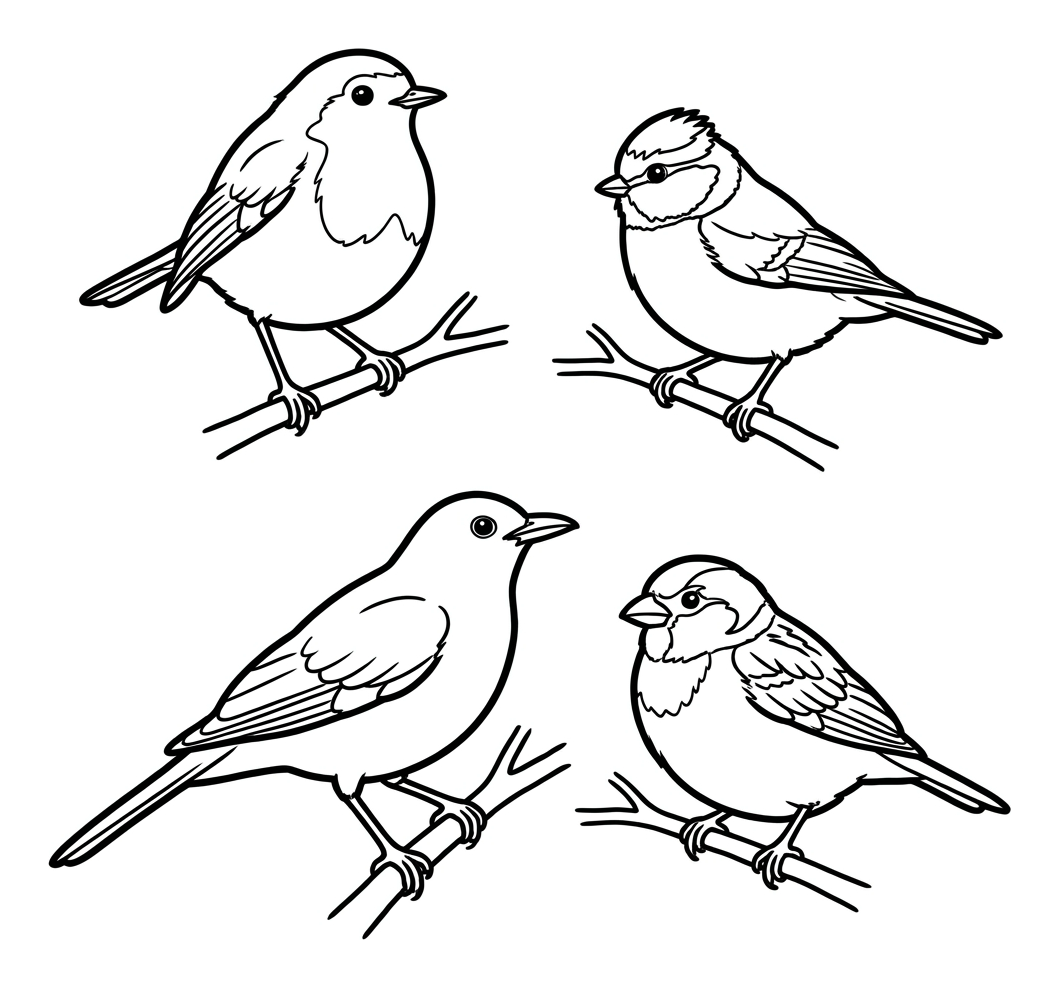
Read each clue and look at the birds. Write the bird's name on the line. Use the word bank to help you.
Which bird has a round orange-red breast?
Which small bird has a blue cap and a yellow chest?
Which bird is glossy black with a bright orange-yellow beak?
Which small brown bird has a streaky back and chatters in groups?
Activity 2
Now colour each bird to match the real thing.
- Colour the robin's breast orange-red.
- Colour the blue tit's cap blue and its chest yellow.
- Colour the blackbird black and its beak orange-yellow.
- Colour the sparrow's back and wings streaky brown.
 British Garden Birds Spotting SheetSheet 28
Answers: British Garden Birds Spotting Sheet
Sheet 28
- Which bird has a round orange-red breast? — robin
- Which small bird has a blue cap and a yellow chest? — blue tit
- Which bird is glossy black with a bright orange-yellow beak? — blackbird
- Which small brown bird has a streaky back and chatters in groups? — sparrow
For grown-ups. Free worksheets and the Owee quiz app at owee.world
Answer key
- Which bird has a round orange-red breast? — robin
- Which small bird has a blue cap and a yellow chest? — blue tit
- Which bird is glossy black with a bright orange-yellow beak? — blackbird
- Which small brown bird has a streaky back and chatters in groups? — sparrow
Four birds your child is most likely to spot
The four birds on this sheet are among the most frequently recorded in British gardens. The robin is unmistakable thanks to its round orange-red breast and is one of the few birds that sings through the winter. The blue tit is tiny and acrobatic, with a blue cap, yellow chest and bluish wings, and is a regular at hanging feeders. The blackbird has a slim build and a cheerful, flute-like song; the male is glossy black with a bright orange-yellow beak, while the female is brown. The house sparrow is a sociable, chattering bird with a chunky body and a streaky brown back. Knowing these four gives children a confident starting point before they meet trickier species.
How to use this worksheet
Begin by talking about each bird's most obvious feature, as these are the clues children use to name them: the robin's red breast, the blue tit's blue cap, the blackbird's orange beak and the sparrow's small streaky body. Children read a clue about each bird and write its name on the line, using the word bank as support, then colour each one as realistically as they can. Colouring is not just decoration here; matching the right colour to the right bird reinforces the identifying features. For an extra challenge, ask older or more confident children to add a tick beside any bird they have actually seen for themselves.
Taking the learning outdoors
The best way to embed this knowledge is to look for the real birds. A short walk around the garden, a local park or the school field turns the worksheet into genuine fieldwork and links directly to the curriculum aim of identifying animals in their habitats. Encourage children to notice not only the birds themselves but where they perch, what they eat and the sounds they make. A simple bird feeder or a scattering of seed near a window can bring garden birds into close view, and many families enjoy taking part in seasonal garden bird counts run by conservation organisations such as the RSPB.
Building observation and vocabulary skills
Naming birds from their features develops the scientific skills of observing closely and using simple comparisons, both of which sit at the heart of KS1 working scientifically. The activity also builds useful vocabulary, including words such as breast, beak, feathers, perch and habitat. Watch for one common mix-up: not every black bird is a blackbird. Crows, jackdaws and starlings also look dark, and a female blackbird is brown, so children may mistake her for a sparrow or a thrush. Asking "What colour is its beak?" and "How big is it?" helps them look for more than one clue.
Frequently asked questions
What are the most common garden birds in Britain?
The robin, blue tit, blackbird and house sparrow shown on this worksheet are among the most frequently seen garden birds in the UK. Other common visitors include the great tit, starling, goldfinch, dunnock and wood pigeon, many of which appear regularly at feeders throughout the year.
How do you tell a robin from a blackbird?
A robin is small and round with a distinctive orange-red breast, while a blackbird is larger and slimmer. The male blackbird is glossy black all over with a bright orange-yellow beak, and the female is brown. Pointing out the red breast and the orange beak helps children name each bird quickly.
Is this garden birds worksheet suitable for KS1?
Yes. It is designed for children aged 6 to 8 in Years 1 and 2, and it supports the KS1 science topic of living things and their habitats. The naming task is scaffolded with a word bank, and the colouring activity suits a wide range of abilities.
What is a microhabitat?
A microhabitat is a very small habitat within a larger one, such as the underside of a log, a patch of leaf litter or a single bush. A garden contains many microhabitats, and the birds on this sheet rely on features like hedges, trees and feeders for food and shelter.
How can I help my child learn to identify garden birds?
Look for the birds together near a window or feeder, and talk about each bird's most obvious feature, such as the robin's red breast or the blue tit's blue cap. Repeating the names while watching real birds, and joining a seasonal garden bird count, helps the learning stick.
Curriculum links
- Year 1 Science: Animals, including humans (statutory): 'identify and name a variety of common animals including fish, amphibians, reptiles, birds and mammals'
- KS1 Year 2 Science, Living things and their habitats: 'identify and name a variety of plants and animals in their habitats, including microhabitats'
- KS1 Year 2 Science, Living things and their habitats: 'explore and compare the differences between things that are living, dead, and things that have never been alive'
- KS1 Working scientifically: 'identifying and classifying'
- KS1 Working scientifically: 'observing closely, using simple equipment'
Quoted word for word from Department for Education documents: the National Curriculum in England, the EYFS framework or the RSHE guidance. Contains public sector information licensed under the Open Government Licence v3.0.
Made by The Owee education team. Updated 13/10/2026. Free to print and share.
More science worksheets
All Year 1 Science worksheets →
Years 1–2 · AnimalsSheet 79
Animals and Their Survival Needs
Years 1–2 · AnimalsSheet 27
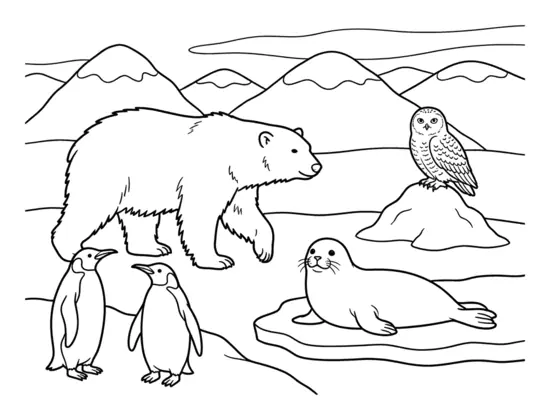
Animals of the Frozen Poles
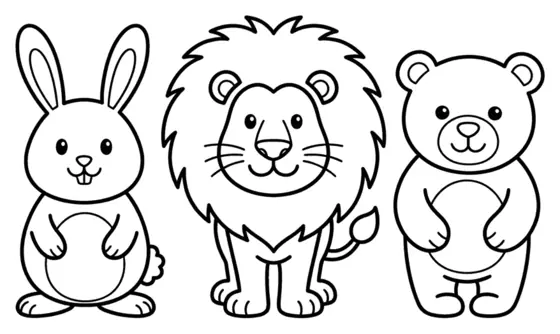
Years 1–2 · AnimalsSheet 29
Carnivore, Herbivore or Omnivore?
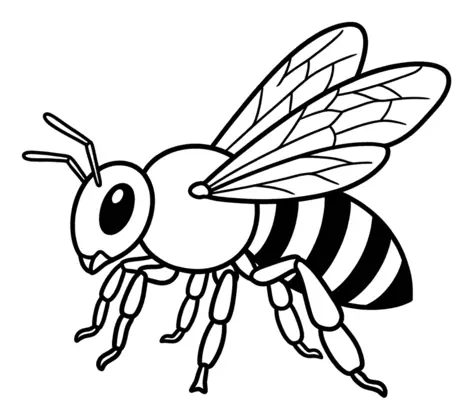
Years 1–2 · AnimalsSheet 30
Label the Parts of a Bee
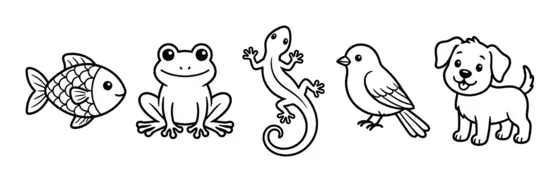
Years 1–2 · AnimalsSheet 31
Sorting Animal Groups
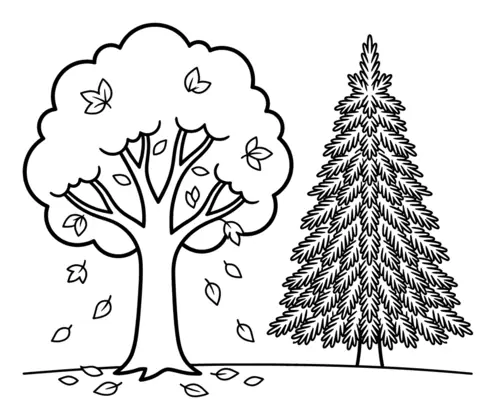
Years 1–2 · PlantsSheet 39
Deciduous and Evergreen Trees
Educational quiz app · Ages 5-10
More learning in the Owee app
Owee turns topics like this into quizzes for children aged 5 to 10, and a treehouse grows as they learn. No ads, no chat, no strangers.
- Family-friendly
- No ads
- Private
Educational quiz app · Ages 5-10
More learning in the Owee app
Owee turns topics like this into quizzes for children aged 5 to 10, and a treehouse grows as they learn. No ads, no chat, no strangers.
Scan with your phone camera
- Family-friendly
- No ads
- Private