Educational quiz app · Ages 5-10
This is what learning looks like


Educational quiz app · Ages 5-10
This is what learning looks like
No nagging required. Keep the learning going after the worksheet, with every question read aloud and Owee guiding each step.
Scan with your phone camera
- Family-friendly
- No ads
- Private
Science · Colouring and ticking worksheet
Carnivore, Herbivore or Omnivore? Free KS1 Science Worksheet
This free, printable worksheet helps children aged 5 to 7 sort animals by what they eat. There are three groups to learn: a herbivore eats plants, a carnivore eats other animals, and an omnivore eats both plants and animals. Children colour a rabbit, a lion and a bear, tick the sentences that are true, then write the right word under each animal.
It is completely free to print, use and share, at home or in the classroom. Just hit print, or save it as a PDF.
What your child is learning
‘identify and name a variety of common animals that are carnivores, herbivores and omnivores’
Year 1 Science: Animals, including humans, National Curriculum in England. Source and licence
Carnivore, Herbivore or Omnivore?
Free Science worksheet · Ages 5 to 7
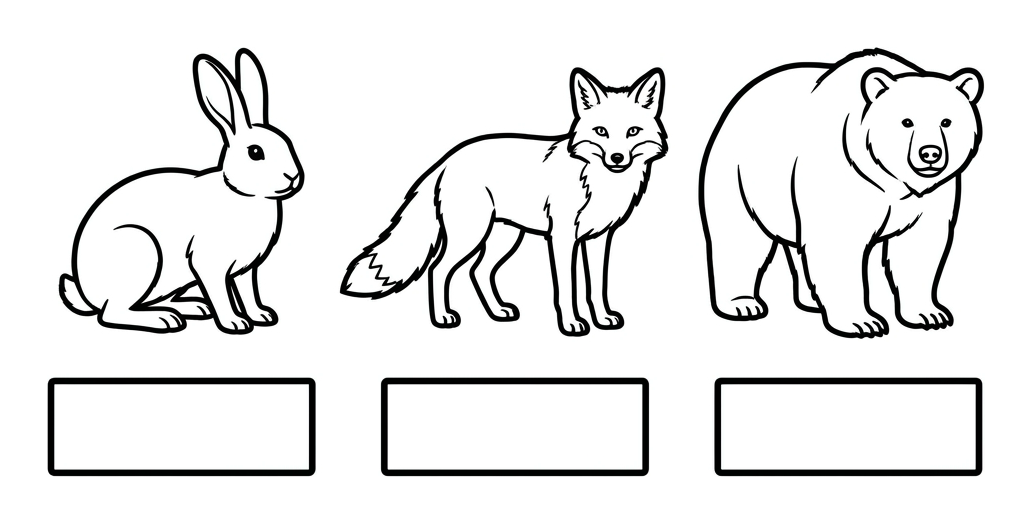
Colour the animals
Colour the rabbit, the lion and the bear. Think about what each animal eats as you colour.
- Colour the rabbit a soft brown or grey.
- Colour the lion golden yellow, with a darker brown mane.
- Colour the bear brown.
What does each animal eat?
A herbivore eats plants. A carnivore eats meat. An omnivore eats plants and meat. Tick each sentence that is true. Then write herbivore, carnivore or omnivore under each animal.
- The rabbit eats grass and leaves. It is a herbivore.
- The rabbit hunts other animals.
- The lion eats only meat, such as zebras and antelope. It is a carnivore.
- The bear eats berries, roots and fish. It is an omnivore.
- The bear eats only plants.
- The lion eats grass.
 Carnivore, Herbivore or Omnivore?Sheet 29
Answers: Carnivore, Herbivore or Omnivore?
Sheet 29
- The rabbit eats grass and leaves. It is a herbivore. — Tick (under the rabbit: herbivore)
- The rabbit hunts other animals. — No tick
- The lion eats only meat, such as zebras and antelope. It is a carnivore. — Tick (under the lion: carnivore)
- The bear eats berries, roots and fish. It is an omnivore. — Tick (under the bear: omnivore)
- The bear eats only plants. — No tick
- The lion eats grass. — No tick
For grown-ups. Free worksheets and the Owee quiz app at owee.world
Answer key
- The rabbit eats grass and leaves. It is a herbivore. — Tick (under the rabbit: herbivore)
- The rabbit hunts other animals. — No tick
- The lion eats only meat, such as zebras and antelope. It is a carnivore. — Tick (under the lion: carnivore)
- The bear eats berries, roots and fish. It is an omnivore. — Tick (under the bear: omnivore)
- The bear eats only plants. — No tick
- The lion eats grass. — No tick
What is on the worksheet
One clear line drawing of three familiar animals in a row: a rabbit, a lion and a bear. Children colour the animals, work through six short tick-the-box sentences, then write herbivore, carnivore or omnivore under each animal, so they meet one of each group.
The drawing has bold, even outlines and plenty of white space, so it is comfortable for small hands to colour. The ticking task keeps the focus on one big idea, sorting animals by what they eat, without too much reading.
How to use it at home or in the classroom
Print the worksheet, or open it on a tablet and print from there. First, let your child colour the three animals, which gives you time to chat about where each one lives.
Then read the three words together, herbivore, carnivore and omnivore, and talk about what each one means. Look at each animal in turn and ask your child what they think it eats, then work through the tick statements together. The rabbit eats grass and plants, so it is a herbivore. The lion hunts other animals and eats only meat, so it is a carnivore. The bear eats berries, roots and fish, so it is an omnivore. You could also talk about a fox: it hunts mice but eats berries too, so it is an omnivore. For a class, it works well as a starter or as part of a topic on animals and their diets.
What your child will learn
By the end of the activity, your child should be able to use and explain three new words. A herbivore eats only plants, a carnivore eats other animals, and an omnivore eats both. They will practise looking closely at an animal and using what they know to decide which group it belongs to.
Sorting common animals as carnivores, herbivores and omnivores is part of the very first science learning about animals in primary school, and it leads straight into later work on food chains. A useful question to ask is "What are we?" Most people eat both plants and meat, so humans are omnivores.
A note for teachers
This worksheet supports the Key Stage 1 science programme of study for animals, including humans, where pupils learn to identify and name common animals that are carnivores, herbivores and omnivores. It works as a quick check of whether pupils can apply the three terms to real animals, and pairs well with sorting cards or a discussion about what pets and farm animals eat.
There is no log-in, no watermark and no catch. You are welcome to print copies for your class and to link to this page from your school website or newsletter.
Frequently asked questions
What is the difference between a carnivore, a herbivore and an omnivore?
A herbivore eats only plants, such as grass, leaves and fruit. A carnivore eats other animals, which it usually hunts. An omnivore eats both plants and animals. Humans are omnivores, for example.
Is a fox a carnivore or an omnivore?
A red fox is an omnivore. It hunts mice, rabbits and birds, but it also eats worms, beetles, berries and fallen fruit. Foxes are sometimes called carnivores because they belong to the group of mammals scientists call Carnivora, which also includes cats and dogs, but that group name is about family, not diet. On this worksheet the fox is an omnivore, and the lion in the sentences is the carnivore.
What age or year group is this worksheet for?
It is designed for children aged 5 to 7, which is Years 1 and 2 (Key Stage 1) in England. Confident four-year-olds and older children who enjoy colouring will get something from it too.
Is this carnivore, herbivore and omnivore worksheet free to print and share?
Yes. It is completely free to print, use at home or in class, and share. There is no sign-up and no watermark. You are welcome to link to this page from a school website or newsletter.
Does it match the KS1 curriculum?
Yes. It supports the Key Stage 1 science topic on animals, including humans, where children learn to identify and name common animals that are carnivores, herbivores and omnivores.
Curriculum links
- Year 1 Science: Animals, including humans (statutory): 'identify and name a variety of common animals that are carnivores, herbivores and omnivores'
- KS1 Year 1 Animals, including humans (statutory): 'identify and name a variety of common animals including fish, amphibians, reptiles, birds and mammals'
- KS1 Year 1 Animals, including humans (statutory): 'describe and compare the structure of a variety of common animals'
Quoted word for word from Department for Education documents: the National Curriculum in England, the EYFS framework or the RSHE guidance. Contains public sector information licensed under the Open Government Licence v3.0.
Made by The Owee education team. Updated 13/10/2026. Free to print and share.
More science worksheets
All Year 1 Science worksheets →
Years 1–2 · AnimalsSheet 79
Animals and Their Survival Needs
Years 1–2 · AnimalsSheet 27
Animals of the Frozen Poles
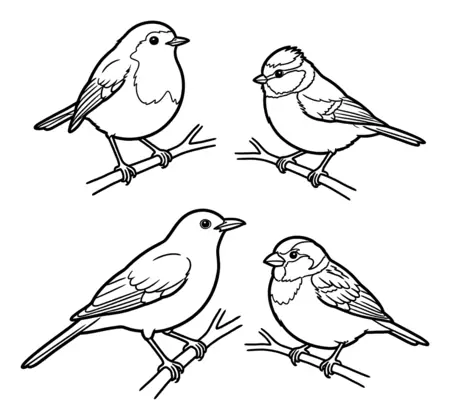
Years 1–2 · AnimalsSheet 28
British Garden Birds Spotting Sheet
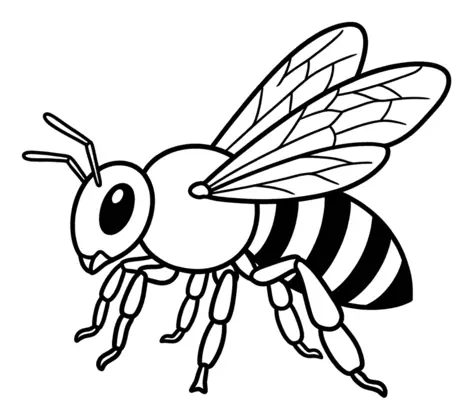
Years 1–2 · AnimalsSheet 30
Label the Parts of a Bee
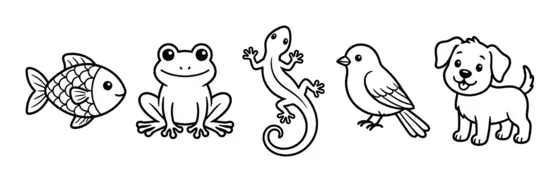
Years 1–2 · AnimalsSheet 31
Sorting Animal Groups
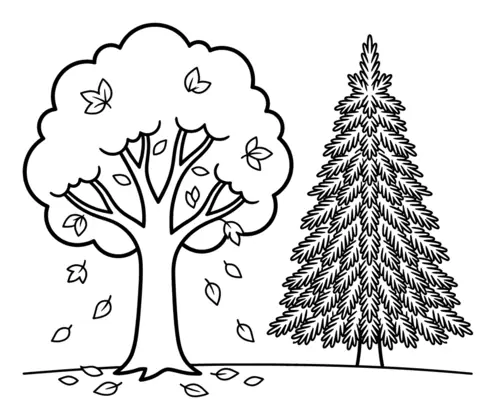
Years 1–2 · PlantsSheet 39
Deciduous and Evergreen Trees
Educational quiz app · Ages 5-10
More learning in the Owee app
Owee turns topics like this into quizzes for children aged 5 to 10, and a treehouse grows as they learn. No ads, no chat, no strangers.
- Family-friendly
- No ads
- Private
Educational quiz app · Ages 5-10
More learning in the Owee app
Owee turns topics like this into quizzes for children aged 5 to 10, and a treehouse grows as they learn. No ads, no chat, no strangers.
Scan with your phone camera
- Family-friendly
- No ads
- Private