Educational quiz app · Ages 5-10
This is what learning looks like


Educational quiz app · Ages 5-10
This is what learning looks like
No nagging required. Keep the learning going after the worksheet, with every question read aloud and Owee guiding each step.
Scan with your phone camera
- Family-friendly
- No ads
- Private
Science · Tick and colouring worksheet
Hand Washing and Hygiene: Free KS1 Science Worksheet
This free printable worksheet helps Year 2 children think about good hygiene habits and, in particular, when and why we wash our hands. It pairs a simple tick activity with a calming colouring task, so children practise recognising healthy routines while they relax with their colouring pencils.
It supports the Year 2 Science unit Animals, including humans, where pupils learn about staying healthy. Print it onto a single sheet of A4 for use at home, in class, or as part of a topic on keeping clean and looking after our bodies.
What your child is learning
‘describe the importance for humans of exercise, eating the right amounts of different types of food, and hygiene’
Year 2 Science: Animals, including humans, National Curriculum in England. Source and licence
Keeping Clean: Wash Your Hands
Free Science worksheet · Ages 6 to 7
Activity 1
When should we wash our hands? Tick the box if it is a time to wash them.
- Before we eat our food
- After going to the toilet
- After playing outside in the mud
- After coughing or sneezing into our hands
- When we have just put on clean, dry socks
- While we are fast asleep in bed
Activity 2
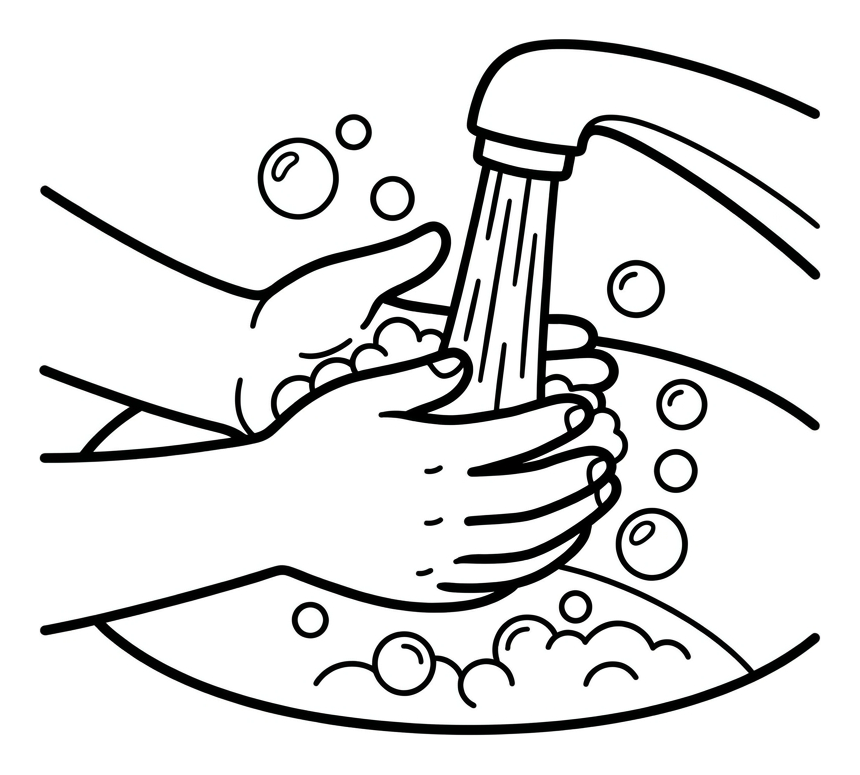
Colour the hands being washed at the sink. Use these colours.
- Colour the water from the tap light blue
- Colour the soap bubbles in pale colours
- Colour the tap shiny silver or grey
- Colour the sink any colour you like
 Keeping Clean: Wash Your HandsSheet 80
Answers: Keeping Clean: Wash Your Hands
Sheet 80
- Before we eat our food — Yes (tick)
- After going to the toilet — Yes (tick)
- After playing outside in the mud — Yes (tick)
- After coughing or sneezing into our hands — Yes (tick)
- When we have just put on clean, dry socks — No (no tick)
- While we are fast asleep in bed — No (no tick)
For grown-ups. Free worksheets and the Owee quiz app at owee.world
Answer key
- Before we eat our food — Yes (tick)
- After going to the toilet — Yes (tick)
- After playing outside in the mud — Yes (tick)
- After coughing or sneezing into our hands — Yes (tick)
- When we have just put on clean, dry socks — No (no tick)
- While we are fast asleep in bed — No (no tick)
Why hand washing matters in Year 2 Science
Hand washing is one of the clearest, most relatable examples children meet when they study how to stay healthy. By the time they reach Year 2, pupils are expected to understand that hygiene is one of the things humans need to do to look after their bodies, alongside eating well and exercising. Tiny germs are invisible, so washing hands gives children a concrete, everyday action they can actually carry out and feel in control of. This worksheet keeps the science honest and age-appropriate: it focuses on the simple message that washing our hands with soap and water helps remove germs and keeps us well.
When should children wash their hands?
Children remember hygiene best when it is tied to specific moments rather than taught as an abstract rule. The key times to wash hands are: before eating or helping to prepare food, after using the toilet, after coughing, sneezing or blowing their nose, after playing outside or touching animals, and when their hands look or feel dirty. The tick activity on this sheet asks children to identify some of these moments, which gives you a natural opening to talk through their own daily routine and add any times that are relevant to your family or classroom.
How to wash hands properly
Good technique is part of the learning. Encourage children to wet their hands, add soap, and rub all over for around twenty seconds, including the backs of the hands, between the fingers and around the thumbs, before rinsing and drying. A familiar trick is to hum a short song, such as 'Happy Birthday' twice, to judge the length of time. A common belief is that a quick rinse under the tap is enough. Water alone leaves most germs behind; it is the soap and the rubbing that lift them off, so it is worth practising the steps at a real sink after the worksheet.
Using this worksheet at home or in class
This printable works well as a starter, a calm-down task, or a take-home reminder. The tick activity can be completed independently or discussed as a group, and the colouring picture is forgiving enough for a wide range of fine-motor abilities. To extend the learning, ask children to draw or name one more time when they should wash their hands, or to design a poster for the bathroom. A simple test is to put a little hand cream and a pinch of glitter on your child's hands, then see how much is left after a rinse with water compared with a proper wash with soap.
Frequently asked questions
What age is this hand washing worksheet for?
It is designed for children aged 6 to 7 (Year 2, KS1), but it also suits Year 1 children and older pupils revisiting hygiene as part of a health topic.
Which part of the curriculum does it cover?
It supports the Year 2 Science unit 'Animals, including humans', which asks pupils to describe the importance of hygiene, and it links to statutory Health education on personal hygiene and germs.
Is the worksheet free to print?
Yes. The worksheet is completely free, prints to a single A4 page, and can be used at home or in the classroom with no sign-up required.
How long should children wash their hands for?
Around twenty seconds with soap and water, covering the backs of the hands, between the fingers and the thumbs. Humming a short song twice is an easy way to judge the time.
How do I explain germs to a 6 year old?
Keep it simple: germs are tiny things we cannot see that can make us poorly, and washing with soap and water helps wash them away so we stay well.
Curriculum links
- Year 2 Science: Animals, including humans (statutory): 'describe the importance for humans of exercise, eating the right amounts of different types of food, and hygiene'
Quoted word for word from Department for Education documents: the National Curriculum in England, the EYFS framework or the RSHE guidance. Contains public sector information licensed under the Open Government Licence v3.0.
Made by The Owee education team. Updated 13/10/2026. Free to print and share.
More science worksheets
All Year 2 Science worksheets →
Years 1–2 · Healthy livingSheet 81
My Healthy Plate
Years 3–4 · Healthy livingSheet 113
The Eatwell Guide Food Groups
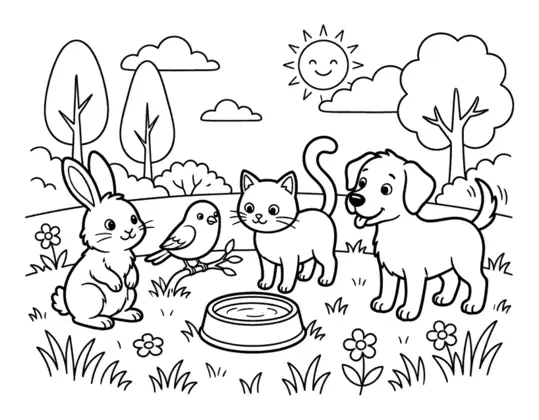
Years 1–2 · AnimalsSheet 79
Animals and Their Survival Needs
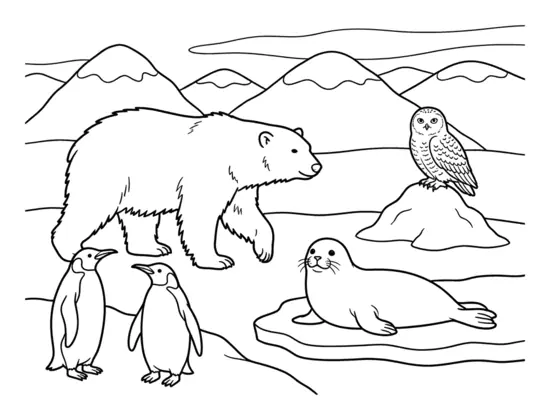
Years 1–2 · AnimalsSheet 27
Animals of the Frozen Poles
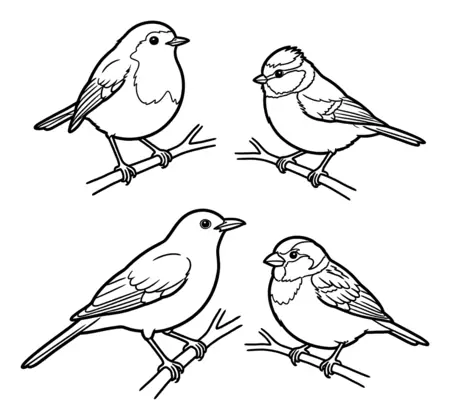
Years 1–2 · AnimalsSheet 28
British Garden Birds Spotting Sheet
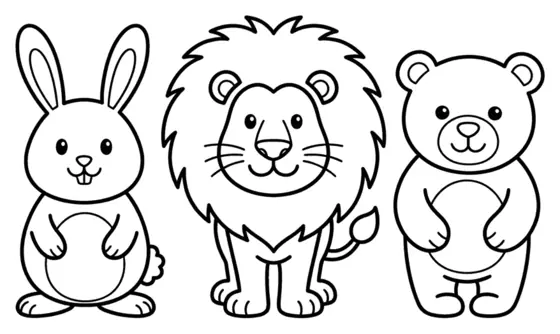
Years 1–2 · AnimalsSheet 29
Carnivore, Herbivore or Omnivore?
Educational quiz app · Ages 5-10
More learning in the Owee app
Owee turns topics like this into quizzes for children aged 5 to 10, and a treehouse grows as they learn. No ads, no chat, no strangers.
- Family-friendly
- No ads
- Private
Educational quiz app · Ages 5-10
More learning in the Owee app
Owee turns topics like this into quizzes for children aged 5 to 10, and a treehouse grows as they learn. No ads, no chat, no strangers.
Scan with your phone camera
- Family-friendly
- No ads
- Private