
Educational quiz app · Ages 5-10
This is what learning looks like


Educational quiz app · Ages 5-10
This is what learning looks like
No nagging required. Keep the learning going after the worksheet, with every question read aloud and Owee guiding each step.
Scan with your phone camera
- Family-friendly
- No ads
- Private
Free history worksheets for KS1 and KS2
History in the national curriculum is set by key stage. In KS1 (Years 1 and 2), children learn about changes within living memory, events beyond living memory such as the Great Fire of London, and the lives of significant people; Neil Armstrong is one example the curriculum gives. In KS2 (Years 3 to 6), they study Britain from the Stone Age to the Iron Age, the Romans, the Anglo-Saxons and Vikings, and early civilisations such as Ancient Egypt.
The sheets on this page suit children aged 5 to 11. KS1 sheets cover toys then and now, transport through time, castles, the Great Fire of London and the first Moon landing. KS2 sheets cover the Stone Age to the Iron Age, a Roman soldier, Egyptian pyramids and mummies, and Victorian children.
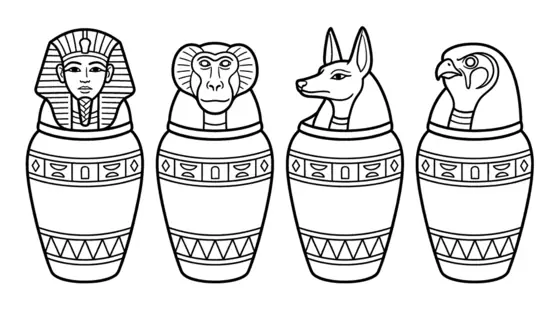
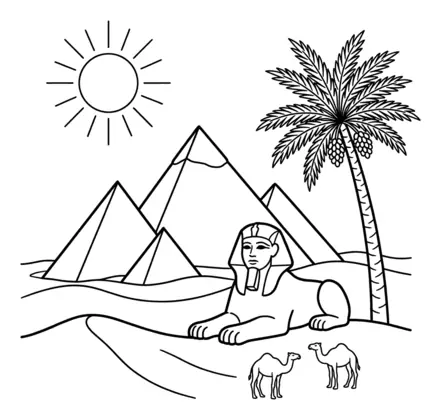
Ancient Egypt
Children explore one of the earliest civilisations: the pyramids, the River Nile, Egyptian beliefs about the afterlife, and mummies.
Castles
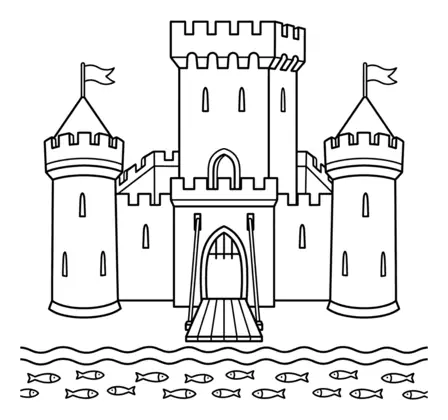
Children learn the parts of a castle, such as the keep, moat and drawbridge, and why castles were built to keep people safe.
Famous people
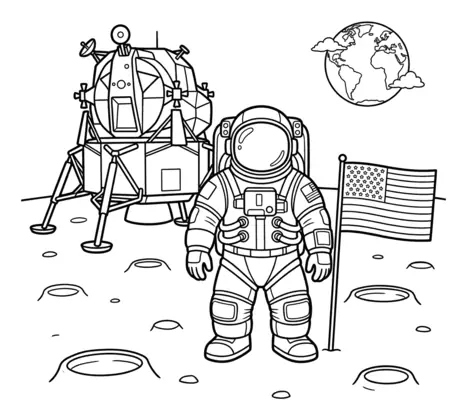
Children learn about significant people from the past, such as Neil Armstrong, and how their achievements changed the world.
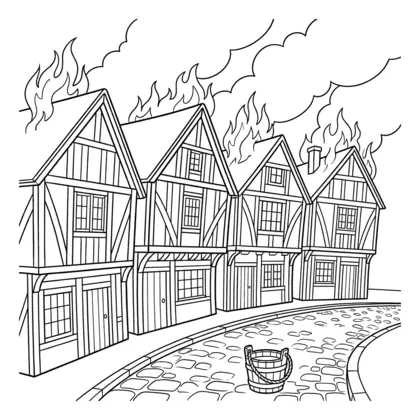
Great Fire of London
Children learn what happened in the Great Fire of London in 1666, why the fire spread so quickly and how it changed the city.
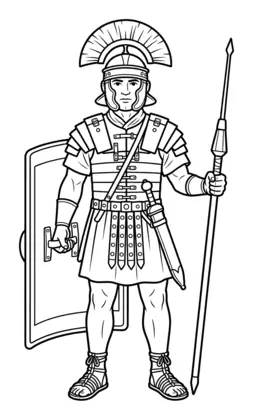
Romans
Children learn about the Roman Empire and its impact on Britain, including the Roman army, roads and towns.
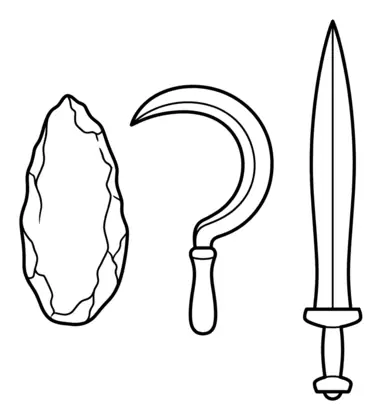
Stone Age to Iron Age
Children learn how life in Britain changed from the Stone Age through the Bronze Age to the Iron Age, from hunting and stone tools to farming and metalwork.
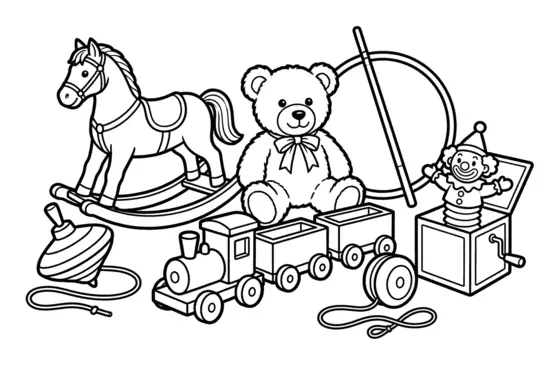
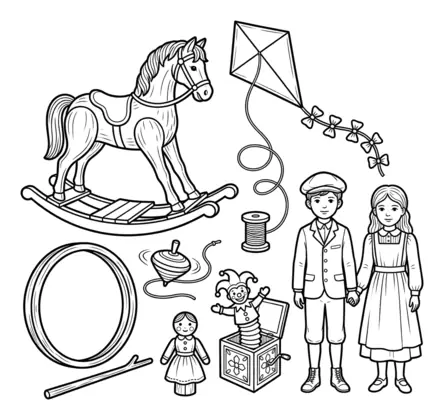
Toys then and now
Children compare toys from the past with toys today and talk about how life has changed within the memory of their parents and grandparents.
Transport
Children put ways of travelling in order from oldest to newest and use words about time such as before, after and a long time ago.

Victorians
Children learn what life was like in Victorian Britain, including how rich and poor children lived, worked and played.
When is each topic taught?
Because history is set for a whole key stage, each school picks its own order. As a rough guide, the Great Fire of London is often taught in Year 2, the Stone Age and Ancient Egypt in Year 3, the Romans in Year 3 or Year 4, and the Victorians in Year 5 or Year 6. Ask your child's teacher what is coming up this term, and use the matching sheet to get a head start.
Bringing history home
History starts with your own family. Ask a grandparent what toys they played with, or compare an old photo of your street with how it looks today. Many museums are free to enter, and castles and Roman sites make good days out. Doing a sheet after a visit helps your child hold on to what they saw, and gives you both something to talk about on the way home.
Questions parents ask
What ages are KS1 and KS2?
Key Stage 1 is Years 1 and 2, for ages 5 to 7. Key Stage 2 is Years 3 to 6, for ages 7 to 11. History topics are set for each key stage rather than each year.
Do these sheets follow the KS2 history curriculum?
They link to it. The Stone Age to the Iron Age and the Roman Empire are statutory KS2 topics, and Ancient Egypt is one of four early civilisations schools can choose for a depth study. The sheets support those units rather than replacing them.
Are the history sheets free?
Yes. They are free to print and share, with no sign-up. They suit homework, home education or a rainy afternoon spent on a topic your child already enjoys.
Educational quiz app · Ages 5-10
More learning in the Owee app
Owee turns topics like this into quizzes for children aged 5 to 10, and a treehouse grows as they learn. No ads, no chat, no strangers.
- Family-friendly
- No ads
- Private
Educational quiz app · Ages 5-10
More learning in the Owee app
Owee turns topics like this into quizzes for children aged 5 to 10, and a treehouse grows as they learn. No ads, no chat, no strangers.
Scan with your phone camera
- Family-friendly
- No ads
- Private