Educational quiz app · Ages 5-10
This is what learning looks like


Educational quiz app · Ages 5-10
This is what learning looks like
No nagging required. Keep the learning going after the worksheet, with every question read aloud and Owee guiding each step.
Scan with your phone camera
- Family-friendly
- No ads
- Private
Science · Colouring and short-answer worksheet
The Heart and Healthy Exercise: Free KS2 Science Worksheet
The heart is one of the hardest-working organs in the body, and Year 6 is the point in the National Curriculum where children are expected to recognise how lifestyle choices, including exercise, affect the way their bodies function. This free, printable worksheet pairs a large, colourable heart illustration with short-answer questions so children can show that they understand the heart as the pump of the circulatory system.
The sheet prints cleanly onto a single A4 page. It is designed to support a classroom science lesson, a home-learning session or a quick recap, and it does not require any special equipment beyond pencils and colouring pens.
What your child is learning
‘recognise the impact of diet, exercise, drugs and lifestyle on the way their bodies function’
Year 6 Science: Animals including humans, National Curriculum in England. Source and licence
The Heart and Healthy Exercise
Free Science worksheet · Ages 9 to 11
Activity 1
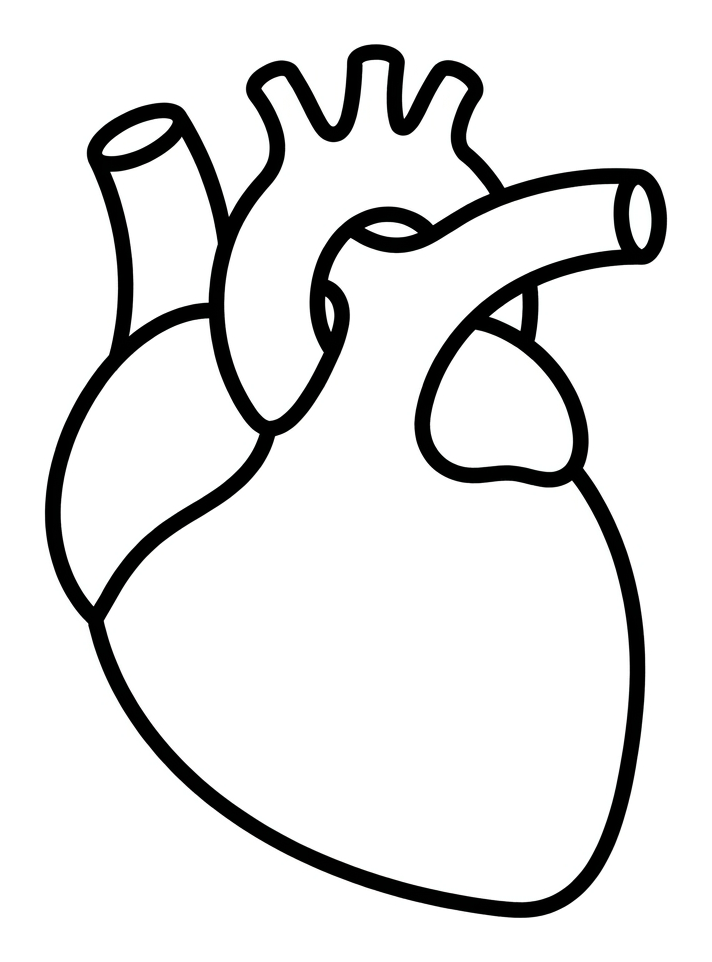
Colour the heart and its big blood vessels. Use these colours.
- Colour the heart muscle a deep red.
- Colour the curved tube with three branches on top bright red. It carries blood full of oxygen to the body.
- Colour the straight tube on the left of the picture blue. It brings blood back from the body.
- Colour the tube that points to the right blue. It takes blood to the lungs to pick up oxygen.
Activity 2
Answer each question on the line. Use the word bank to help you.
What job does the heart do in the body?
Name the body system that is made up of the heart, blood vessels and blood.
Which gas does your blood carry to your muscles?
What happens to your heartbeat when you run or jump?
Explain how regular exercise helps to keep the heart healthy.
 The Heart and Healthy ExerciseSheet 180
Answers: The Heart and Healthy Exercise
Sheet 180
- What job does the heart do in the body? — It acts as a pump, pushing blood around the body.
- Name the body system that is made up of the heart, blood vessels and blood. — The circulatory system.
- Which gas does your blood carry to your muscles? — Oxygen.
- What happens to your heartbeat when you run or jump? — It beats faster (and harder) so more oxygen reaches the muscles.
- Explain how regular exercise helps to keep the heart healthy. — Regular exercise makes the heart muscle stronger so it can pump blood more efficiently, which keeps it healthy.
For grown-ups. Free worksheets and the Owee quiz app at owee.world
Answer key
- What job does the heart do in the body? — It acts as a pump, pushing blood around the body.
- Name the body system that is made up of the heart, blood vessels and blood. — The circulatory system.
- Which gas does your blood carry to your muscles? — Oxygen.
- What happens to your heartbeat when you run or jump? — It beats faster (and harder) so more oxygen reaches the muscles.
- Explain how regular exercise helps to keep the heart healthy. — Regular exercise makes the heart muscle stronger so it can pump blood more efficiently, which keeps it healthy.
What this worksheet teaches
This worksheet focuses on two linked ideas from the Year 6 'Animals, including humans' programme of study. First, that the heart is a muscular organ that pumps blood around the body through a network of blood vessels, together forming the circulatory system. Second, that regular physical activity strengthens the heart, improves how efficiently the body delivers oxygen, and is one of several lifestyle factors that affect health. The colouring task gives children time to study the shape of the heart and the large vessels leaving it, while the short-answer questions ask them to put the key facts into their own words.
How the heart and exercise are connected
When a child runs, jumps or plays, their muscles need more oxygen. The heart responds by beating faster and harder so that oxygen-rich blood reaches the muscles more quickly, which is why a pulse speeds up during activity. Over time, regular exercise makes the heart muscle stronger and more efficient, so it can pump more blood with each beat. Helping children connect a familiar experience, such as being out of breath after running, to what is happening inside the body makes the science concrete and memorable. Some children worry that a racing heart means something is wrong. Reassure them that a faster pulse during play is the heart doing its job, and that it settles again within a few minutes of resting.
Using this sheet at home or in the classroom
For a classroom lesson, the colouring activity works well as a settling task while you introduce vocabulary such as 'pump', 'blood vessels' and 'circulatory system'. The short-answer questions can then be completed independently or in pairs and used for assessment for learning. At home, families might pause between questions to take a pulse before and after a short burst of star jumps, turning the worksheet into a simple, safe practical investigation. A word bank on the sheet supports children who need help with the key terms. When they colour, explain that blue is only a diagram code for blood low in oxygen: real blood is always red, darker when it is low in oxygen.
Extending the learning
Once children are confident, you can deepen the work by asking them to draw the path blood takes from the heart to the lungs and back, or to list other lifestyle factors named in the curriculum, namely diet, drugs and overall lifestyle, and discuss why each matters. Linking the heart to the lungs reinforces the wider 'transport of nutrients, water and oxygen' objective and prepares children for secondary-school biology. Encouraging children to set a personal active-play goal also supports the broader aim of recognising the impact of exercise on the way their bodies function.
Frequently asked questions
What does the heart do in the circulatory system?
The heart is a muscular pump. It pushes blood through a network of blood vessels so that oxygen and nutrients reach every part of the body and waste is carried away. Together the heart, blood vessels and blood make up the circulatory system, which children study in Year 6.
How does exercise keep the heart healthy?
Exercise makes the heart beat faster so more oxygen reaches the muscles. Done regularly, this strengthens the heart muscle and helps it pump blood more efficiently, which keeps it healthy. The National Curriculum asks Year 6 children to recognise this impact of exercise on how the body functions.
Is this worksheet suitable for Year 6 science?
Yes. It is written for ages 9 to 11 (Years 5 and 6) and matches the 'Animals, including humans' objectives on the heart, the circulatory system and the effect of exercise on the body. It can also be used as a recap with confident younger children.
Is the worksheet free to download and print?
Yes. The worksheet is completely free, prints onto a single A4 page in black and white, and needs only pencils and colouring pens. There is no sign-up required to use it at home or in the classroom.
What happens to your heart rate when you exercise?
Your heart rate rises because your muscles need more oxygen during activity, so the heart beats faster to deliver oxygen-rich blood more quickly. After you rest, the heart rate gradually returns to normal. Children can measure this safely by taking a pulse before and after a short burst of activity.
Curriculum links
- Year 6 Science: Animals including humans (statutory): 'recognise the impact of diet, exercise, drugs and lifestyle on the way their bodies function'
- Year 6 Science, Animals including humans: 'identify and name the main parts of the human circulatory system, and describe the functions of the heart, blood vessels and blood'
- Year 6 Science, Animals including humans: 'describe the ways in which nutrients and water are transported within animals, including humans'
Quoted word for word from Department for Education documents: the National Curriculum in England, the EYFS framework or the RSHE guidance. Contains public sector information licensed under the Open Government Licence v3.0.
Made by The Owee education team. Updated 13/10/2026. Free to print and share.
More science worksheets
All Year 6 Science worksheets →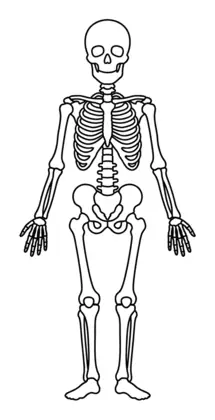
Years 3–4 · Human bodySheet 114
Label the Human Skeleton
Reception–Year 1 · Human bodySheet 34
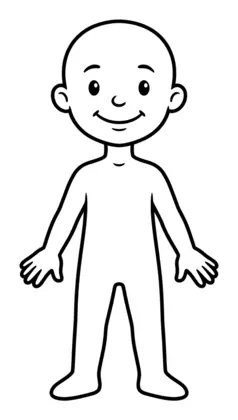
Label the Parts of the Body
Years 3–4 · Human bodySheet 115
Muscles That Move Us

Reception–Year 1 · Human bodySheet 35
The Five Senses
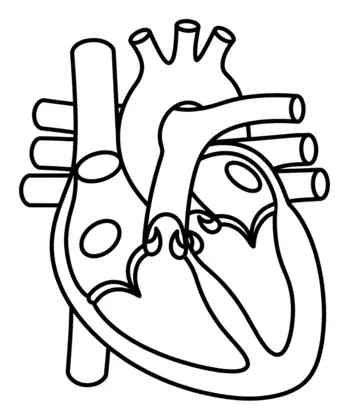
Year 6 · Human bodySheet 181
The Human Heart
Years 3–4 · Human bodySheet 116
The Human Skeleton: Major Bones
Educational quiz app · Ages 5-10
More learning in the Owee app
Owee turns topics like this into quizzes for children aged 5 to 10, and a treehouse grows as they learn. No ads, no chat, no strangers.
- Family-friendly
- No ads
- Private
Educational quiz app · Ages 5-10
More learning in the Owee app
Owee turns topics like this into quizzes for children aged 5 to 10, and a treehouse grows as they learn. No ads, no chat, no strangers.
Scan with your phone camera
- Family-friendly
- No ads
- Private