Educational quiz app · Ages 5-10
This is what learning looks like


Educational quiz app · Ages 5-10
This is what learning looks like
No nagging required. Keep the learning going after the worksheet, with every question read aloud and Owee guiding each step.
Scan with your phone camera
- Family-friendly
- No ads
- Private
Science · Colouring and labelling worksheet
The Water Cycle: Free KS2 Science Worksheet (Ages 8 to 10)
The water cycle is a key topic in Year 4 Science, and it is often the moment children first see how processes they already know — puddles drying up, mist on a cold window, rain on the way to school — fit together into one continuous system. This free printable brings that whole journey onto a single page that children can colour and label.
The worksheet pairs a friendly line-art landscape with short writing tasks, so children practise naming the stages and explaining evaporation and condensation in their own words. It prints cleanly to one A4 sheet and works equally well as a classroom starter, a homework consolidation task, or a quiet activity at home.
What your child is learning
‘identify the part played by evaporation and condensation in the water cycle and associate the rate of evaporation with temperature’
Year 4 Science: States of matter, National Curriculum in England. Source and licence
The Water Cycle (Science)
Free Science worksheet · Ages 8 to 10
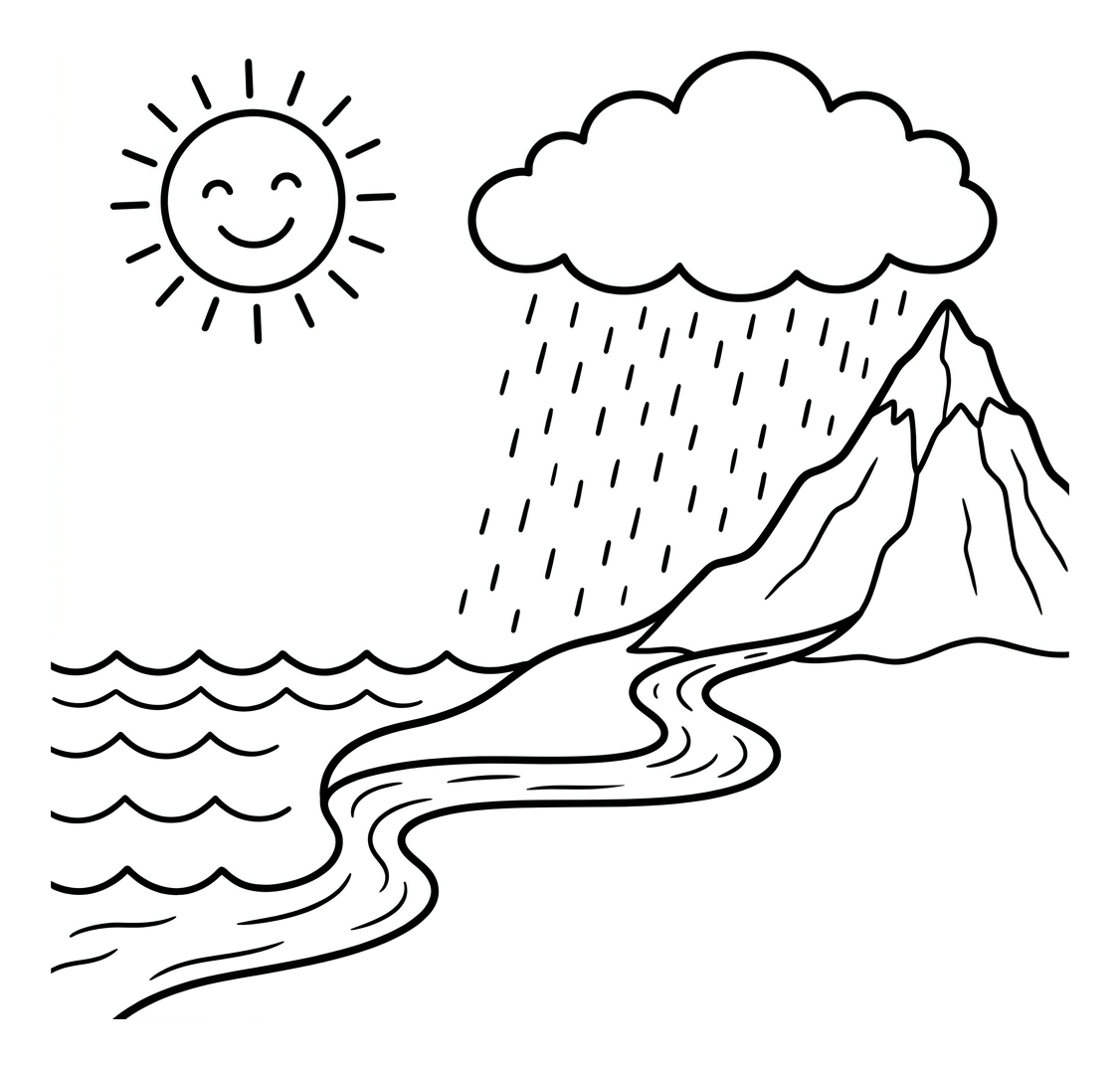
Colour the water cycle
Colour the picture. Think about what is happening to the water in each part.
- Colour the sea, the river and the raindrops blue.
- Colour the sun yellow and the cloud light grey.
- Colour the mountain brown or green.
Name the stages of the water cycle
Write the stage from the word bank that matches each sentence. Then answer the last two questions in full sentences.
The sun warms the sea, and water rises into the air as an invisible gas.
Water vapour cools high in the sky and turns into tiny drops that make clouds.
Water falls from the clouds as rain, snow or hail.
Water gathers in seas, rivers and lakes, ready to start again.
Why does a puddle dry up faster on a hot day than on a cold day?
Why is the water cycle called a cycle?
 The Water Cycle (Science)Sheet 160
Answers: The Water Cycle (Science)
Sheet 160
- The sun warms the sea, and water rises into the air as an invisible gas. — Evaporation
- Water vapour cools high in the sky and turns into tiny drops that make clouds. — Condensation
- Water falls from the clouds as rain, snow or hail. — Precipitation
- Water gathers in seas, rivers and lakes, ready to start again. — Collection
- Why does a puddle dry up faster on a hot day than on a cold day? — Water evaporates faster when it is warmer, so the heat turns the water into vapour more quickly.
- Why is the water cycle called a cycle? — The water keeps going round in a loop between the sea, the sky and the land, so it has no real beginning or end.
For grown-ups. Free worksheets and the Owee quiz app at owee.world
Answer key
- The sun warms the sea, and water rises into the air as an invisible gas. — Evaporation
- Water vapour cools high in the sky and turns into tiny drops that make clouds. — Condensation
- Water falls from the clouds as rain, snow or hail. — Precipitation
- Water gathers in seas, rivers and lakes, ready to start again. — Collection
- Why does a puddle dry up faster on a hot day than on a cold day? — Water evaporates faster when it is warmer, so the heat turns the water into vapour more quickly.
- Why is the water cycle called a cycle? — The water keeps going round in a loop between the sea, the sky and the land, so it has no real beginning or end.
What your child will learn
This worksheet supports the Year 4 Science statutory requirement to identify the part played by evaporation and condensation in the water cycle. Children name the four key stages — evaporation, condensation, precipitation and collection — and describe how water moves between the sea, the sky and the land in a continuous loop that never runs out. The colouring element gives them time to study the landscape closely, while the writing tasks check that they can use the correct vocabulary and explain the underlying changes of state, rather than simply labelling a picture from memory.
Understanding evaporation and condensation
The two processes children most often confuse are evaporation and condensation, so this worksheet keeps them side by side. Evaporation is when liquid water gains heat from the sun and turns into an invisible gas called water vapour, rising into the sky. Condensation is the reverse: as the vapour rises and cools, it turns back into tiny liquid droplets that gather to form clouds. A common misconception is that clouds are made of steam or water vapour; in fact vapour is invisible, and clouds are millions of tiny drops of liquid water (or ice). The curriculum also links temperature to the rate of evaporation — the warmer it is, the faster water evaporates, which is why puddles vanish more quickly on a sunny day than a cold one.
How to use this worksheet
Print the sheet at A4 and let your child colour the landscape first — blue for the sea, river and rain, grey or white for the cloud, yellow for the sun — using the colour suggestions as a guide. Talk through what is happening at each part of the picture as they colour, then move on to the writing task. Encourage full sentences in the answers; saying ‘the sun heats the sea and the water evaporates’ shows deeper understanding than a single word. For a quick extension, ask where the cycle ‘begins’ — a useful prompt, because the answer is that a continuous loop has no true beginning or end.
Ways to extend the learning
The water cycle suits hands-on follow-up. A clear bowl of water covered with cling film and left on a sunny windowsill will show droplets of condensation forming on the underside within hours — a miniature water cycle children can watch. You can also link the topic to weather, rivers and the local environment in Geography, or revisit the wider idea of states of matter (solid, liquid and gas) that underpins the whole unit. Comparing how quickly water dries in warm and cool spots makes a simple fair test for the temperature objective.
Frequently asked questions
What are the four stages of the water cycle for KS2?
The four stages children learn at KS2 are evaporation (water heated by the sun rises as vapour), condensation (vapour cools and forms clouds), precipitation (water falls as rain, snow or hail) and collection (water gathers in seas, rivers and lakes, ready to start again). This worksheet asks children to name all four.
What age or year group is the water cycle taught in?
In England the water cycle is part of the Year 4 Science programme of study (Key Stage 2), within the States of Matter unit. It is usually taught to children aged 8 to 9, and this worksheet suits ages 8 to 10 for teaching, revision or a confidence-building recap.
What is the difference between evaporation and condensation?
Evaporation is when liquid water gains heat and turns into an invisible gas (water vapour) that rises into the air. Condensation is the opposite: as the vapour rises and cools, it turns back into tiny liquid droplets that form clouds. Warmer temperatures speed up evaporation.
Is this water cycle worksheet free to print?
Yes. The worksheet is completely free to download and print at home or in the classroom. It is designed to fit on a single A4 page with black-and-white line art, so it is economical on ink and easy to photocopy for a whole class.
How can I help my child understand the water cycle at home?
Linking the cycle to everyday observations helps most: a drying puddle is evaporation, mist on a cold window is condensation, and rain is precipitation. A bowl of water covered with cling film on a sunny windowsill creates a mini water cycle children can watch over a day.
Curriculum links
- Year 4 Science: States of matter (statutory): 'identify the part played by evaporation and condensation in the water cycle and associate the rate of evaporation with temperature'
- Year 4 Science, States of matter: 'observe that some materials change state when they are heated or cooled'
Quoted word for word from Department for Education documents: the National Curriculum in England, the EYFS framework or the RSHE guidance. Contains public sector information licensed under the Open Government Licence v3.0.
Made by The Owee education team. Updated 13/10/2026. Free to print and share.
More science worksheets
All Year 4 Science worksheets →
Years 3–4 · Teeth and digestionSheet 157
Animal Teeth and What They Eat
Years 3–4 · Food chainsSheet 152
Build a Food Chain: Label and Colour
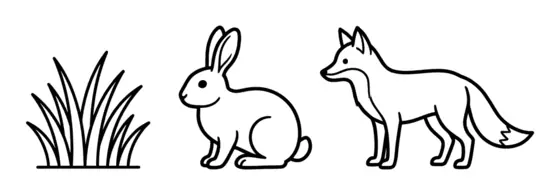
Years 3–4 · Food chainsSheet 153
Build a Food Chain: Label and True or False
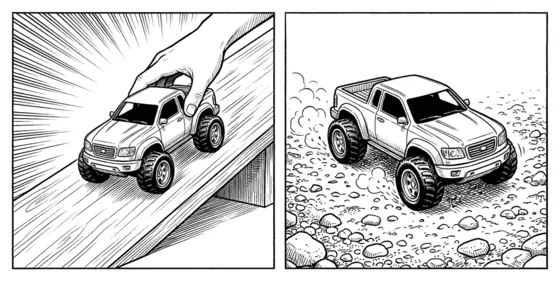
Years 3–5 · Forces and magnetsSheet 175
Forces and Friction
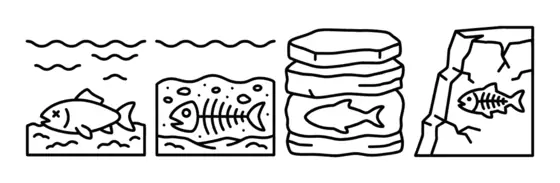
Years 3–4 · Rocks and fossilsSheet 120
How a Fossil Is Made
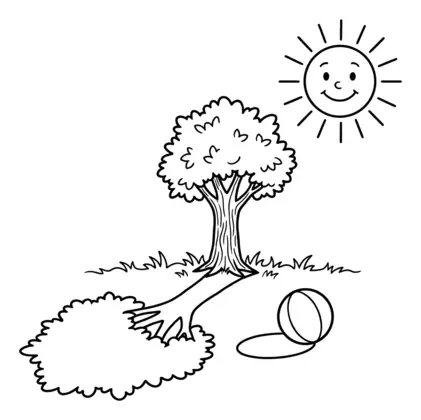
Years 3–4 · LightSheet 118
How Shadows Are Made
Educational quiz app · Ages 5-10
More learning in the Owee app
Owee turns topics like this into quizzes for children aged 5 to 10, and a treehouse grows as they learn. No ads, no chat, no strangers.
- Family-friendly
- No ads
- Private
Educational quiz app · Ages 5-10
More learning in the Owee app
Owee turns topics like this into quizzes for children aged 5 to 10, and a treehouse grows as they learn. No ads, no chat, no strangers.
Scan with your phone camera
- Family-friendly
- No ads
- Private