Educational quiz app · Ages 5-10
This is what learning looks like


Educational quiz app · Ages 5-10
This is what learning looks like
No nagging required. Keep the learning going after the worksheet, with every question read aloud and Owee guiding each step.
Scan with your phone camera
- Family-friendly
- No ads
- Private
Maths · Counting and colouring worksheet
Count to 20: Ladybird Spots - Free KS1 Counting Worksheet
This free printable helps children in Year 1 practise counting a set of objects accurately and writing the matching numeral. Children count the six spots on the ladybird's wings, then draw more spots, counting on from 6 until the ladybird has 20. Colouring the picture at the end builds pencil control. It prints on a single A4 page.
The worksheet supports the Year 1 expectation to count, read and write numbers to at least 20. Counting a small set of separate objects secures one-to-one correspondence, and counting on past 10 gives practice with the teen numbers, which are often the trickiest to say and write in the right order.
What your child is learning
‘identify and represent numbers using objects and pictorial representations’
Year 1 Maths: Number – number and place value, National Curriculum in England. Source and licence
Count to 20: Ladybird Spots
Free Maths worksheet · Ages 5 to 6
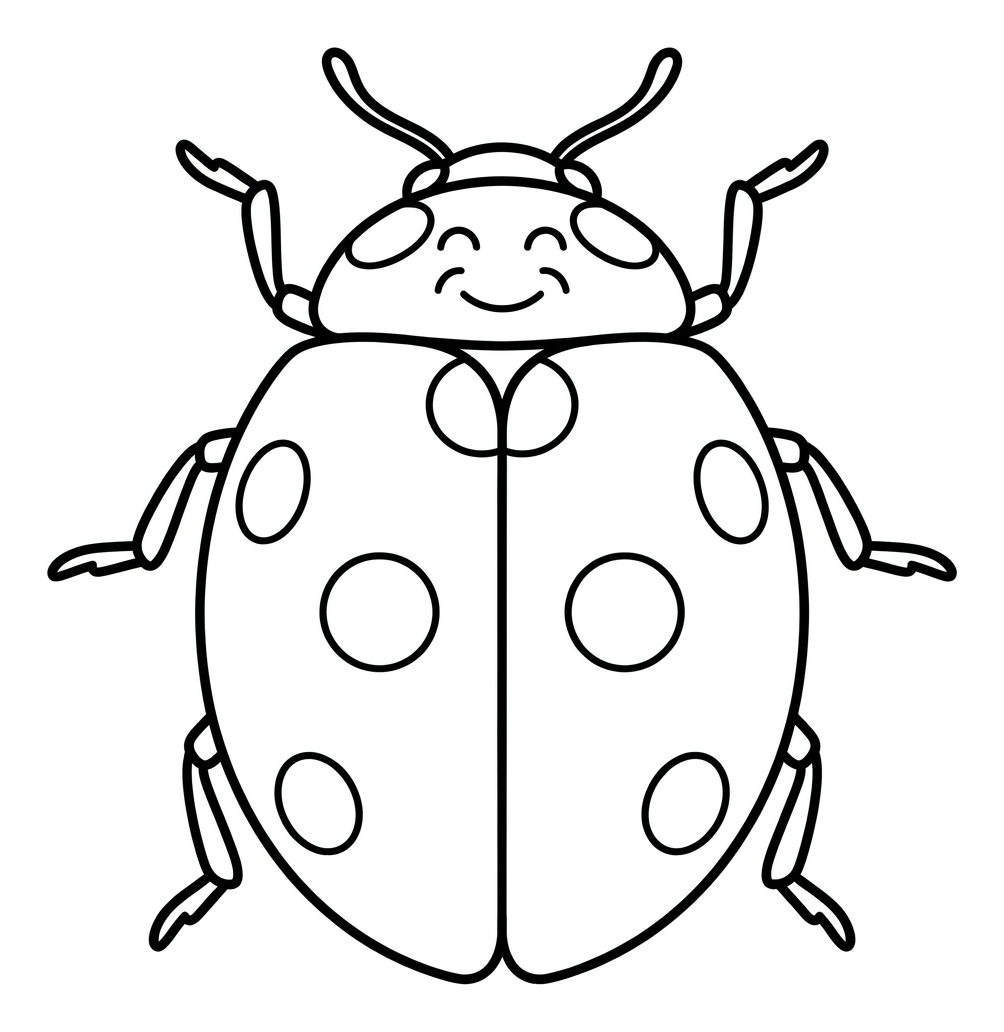
Count the spots
Touch each spot as you count it. Write the number in the box.
- How many spots are on the left wing?
- How many spots are on the right wing?
- How many spots are there altogether?
Count on to 20
Draw more spots on the wings. Count on from 6 as you draw each one. Stop when you get to 20.
- How many spots did you draw?
Colour the ladybird
Colour the wings red. Colour the spots, head and legs black.
 Count to 20: Ladybird SpotsSheet 15
Answers: Count to 20: Ladybird Spots
Sheet 15
- How many spots are on the left wing? — 3
- How many spots are on the right wing? — 3
- How many spots are there altogether? — 6
- How many spots did you draw? — 14
For grown-ups. Free worksheets and the Owee quiz app at owee.world
Answer key
- How many spots are on the left wing? — 3
- How many spots are on the right wing? — 3
- How many spots are there altogether? — 6
- How many spots did you draw? — 14
What this worksheet teaches
The core skill is one-to-one correspondence: touching or pointing to each spot exactly once while saying the number names in order. Children count each wing (3 and 3) and then the whole ladybird (6), which quietly shows that two parts make a whole. The second task asks them to count on: starting at 6 rather than 1, they say the next number each time they draw a spot until they reach 20, then work out that they drew 14. Counting on from a number other than 1 is a key Year 1 step, and drawing the spots gives a physical record they can re-count to check.
How to use it at home or in class
Encourage your child to touch each spot as they say its number, rather than counting by eye, which often leads to skipping or double-counting. For the count-on task, it helps to say the numbers aloud as each spot is drawn (‘seven, eight, nine…’) and to keep the new spots small so they fit. When they reach 20, ask them to count every spot from 1 to check the total, then count only the new spots to find 14. For an extra challenge, ask what one more or one fewer spot would give, which introduces counting forwards and backwards from any number.
Common counting errors to watch for
At this stage children commonly miscount in predictable ways: starting the count from 'two' instead of 'one', counting an object twice, or losing track in a crowded picture. They may also reverse digits when writing teen numbers — writing 'twelve' as 21, for example. None of these signal a problem; they are normal steps in learning. Modelling careful pointing, encouraging re-counting, and praising the process of checking rather than only the right answer all help these errors fade with practice.
Linking to the wider curriculum
Counting a set of objects accurately underpins almost all early number work, from place value to early addition and subtraction. Once children can reliably count to 20 and write the numerals, they are ready to compare quantities (‘which has more?’), order numbers, and begin counting in twos, fives and tens. Everyday counting helps too — steps on the stairs, peas on a plate, or spots on a real ladybird in the garden (UK ladybirds have anything from 2 to over 20 spots, depending on the species).
Frequently asked questions
What age is this count to 20 ladybird worksheet for?
It is aimed at children aged 5 to 6 in Reception and Year 1 (KS1). Confident younger children and those needing extra counting practice in Year 2 will also benefit from it.
Is the worksheet free to print?
Yes. The worksheet is completely free, prints to a single A4 page, and can be used as many times as you like at home or in the classroom.
How does counting spots help my child learn numbers?
Counting clearly separated objects builds one-to-one correspondence — saying one number name for each object — which is the foundation of all early number work. Drawing extra spots and counting on from 6 to 20 then practises the teen numbers and the idea that you do not always have to start counting from 1.
What should I do if my child keeps miscounting?
Ask them to touch and colour each spot as they count it, then re-count to check. Miscounting is very common at this age; careful pointing and gentle re-counting usually resolve it with practice.
Does this match the National Curriculum?
Yes. It supports the Year 1 objectives to count to and across 100 and to count, read and write numbers in numerals, focusing on the foundational range of numbers to 20.
Curriculum links
- Year 1 Maths: Number – number and place value (statutory): 'identify and represent numbers using objects and pictorial representations'
- Year 1 Number and place value: 'count to and across 100, forwards and backwards, beginning with 0 or 1, or from any given number'
- Year 1 Number and place value: 'count, read and write numbers to 100 in numerals; count in multiples of twos, fives and tens'
Quoted word for word from Department for Education documents: the National Curriculum in England, the EYFS framework or the RSHE guidance. Contains public sector information licensed under the Open Government Licence v3.0.
Made by The Owee education team. Updated 13/10/2026. Free to print and share.
More maths worksheets
All Year 1 Maths worksheets →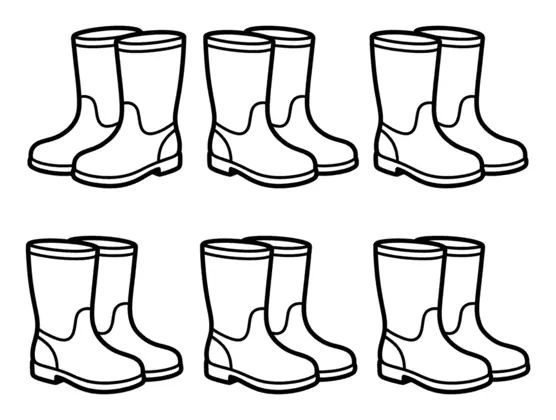
Years 1–2 · CountingSheet 14
Count in 2s: Pairs of Wellies
Reception–Year 1 · CountingSheet 1
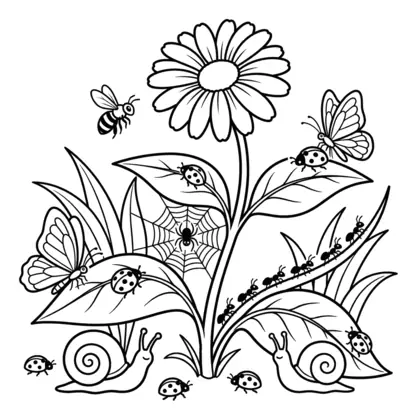
Count the Minibeasts
Years 2–3 · CountingSheet 59
Counting in 3s
Year 3 · CountingSheet 98
Counting in 4s, 8s, 50s and 100s
Years 1–2 · CountingSheet 16
Counting in 5s and 10s
Reception–Year 1 · CountingSheet 2
Under the Sea: Count the Ocean Animals
Educational quiz app · Ages 5-10
More learning in the Owee app
Owee turns topics like this into quizzes for children aged 5 to 10, and a treehouse grows as they learn. No ads, no chat, no strangers.
- Family-friendly
- No ads
- Private
Educational quiz app · Ages 5-10
More learning in the Owee app
Owee turns topics like this into quizzes for children aged 5 to 10, and a treehouse grows as they learn. No ads, no chat, no strangers.
Scan with your phone camera
- Family-friendly
- No ads
- Private