Educational quiz app · Ages 5-10
This is what learning looks like


Educational quiz app · Ages 5-10
This is what learning looks like
No nagging required. Keep the learning going after the worksheet, with every question read aloud and Owee guiding each step.
Scan with your phone camera
- Family-friendly
- No ads
- Private
Maths · Colouring and tick worksheet
Types of Angles Worksheet: Acute, Right and Obtuse (Free KS2)
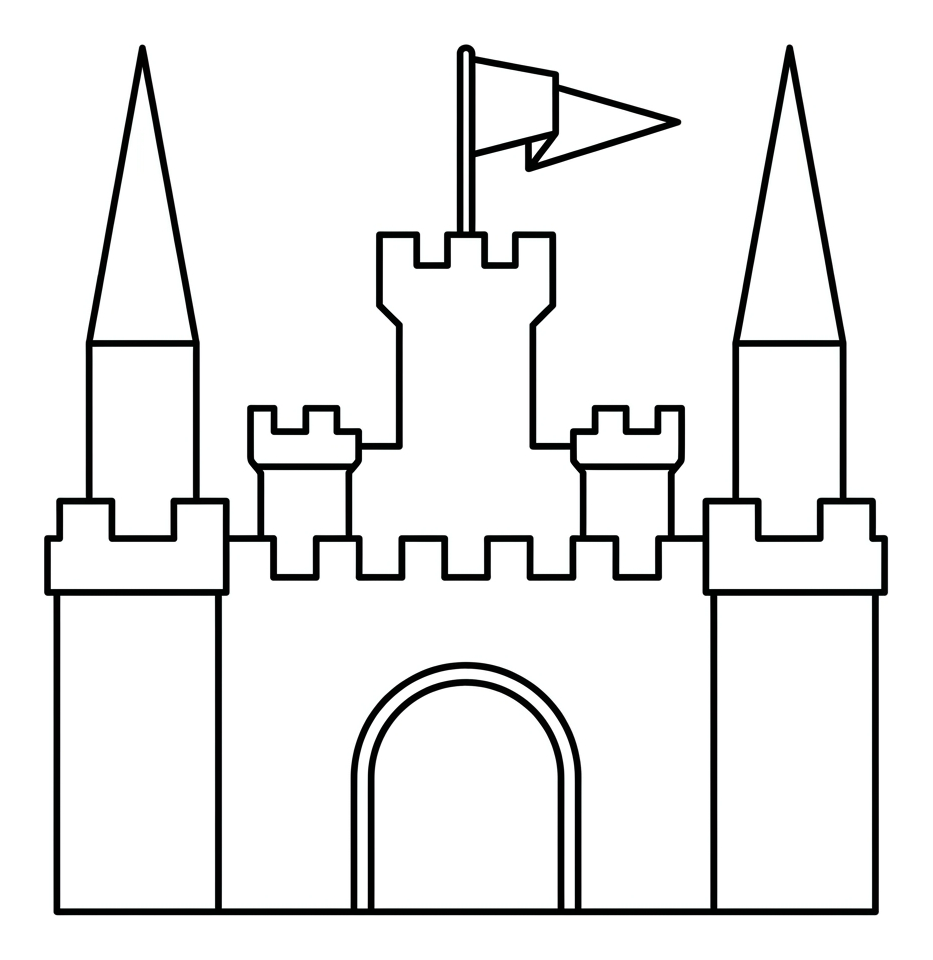
This free, printable worksheet helps children in Years 3 and 4 recognise and name the three angles they meet first in maths: acute (smaller than a right angle), right (a quarter turn, exactly 90°) and obtuse (larger than a right angle but smaller than a straight line). The angles are hidden in plain sight all over a friendly fairy-tale castle, so the maths feels like a hunt rather than a drill.
Print it on one sheet of A4. Children read each statement and tick the true ones, then colour the castle using a simple colour key that sorts the picture by angle type. It pairs well with a paper right-angle checker (the corner of any piece of paper) so children can test angles by eye and by comparison.
What your child is learning
‘identify acute and obtuse angles and compare and order angles up to 2 right angles by size’
Year 4 Maths: Geometry – properties of shapes, National Curriculum in England. Source and licence
Acute, Right and Obtuse Angles Castle
Free Maths worksheet · Ages 8 to 10
True or false?
Look at the castle. Tick each statement that is TRUE. Use the corner of a piece of paper to check for right angles.
- The sharp point at the top of each turret roof is an acute angle.
- The square corners of the battlements are right angles.
- The pointed tip of the flag is an obtuse angle.
- Where the sides of the tall middle tower slope inwards, the corners are obtuse angles.
- An acute angle is bigger than a right angle.
- A right angle is a quarter turn.
Colour by angle
Now colour the castle using this angle key.
- Colour the two turret roofs red (acute angles at the tips).
- Colour the battlements along the front wall blue (right angles).
- Colour the tall middle tower green (obtuse angles where its sides slope in).
- Colour the rest of the castle any colours you like.
 Acute, Right and Obtuse Angles CastleSheet 135
Answers: Acute, Right and Obtuse Angles Castle
Sheet 135
- The sharp point at the top of each turret roof is an acute angle. — Tick (true)
- The square corners of the battlements are right angles. — Tick (true)
- The pointed tip of the flag is an obtuse angle. — No tick (false: it is an acute angle)
- Where the sides of the tall middle tower slope inwards, the corners are obtuse angles. — Tick (true)
- An acute angle is bigger than a right angle. — No tick (false: it is smaller)
- A right angle is a quarter turn. — Tick (true)
For grown-ups. Free worksheets and the Owee quiz app at owee.world
Answer key
- The sharp point at the top of each turret roof is an acute angle. — Tick (true)
- The square corners of the battlements are right angles. — Tick (true)
- The pointed tip of the flag is an obtuse angle. — No tick (false: it is an acute angle)
- Where the sides of the tall middle tower slope inwards, the corners are obtuse angles. — Tick (true)
- An acute angle is bigger than a right angle. — No tick (false: it is smaller)
- A right angle is a quarter turn. — Tick (true)
What your child is learning
By Year 4, children are expected to move beyond simply spotting corners to naming and comparing angles. This worksheet focuses on three terms: a right angle is a quarter turn (90°) and looks like a perfect square corner; an acute angle is smaller than a right angle (the sharp, narrow points of the turret roofs); and an obtuse angle is bigger than a right angle but less than a straight line (the corners where the tall middle tower’s sides slope inwards). The flag is a deliberate trap: its pointed tip looks eye-catching, but it is acute, not obtuse. Linking each name to a real shape on the castle helps the vocabulary stick far better than abstract diagrams alone.
How to use this worksheet
Start by reminding your child that an angle is an amount of turn, not a length, and that the right angle is the benchmark everything is compared against. Hand them the corner of a spare piece of paper as a ready-made 90° checker: if an angle is narrower than the paper corner it is acute, if it fits exactly it is right, and if the paper corner sits inside it with room to spare it is obtuse. They can then work through the tick statements, testing each claim against the picture, before colouring the castle by the angle-type key. Encourage them to say the word out loud as they colour each part.
Common misconceptions to watch for
Two errors are very common at this stage. First, children often think a bigger shape means a bigger angle — remind them that the size of the angle depends only on the turn between two lines, not on how long the lines are or how big the turret is. Second, many children muddle acute and obtuse; a useful memory hook is that 'acute' angles are small and 'a-cute' little points, while 'obtuse' angles are wide and open. Checking against the paper-corner right angle each time keeps the comparison concrete and reduces guessing.
Extending the activity
Once the sheet is finished, turn the room into an angle hunt: doors and windows give right angles, an open book or a slice of pizza gives acute and obtuse angles, and the hands of a clock change angle as the minutes pass. Ask your child to order three angles from smallest to largest by eye, which directly rehearses the Year 4 objective of comparing and ordering angles up to two right angles by size. On the castle itself, ask them to put three angles in order of size: a turret-roof tip, a battlement corner and a sloping corner of the middle tower (acute, then right, then obtuse).
Frequently asked questions
What are acute, right and obtuse angles?
A right angle is exactly 90 degrees, a quarter turn, and looks like a square corner. An acute angle is smaller than a right angle (a sharp, narrow point). An obtuse angle is larger than a right angle but smaller than a straight line, so it looks wide and open.
What age or year group is this angles worksheet for?
It is designed for children aged 8 to 10 in KS2, mainly Year 4, where identifying acute and obtuse angles and comparing angles up to two right angles is a National Curriculum objective. Confident Year 3 children working on right angles can use it too.
How can my child tell if an angle is a right angle?
The corner of any piece of paper is a perfect right angle. Hold the paper corner against the angle: if the angle is narrower than the corner it is acute, if it matches exactly it is a right angle, and if the corner fits inside with space left over it is obtuse.
Is this angles worksheet free to print?
Yes. It is completely free, with no sign-up needed, and is designed to print neatly onto one sheet of A4 in black and white so your child can colour it in at home or school.
Does a bigger shape mean a bigger angle?
No, and this is a common mix-up. The size of an angle depends only on the amount of turn between two lines, not on how long the lines are or how large the shape is. A tiny corner and a huge corner can both be right angles.
Curriculum links
- Year 4 Maths: Geometry – properties of shapes (statutory): 'identify acute and obtuse angles and compare and order angles up to 2 right angles by size'
- Year 3 Geometry – properties of shapes: 'identify right angles, recognise that two right angles make a half-turn, three make three quarters of a turn and four a complete turn'
- Year 3 Geometry – properties of shapes: 'identify whether angles are greater than or less than a right angle'
Quoted word for word from Department for Education documents: the National Curriculum in England, the EYFS framework or the RSHE guidance. Contains public sector information licensed under the Open Government Licence v3.0.
Made by The Owee education team. Updated 13/10/2026. Free to print and share.
More maths worksheets
All Year 4 Maths worksheets →
Year 4 · Addition and subtractionSheet 134
4-Digit Column Addition

Years 2–4 · SymmetrySheet 63
Butterfly Lines of Symmetry
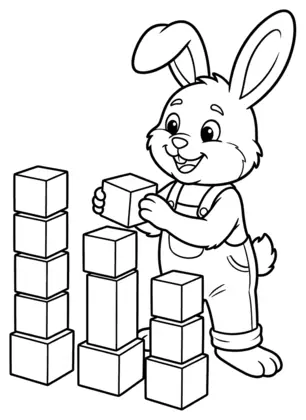
Years 3–4 · Addition and subtractionSheet 96
Column Addition
Years 3–4 · Addition and subtractionSheet 97
Column Subtraction
Years 2–3 · CountingSheet 59
Counting in 3s
Year 3 · CountingSheet 98
Counting in 4s, 8s, 50s and 100s
Educational quiz app · Ages 5-10
More learning in the Owee app
Owee turns topics like this into quizzes for children aged 5 to 10, and a treehouse grows as they learn. No ads, no chat, no strangers.
- Family-friendly
- No ads
- Private
Educational quiz app · Ages 5-10
More learning in the Owee app
Owee turns topics like this into quizzes for children aged 5 to 10, and a treehouse grows as they learn. No ads, no chat, no strangers.
Scan with your phone camera
- Family-friendly
- No ads
- Private