
Educational quiz app · Ages 5-10
This is what learning looks like


Educational quiz app · Ages 5-10
This is what learning looks like
No nagging required. Keep the learning going after the worksheet, with every question read aloud and Owee guiding each step.
Scan with your phone camera
- Family-friendly
- No ads
- Private
Free Year 3 maths worksheets (age 7-8)
Year 3 maths, for children aged 7 to 8, adds the 3, 4 and 8 times tables and moves on to numbers up to 1,000. Children learn the place value of hundreds, tens and ones, use column addition and subtraction, and work with fractions, including tenths and equivalent fractions. They tell the time on clocks with Roman numerals from I to XII, measure perimeter and recognise right angles.
These sheets practise the 8 times table, multiplication arrays, fractions from halves to eighths and Roman numeral clocks. A place value sheet, a times tables colour-by-number and an angles sheet stretch into Year 4 work.
In Northern Ireland, Year 3 maths matches Primary 4, and in Scotland roughly Primary 4. Wales also uses Year 3.
Also known as: Scotland P4 · Northern Ireland P4 · Wales Year 3
Counting
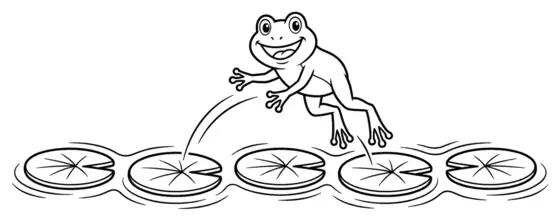
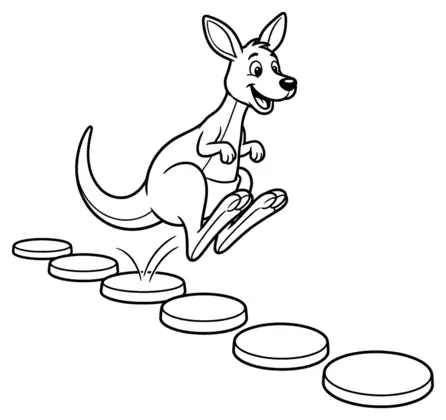
All counting worksheets →Children learn to count objects one by one, read and write numbers, and count in steps such as 2s, 5s and 10s. Confident counting is the base for adding, subtracting and the times tables.
Place value
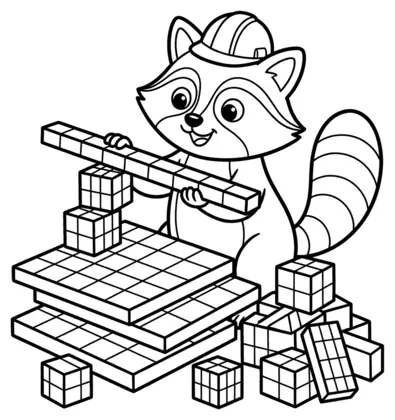
All place value worksheets →Children learn what each digit in a number is worth, from tens and ones in Year 2 to thousands in Year 4 and millions by Year 6. It helps them compare, order and calculate with numbers.

Addition and subtraction
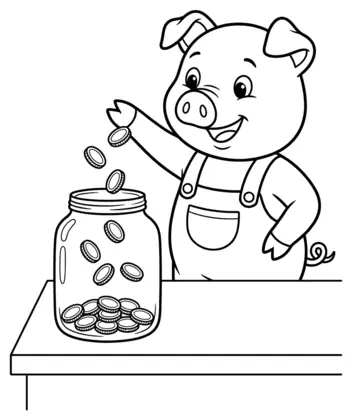
All addition and subtraction worksheets →Children start by combining and taking away small groups, learn number bonds to 10 and 20, then move on to mental methods and written column methods with bigger numbers.
Multiplication and division
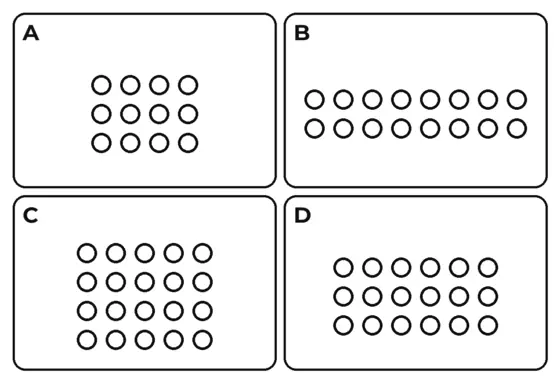
Children see multiplication as equal groups and arrays, then learn to write and solve multiplication and division facts and use written methods for larger numbers.
Times tables
All times tables worksheets →Children learn the 2, 5 and 10 times tables in Year 2, the 3, 4 and 8 in Year 3, and all tables up to 12 × 12 by the end of Year 4, when there is a short online check.
Years 2–3Sheet 67
The 10 Times Table
Print free →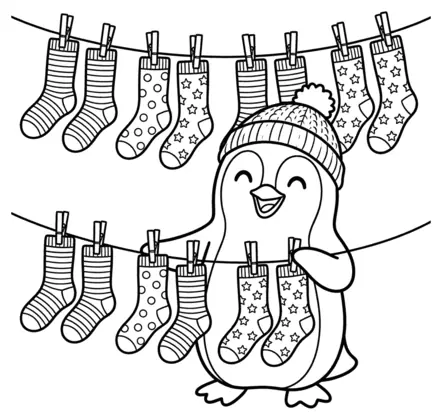
Years 2–3Sheet 68
The 2 Times Table
Print free →
Years 2–3Sheet 69
The 5 Times Table
Print free →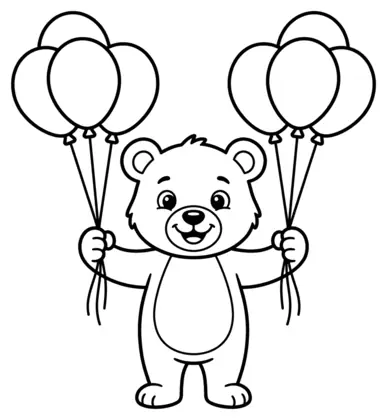
Years 3–4Sheet 105
The 3 Times Table
Print free →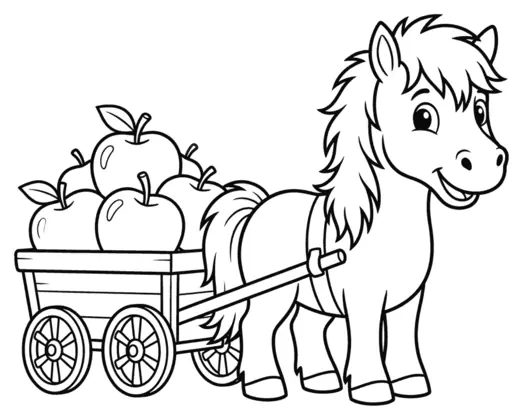
Years 3–4Sheet 106
The 4 Times Table
Print free →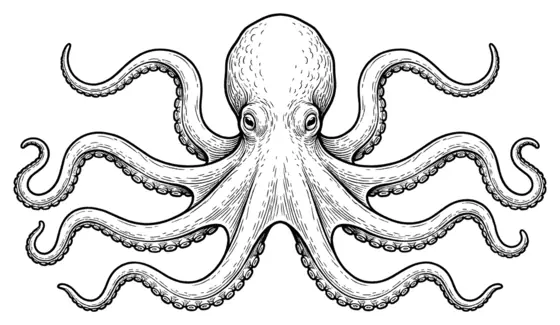
Years 3–4Sheet 107
The 8 Times Table
Print free →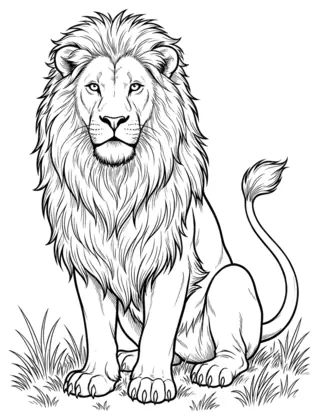
Years 3–4Sheet 141
Lion Times Tables Colour-by-Number
Print free →Fractions
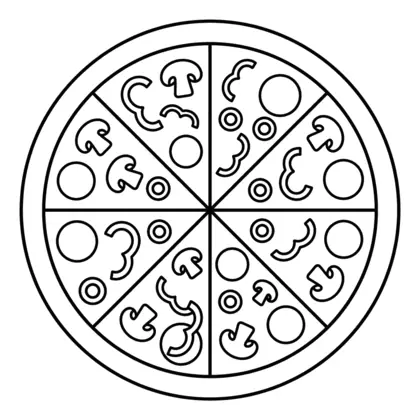
All fractions worksheets →Children begin with halves and quarters of shapes and amounts, then learn thirds, eighths and equivalent fractions, and later add, subtract and multiply fractions.
Telling the time
All telling the time worksheets →Children learn to read o'clock and half past in Year 1, then quarter past, quarter to and five-minute times, and later the 12-hour and 24-hour clock.


Roman numerals
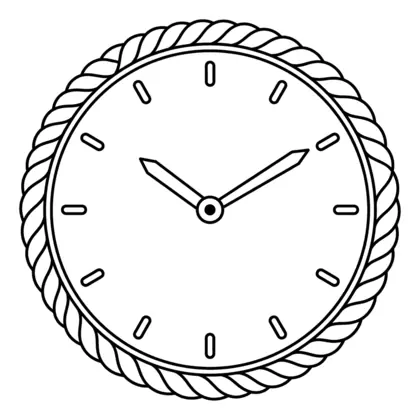
Children read Roman numerals from I to XII on a clock face in Year 3, then to 100 in Year 4 and to 1,000 in Year 5, where they also read years written in Roman numerals.
3D shapes
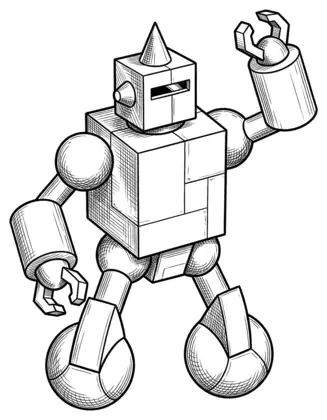
Children name solid shapes such as cubes, cylinders, cones and spheres, count their faces, edges and vertices, and in Year 6 build them from nets.
Angles
Children learn that an angle is an amount of turn, spot right angles, and sort angles into acute and obtuse. Later they measure angles in degrees.
Times tables in Year 3
The 3, 4 and 8 times tables are linked: the 8s are double the 4s, and the 4s are double the 2s. Pointing out these patterns gives your child a way to work out a fact they have forgotten. Little and often works: a few facts at breakfast or in the car each day, then a sheet once a week to check progress.
What comes in Year 4
Year 4 builds on all of this. Children learn every times table to 12 × 12, ready for the multiplication tables check in June. They also meet decimals, coordinates, area and acute and obtuse angles. If Year 3 work feels secure, the Year 4 maths sheets are a sensible next step, and going back to a Year 3 sheet is a good confidence boost.
Questions parents ask
Why do children learn Roman numerals?
Year 3 children read clocks that use Roman numerals from I to XII, and Year 4 children read Roman numerals to 100. Learning them also shows how differently our own number system works, with its zero and place value.
What is column addition?
It is the written method where numbers are lined up by place value, ones under ones and tens under tens, then added from the right, carrying when a column goes past 9. Year 3 children use it with numbers of up to three digits.
Are Year 3 maths sheets free to print?
Yes. They are free with no sign-up or email. Print a times tables sheet as often as your child likes, so they can try to improve on last time.
Educational quiz app · Ages 5-10
More learning in the Owee app
Owee turns topics like this into quizzes for children aged 5 to 10, and a treehouse grows as they learn. No ads, no chat, no strangers.
- Family-friendly
- No ads
- Private
Educational quiz app · Ages 5-10
More learning in the Owee app
Owee turns topics like this into quizzes for children aged 5 to 10, and a treehouse grows as they learn. No ads, no chat, no strangers.
Scan with your phone camera
- Family-friendly
- No ads
- Private