
Educational quiz app · Ages 5-10
This is what learning looks like


Educational quiz app · Ages 5-10
This is what learning looks like
No nagging required. Keep the learning going after the worksheet, with every question read aloud and Owee guiding each step.
Scan with your phone camera
- Family-friendly
- No ads
- Private
Free Reception maths worksheets (age 4-5)
Maths in Reception follows two early learning goals, Number and Numerical Patterns. By the end of the year, children aged 4 to 5 should have a deep understanding of numbers to 10, recognise small amounts up to 5 without counting, and recall number bonds to 5 and some to 10. They should count beyond 20 and compare amounts, saying which group has more or fewer.
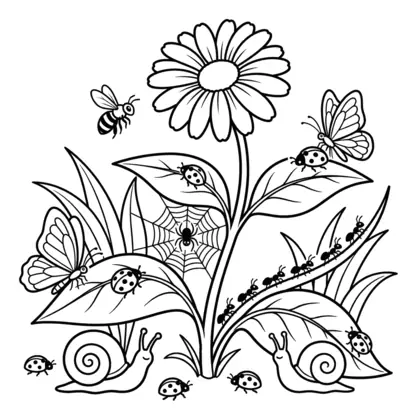
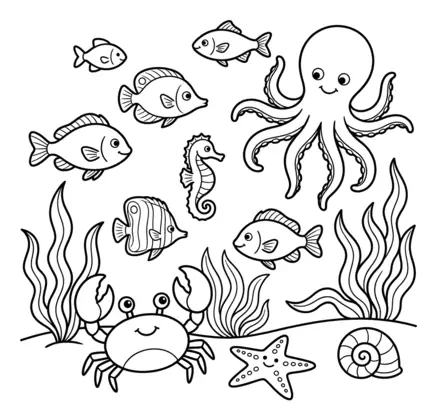
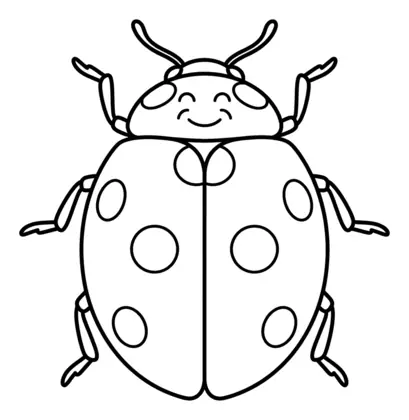
The sheets here practise counting minibeasts, sea creatures and ladybird spots, adding to 10 and number bonds to 10. Shape sheets name circles, squares, rectangles and triangles and build simple repeating patterns, and a days of the week sheet introduces early time words.
This year is Primary 1 in Northern Ireland and close to Primary 1 in Scotland. In Wales it is also called Reception.
Also known as: Scotland P1 · Northern Ireland P1 · Wales Reception
Counting
All counting worksheets →Children learn to count objects one by one, read and write numbers, and count in steps such as 2s, 5s and 10s. Confident counting is the base for adding, subtracting and the times tables.
Addition and subtraction
All addition and subtraction worksheets →Children start by combining and taking away small groups, learn number bonds to 10 and 20, then move on to mental methods and written column methods with bigger numbers.
Days and months
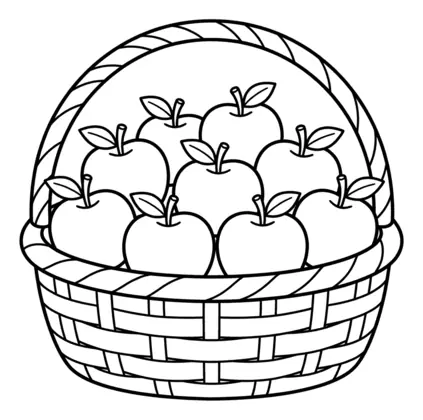
Children learn the days of the week and the months of the year in order, and use words such as yesterday, today and tomorrow. In Year 3 they learn how many days are in each month.

2D shapes
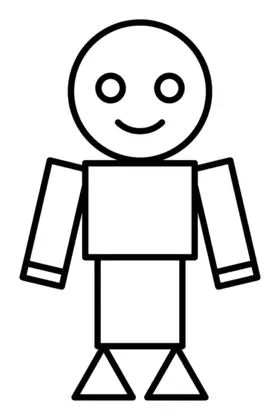
Children name flat shapes such as circles, squares, triangles and rectangles, then describe them by counting their sides and corners and spotting lines of symmetry.
Patterns
Children copy, continue and make their own repeating patterns with shapes, colours and objects, which builds early reasoning and an eye for sequences.

Number bonds to 10, explained
Number bonds are pairs of numbers that make a total, such as 6 and 4 making 10. Knowing them by heart makes adding and taking away much easier later on. The early learning goal asks for bonds to 5 without counting, and some bonds to 10. Fingers are a handy tool: hold up ten, fold some down, and ask how many are still standing.
Maths in everyday moments
Much early maths happens away from paper. Count the stairs, share grapes fairly between two plates, spot shapes on road signs and talk about what day it will be tomorrow. When the ideas are familiar from real life, a sheet becomes a way for your child to show what they already know, rather than something new and hard. Keep the pencil work short and the talk long.
Questions parents ask
What maths should my child know by the end of Reception?
The early learning goals expect children to understand numbers to 10, spot amounts up to 5 at a glance, recall number bonds to 5 and some to 10, count beyond 20 and compare quantities. Teachers make an overall judgement rather than setting a test.
My child can count to 20 but muddles up counting objects. Is that normal?
Yes, that is common at this age. Saying numbers in order and counting objects one by one are different skills. Touching or moving each object as you count, then repeating the last number ('so there are 7'), helps the two join up.
Are these maths sheets free?
Yes. They are free to print, save and share, and there is nothing to sign up for. Print a sheet again whenever your child wants another go.
Educational quiz app · Ages 5-10
More learning in the Owee app
Owee turns topics like this into quizzes for children aged 5 to 10, and a treehouse grows as they learn. No ads, no chat, no strangers.
- Family-friendly
- No ads
- Private
Educational quiz app · Ages 5-10
More learning in the Owee app
Owee turns topics like this into quizzes for children aged 5 to 10, and a treehouse grows as they learn. No ads, no chat, no strangers.
Scan with your phone camera
- Family-friendly
- No ads
- Private