Educational quiz app · Ages 5-10
This is what learning looks like


Educational quiz app · Ages 5-10
This is what learning looks like
No nagging required. Keep the learning going after the worksheet, with every question read aloud and Owee guiding each step.
Scan with your phone camera
- Family-friendly
- No ads
- Private
Maths · Division worksheet
Division with Remainders Worksheet: Free Year 5 Maths with Answers
This free, printable worksheet helps children divide with remainders. They divide using times table facts and write answers such as 7 r 2, work backwards to find missing numbers, and decide what to do with the remainder in three short word problems.
It prints on one A4 page, and the answers print on a second page for grown-ups.
What your child is learning
‘divide numbers up to 4 digits by a one-digit number using the formal written method of short division and interpret remainders appropriately for the context’
Year 5 Maths: Number – multiplication and division, National Curriculum in England. Source and licence

Division with Remainders
Free Maths worksheet · Ages 9 to 10
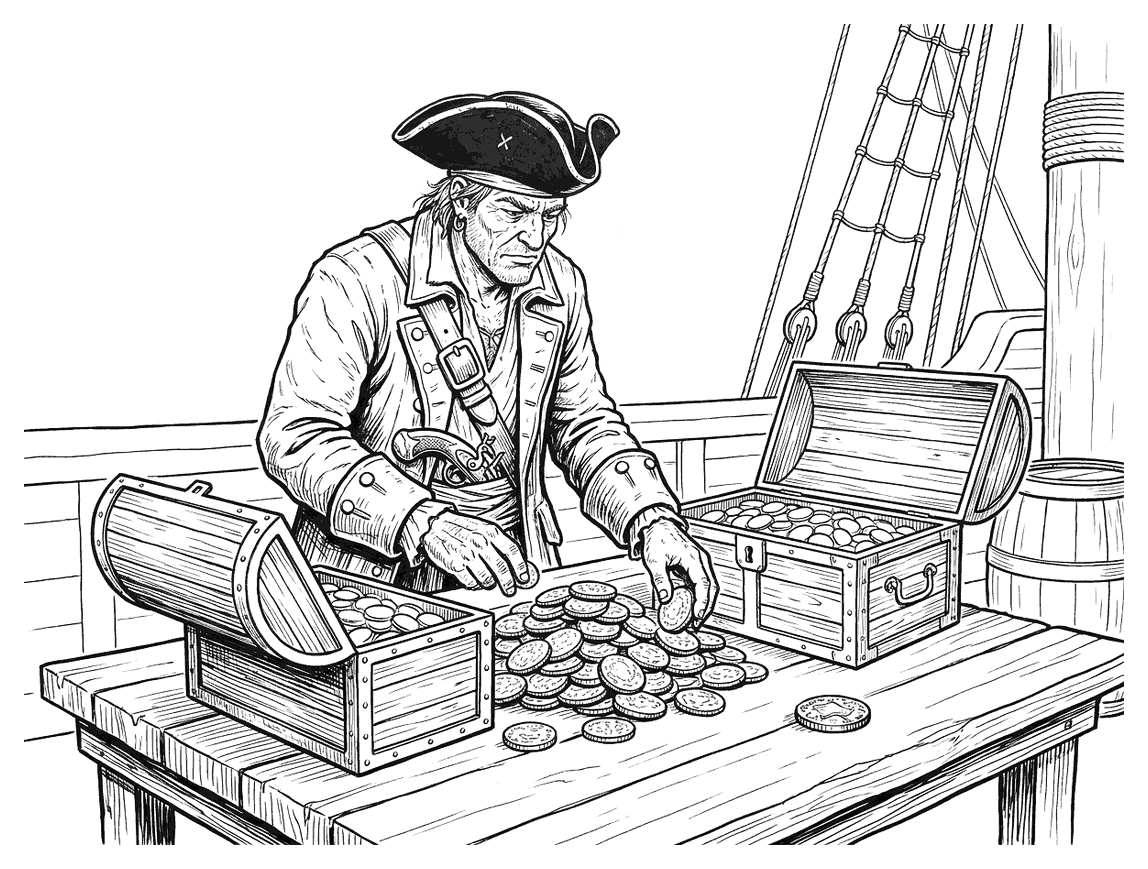
Divide
Write each answer with its remainder, using r.
- 1.37 ÷ 7 =
- 2.40 ÷ 6 =
- 3.61 ÷ 9 =
- 4.33 ÷ 4 =
- 5.29 ÷ 7 =
- 6.39 ÷ 5 =
- 7.43 ÷ 4 =
- 8.56 ÷ 8 =
- 9.25 ÷ 3 =
Find the missing number
Work backwards: multiply, then add the remainder.
- 1. ÷ 5 = 8 r 2
- 2. ÷ 9 = 7 r 6
- 3. ÷ 3 = 4 r 2
What happens to the remainder?
Should you round up, round down or give the remainder?
18 children go on a boat trip. Each boat holds 4. How many boats are needed?
A baker has 40 buns. Each box holds 6. How many boxes can she fill?
51 stickers are shared equally between 8 friends. How many are left over?
 Division with RemaindersSheet 168
Answers: Division with Remainders
Sheet 168
- 37 ÷ 7 = 5 r 2
- 40 ÷ 6 = 6 r 4
- 61 ÷ 9 = 6 r 7
- 33 ÷ 4 = 8 r 1
- 29 ÷ 7 = 4 r 1
- 39 ÷ 5 = 7 r 4
- 43 ÷ 4 = 10 r 3
- 56 ÷ 8 = 7
- 25 ÷ 3 = 8 r 1
- 42 ÷ 5 = 8 r 2
- 69 ÷ 9 = 7 r 6
- 14 ÷ 3 = 4 r 2
- 18 children go on a boat trip. Each boat holds 4. How many boats are needed? — 5 boats (18 ÷ 4 = 4 r 2, so 1 more boat is needed)
- A baker has 40 buns. Each box holds 6. How many boxes can she fill? — 6 boxes (40 ÷ 6 = 6 r 4; the 4 left over do not fill a box)
- 51 stickers are shared equally between 8 friends. How many are left over? — 3 (51 ÷ 8 = 6 r 3)
For grown-ups. Free worksheets and the Owee quiz app at owee.world
Answer key
- 37 ÷ 7 = 5 r 2
- 40 ÷ 6 = 6 r 4
- 61 ÷ 9 = 6 r 7
- 33 ÷ 4 = 8 r 1
- 29 ÷ 7 = 4 r 1
- 39 ÷ 5 = 7 r 4
- 43 ÷ 4 = 10 r 3
- 56 ÷ 8 = 7
- 25 ÷ 3 = 8 r 1
- 42 ÷ 5 = 8 r 2
- 69 ÷ 9 = 7 r 6
- 14 ÷ 3 = 4 r 2
- 18 children go on a boat trip. Each boat holds 4. How many boats are needed? — 5 boats (18 ÷ 4 = 4 r 2, so 1 more boat is needed)
- A baker has 40 buns. Each box holds 6. How many boxes can she fill? — 6 boxes (40 ÷ 6 = 6 r 4; the 4 left over do not fill a box)
- 51 stickers are shared equally between 8 friends. How many are left over? — 3 (51 ÷ 8 = 6 r 3)
What a remainder is
A remainder is what is left over when a number cannot be shared or grouped exactly. For 23 ÷ 4, four 5s are 20 and there are 3 left, so 23 ÷ 4 = 5 r 3. The remainder must always be smaller than the number you are dividing by. If it is not, another group would fit.
How to help at home
Share out real things that do not divide exactly, such as 17 grapes between 3 people. Each person gets 5, and 2 are left over. Then ask what to do with the 2. In a story, the answer depends on the question: 26 people in cars that each take 4 need 7 cars, not 6 r 2.
When remainders are taught
The National Curriculum in England first names remainders in Year 5, when children divide numbers up to 4 digits by a one-digit number and interpret remainders for the context. Schools can teach content earlier within key stage 2, so your child may meet simple remainders in Year 4. This sheet uses times table facts, so it suits both years.
Frequently asked questions
What year group learns division with remainders?
Year 5, when children are 9 to 10. That is when the National Curriculum in England asks children to interpret remainders. The questions here only need times tables up to 12 × 12, so a confident Year 4 child can try them too.
Should my child write a remainder as r or as a fraction?
Start with r, as in 23 ÷ 4 = 5 r 3. In Years 5 and 6, children also learn to show a remainder as a fraction, as a decimal or by rounding, depending on the question.
Is this worksheet really free?
Yes. Print it, save it as a PDF or share it with other parents and teachers. There is no sign-up and no email needed.
Curriculum links
- Year 5 Maths: Number – multiplication and division (statutory): 'divide numbers up to 4 digits by a one-digit number using the formal written method of short division and interpret remainders appropriately for the context'
- Year 5 Maths: Number – multiplication and division (statutory): 'multiply and divide numbers mentally, drawing upon known facts'
Quoted word for word from Department for Education documents: the National Curriculum in England, the EYFS framework or the RSHE guidance. Contains public sector information licensed under the Open Government Licence v3.0.
Made by The Owee education team. Updated 13/10/2026. Free to print and share.
More maths worksheets
All Year 5 Maths worksheets →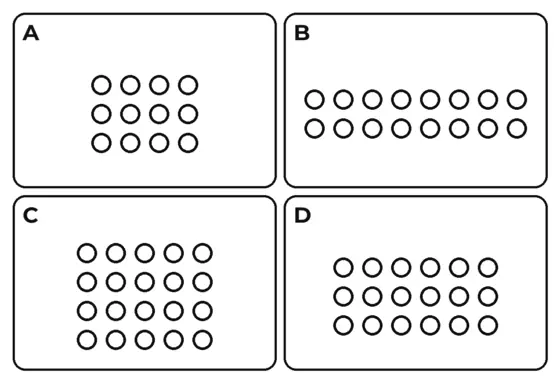
Years 2–3 · Multiplication and divisionSheet 101
Multiplication Arrays
Year 4 · Addition and subtractionSheet 134
4-Digit Column Addition

Years 3–4 · AnglesSheet 135
Acute, Right and Obtuse Angles Castle

Years 2–4 · SymmetrySheet 63
Butterfly Lines of Symmetry
Years 3–4 · Addition and subtractionSheet 96
Column Addition
Years 3–4 · Addition and subtractionSheet 97
Column Subtraction
Educational quiz app · Ages 5-10
More learning in the Owee app
Owee turns topics like this into quizzes for children aged 5 to 10, and a treehouse grows as they learn. No ads, no chat, no strangers.
- Family-friendly
- No ads
- Private
Educational quiz app · Ages 5-10
More learning in the Owee app
Owee turns topics like this into quizzes for children aged 5 to 10, and a treehouse grows as they learn. No ads, no chat, no strangers.
Scan with your phone camera
- Family-friendly
- No ads
- Private