Educational quiz app · Ages 5-10
This is what learning looks like


Educational quiz app · Ages 5-10
This is what learning looks like
No nagging required. Keep the learning going after the worksheet, with every question read aloud and Owee guiding each step.
Scan with your phone camera
- Family-friendly
- No ads
- Private
Maths · Counting and multiplication worksheet
The 8 Times Table: Free KS2 Maths Worksheet (Ages 8 to 9)
The 8 times table is one of the harder tables to remember, so short, low-pressure practice makes a real difference. This free printable asks your child to write every fact from 8 × 1 to 8 × 12, starting with a cheerful octopus whose eight tentacles show what ‘groups of eight’ means.
It prints on a single A4 page and needs only a pencil and some colouring pens. Use it as a morning warm-up, a homework sheet or a calm, screen-free task. The 8 times table is taught in Year 3, and by the end of Year 4 children are expected to know all their tables up to 12 × 12.
What your child is learning
‘recall and use multiplication and division facts for the 3, 4 and 8 multiplication tables’
Year 3 Maths: Number – multiplication and division, National Curriculum in England. Source and licence
The 8 Times Table
Free Maths worksheet · Ages 8 to 9
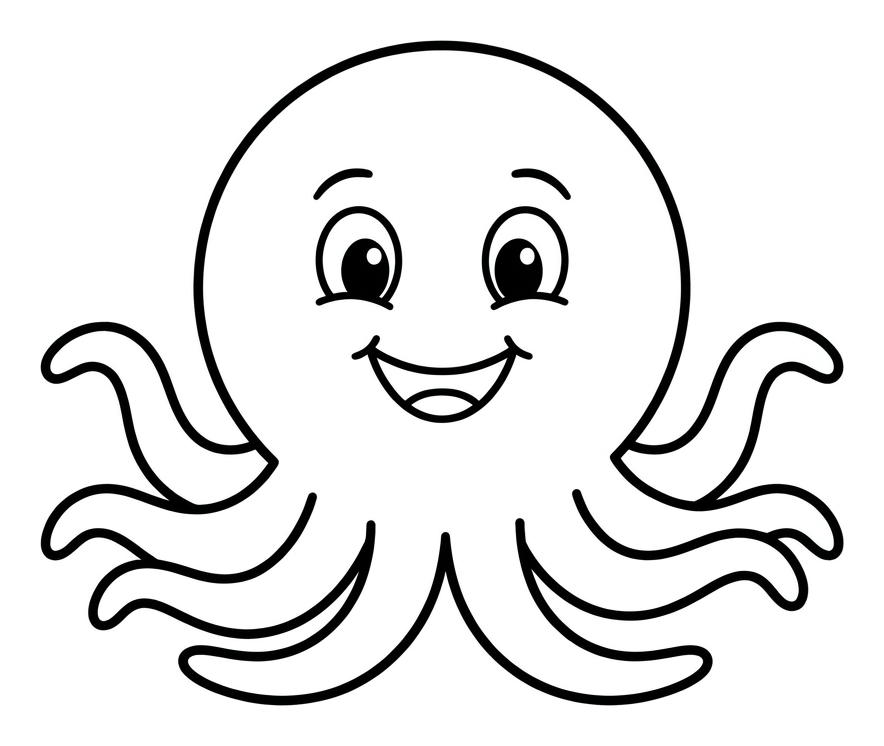
Count the tentacles
Count the octopus's tentacles. Then colour the octopus in.
- How many tentacles does the octopus have?
- How many tentacles would 8 octopuses have altogether? (8 × 8)
Complete the 8 times table
Write the answers. Say each fact out loud as you write it.
- 1.8 × 1 =
- 2.8 × 2 =
- 3.8 × 3 =
- 4.8 × 4 =
- 5.8 × 5 =
- 6.8 × 6 =
- 7.8 × 7 =
- 8.8 × 8 =
- 9.8 × 9 =
- 10.8 × 10 =
- 11.8 × 11 =
- 12.8 × 12 =
 The 8 Times TableSheet 107
Answers: The 8 Times Table
Sheet 107
- How many tentacles does the octopus have? — 8
- How many tentacles would 8 octopuses have altogether? (8 × 8) — 64
- 8 × 1 = 8
- 8 × 2 = 16
- 8 × 3 = 24
- 8 × 4 = 32
- 8 × 5 = 40
- 8 × 6 = 48
- 8 × 7 = 56
- 8 × 8 = 64
- 8 × 9 = 72
- 8 × 10 = 80
- 8 × 11 = 88
- 8 × 12 = 96
For grown-ups. Free worksheets and the Owee quiz app at owee.world
Answer key
- How many tentacles does the octopus have? — 8
- How many tentacles would 8 octopuses have altogether? (8 × 8) — 64
- 8 × 1 = 8
- 8 × 2 = 16
- 8 × 3 = 24
- 8 × 4 = 32
- 8 × 5 = 40
- 8 × 6 = 48
- 8 × 7 = 56
- 8 × 8 = 64
- 8 × 9 = 72
- 8 × 10 = 80
- 8 × 11 = 88
- 8 × 12 = 96
What is on the worksheet
The page has two parts. First, a counting and colouring task: your child counts the octopus's eight tentacles, then works out how many tentacles eight octopuses would have (8 × 8 = 64). Second, a complete-the-table task with all twelve facts from 8 × 1 to 8 × 12, each with an empty box for the answer. There is no list of answers on the page, so your child has to recall or work out each one. The answers appear in the answer key, which prints on a separate page.
How to use it at home or in the classroom
Start with the octopus, so that ‘8 × 3’ means three lots of eight tentacles before it becomes a number fact. Ask your child to say each fact aloud as they write it (‘eight threes are twenty-four’). If they get stuck, show them two shortcuts: every answer in the 8 times table is double the matching answer in the 4 times table, and each answer is 8 more than the one before. A common slip is 8 × 7: if they write 54 or 58, ask them to double 4 × 7 = 28 to check. In class, the sheet works as a starter, an early-finisher task or a quick check of who knows the facts and who needs more practice.
What your child will learn
Your child practises recalling the 8 times table up to 8 × 12. Learning the 3, 4 and 8 times tables is a statutory part of Year 3 maths, and the curriculum suggests connecting the 2, 4 and 8 times tables through doubling. Working through the facts in order also shows the pattern of the table: the answers go up in eights, every answer is even, and the ones digits repeat 8, 6, 4, 2, 0. Knowing that 8 × 6 = 48 also gives the matching division facts, 48 ÷ 8 = 6 and 48 ÷ 6 = 8.
A note for teachers
This worksheet supports the Year 3 statutory requirement to recall and use multiplication and division facts for the 3, 4 and 8 multiplication tables, and it is useful revision in Year 4, where children work towards all tables up to 12 × 12. Because the facts are in order, it suits children who are still learning the table. Once they are confident, read the facts out of order or ask for the matching division fact (for example, 64 ÷ 8) alongside each one. The answer key lets you mark quickly or set the page as independent work.
Frequently asked questions
Is this 8 times table worksheet free to print?
Yes. The worksheet is completely free to download and print at home or in school. It fits on a single A4 page and needs only a printer, a pencil and some colouring pens.
What age and key stage is the 8 times table for?
The 8 times table is taught in Year 3 (ages 7 to 8), alongside the 3 and 4 times tables, as part of Key Stage 2. Children keep practising it in Year 4 (ages 8 to 9), when they are expected to know all their tables up to 12 × 12. The sheet suits both years.
What is the easiest way to learn the 8 times table?
Many children find it easiest to learn the 8 times table as the 4 times table doubled, since 8 is double 4: 4 × 6 = 24, so 8 × 6 = 48. Saying the facts aloud, noticing that the ones digits go 8, 6, 4, 2, 0 and repeat, and short, frequent practice all help the facts stick better than one long session.
Does the worksheet include the answers?
Yes. The full 8 times table and the tentacle answers are in the answer key, which shows on screen and prints on a separate page, so the worksheet itself stays free of answers.
How is this different from a plain times table chart?
A chart simply shows the facts. This worksheet asks your child to recall and write every answer, and the octopus shows what the facts mean as equal groups. Writing the answers from memory builds the quick recall the curriculum expects far better than reading them.
Curriculum links
- Year 3 Maths: Number – multiplication and division (statutory): 'recall and use multiplication and division facts for the 3, 4 and 8 multiplication tables'
Quoted word for word from Department for Education documents: the National Curriculum in England, the EYFS framework or the RSHE guidance. Contains public sector information licensed under the Open Government Licence v3.0.
Made by The Owee education team. Updated 13/10/2026. Free to print and share.
More maths worksheets
All Year 3 Maths worksheets →
Years 3–4 · Times tablesSheet 141
Lion Times Tables Colour-by-Number
Years 4–5 · Times tablesSheet 142
Mixed Times Tables to 12
Year 4 · Times tablesSheet 143
Multiplication Tables Check Practice
Years 2–3 · Times tablesSheet 67
The 10 Times Table
Years 4–5 · Times tablesSheet 144
The 11 Times Table
Years 4–5 · Times tablesSheet 145
The 12 Times Table
Educational quiz app · Ages 5-10
More learning in the Owee app
Owee turns topics like this into quizzes for children aged 5 to 10, and a treehouse grows as they learn. No ads, no chat, no strangers.
- Family-friendly
- No ads
- Private
Educational quiz app · Ages 5-10
More learning in the Owee app
Owee turns topics like this into quizzes for children aged 5 to 10, and a treehouse grows as they learn. No ads, no chat, no strangers.
Scan with your phone camera
- Family-friendly
- No ads
- Private